Written By: Khansaa Houlbi

Traditionally marked on August 28th, Emirati Women’s Day looks a little different this year. Under the directive Her Highness Sheikha Fatima bint Mubarak, “Mother of the Nation,” the celebration has expanded into a full month-long national moment running through September 28th, united under the theme “Together, We Rise Stronger and Better.”

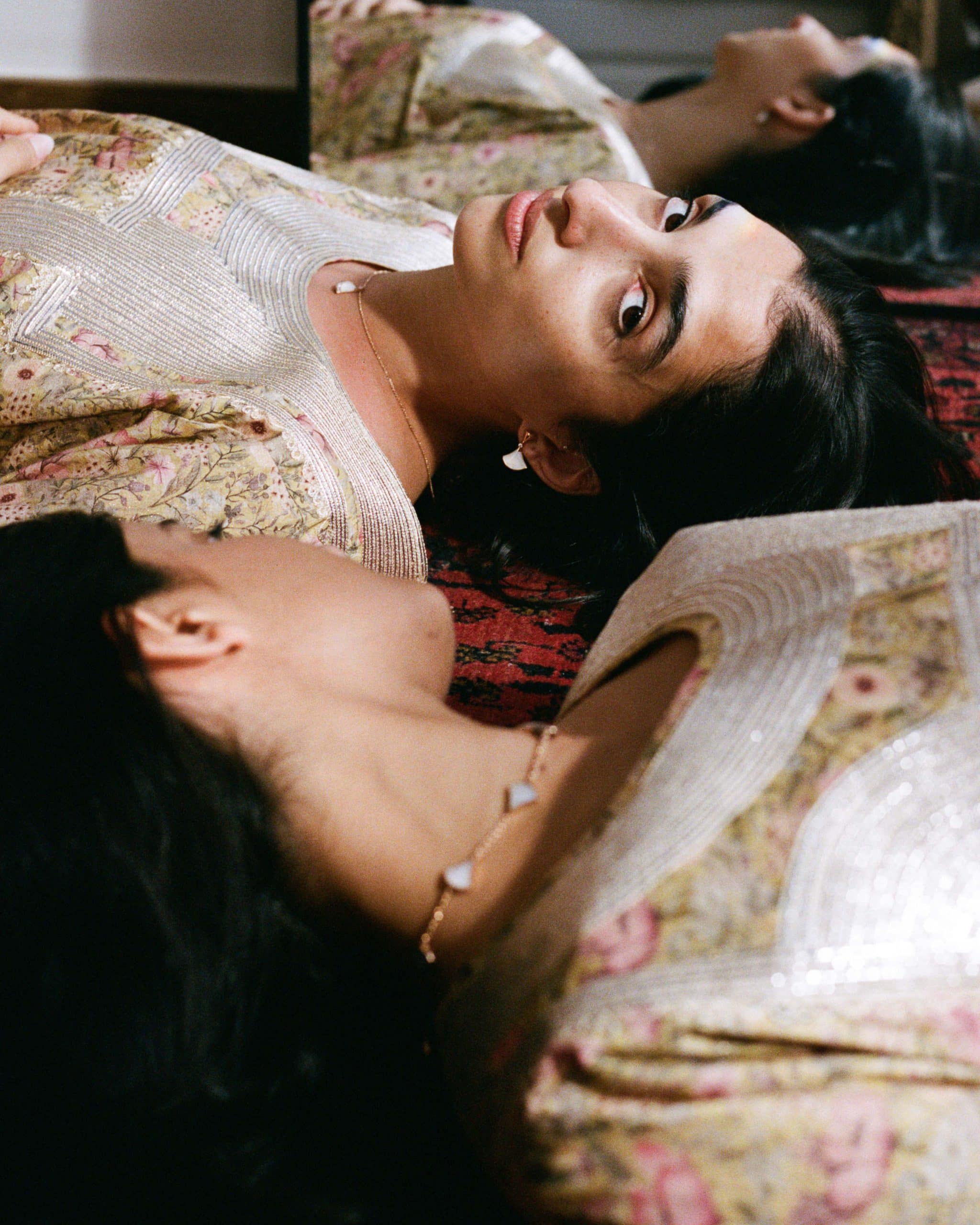
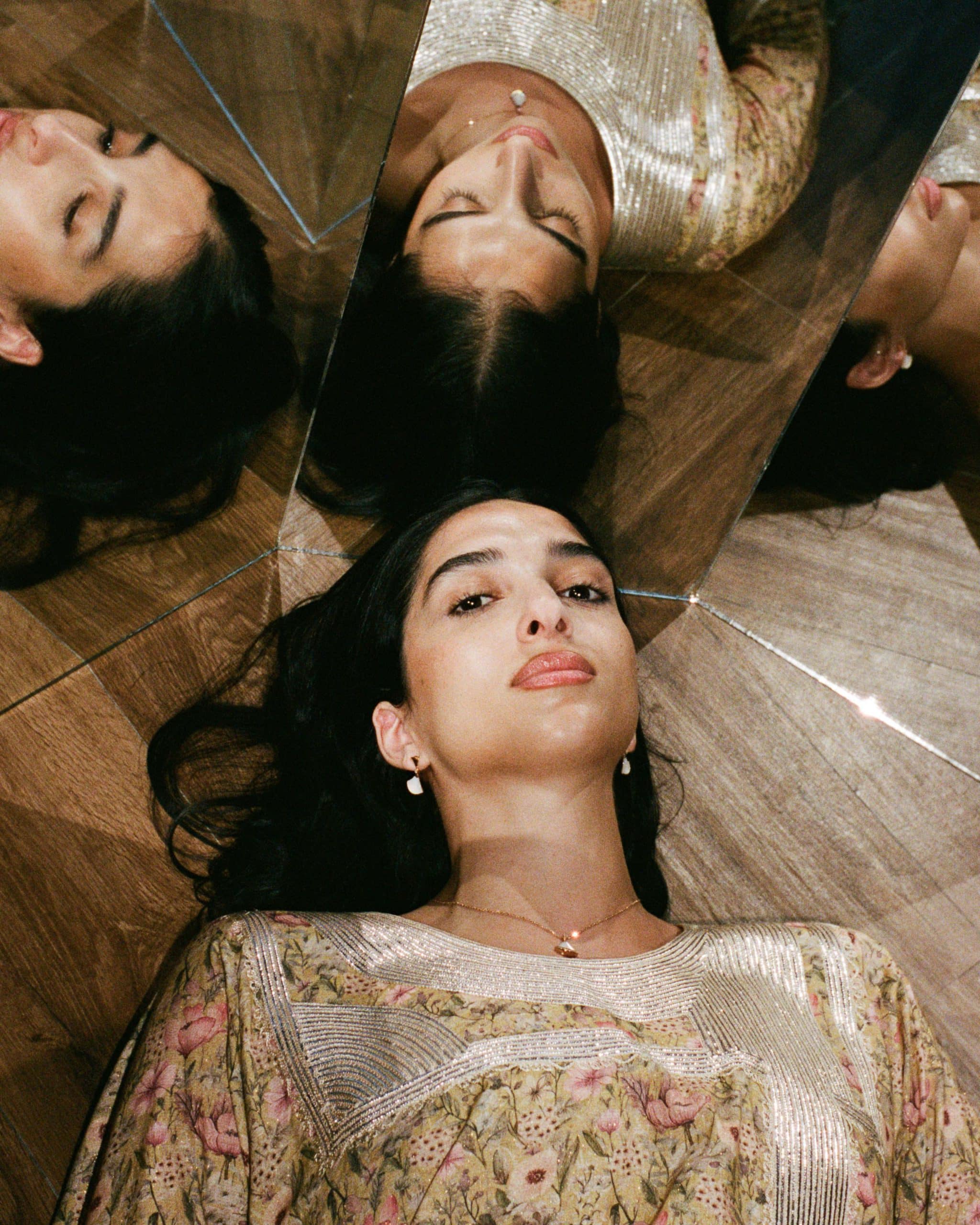
For the occasion, the UAE lights up with tributes and creative initiatives from across the country, celebrating the enduring spirit of Emirati women. Among them is Bvlgari, which has spent the last six years using this date to spotlight local voices. For 2026, the Roman Maison is focusing that lens on film, partnering with Cinema Akil founder Butheina Kazim, director Taqwa Bint Ali, and Studio HARAKA to debut an original short: كل ما تتمنين  (The Girl I Needed).

The film traces a young woman named Mariam from girlhood to adulthood. Instead of leaning on traditional tropes of what empowerment looks like, the narrative is an intimate look at identity, belonging, and the delicate balance between honoring where you came from while figuring out who you are. 

Bringing that tension to life on screen is Mariam Shamma. In celebration of Emirati Women’s Day, we sit down with the Emirati creative as she opens up about breaking past conventional molds of what an Emirati women looks like, learning to see herself through her own eyes, and what it truly means to carry forward the strength of the women who came before. 

Courtesy of Bvlgari

KHANSAA HOULBI: Take us back to the moment you got the call for this project. What went through your mind when you learned you’d be starring in the short film for Bvlgari? What was the experience like collaborating on this project with Bvlgari, Butheina Kazim, and Taqwa Bint Ali?

MARIAM SHAMMA: I was very excited when I heard that the project was for Emirati Women’s Day because that immediately made it feel meaningful and personal to me. My collaboration with Bvlgari was primarily through the wider creative team. When I found out that I was going to be the lead in the short film, that excitement very quickly turned into anxiety because I don’t necessarily resemble what people might “conventionally” expect an Emirati woman to look like. But I suppose what drew Taqwa and me to each other creatively was our shared understanding that there isn’t just one version of an Emirati woman. We’re not one story, one personality, or one way of being.


What felt particularly significant was contributing to a project supported by a house with such a strong connection to women, artistry, and storytelling. Bvlgari created the space for this story to exist, and with Studio HARAKA’s artistry, that idea became almost effortless to envision. There was definitely room for all those different versions of us to exist within the same world.


Then, of course, there was the very minor detail of a production crew of more than 20 people coming to film in my house, which meant I had to mentally prepare my family almost as much as I had to prepare myself. But honestly, all I could think about was what an incredible opportunity it was to be surrounded by such an amazing creative team and to film something so meaningful in a space that was already deeply personal to me.

Courtesy of Bvlgari

KH: As a young Emirati woman, how does the narrative of this short film resonate with you on a personal level?

MS: It resonates with me a lot, particularly because it revolves around the women who raised us, and that process of growing up and figuring out what you carry with you and what you leave behind. To me, that really captures the essence of generational change. As women, we tend to be people-pleasers and nurturers by default, and something I find particularly beautiful within Emirati women is this deeply rooted sense of respect and devotion to family. There’s something incredibly meaningful about wanting to honor the people who raised you and not wanting to disappoint them. But I think growing up also means learning where that ends and where you begin. Because while you don’t want to let anyone else down, you also don’t want to let yourself down or lose yourself in the process of trying to be everything for everyone. In fact, I went through a very similar experience recently, so connecting with the vision of our writer and director, Taqwa, came very naturally to me because I was already familiar with that feeling firsthand. In her own words, it really is “a story about learning to see yourself through your own eyes.” And I think that captures it perfectly.

Courtesy of Bvlgari

KH: By honoring the resilience of Emirati women across generations, the film bridges the past and the future. In what ways do you feel connected to that intergenerational strength?

MS: I think my generation has inherited a different form of strength. The women who came before us had to navigate circumstances very different from ours, and many of the opportunities Emirati women have today exist because of what previous generations built, protected, and pushed forward. So, for me, feeling connected to that intergenerational strength doesn’t necessarily mean experiencing the same struggles or expressing strength in the same way. Instead, honoring their resilience means making use of the opportunities they created for us. And I think that is the connection – that their strength created possibilities, and our responsibility is to do something meaningful with them.

END OF STORY