
Written By: William Buckley
Sorbet speaks to Vanessa Williams about her new role as Miranda Priestly on the West End, pageantry and film, and being an LGBTQ+ icon.
It’s not every day you get an email pitching an icon of Vanessa Williams’ stature. Mostly, editorials with icons take months of back and forth, if the conversation even gets off the ground. But there I was, in the Sorbet offices, reading (and re-reading) the email. “As you probably know, Vanessa is currently starring in The Devil Wears Prada on London’s West End, and we would love to explore the possibility of a feature.” That’s not verbatim, but that was the drift. And keeping some editorial cool, I replied, ‘Would love to make that work.’ And we suggested a shoot. Because, of course we suggested a shoot.
A few days later, we had a whole plan – shoot at the theater (The Dominion Theatre on Tottenham Court Road), you have five hours, photographer locked, glam team locked, and my flight to London booked.
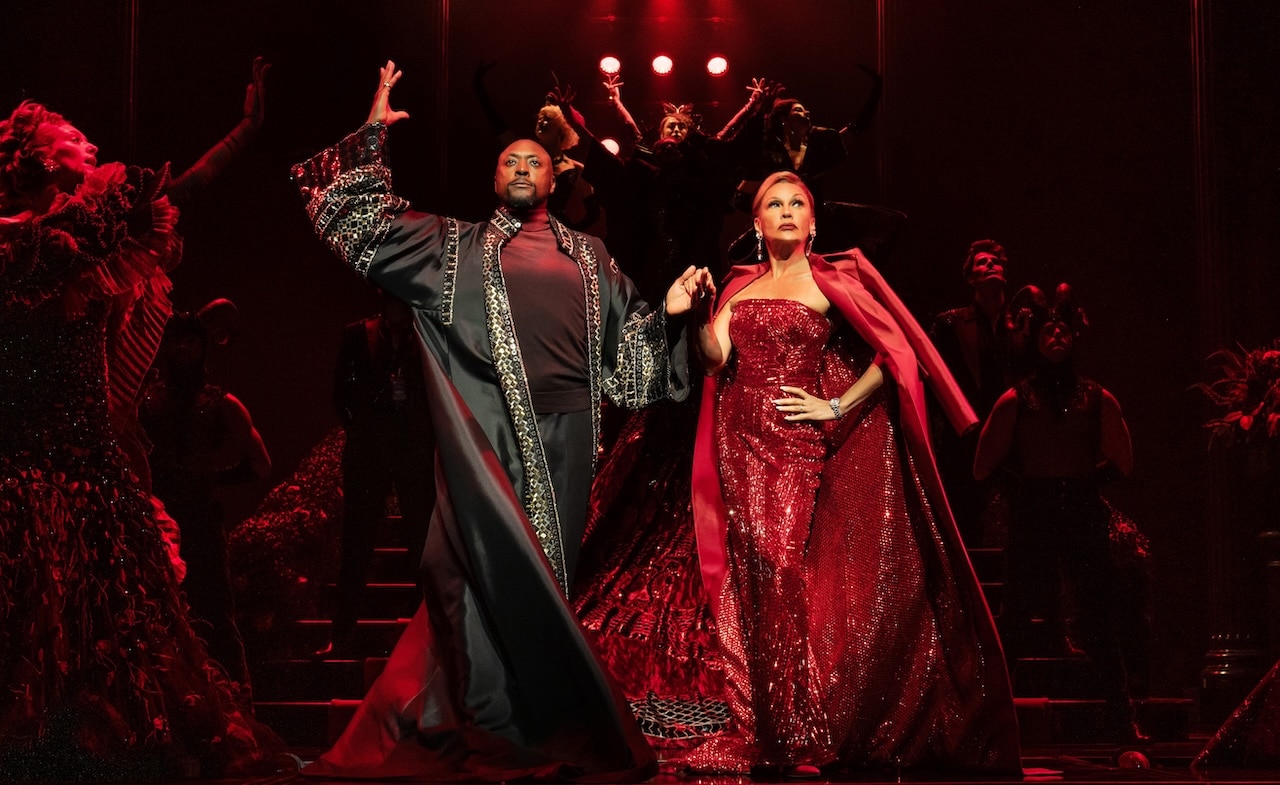
Matt Henry and Vanessa Williams by Matt Crockett | Courtesy of West End
We arrived at the theater at 10am and entered through the stage door. We were greeted by a couple of wonderful publicists, and just as we’d finished with pleasantries, the door behind me opened. I turned around and an animal I mistook at first for a small horse walked towards me. It was a Great Dane – Roscoe, Vanessa’s Great Dane, and Vanessa appeared behind him. I think I sputtered some inelegant “hi”, and she brushed straight past me, with a few curt words to the publicists about her hot water and disappeared through another door toward the dressing rooms.
The publicists, presumably noticing the color run out of my face, told me not to worry, and explained the water in her apartment wasn’t working. Unexpected cold showers in the morning will put even the sunniest of souls in a stew. And Vanessa’s a star.
One publicist ran after her and came back a few minutes later with a more believable assurance that everything was fine. And it was. When Vanessa walked out of that dressing room in the first look – a gorgeous Dior tuxedo-style sweater and matching cream pants – she was glorious.
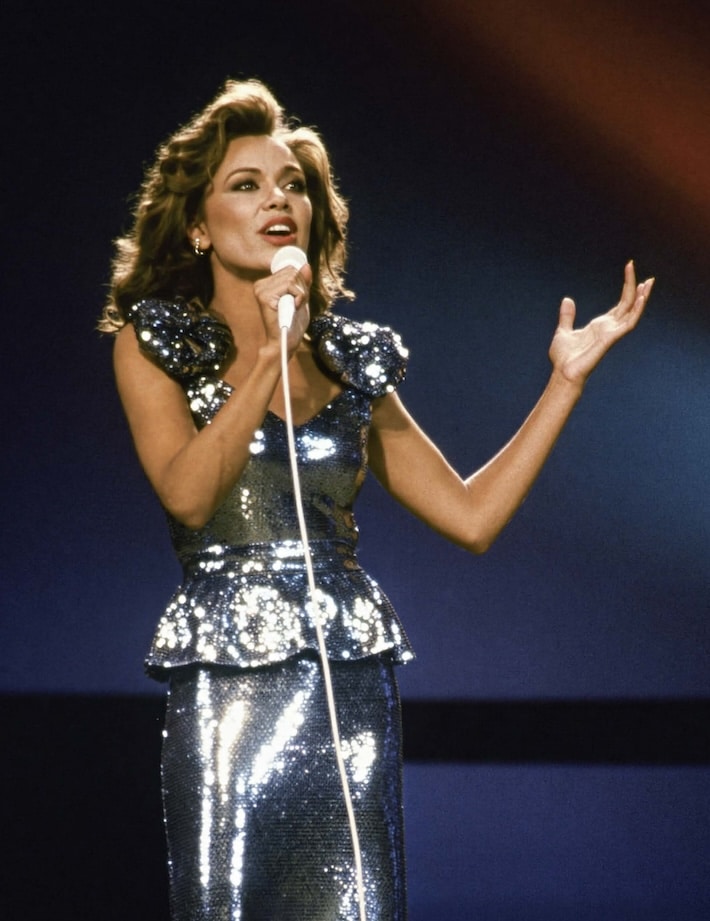
Miss America Pageant (1984) by NBCU Photo Bank | Getty
It makes sense. Vanessa Williams has been stepping onto stages or just walking into rooms and serving star for more than four decades. Theater has been part of her life since 1985, 40 years of entrances, exits, curtain calls, and characters. But before the stage came the crown. In 1983, Williams became the first Black woman crowned Miss America, a moment that shook up the pageant world and placed her, overnight, in the spotlight.
From there, she moved into music – her voice is perfection, how could she not? Hits, including the staple ballad you’ve heard on rom-coms and at every wedding since it was released in 1991, Save the Best For Last, established her stardom. She starred on Broadway in Kiss of the Spider Woman, in Stephen Sondheim’s Into The Woods. She racked up a ton of film and television roles too, but her canonical turn as the villainous Wilhelmina Slater in Ugly Betty became part of the blueprint for the modern fashion antagonist.
As drag entered mainstream pop culture, Vanessa fit like a rhinestoned glove. Williams has appeared as a guest judge on RuPaul’s Drag Race, served as a full judge on Queen of the Universe, and in 2024 released the single BOP! alongside drag superstar Trixie Mattel and Lion Babe.
Pageantry, performance, stages, and transformation; Miss America, drag balls, Ugly Betty, and The Devil Wears Prada, all orbiting the same glittering sun: beauty, ambition, spectacle, and of course, a perfectly pitched read.
So Vanessa is back on stage as Miranda Priestly, the editrix who terrorized a generation of interns. The role suits her perfectly: power, poise, impeccable timing.
So, we sat down to talk about 40 years in the business, the strange alchemy of theatre, fashion, and fame, and her status as a gay icon (“It’s about time!”). After decades of showing up, doing the work, and surviving the industry’s endless plot twists, it would be difficult to argue otherwise. That’s all.
WILLIAM BUCKLEY: Tell me about Miranda Priestly, how that role came about, and why you were drawn to it.
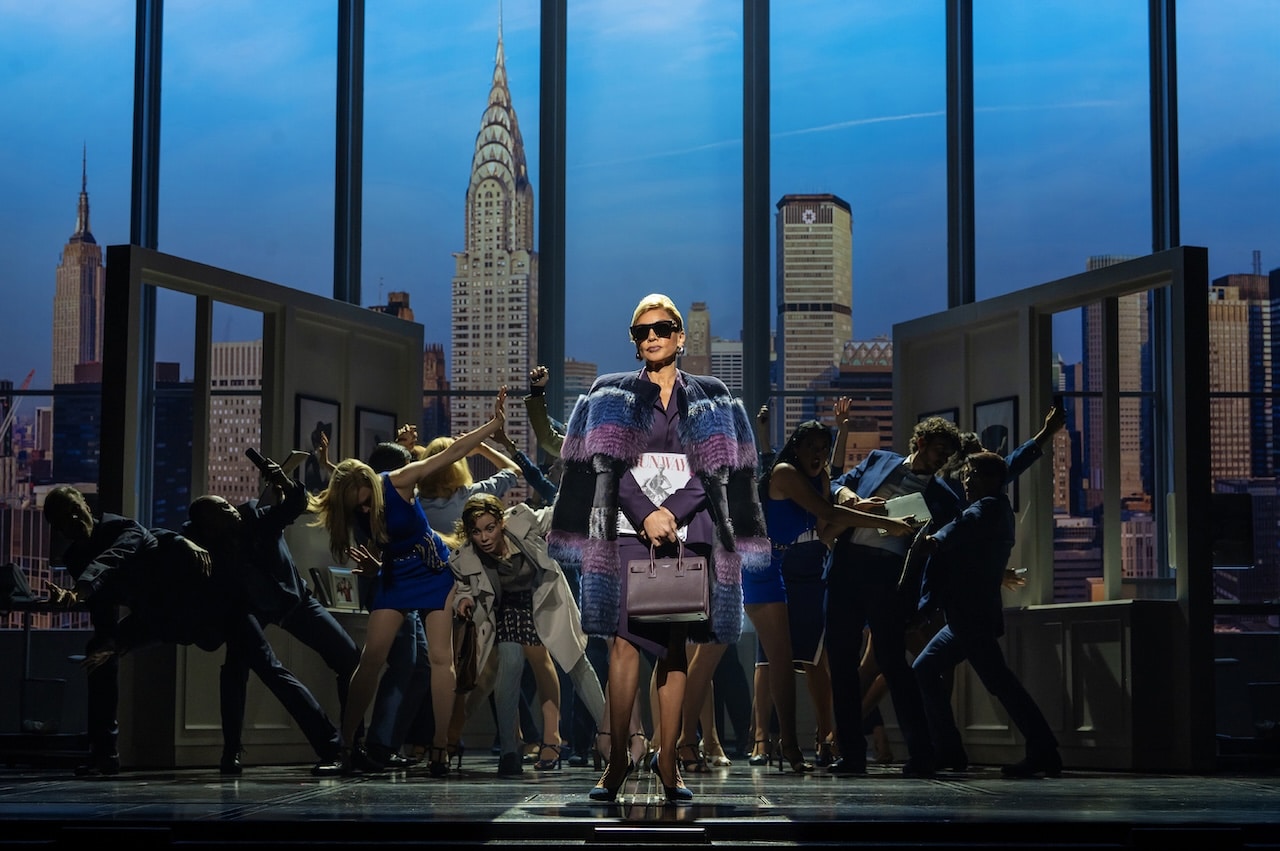
Vanessa Williams by Matt Crockett | Courtesy of West End
VANESSA WILLIAMS: I got a call from Jerry Mitchell, the director and choreographer, in 2023 and he basically said there was a previous production in Chicago, 2019, a whole different team. He said, “Listen, I’m taking over. Just want you to know that you’re my first choice, and we’re going to come to you with a deal, but just want to give you a heads up.”
It’s small, the theater world, both Broadway and the West End. And living in the business for over 40 years, at this point, it’s matter of, ‘I know her, let me give her a call.’ I had worked with Jerry in 2010 on [annual burlesque fundraiser] Broadway Bares; I hosted with Kristin Chenoweth that year. That’s how we knew each other.
WB: What was attractive about playing Miranda?
VW: I’d only seen the movie once. Obviously in 2006, the movie was hot. I signed on to Ugly Betty, so that was definitely influential in terms of that workspace that we were creating. At Mode magazine, I’d certainly lived with Wilhelmina Slater for four years.
So, when this opportunity came about, it was definitely something that I felt comfortable with, and knew I could do and, it’s an opportunity to kind of bring that same power to stage.
WB: How was the experience of learning the role?
VW: Well, it’s not learning the role. You get a chance to create something, and then have that be the blueprint in perpetuity. That’s what I love, when you can say, ‘Oh, my God, Chita Rivera created Kiss of the Spider Woman,’ and walking into her shoes of things that she did, that was the most appealing thing. Not just going into another show that was already created and having to replicate what was done before.
So, it wasn’t Miranda Priestly, it was getting a chance to create a role and help fine-tune the music, the choreography, the dialogue, work with the creators, the lyricists, musical directors, and arrangers, and say, ‘This works better for me. I think this is more Miranda, this is more effective.’ That’s what’s really exciting, as opposed to mimicking somebody else.
WB: It started in Plymouth, is that right?
VW: Yes. We did our out-of-town in Plymouth in June, July, August 2024.
WB: How has that journey been from Plymouth to the West End to today?
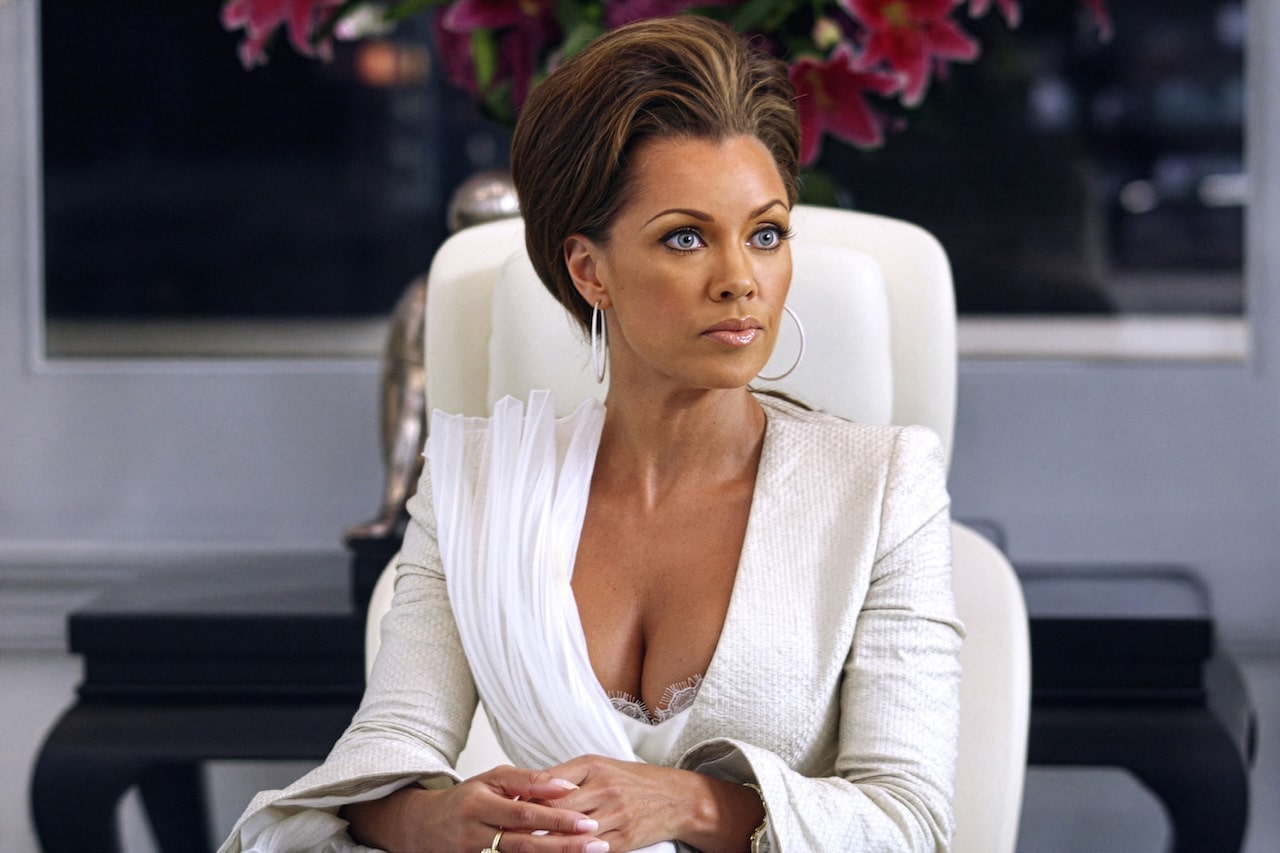
Vanessa Williams by Matt Crockett | Courtesy of West End
VW: Well, when you go out of town, there’s an opportunity to test it out. Lots of changes, constantly. And again, that’s the exciting thing about creating a new show, it’s getting a chance to test things out – try this, put this in, this would work better, let’s try that – that’s what Plymouth was about, preparing it for London.
Even when you get to London and you’re still in previews, you’ve got a different stage. Fine-tuning dialogue, costumes, music, and trimming the length, what works or doesn’t. So it’s a continual process, and it doesn’t end until opening night, and then there’s still some ongoing tweaks that have been made.
Then, if it goes to New York or to the States, there will be more to adapt to since we’ve seen it for two years – we’re already on our second cast here. I’m sure the producers and creators will continue to make adjustments.
WB: You mentioned Wilhelmina Slater and some parallels there. Do you tap into a bit of Wilhelmina? It’s obviously a different beast, because it’s a TV show versus stage. What’s the process there?
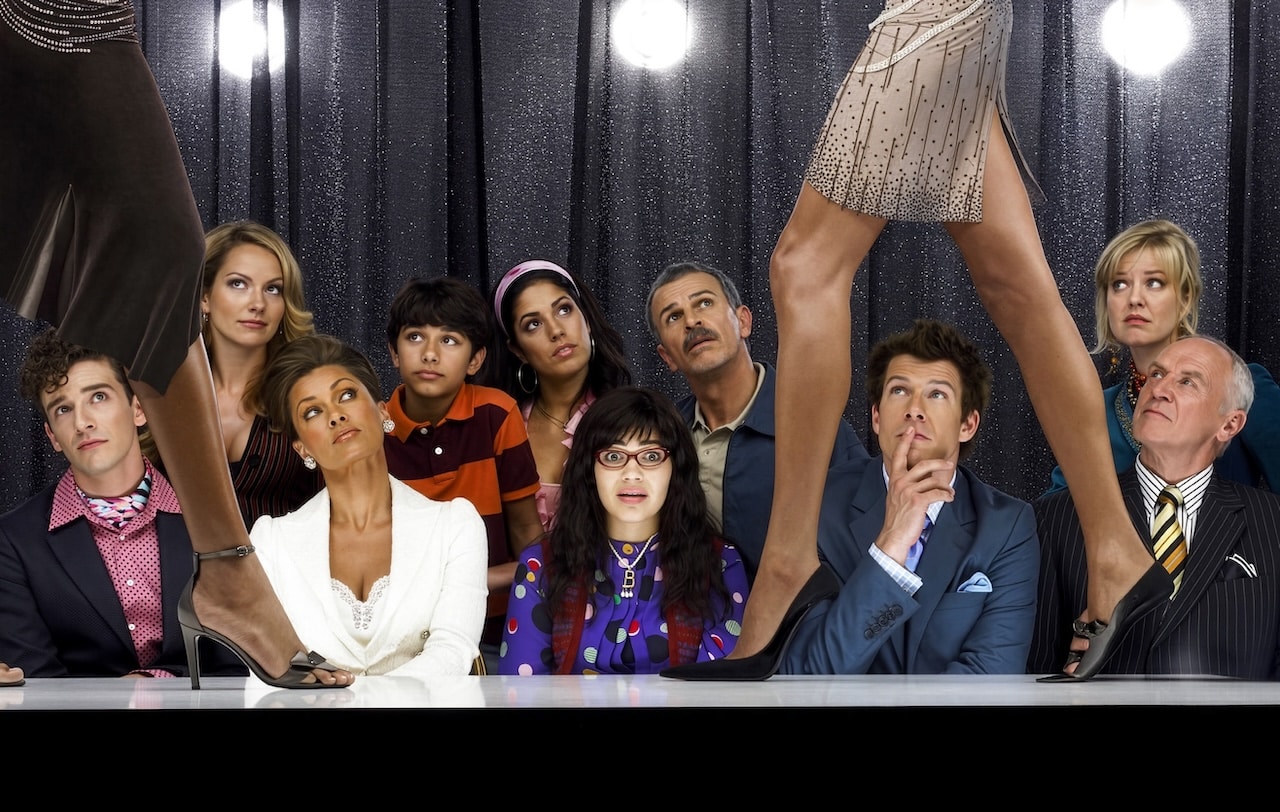
Ugly Betty | Facebook
VW: I mean, for stage, you can’t replicate what is done in the movie, so you throw that out. Particularly in the Dominion, which is over 2,000 seats and really big and wide – you’ve got to make sure that people can see your expressions, your gestures, and feel your presence rows and rows away.
You sit for television and film, the camera’s inches away from your face. You don’t have the luxury of being subtle, so you’d have to do that within your voice, within your music and so it’s another adjustment to a different medium.
But, you know, Miranda’s presence is one that I think is introduced immediately when you see her entrance. I definitely thank Jerry Mitchell for creating such a commanding and memorable entrance for me, it definitely sets the tone and makes it very clear as to who she is and what she expects.
WB: Are there ever times off stage that you slip into Miranda mode without meaning to?
VW: No, no, Miranda’s a character. Off-stage I’m mama bear to all my cubs, the oldest one in the cast, definitely – a mother-of-four, and also grandmother. So, I am definitely seen as a problem-solver and a sage, and an advice-giver. So, definitely not.
WB: I heard on the grapevine that you don’t take days off. Is that right? Where does that work ethic come from?
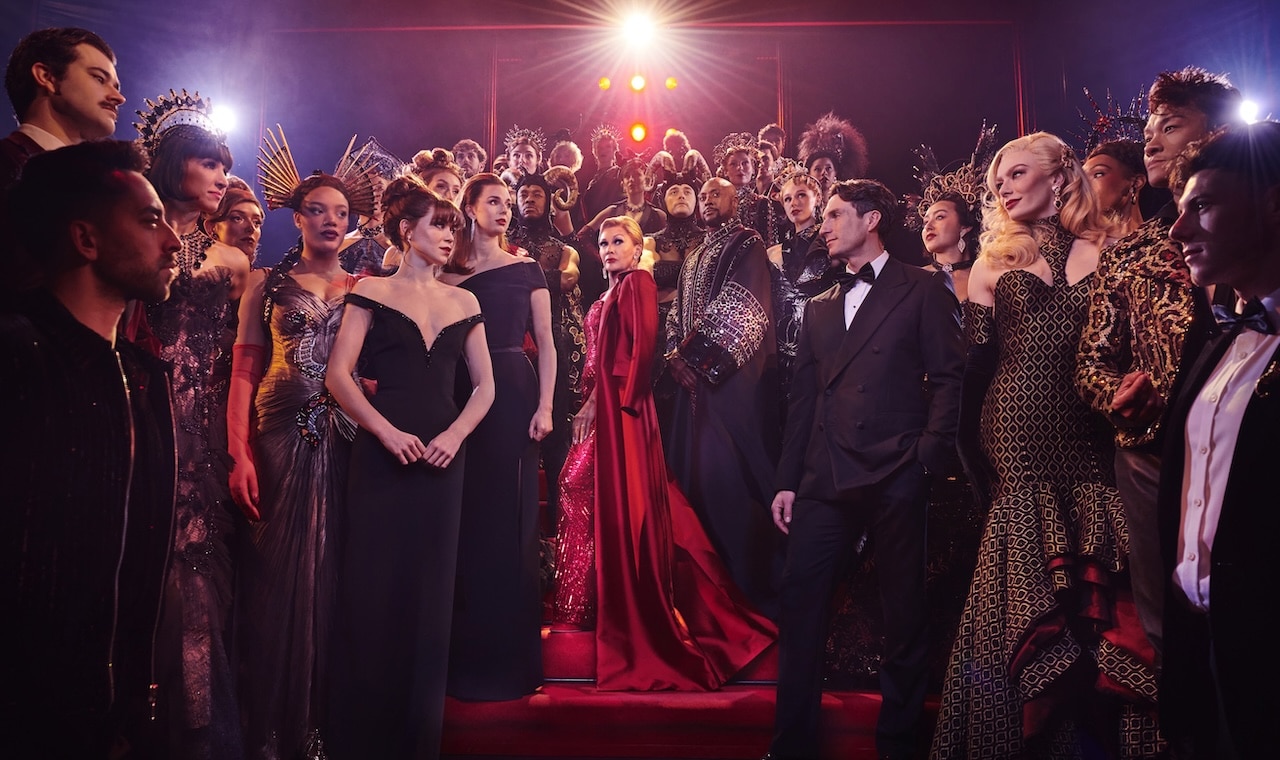
Vanessa Williams by Matt Crockett | Courtesy of West End
VW: I think it’s the difference between West End and Broadway. The show must go on on Broadway. There’s many times where you’re not feeling well, you throw up in a garbage bin, and then you go on and complete the scene, you just do it. I don’t know, it might be my age range, and what was expected of us all, to show up and do it, no matter what.
Here, you also have holidays and sick days that are already in your contract. You have to sign up for your holidays so it’s equally distributed and not too many people are off at the same time. We just don’t have that system in the States, so it’s definitely a luxury.
I think partly it was me not knowing that that was built in. And also it’s my own… I don’t want to say ego, but I know people particularly from the States pay money to come and see me in the show, and I don’t want to disappoint them. I feel a responsibility to show up, because I know many of the people that I’ve met backstage after or at the stage door say, ‘Oh, we flew in from Texas,’ or ‘We flew in from Philadelphia,’ ‘We’re here from California, just to see you’. That’s a big responsibility.
WB: The show positions beauty within the runway world as power and authority, but also explores the cost of that with Andy, her transformation and her sense of self. How do those themes resonate with you?
VW: Looking back at show business, you’re always making sacrifices, and at times, stifling what you really want and feel to adapt to whatever it is – the role, the director, the production, what the record company wants.
It’s an internal battle, always. That could be in life too; there’s always compromises. So, what do you stand for, what do you fight for, and what do you allow to be compromised?
WB: When you won Miss America, you faced criticism about you not being representative of ‘America’. Did you expect that back then? How do you deal with it?
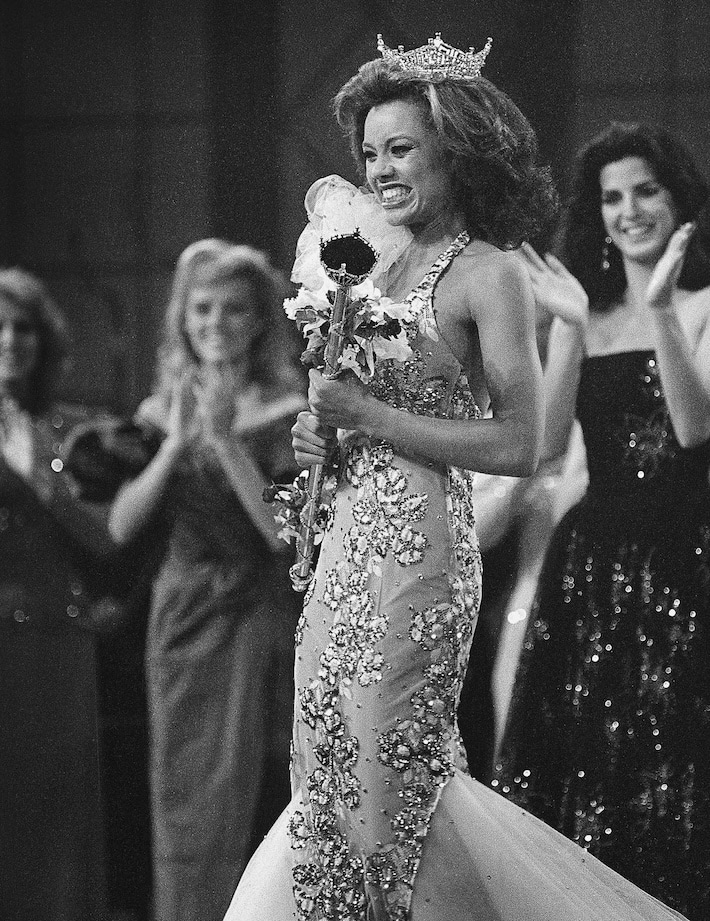
Miss America 1984 by Bettmann | Getty
VW: We’re talking 43 years ago, the world was different, so…
WB: We know people in pageants still face some of those same prejudices. But I think you said it was a bit more dangerous then than it is now. Did you feel that when you were going into that 40 years ago?
VW: I wrote a book about it – that’s a whole other danger. I wasn’t part of the pageant system. I won on a first time out for scholarship money. And there had never been another Black Miss America, so I was dealing with a completely different set of circumstances. It’s hard to wrap that up in one answer.
WB: Your song Save the Best for Last has become a classic. How does it feel that it still continues to resonate so widely today?
VW: I’m glad that it resonates. Jeez, how long ago was that? It was 1992. That is an example of good songwriting – when a melody is unforgettable and you can’t stop singing it, and the lyrics tell a story.
It’s a testament to great songwriting. I thank [songwriters] Phil Galdston, Wendy Waldman, Jon Lind, and Keith Thomas, who was producer. It was a magical combo of great writing and production. When it hits people, I think it’s a combination of all of that stuff. And I was lucky to be able to have it come across my path.
When you’re making music, you’re not saying ‘This is going to be a hit’ – well, I say ‘Let’s do the best we can and see’. I had no idea that it would have the legs that it does and I’m happy.
WB: Tell me about BOP! with Trixie Mattel and Lion Babe. How did that come about, and what was that experience like, working with your daughter?
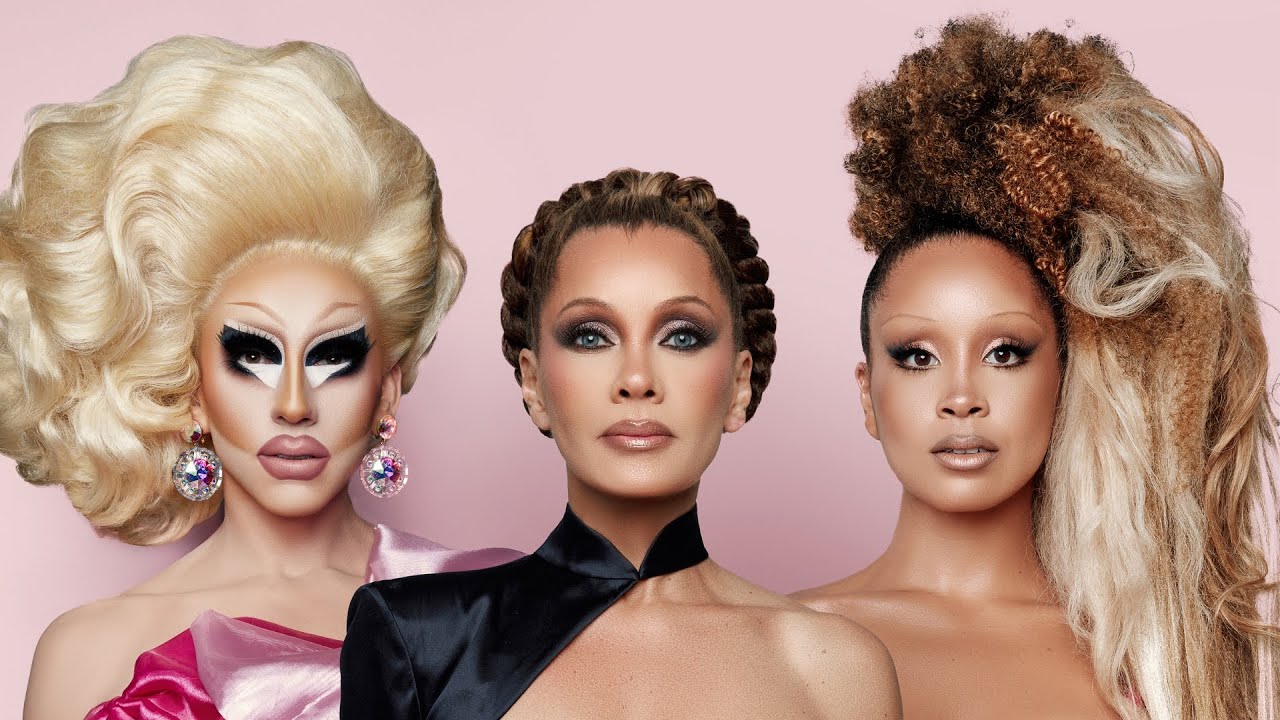
BOP! | Youtube
VW: My friend Kipper Jones – who wrote The Right Stuff and a bunch of other songs – that I’ve worked with forever, when we were in the studio figuring out what we’re going to do for the Survivor album, we did BOP!
Then I was flying out to LA to record another song called Legs, and Trixie was in town. I emailed her or texted her and just said, ‘We got this song, can you jump on it?’ She loved the song so we got her in the studio, mixed it. I sent it to Jillian, my daughter, and she and Lucas, her partner, and Lion Babe did a remix.
I loved it, and we said that’s going to be the single, as opposed to what we had originally recorded. It was in June of 2024, and that’s when we decided to do the video here in London, because I was in rehearsals for the show and she came to visit. We shot on my day off, on a Sunday. And then we did it for [UK music festival] Mighty Hoopla last June.
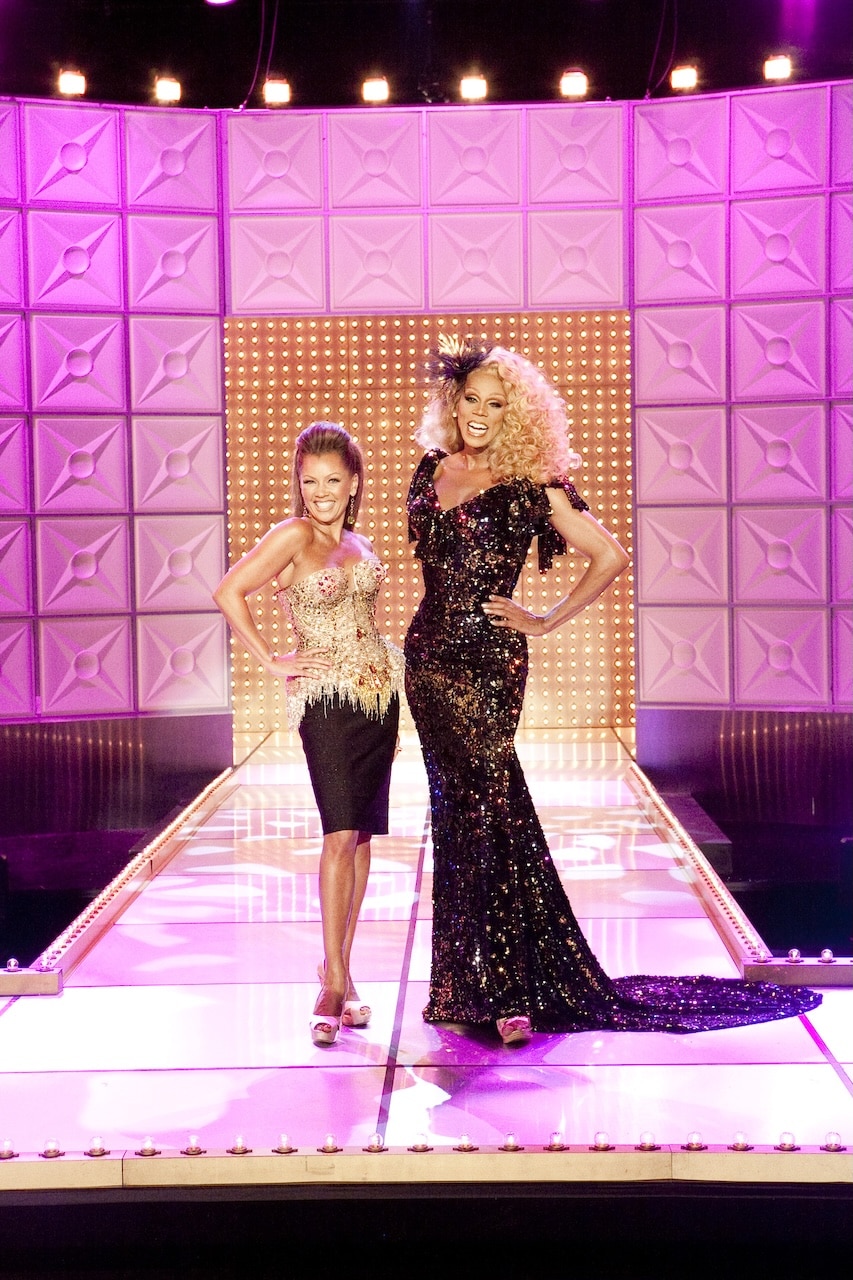
RuPaul's Drag Race | IMDb
WB: You’ve been a guest judge on RuPaul’s Drag Race, a judge on Queen of the Universe, and you brought drag queen Vanquisha De House to the stage too. Can you tell me about your relationship with the world of drag and how that all came about?
VW: I grew up in New York, and again, I’m 62 so you know, this world is not new to me. Ru had a talk show back in the ’90s with Michelle [Visage], so I’ve known him for years, and then when he started doing TV shows out in LA. There’s no instance where I’m like, ‘Oh my god, this is the world of drag.’ I’m just happy that it became part of the pop culture zeitgeist, and main popular media.
WB: I guess there’s also a crossover with drag and pageants, in the way Drag Race is almost pageantry in the performances, and the beauty. Have you made that connection?
VW: No, I had not, so thank you for that. To me, it’s show business. Obviously they’re putting on a TV show, so there’s production value – you know, dressing up for the audience – and I’m thinking of all the contestants that are trying to win and lip sync for their lives. I see it more as a reality show – which it is, it’s reality.
Because that’s what they kept winning for, a reality show. You’ve got the behind-the-scenes backstage, getting into their lives, their conflicts and all that stuff, and then the performance is putting on the show.
I know what it’s like to get dressed up and perform for an audience, so that’s kind of how I see it.
WB: You’re icon for LGBTQ+ audiences. Is that something you became aware of at some point in time? And how do you feel about being an LGBTQ+ icon?
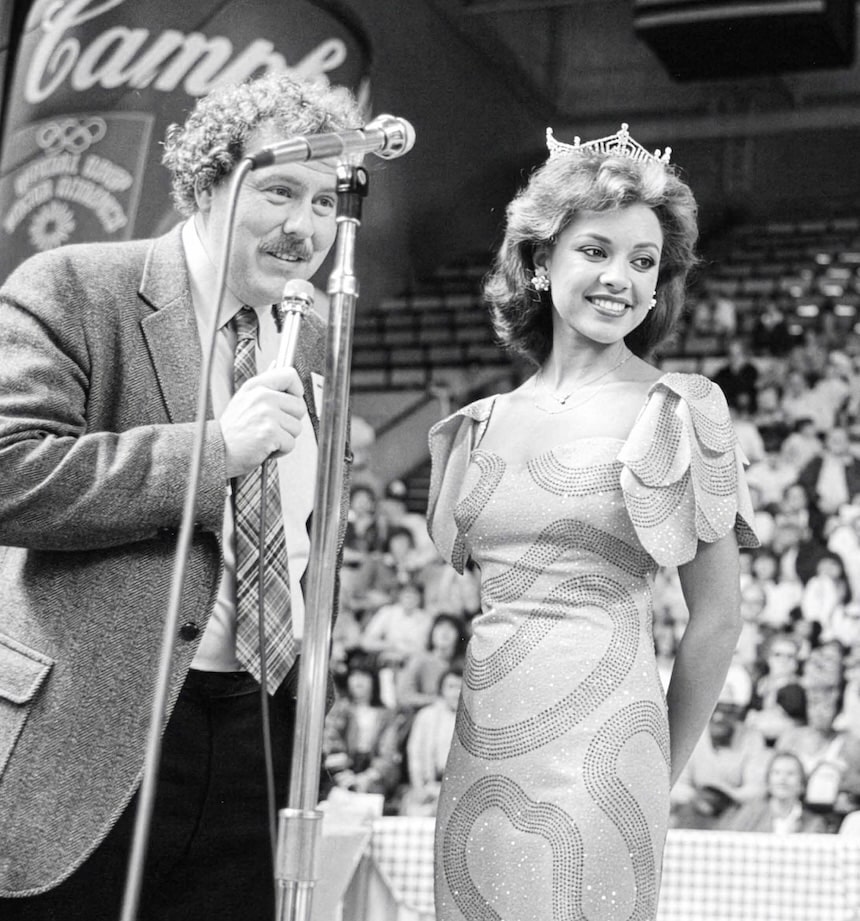
Vanessa Williams, Miss America 1984 by GYSEMBERGH Benoit | Getty
VW: I think it’s time, it is! When I was growing up as a dancer and singer, being in theater, and my whole life, I had plenty of gay friends in high school and college.
My mom had a ton of gay friends, so being a part, being accepting, understanding the struggles and friendships of the LGBTQ+ world, being amongst it was not, ‘Oh my gosh, I am part of this world’ – it was always part of my world. I guess being an icon is something that you work up to after years of showing up, having friendships, and living through the AIDS epidemic.
I mean, I had five people from my wedding who died from AIDS, so I’ve been in the hospitals. I’ve held hands, I’ve seen friends lose their lives, and the business lose incredible talents. So, I’m talking about perspective, and about living among amazing people who have all died because of AIDS.
So if being an icon means I’ve done the work, I’ve had the friendships, and I’ve stood up for rights, then I’m happy to bear witness and be a voice.
WB: You’ve conquered movies, theater and music. Is there anything outside those crafts you’d like to explore? What’s in the pipeline?
VW: I’ve definitely dipped in more to a producer role. I’ve produced for TV, movies in the past, and more recently, Broadway shows. I did A Wonderful World: The Louis Armstrong Musical as a producer. Right now we’ve got on Broadway Two Strangers (Carry a Cake Across New York). Joe Turner’s Come and Gone is a play that’s going to be premiering with Cedric the Entertainer and Taraji P Henson – so I have interest and money in that.
But what I love is getting a chance to creatively produce, bring in people that make a team great. Now when I go to the theater, I’ve got a different set of eyes – is this workable? Who needs to come in to help solve this problem? That’s besides starring in things that really appeal to me, which is the production aspect of it – to make things happen and make them better.
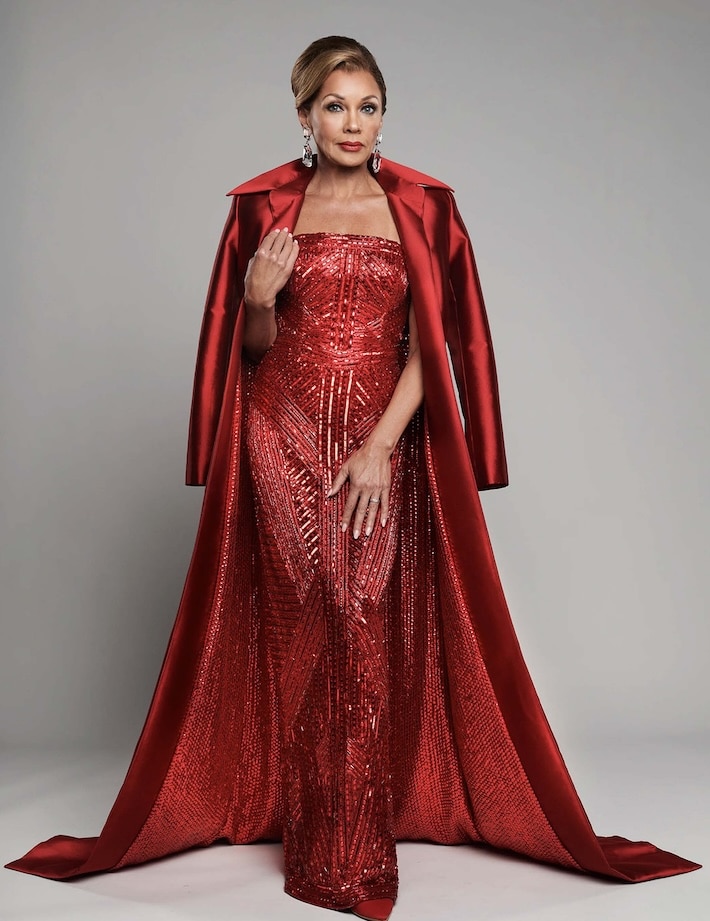
Courtesy of Pamella Roland
QUICK FIRE
WEST END OR BROADWAY?
Broadway was my beginning. So, I would say Broadway, because I’m a New Yorker, and that was my dream since I was a kid. But I’ve been loving the West End too, so I appreciate it all.
OPENING NIGHT OR PREMIERE?
Opening night.
HEELS OR FLATS?
I would have to say heels – even though flats are very comfortable, heels make an impact.
PRE-SHOW RITUALS
I always play music. I can’t light a candle all the time, but I would normally come in, light a candle then put on the music and do my own makeup.
ONE SONG THAT ALWAYS LIFTS YOUR MOOD
Frankie Beverly & Maze, Before I Let Go.
THE ROLE THAT CHANGED EVERYTHING
Kiss of the Spider Woman, 1994 on Broadway.
FAVORITE MUSICAL THEATER ICON?
As a creator, Stephen Sondheim. As a star, Chita Rivera.
EMILY OR BETTY?
Betty.
PERFECT DAY?
By the water, with all my family, including my dog, all my kids and my grandson.
BEVERAGE OF CHOICE?
Depends on the season. In winter, maybe a nice old fashioned. Summertime, it all depends. If I’m in Brazil, it’s a caipirinha. Italy, it’s a negroni.
DREAM COLLABORATOR YOU HAVE AND HAVEN’T WORKED WITH?
Probably Stephen Sondheim. When I did Into the Woods in 2002, he wrote additional lyrics for me as The Witch. That was a dream come true. Who I haven’t worked with… probably Pharrell. I mean, he’s such an amazing talent across the board, and I’m so happy for his success.
FAVORITE CITY TO PERFORM IN?
Probably New York, just because I’m a hometown girl, and so I not only get a chance to have an audience that knows me, but also my family and my friends always show up.
SOME GREAT ADVICE YOU’VE RECEIVED?
I did a thing for L’Oreal, and I think it was Jane Fonda who was like, ‘Follow your skill set.’ Like, what are you good at? Start from there, you never know where it’ll take you, no matter what field you want to be in.
FAVORITE SONG OF YOURS TO PERFORM?
Probably Work to Do, because it’s a great anthem. It’s uptempo, great groove. The Isley Brothers are the originators, and it crossed all boundaries. People always love to groove to that song.
FASHION ITEM YOU COULD NEVER GIVE UP?
Probably a really good cashmere scarf. Whether it’s wintertime or you’re by the seashore, you always need a nice scarf to complete an outfit. But also, if you’re getting chilly, it’s great to wrap around your shoulders. Great to wrap around your neck. I always have one, especially as a singer.
NEVER LEAVE THE HOUSE WITHOUT…
At this point, it’s my phone and my glasses, because I can’t read anything now without my reading glasses.
GUILTY PLEASURE?
Reality TV. I watch Masked all the time. And The Real Housewives of Beverly Hills.
A ROLE YOU WOULD LOVE TO PLAY
It used to be Anita in West Side Story, but that was years ago. So I don’t know; maybe it’s not written yet.
FAVORITE COSTUME YOU’VE WORN?
What do I put on that is just spectacular? My Gala look in The Devil Wears Prada, by Pamella Roland.
FAVORITE FLAVOR OF SORBET?
Ginger sorbet?
Related Interview, Culture


- Fashion
- 5 Min Read
WILLY CHAVARRIA MAKES HIS MIDDLE EAST DEBUT AT HARVEY NICHOLS – DUBAI
January 15, 2026