Written By: Amanda Smith

In this era of fast fashion and information overload, extreme exclusivity and ultra-privacy distinguishes the elite looking to drop $100,000 on their next dress...

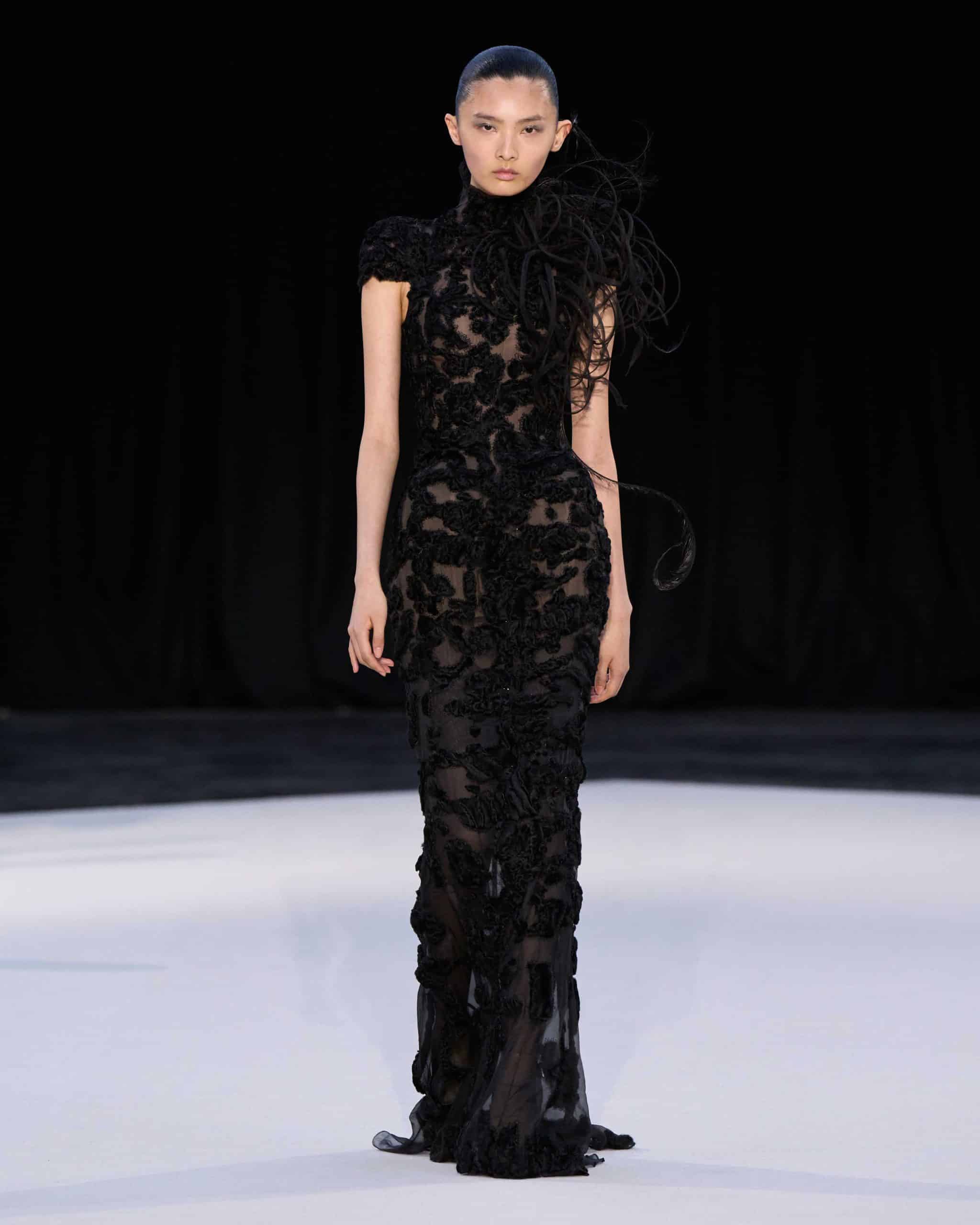
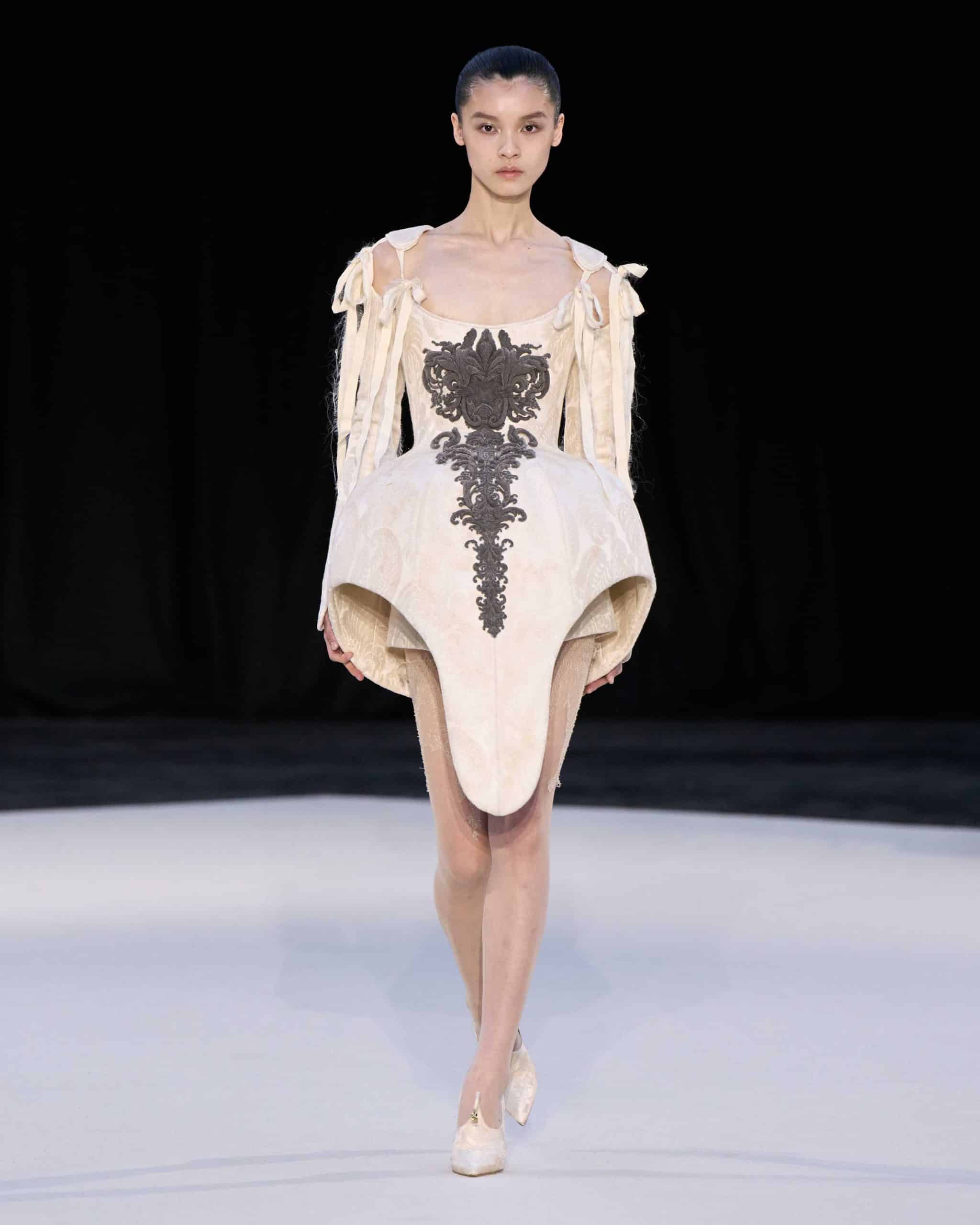
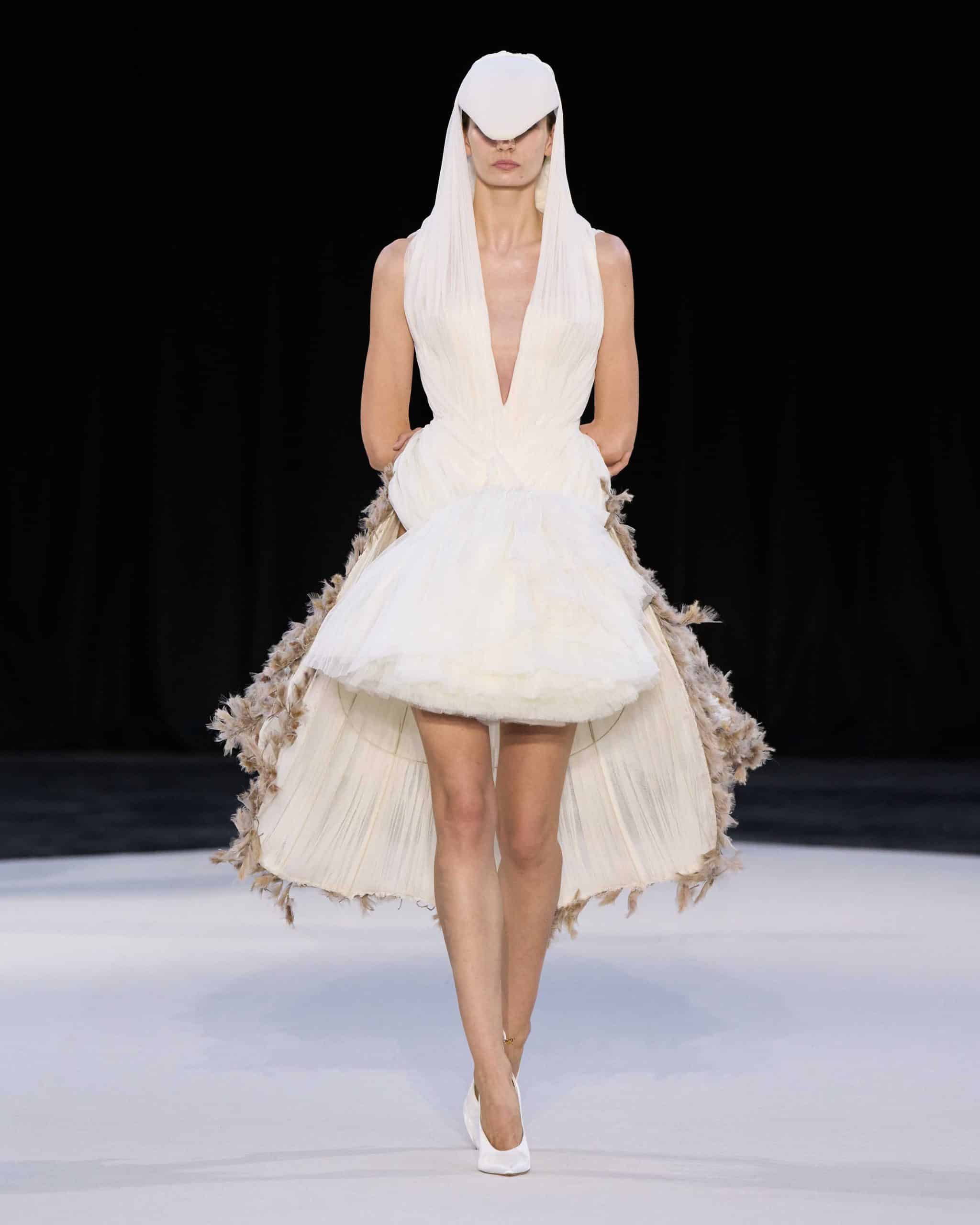
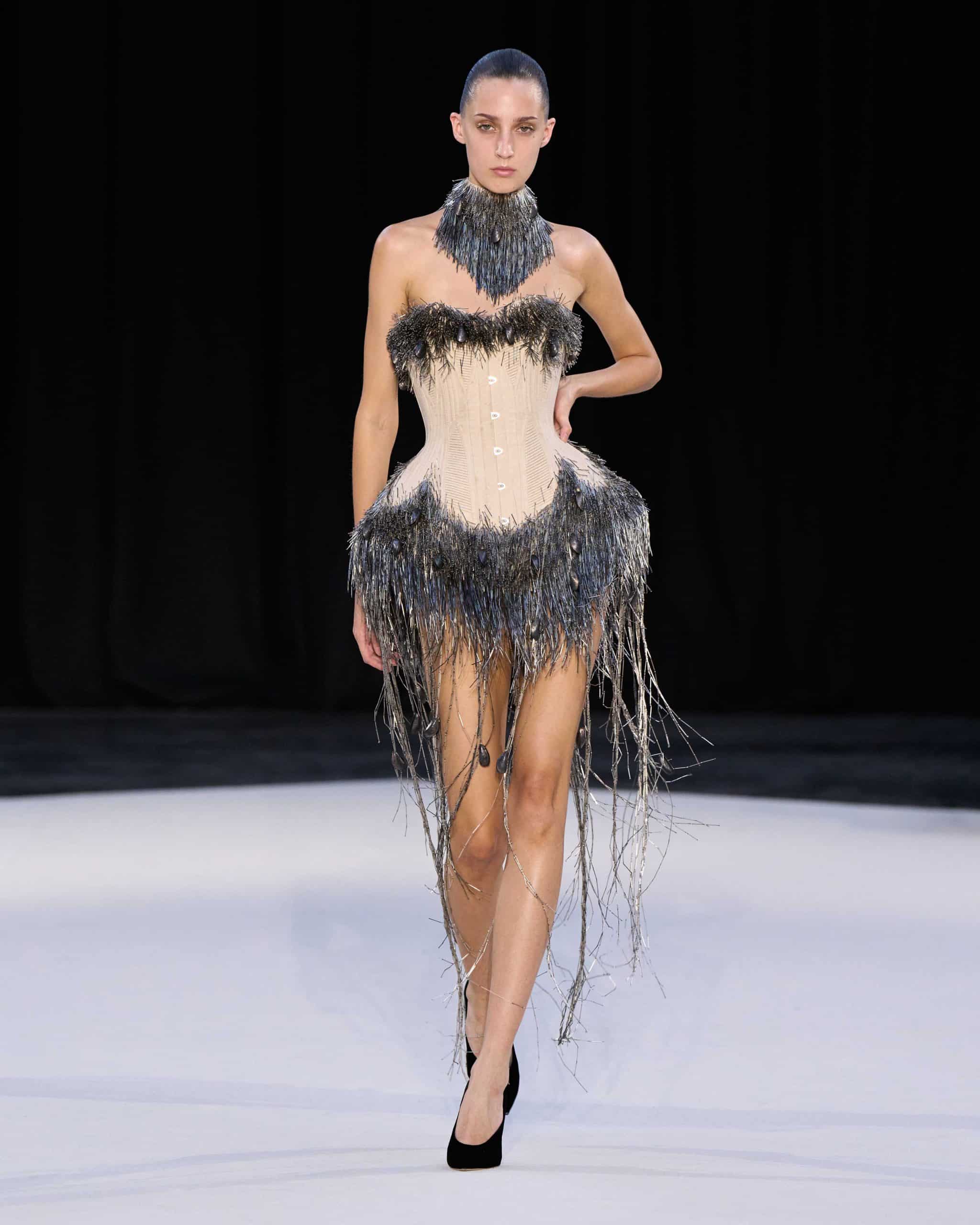
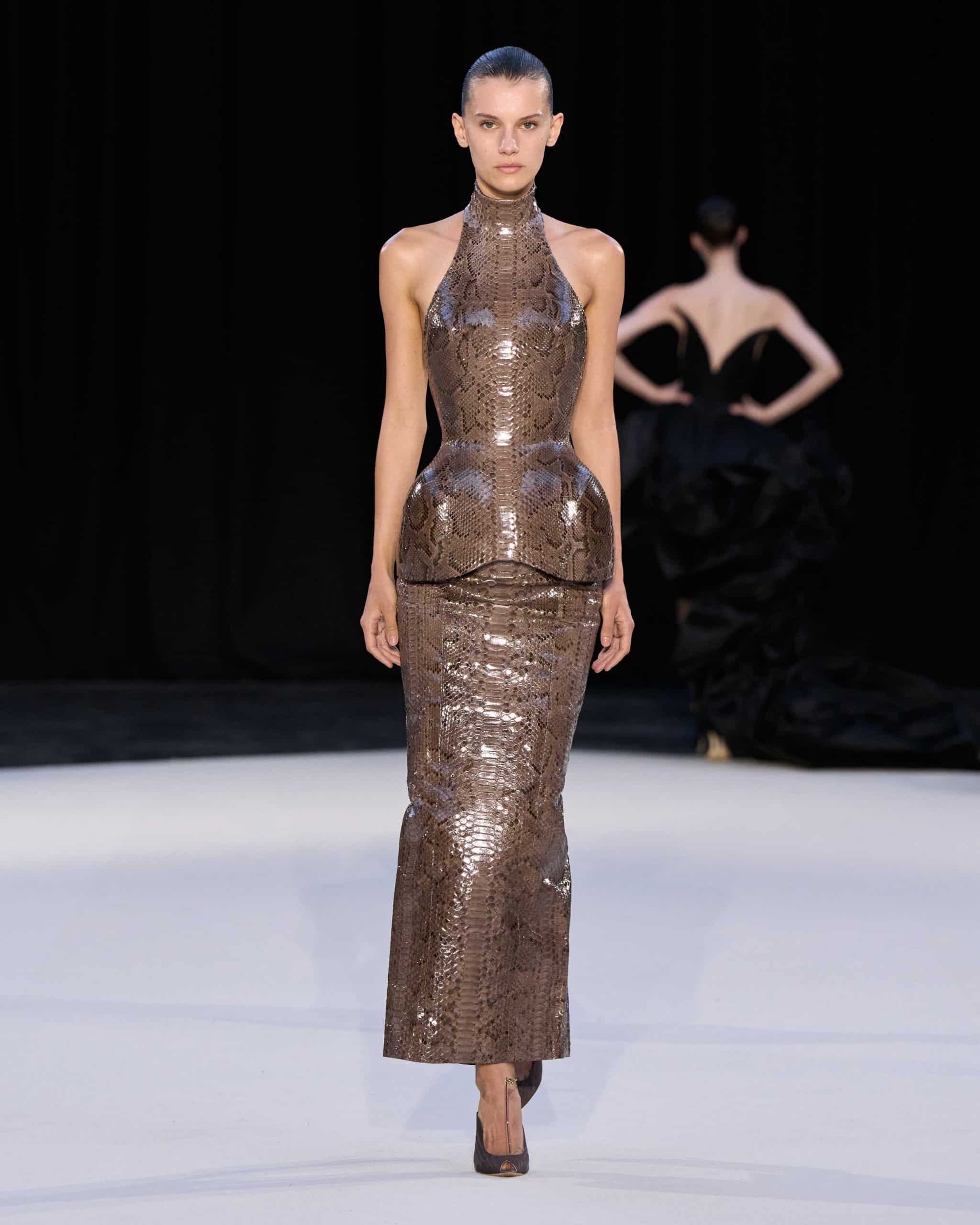
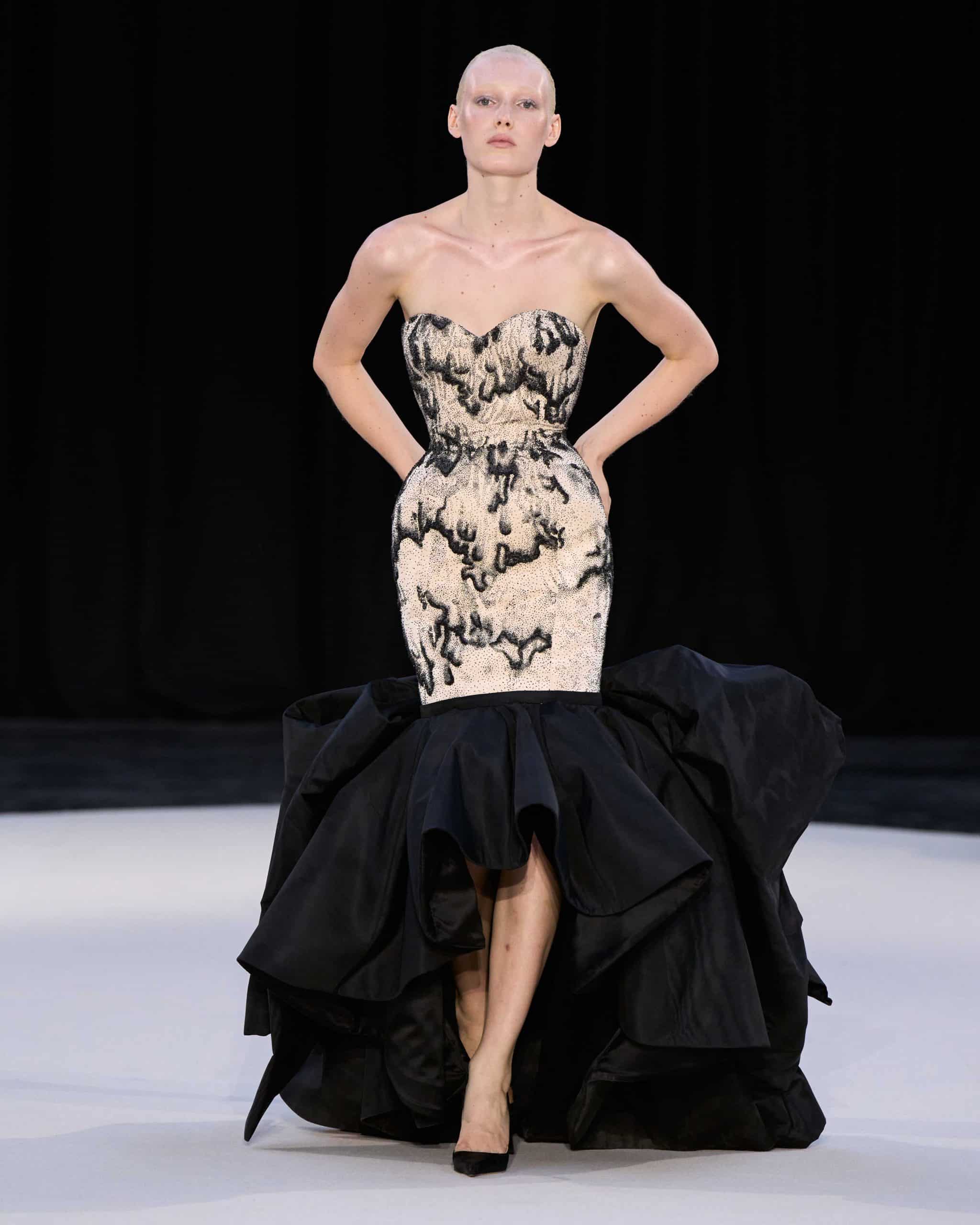
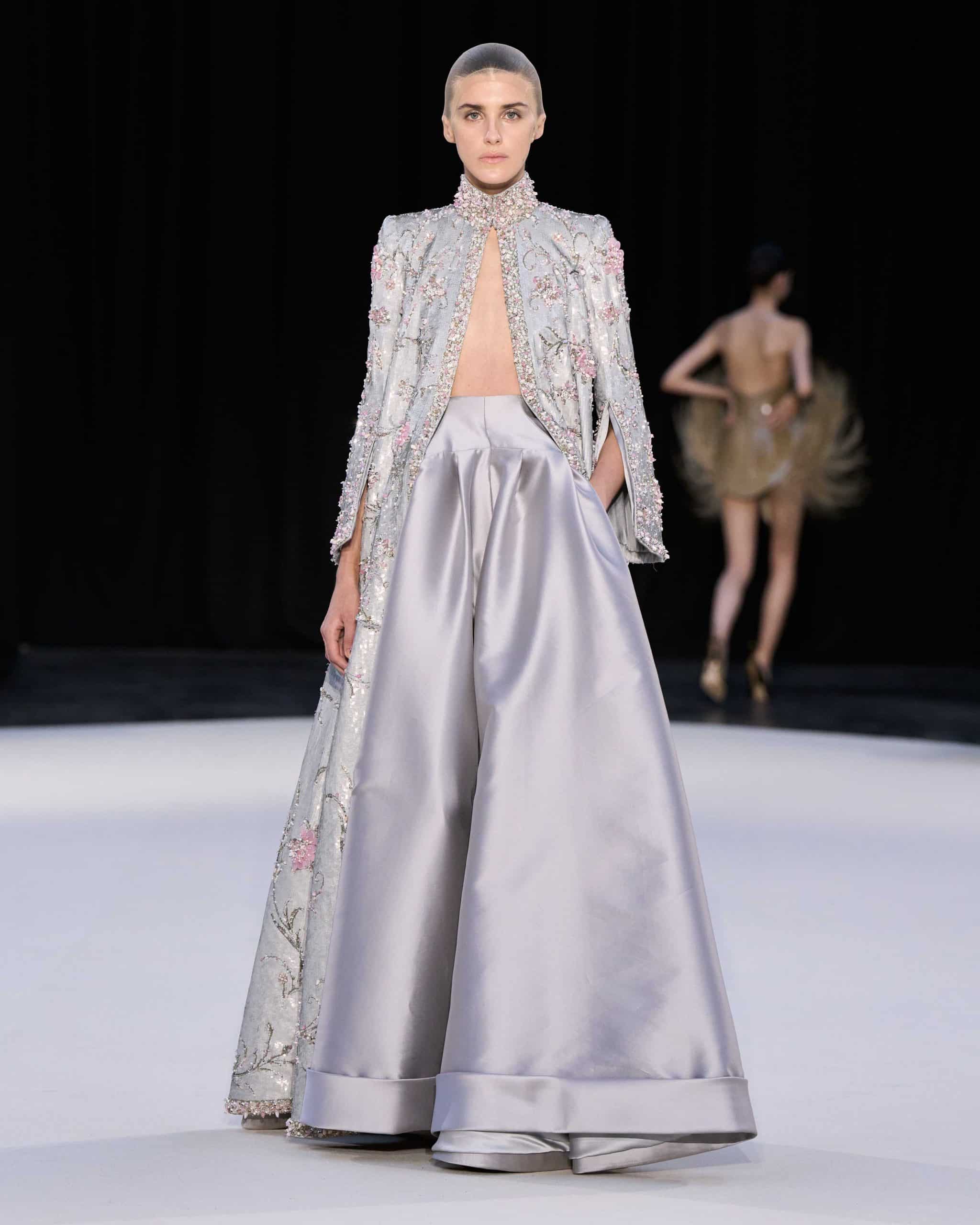
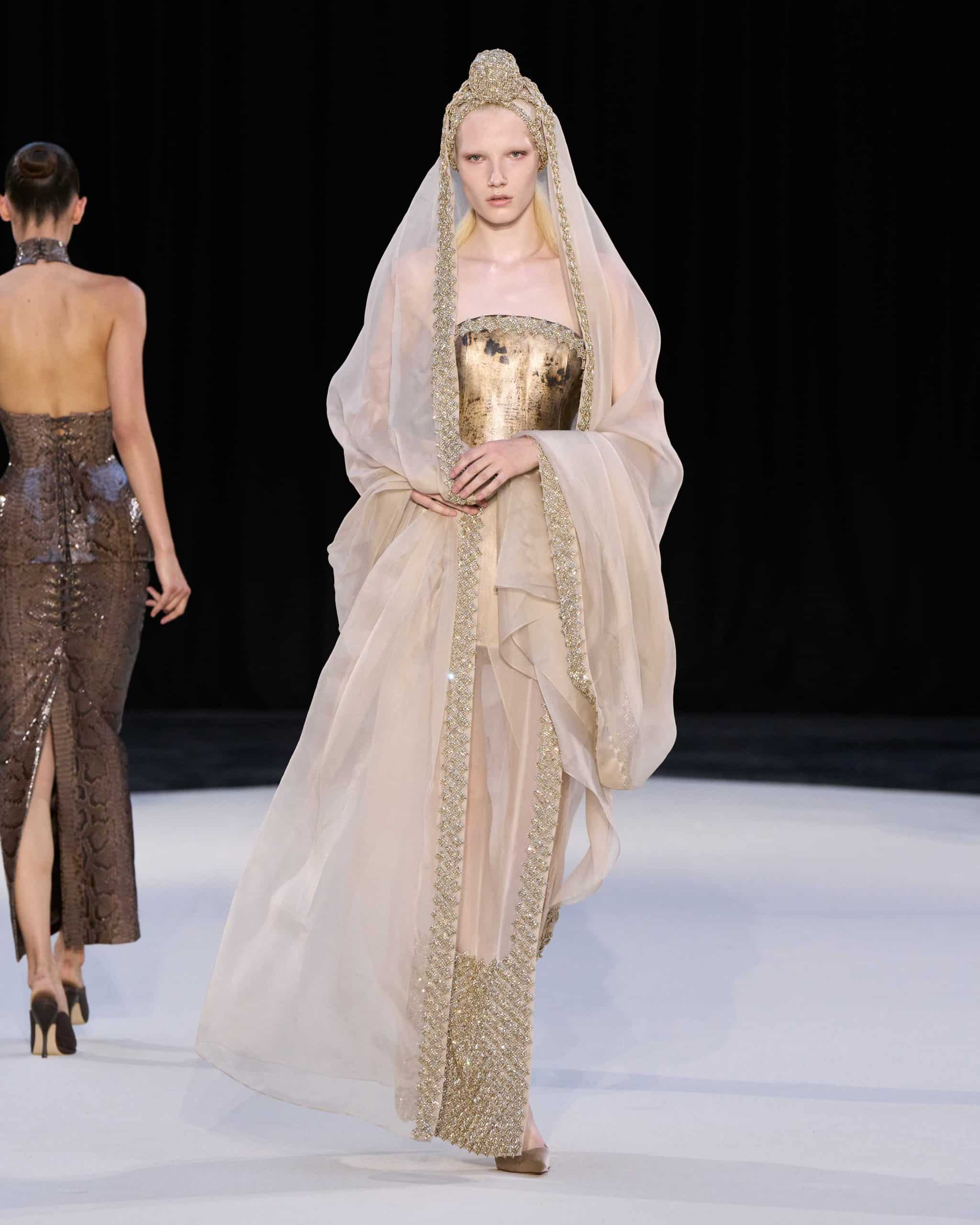
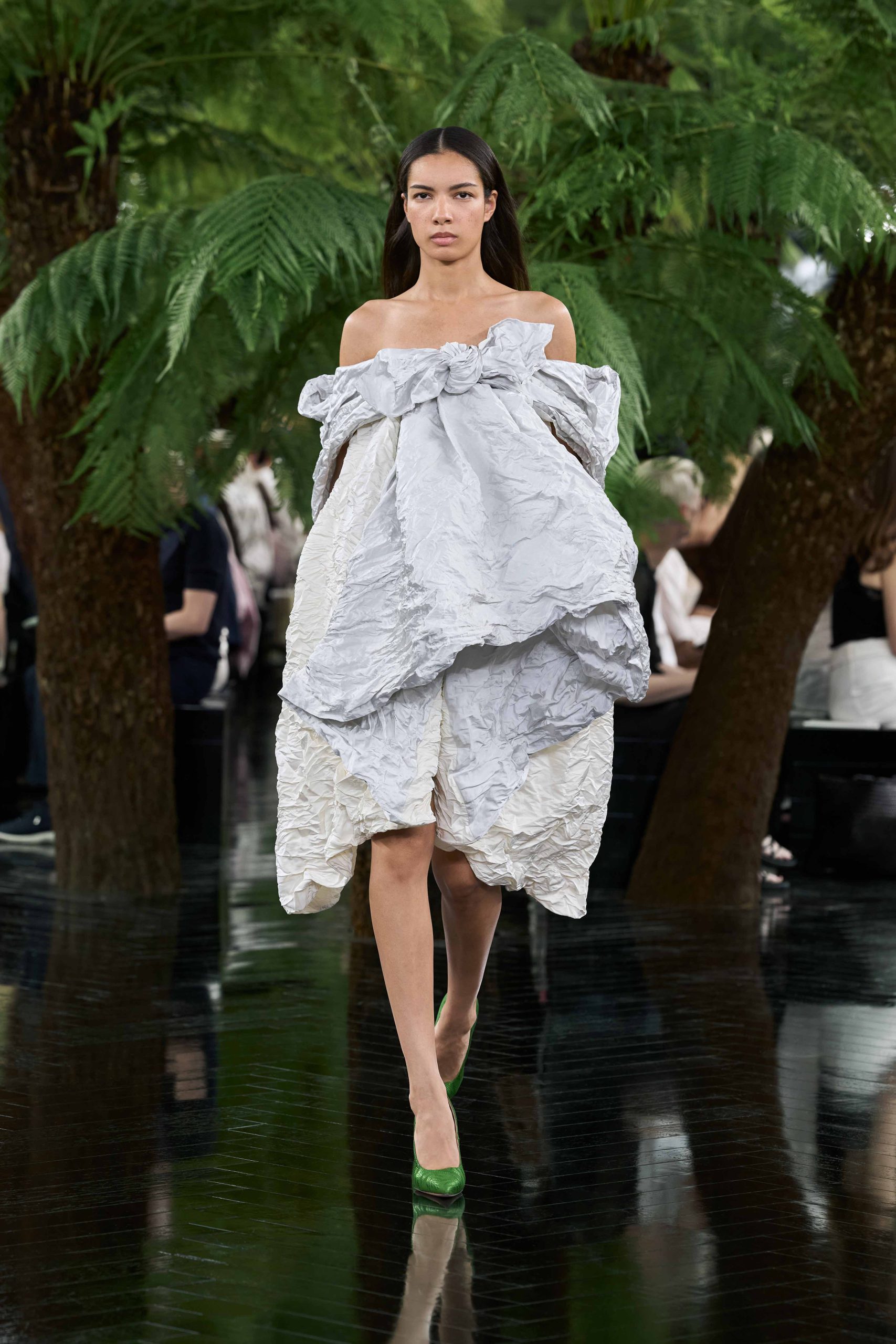
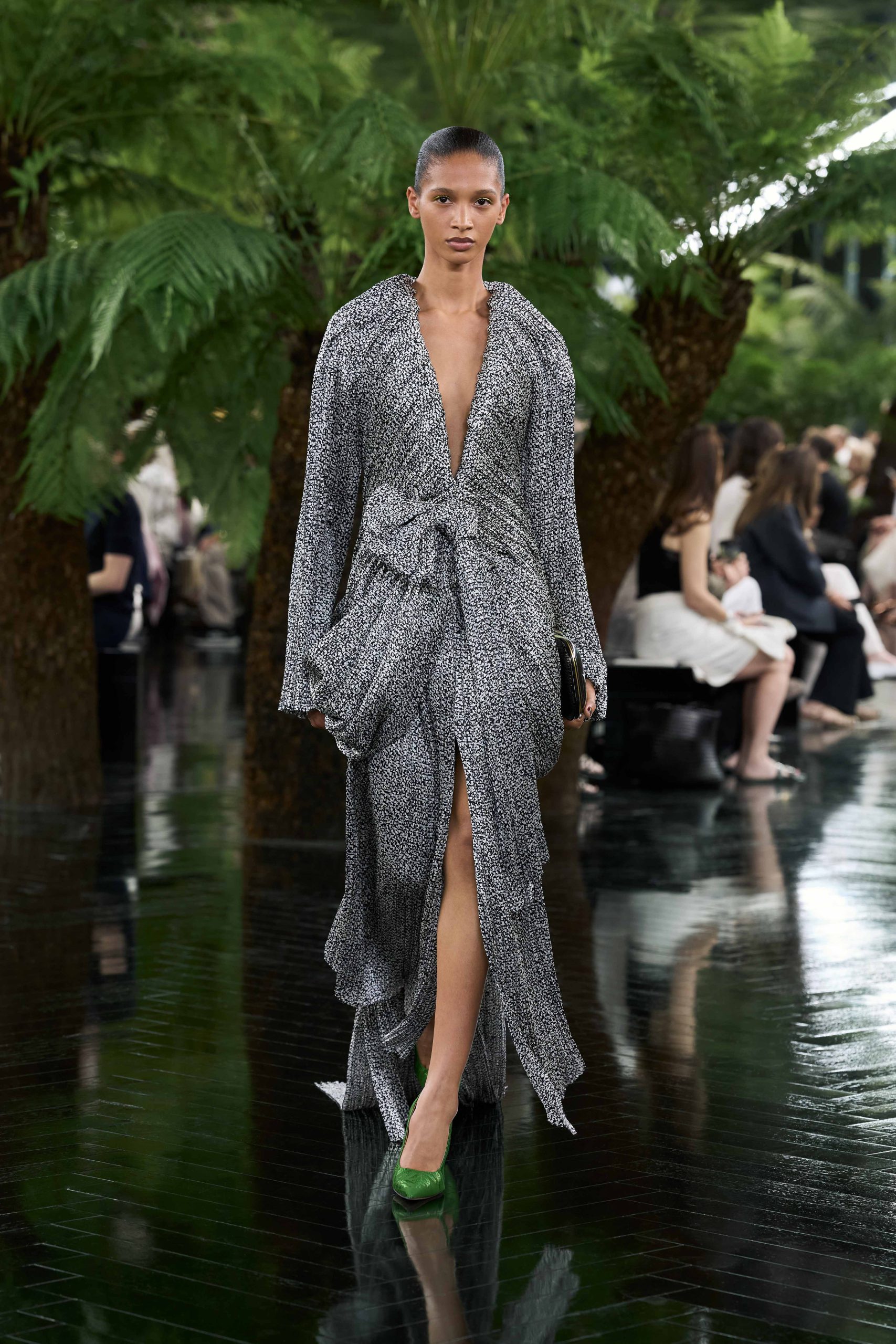
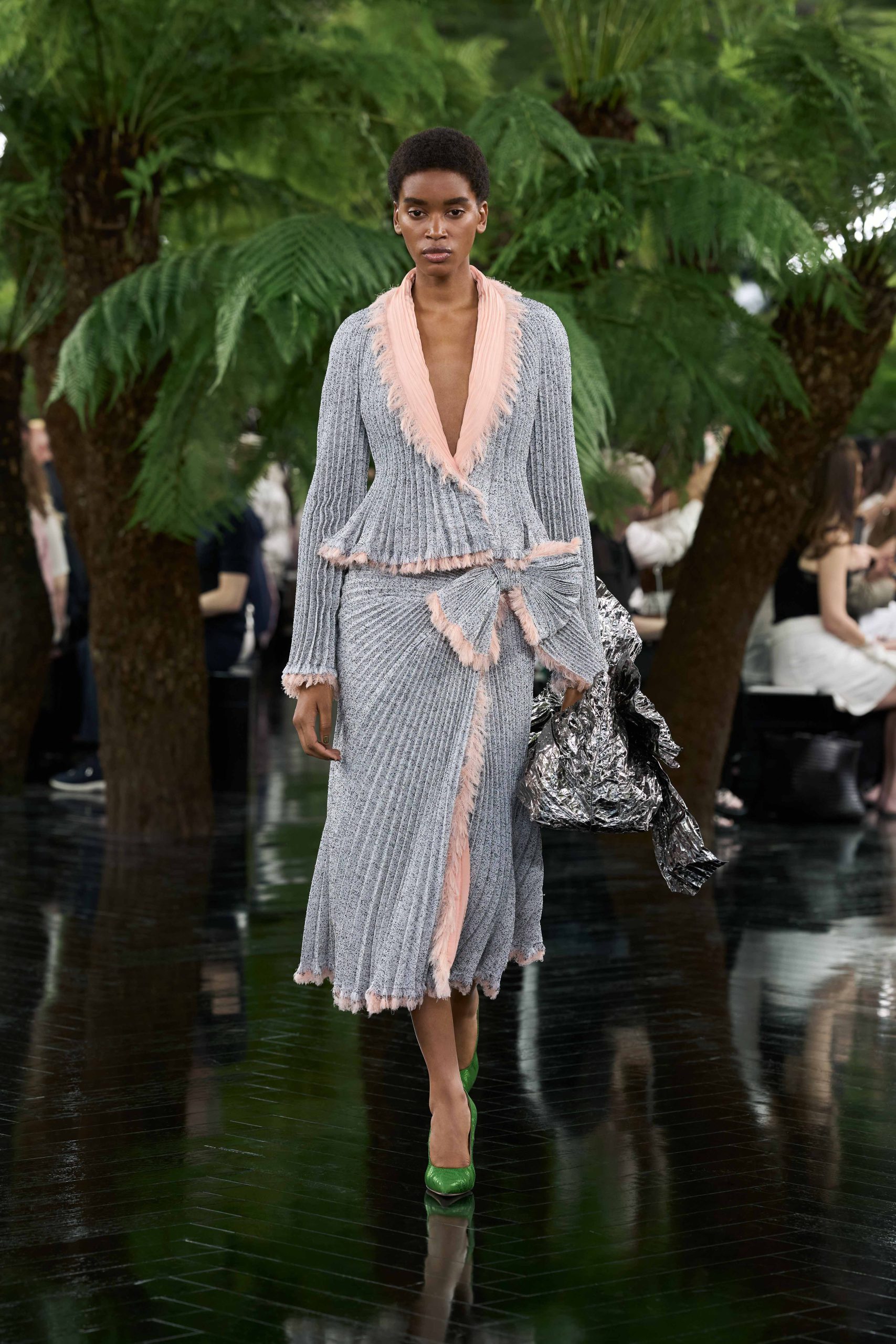
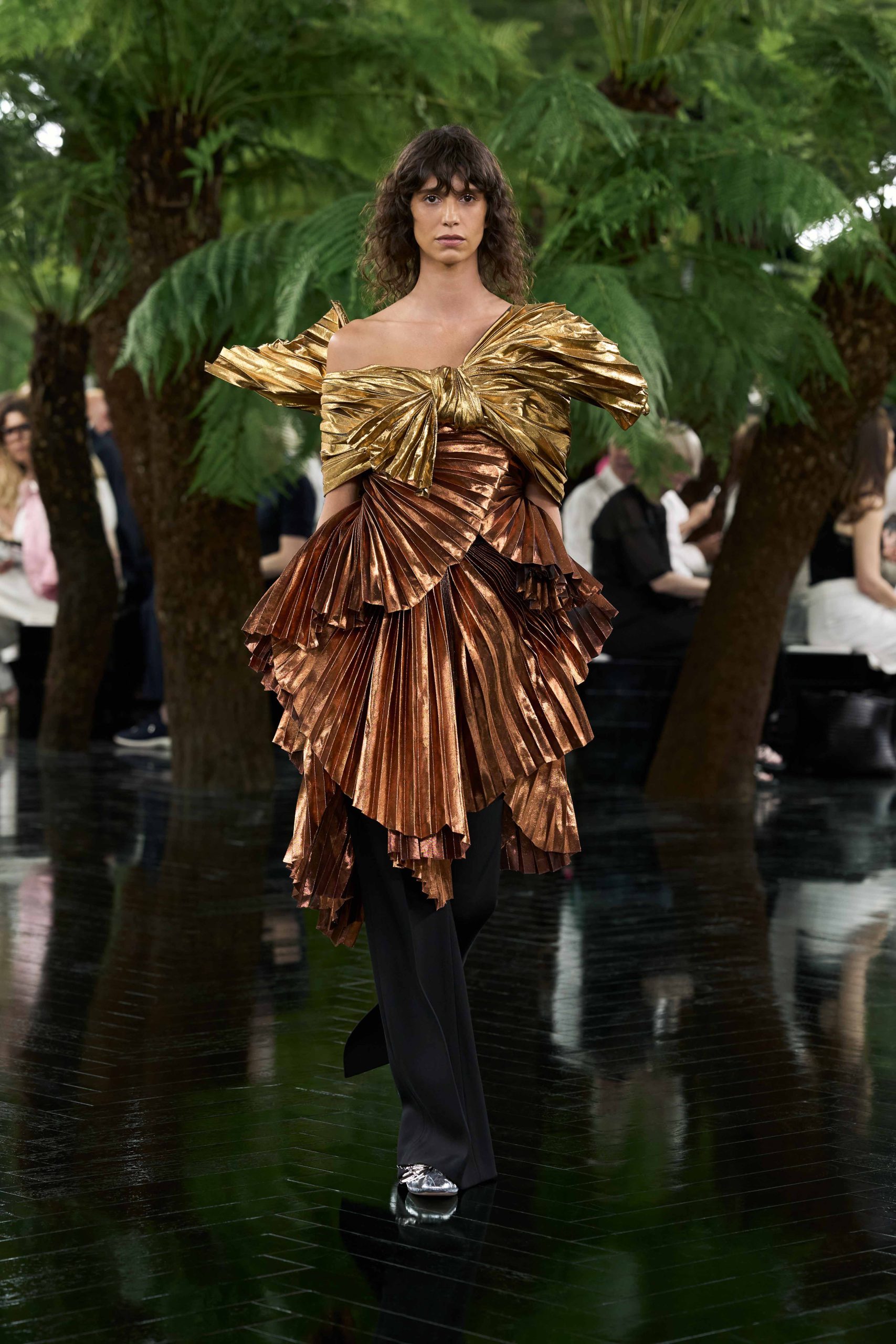
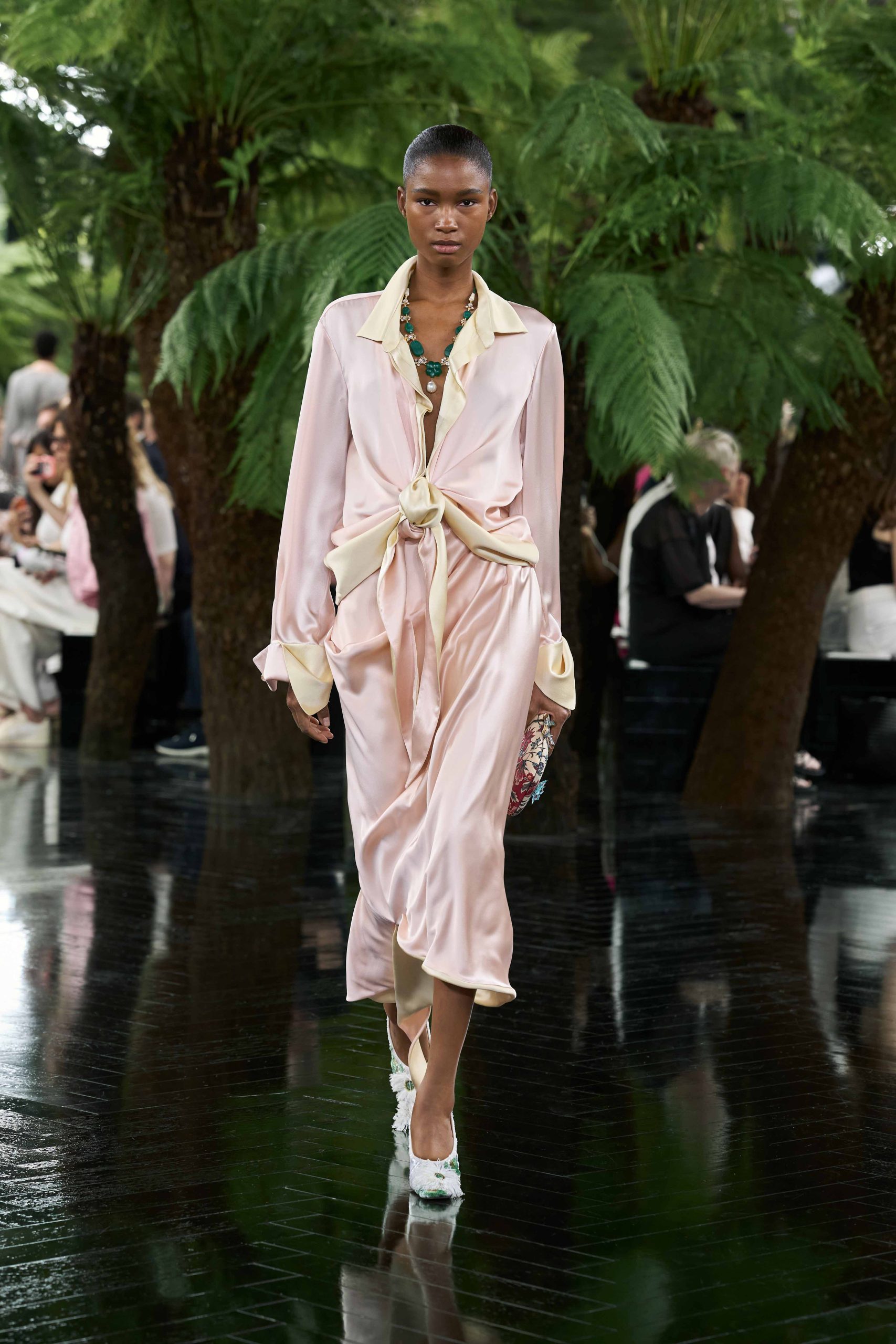
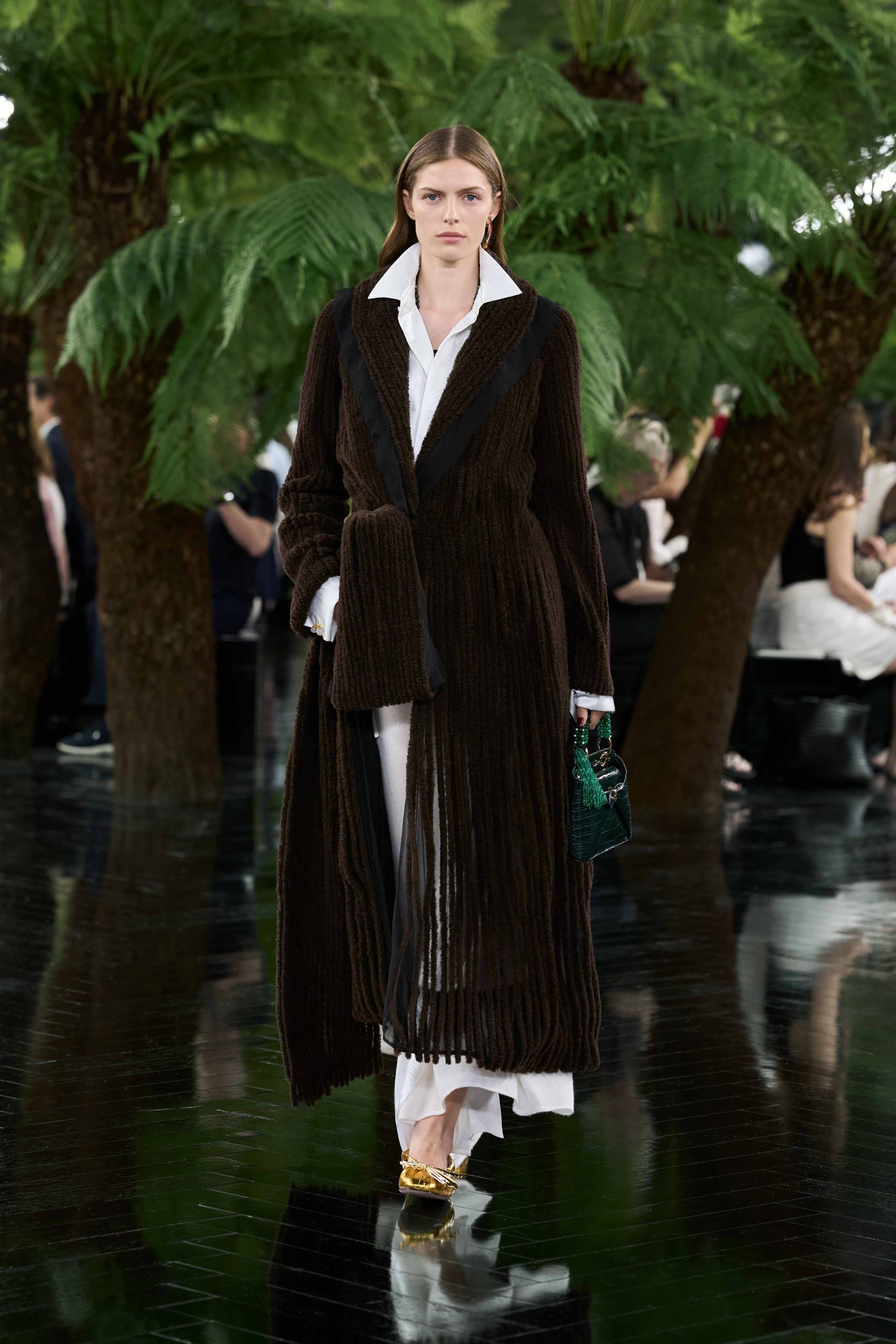
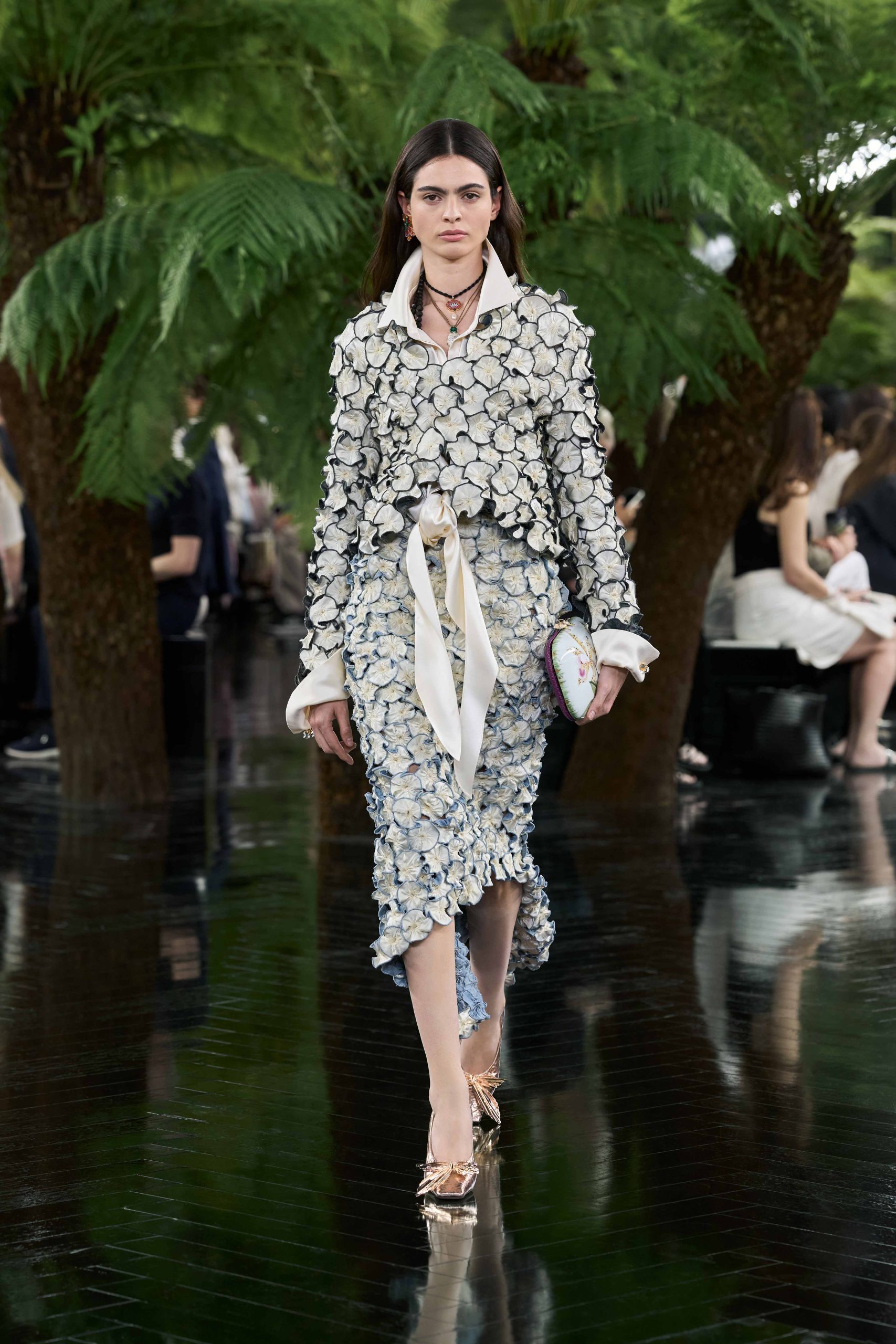
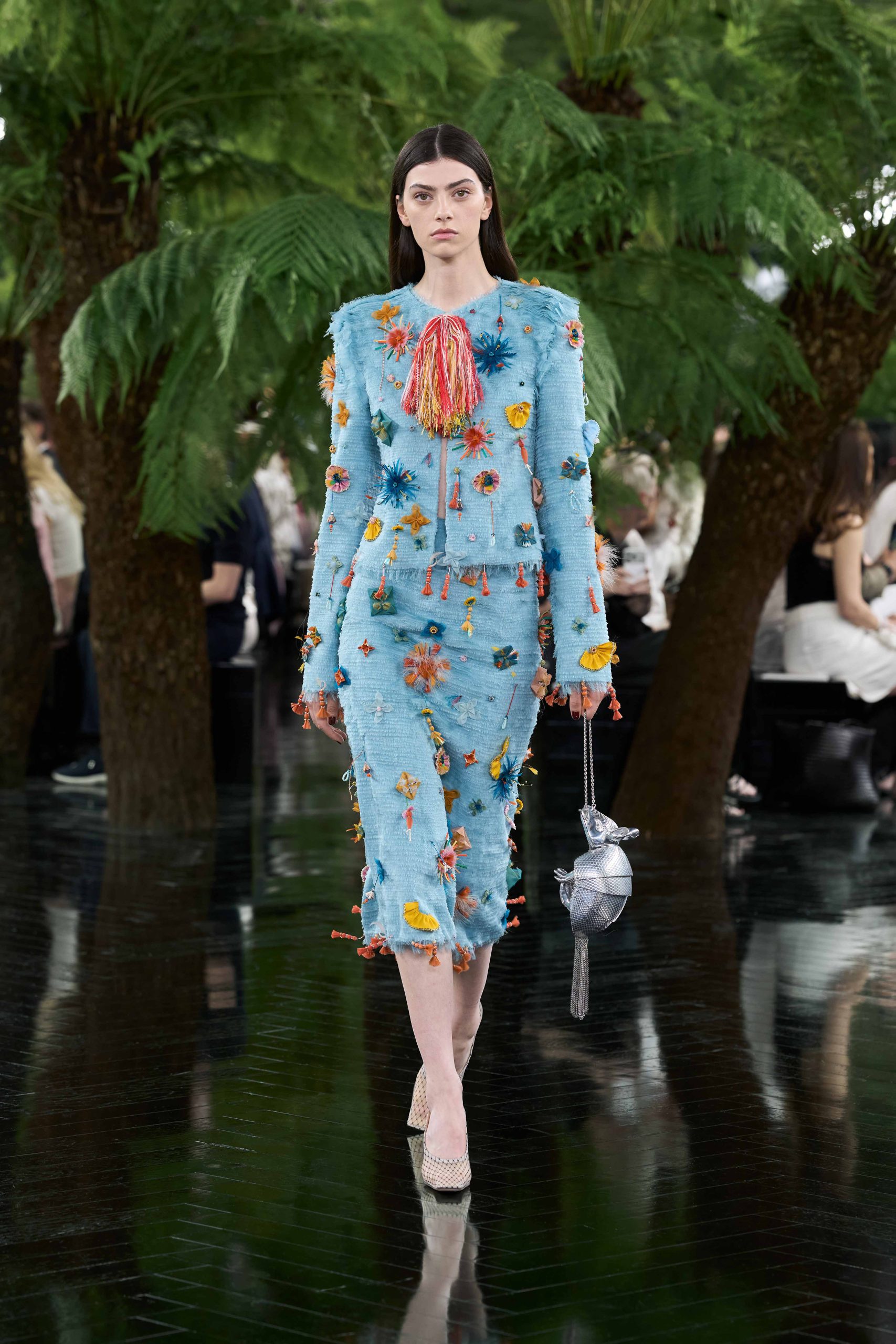
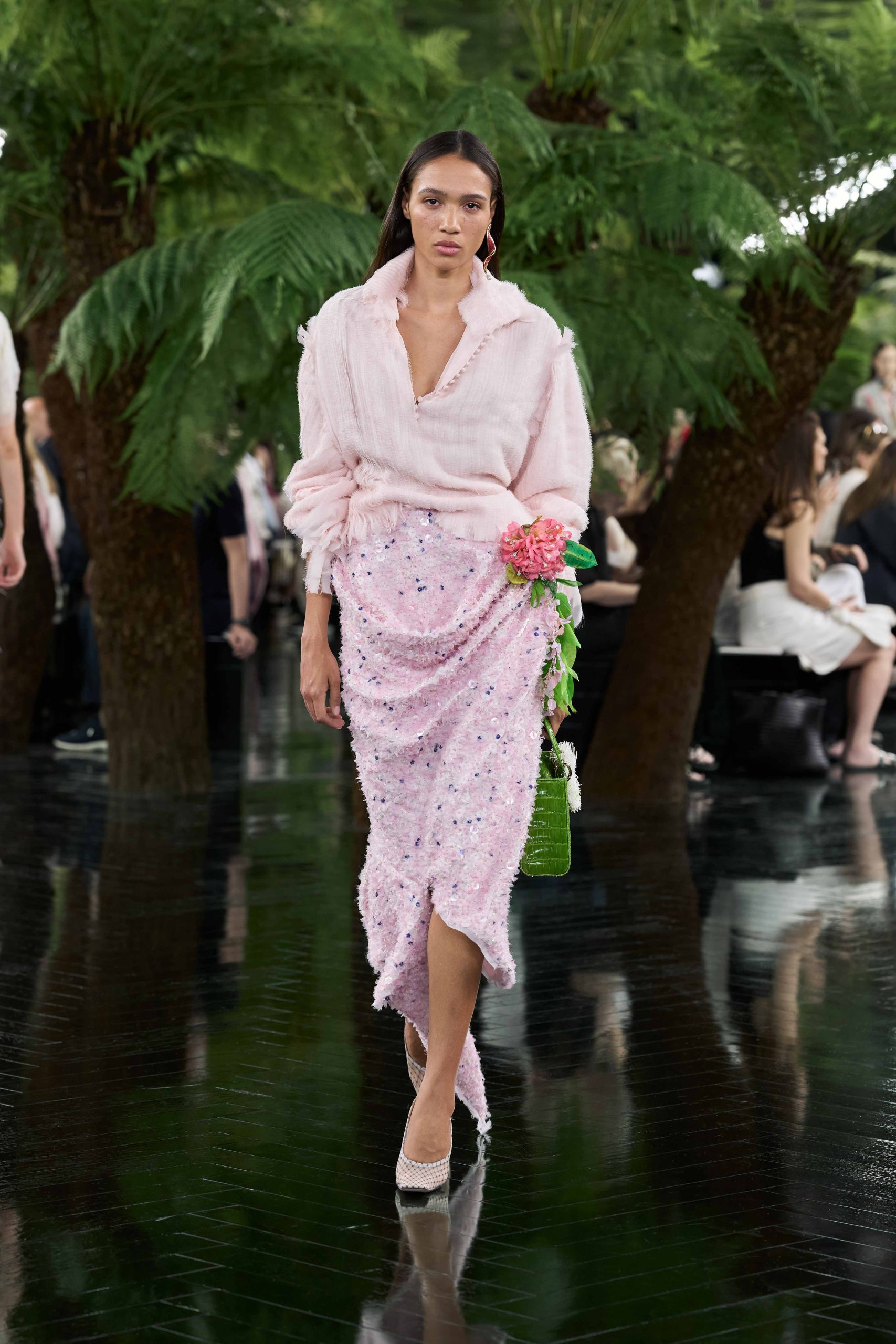
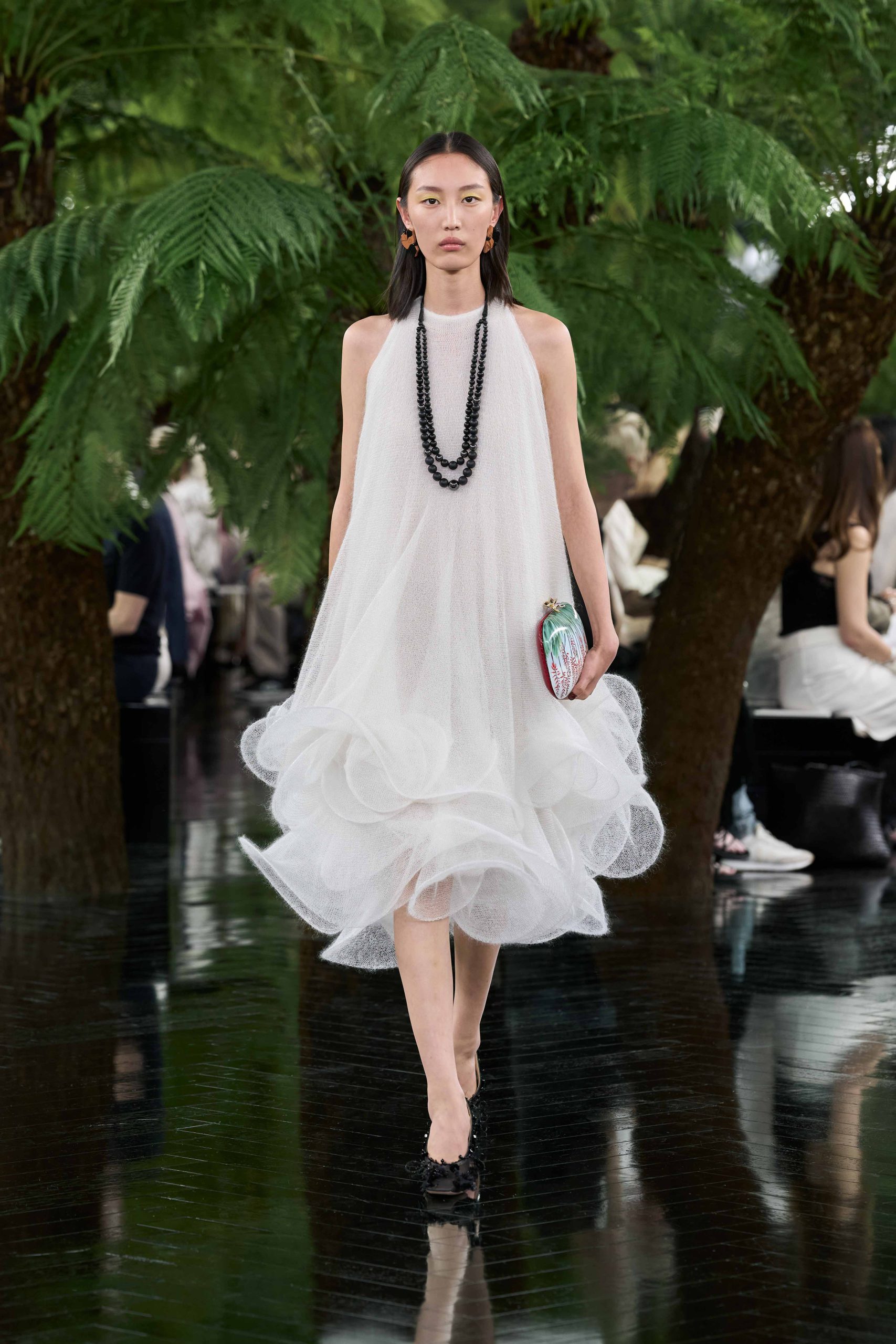
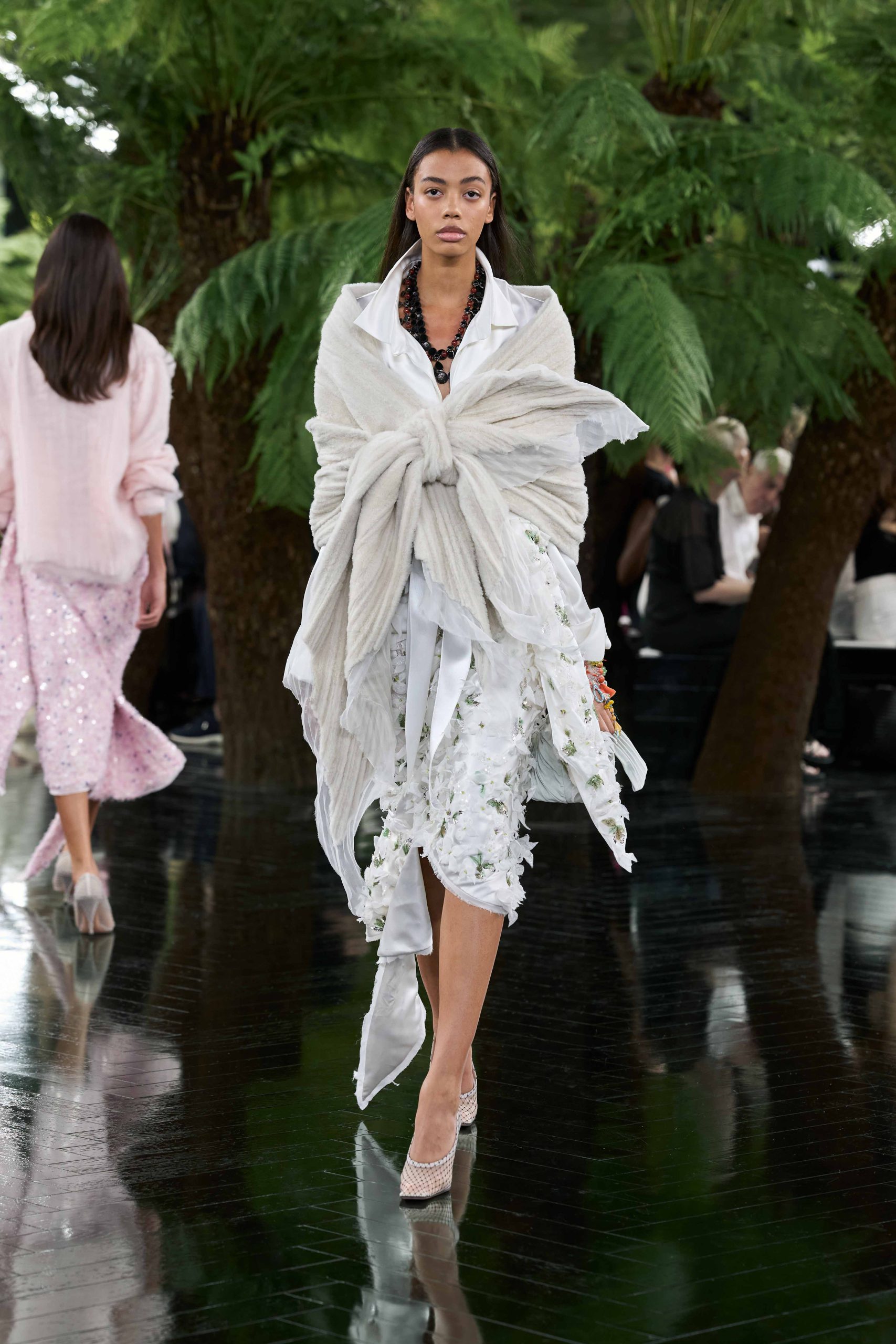
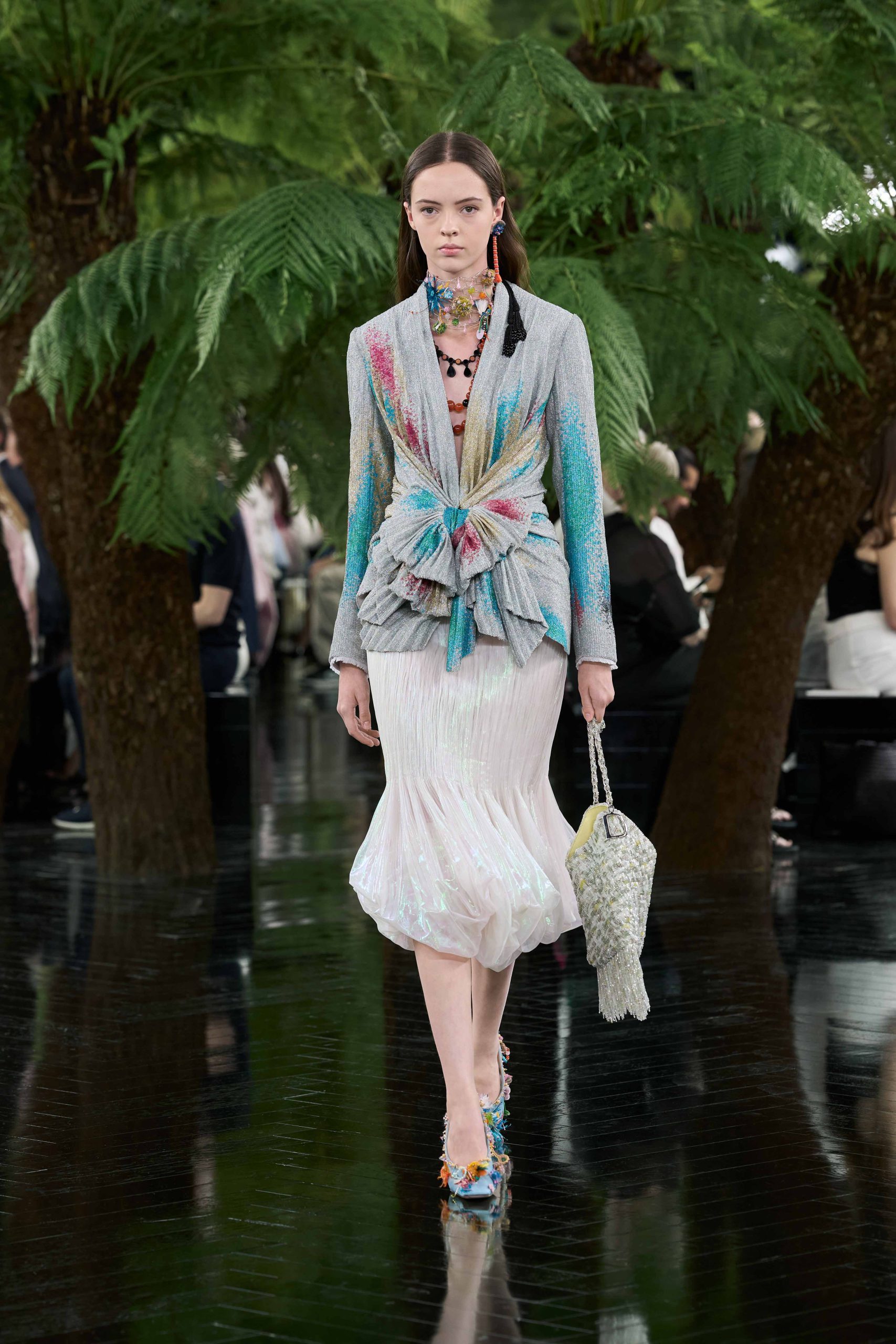
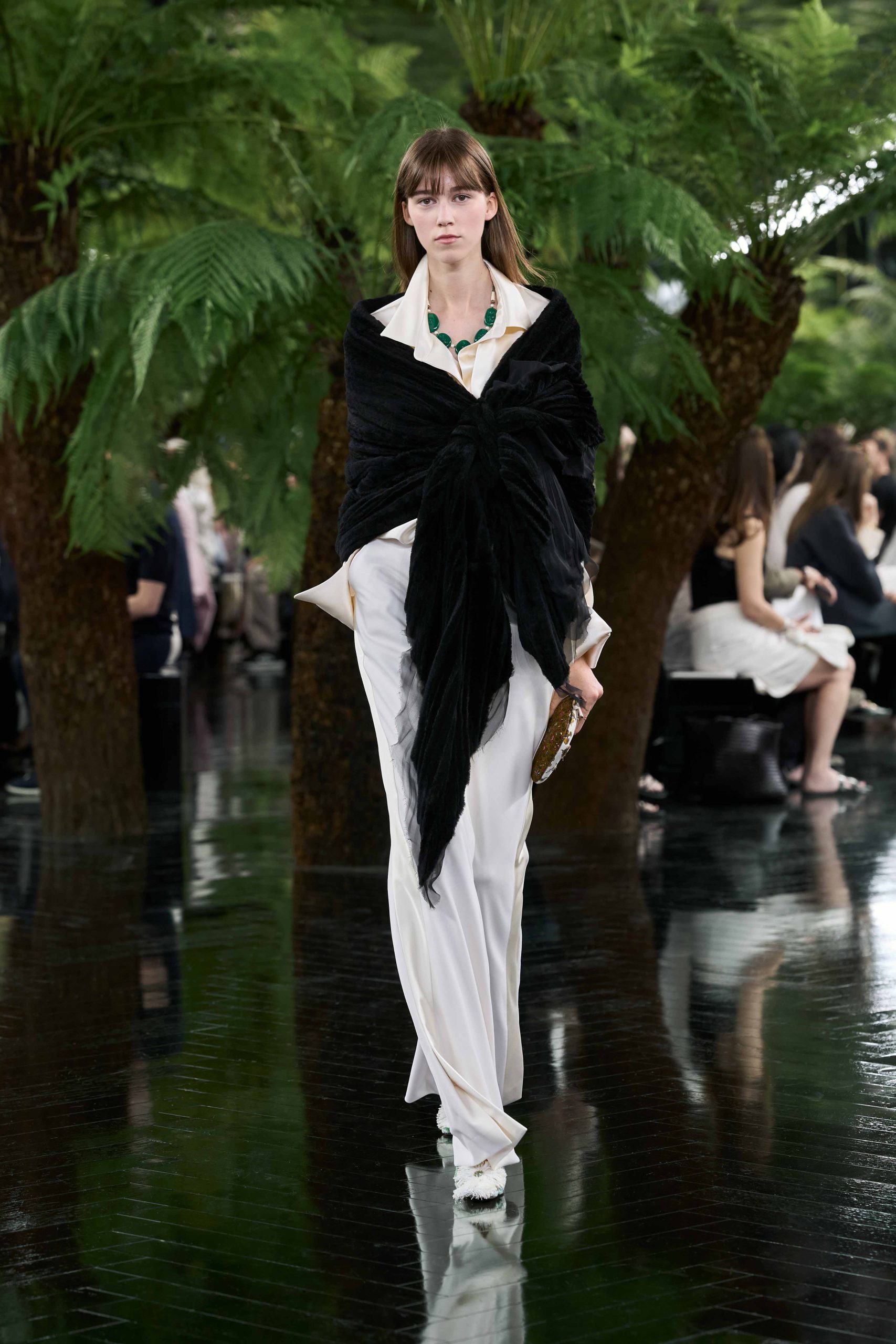
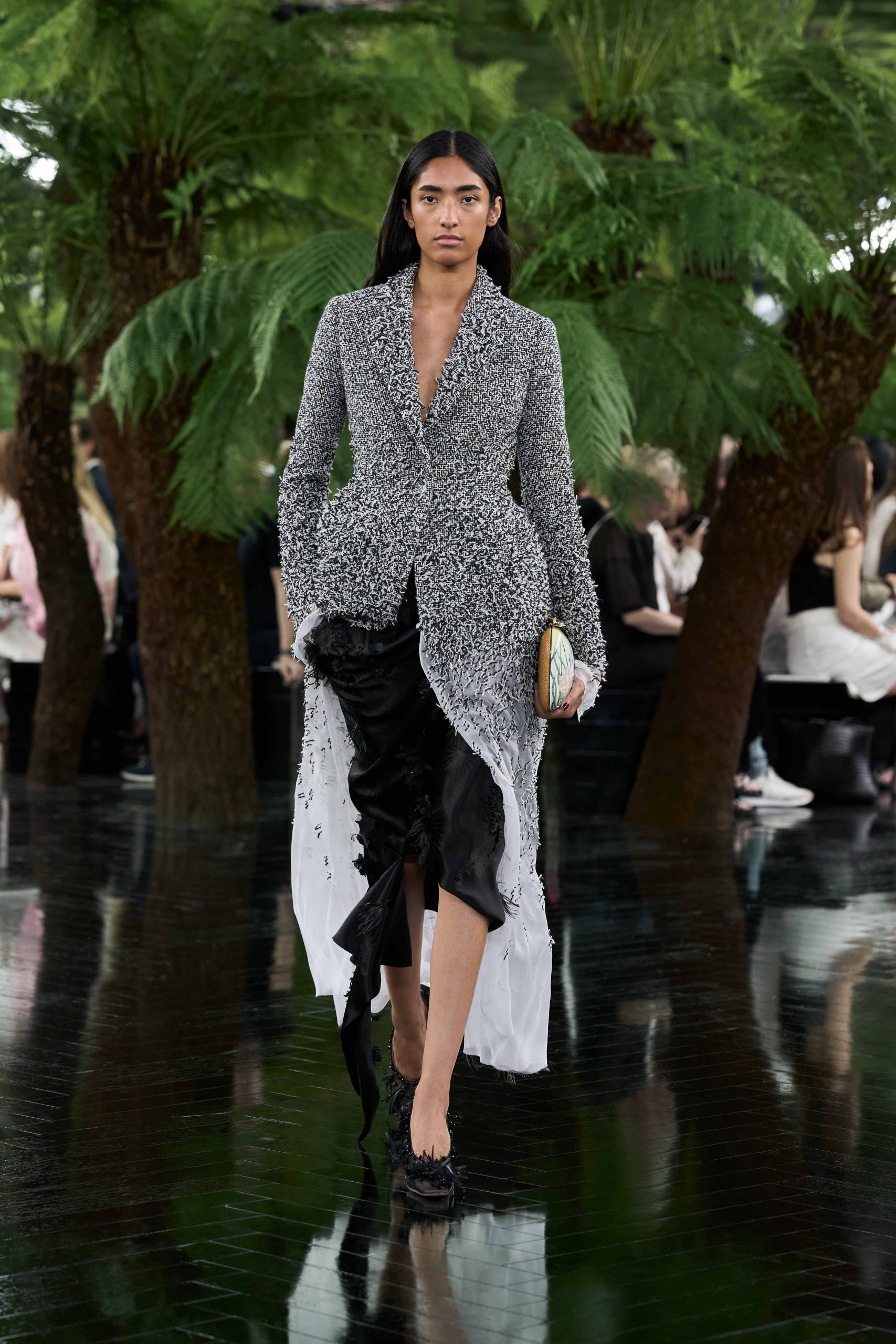
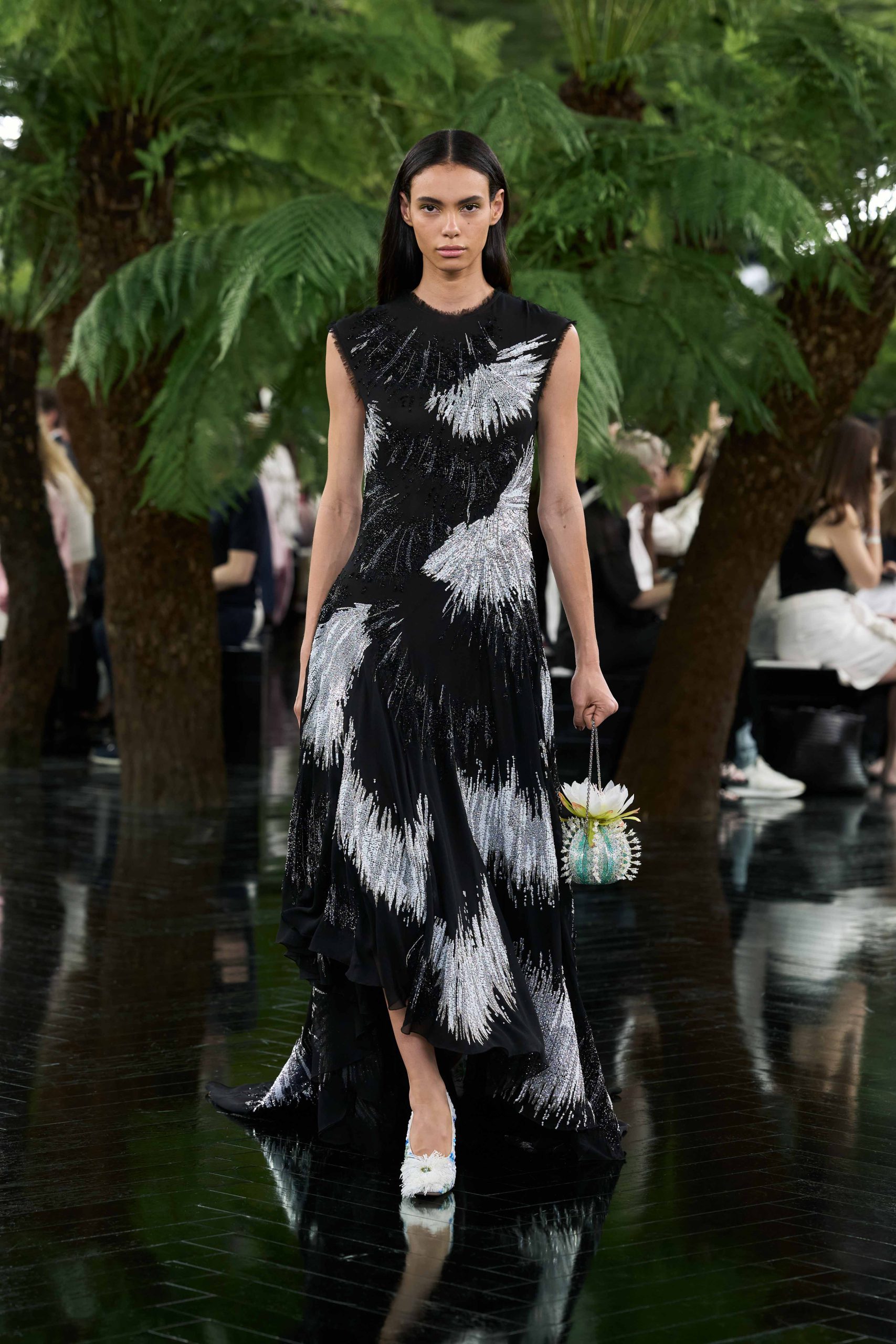
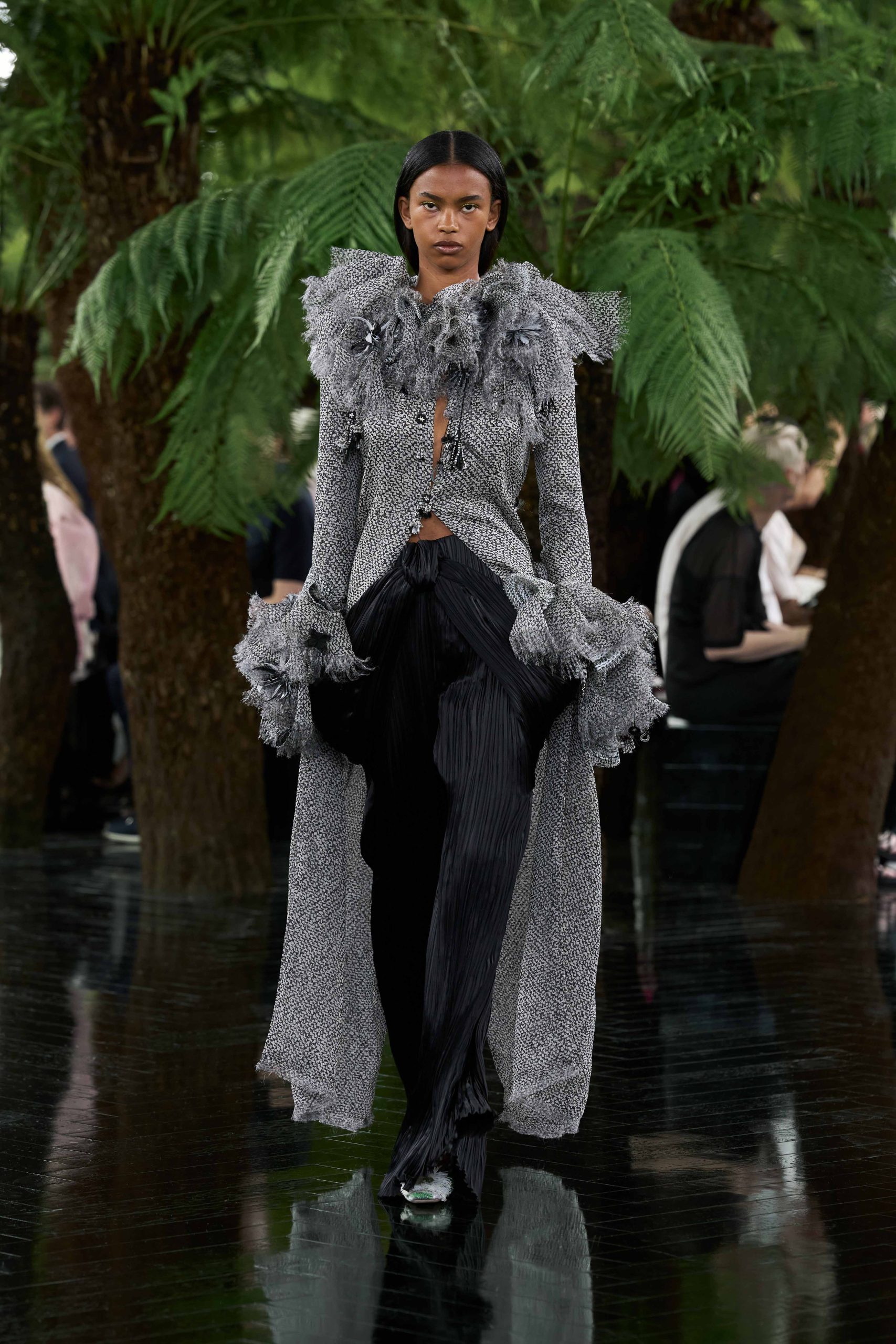
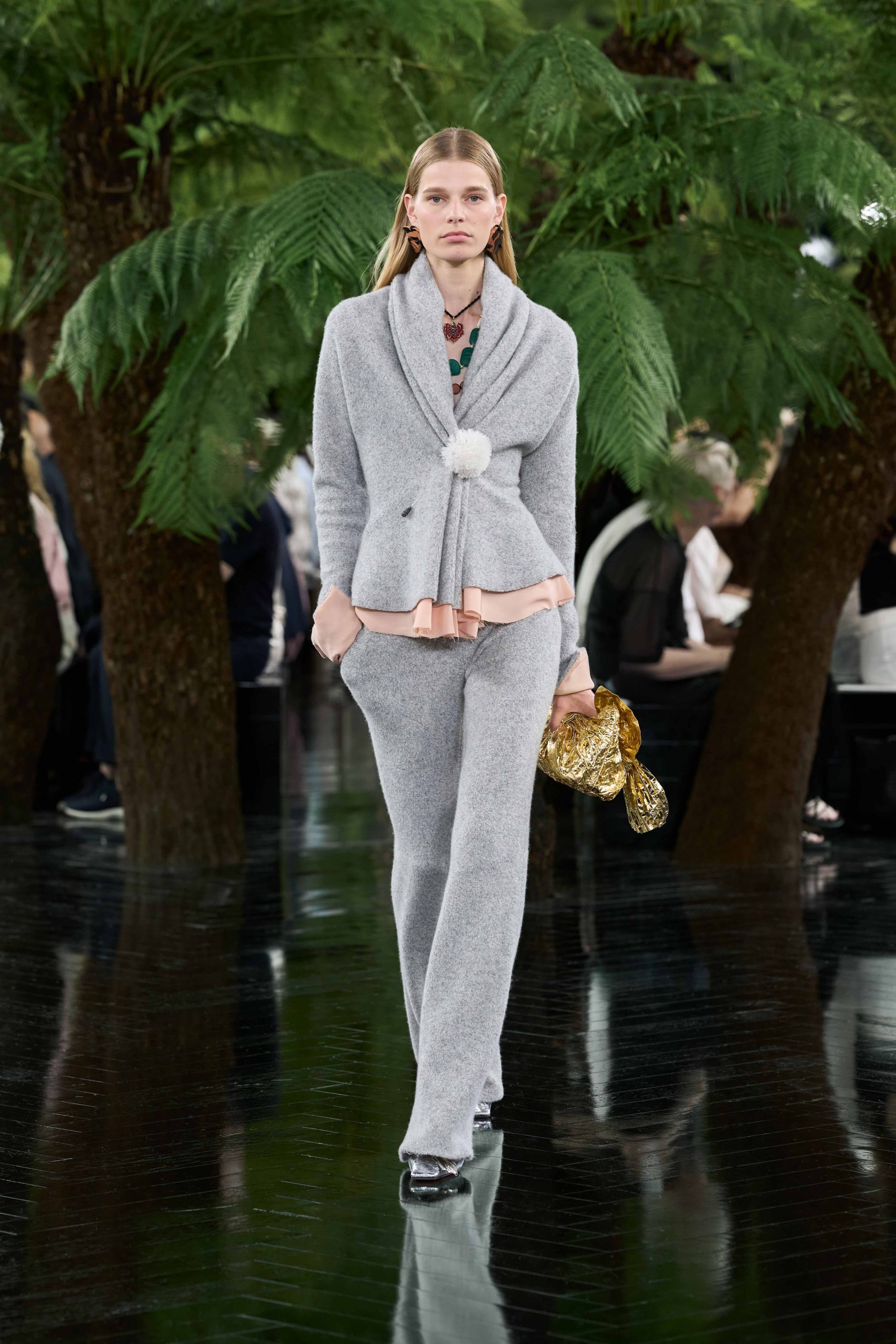
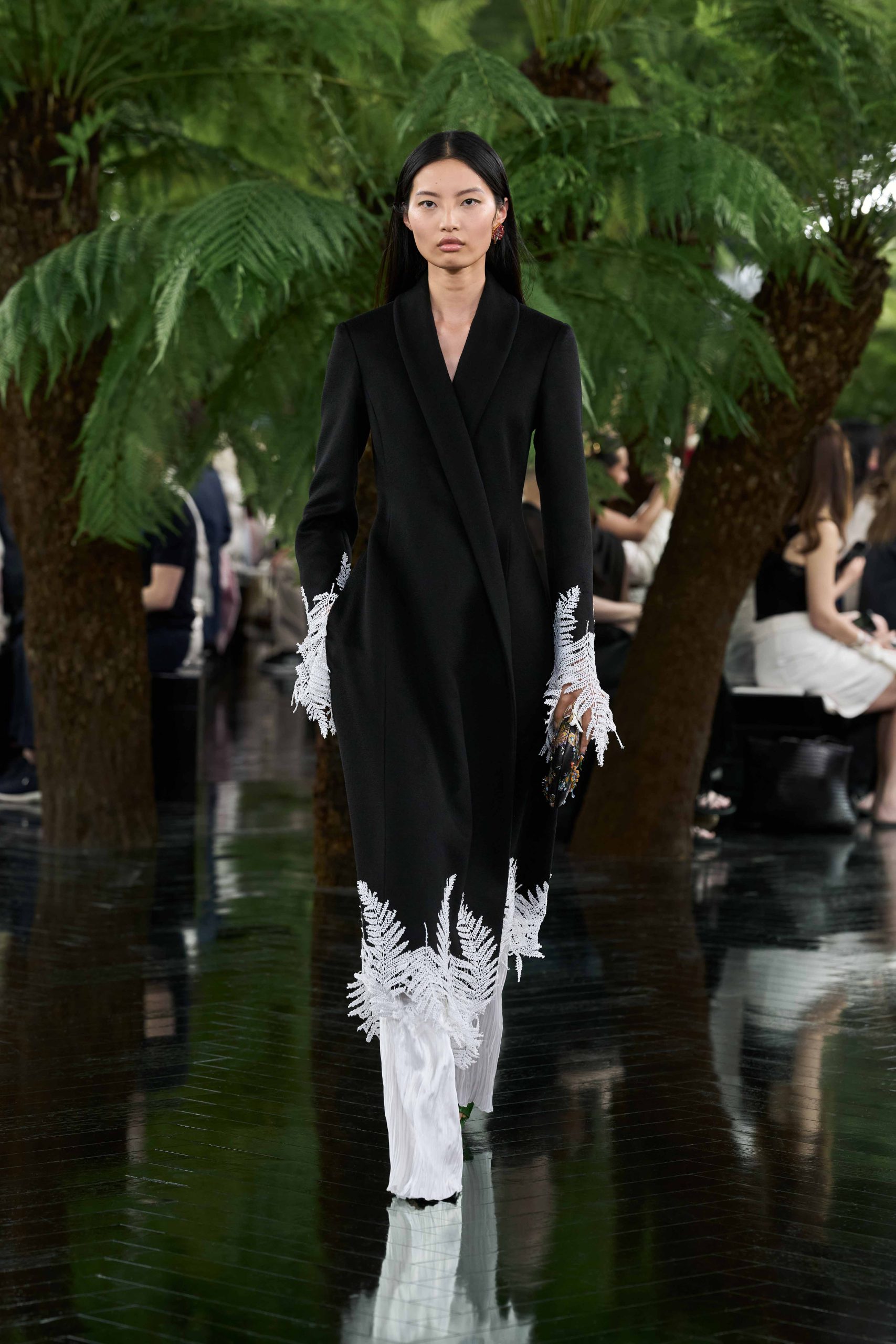
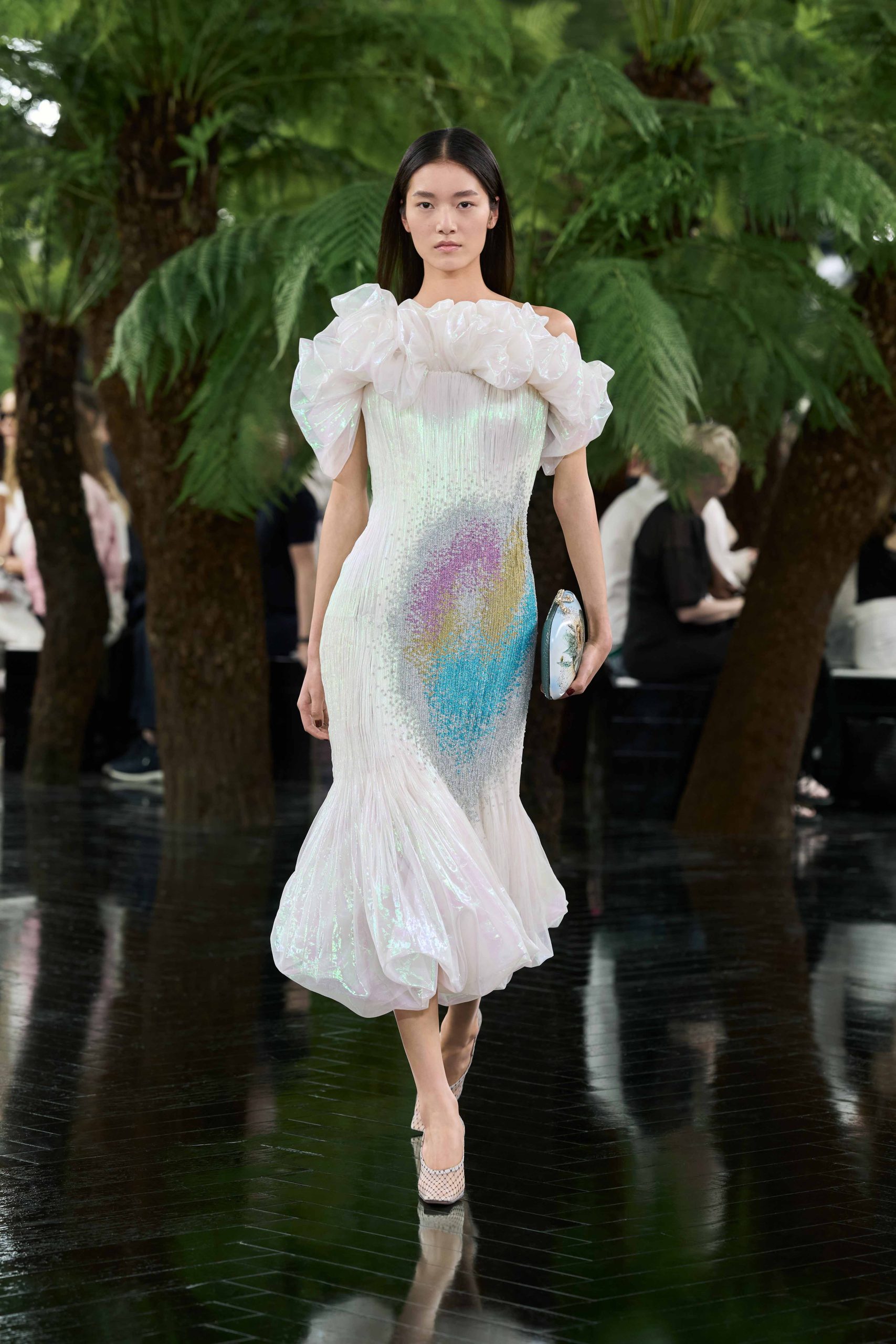
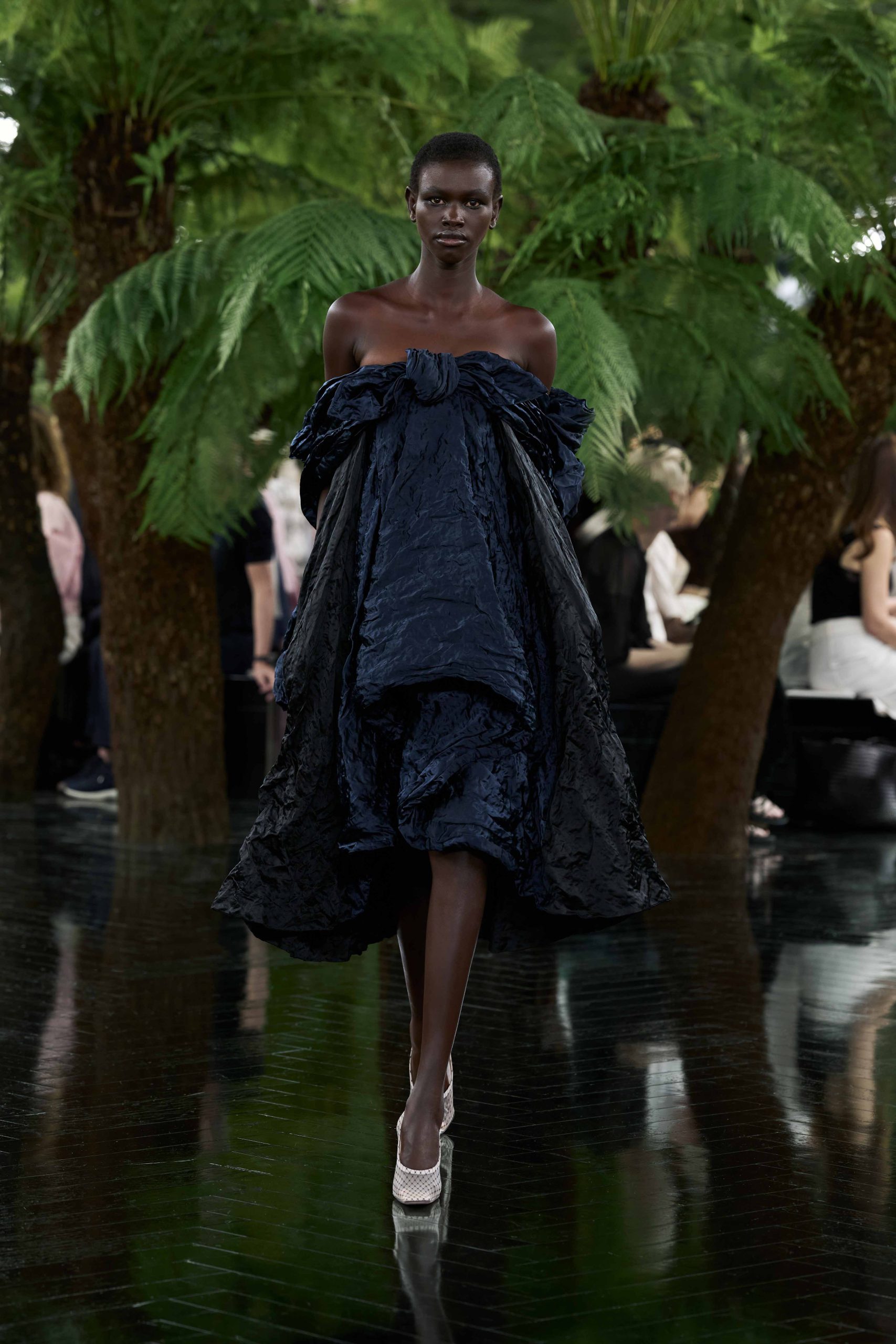
With almost everything now available at a moment’s notice or the click of a button – clothes are just a commodity, no friction, no exclusivity – the counter has become a premium. Now, more than ever, haute couture – or “high sewing” – is back among society’s upper echelon. When a dress can run from tens of thousands to several million, labeling it as a statement piece is an understatement, and the women who wear couture are among fashion’s most mysterious collectors.

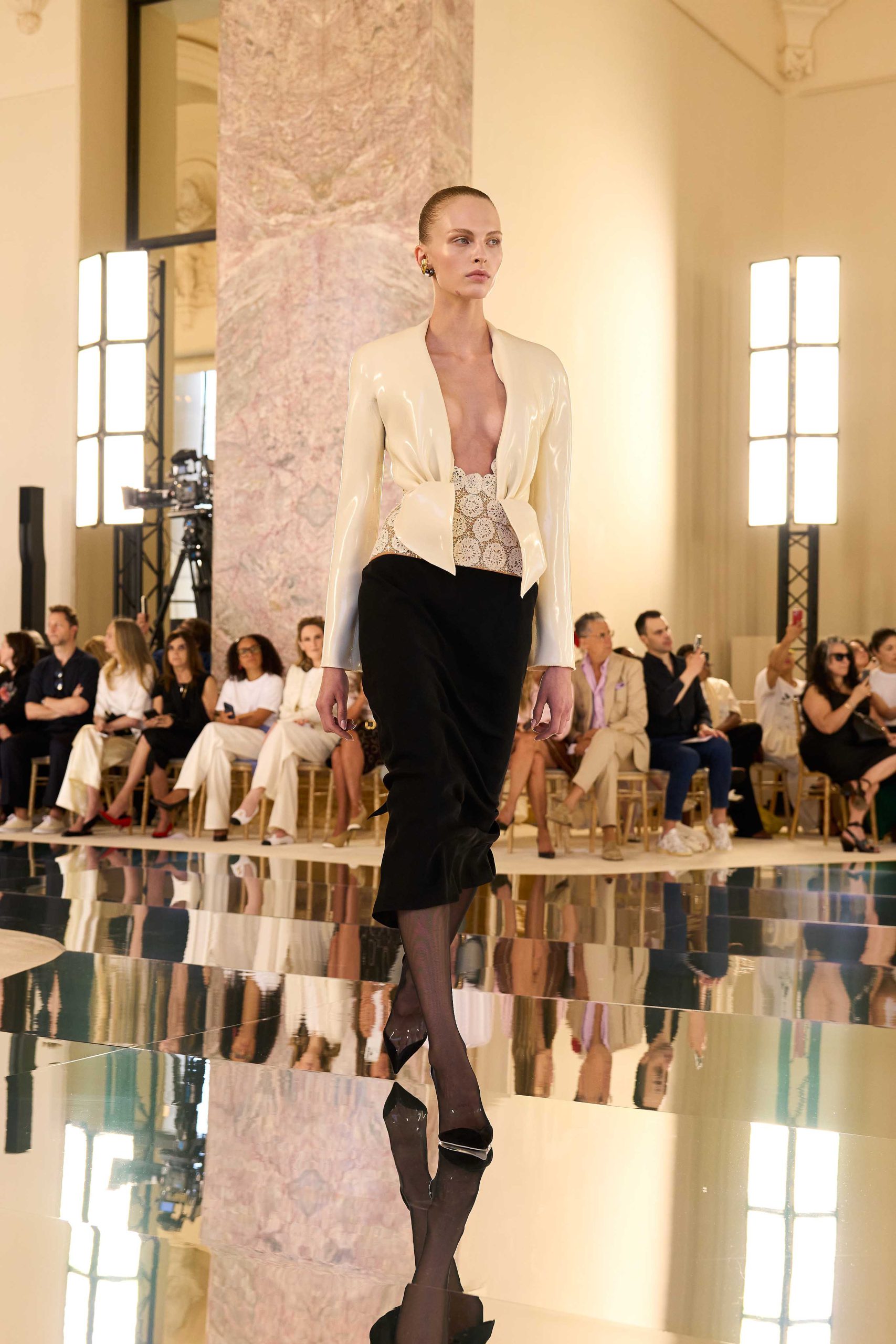
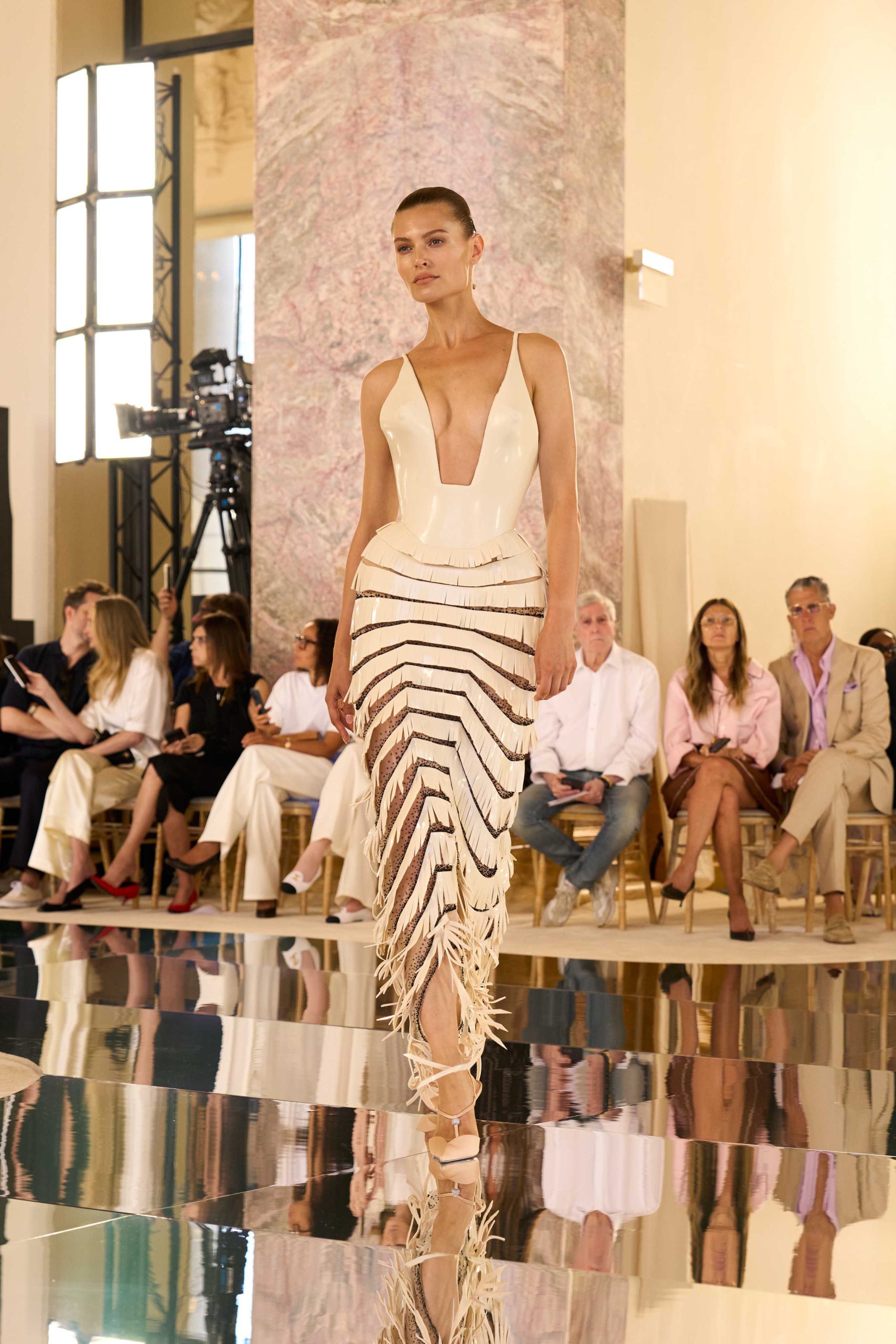
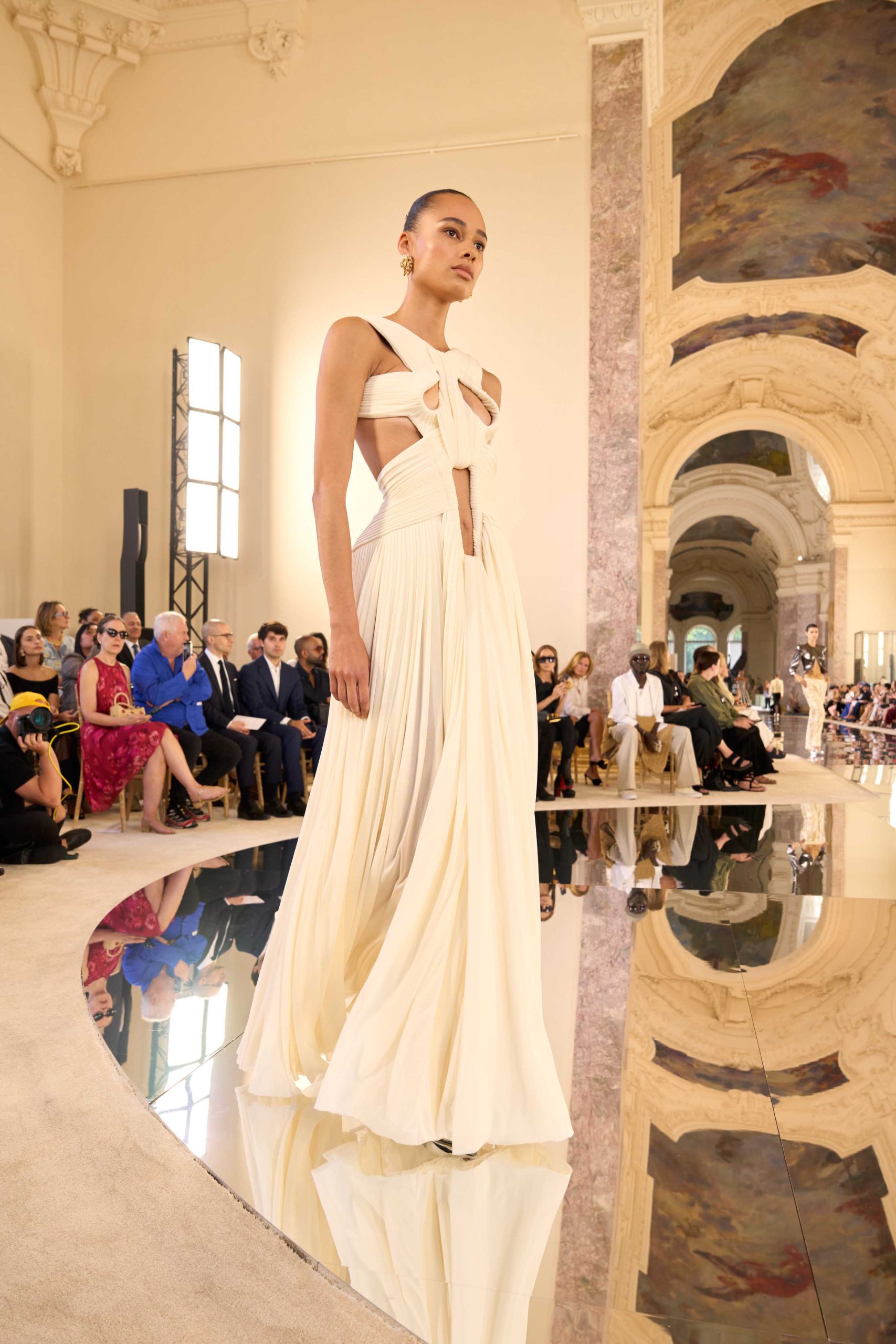
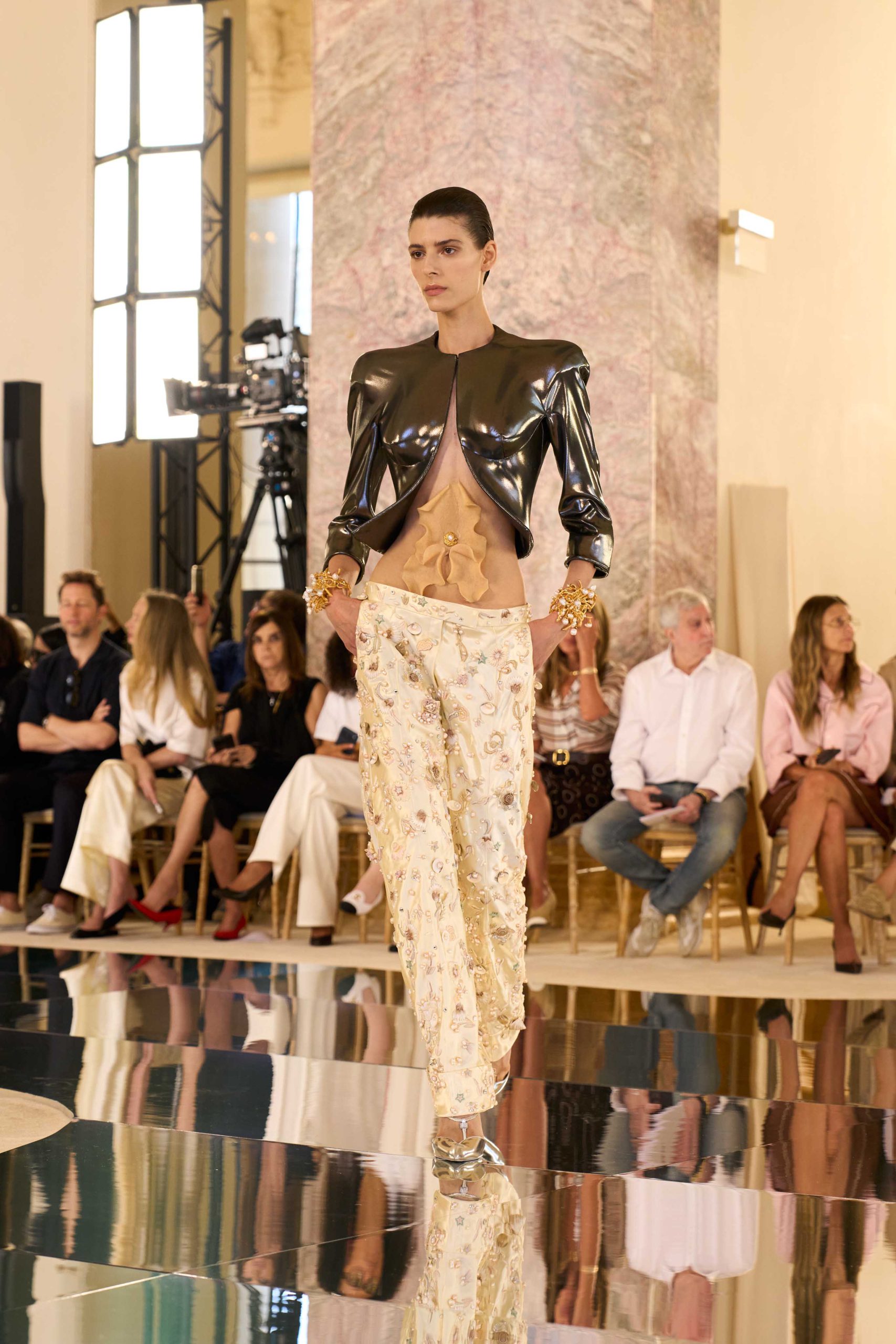
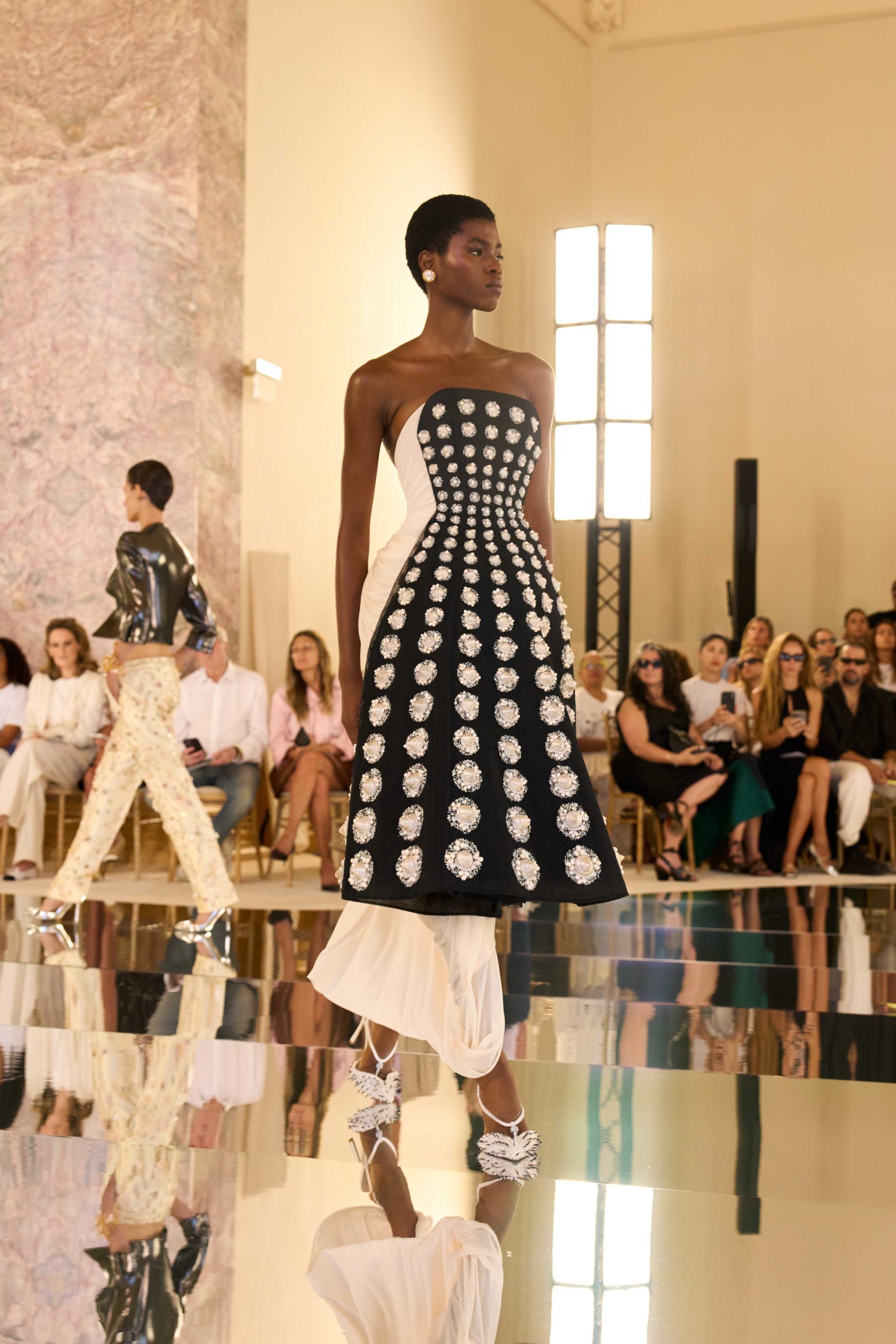
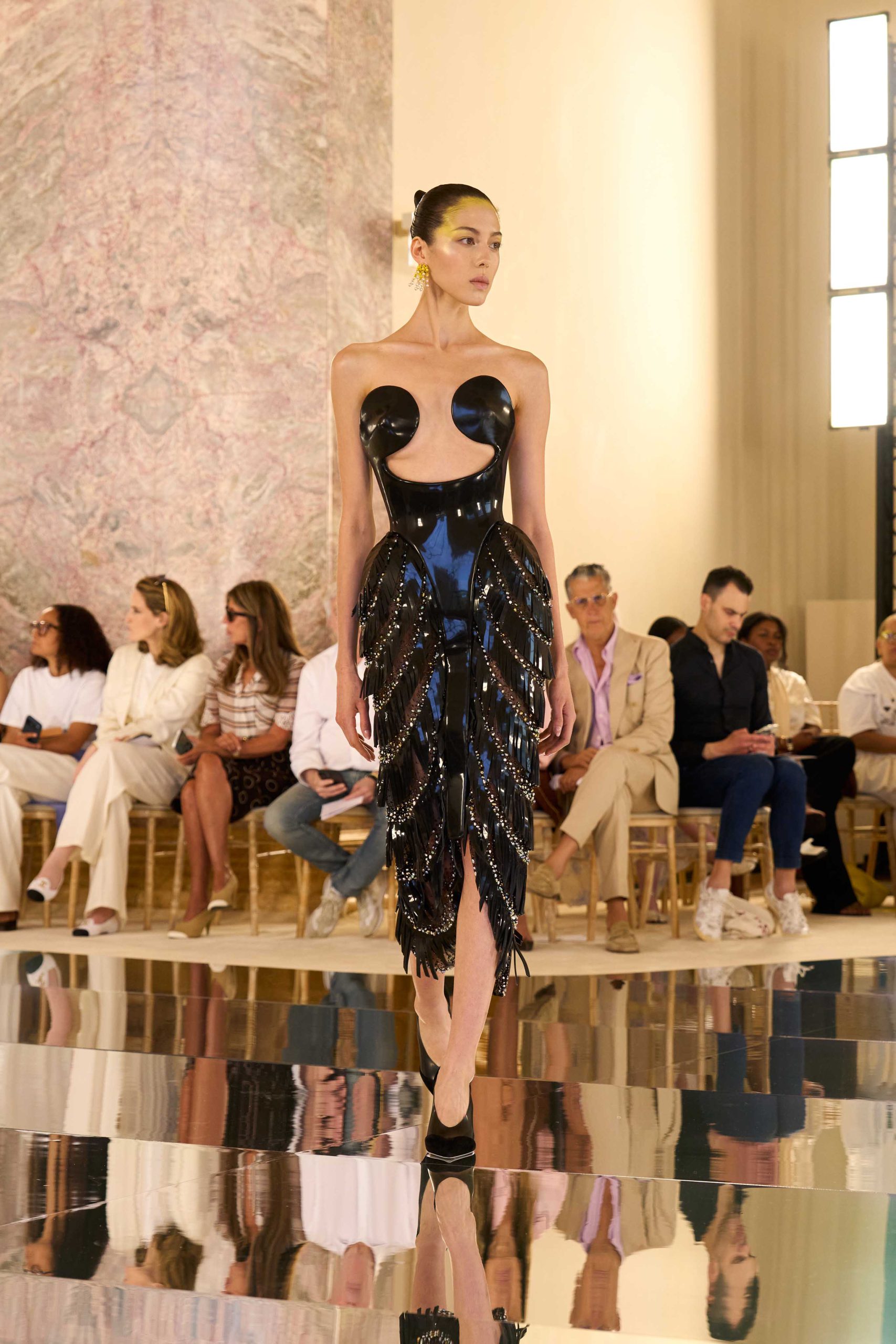
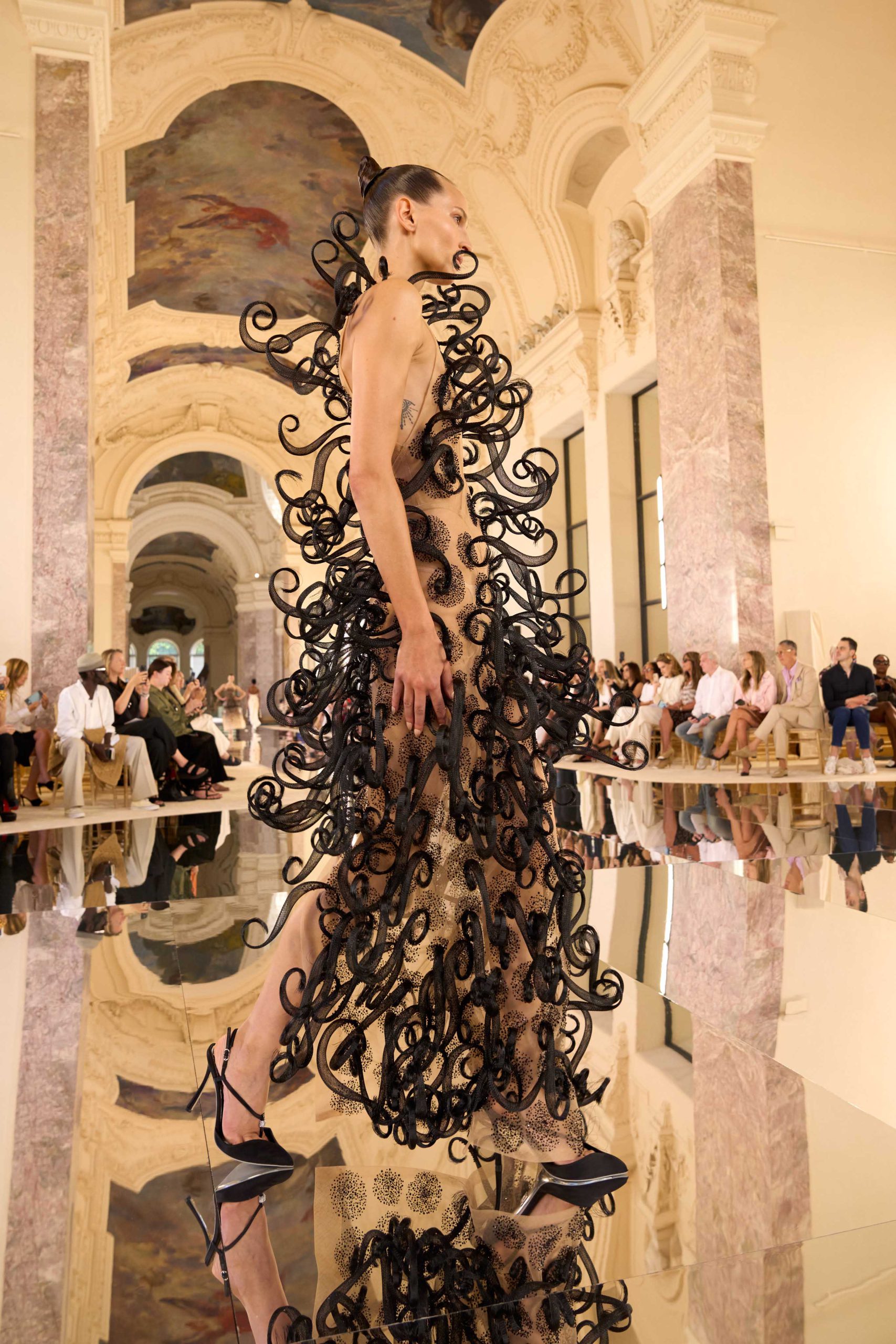
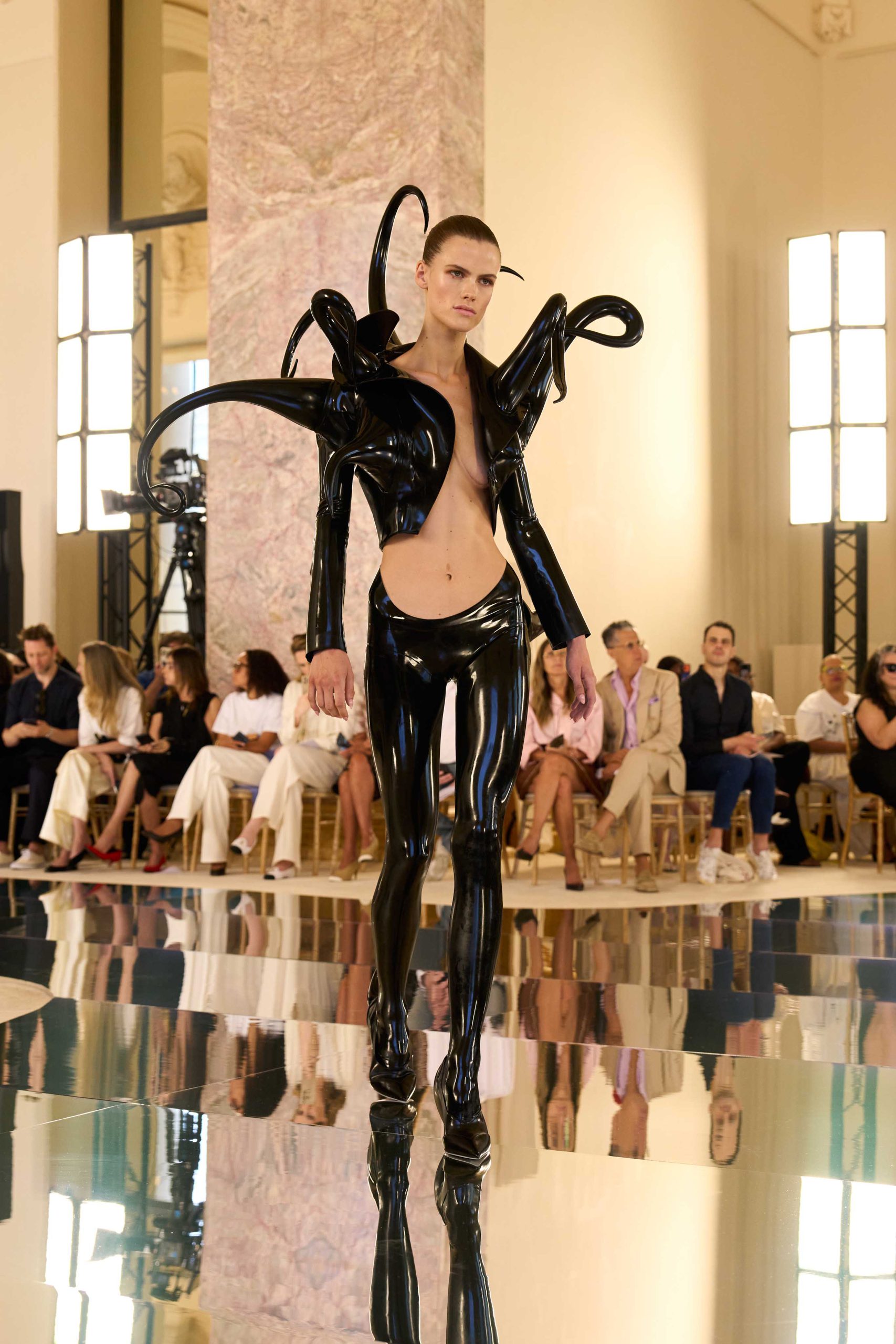
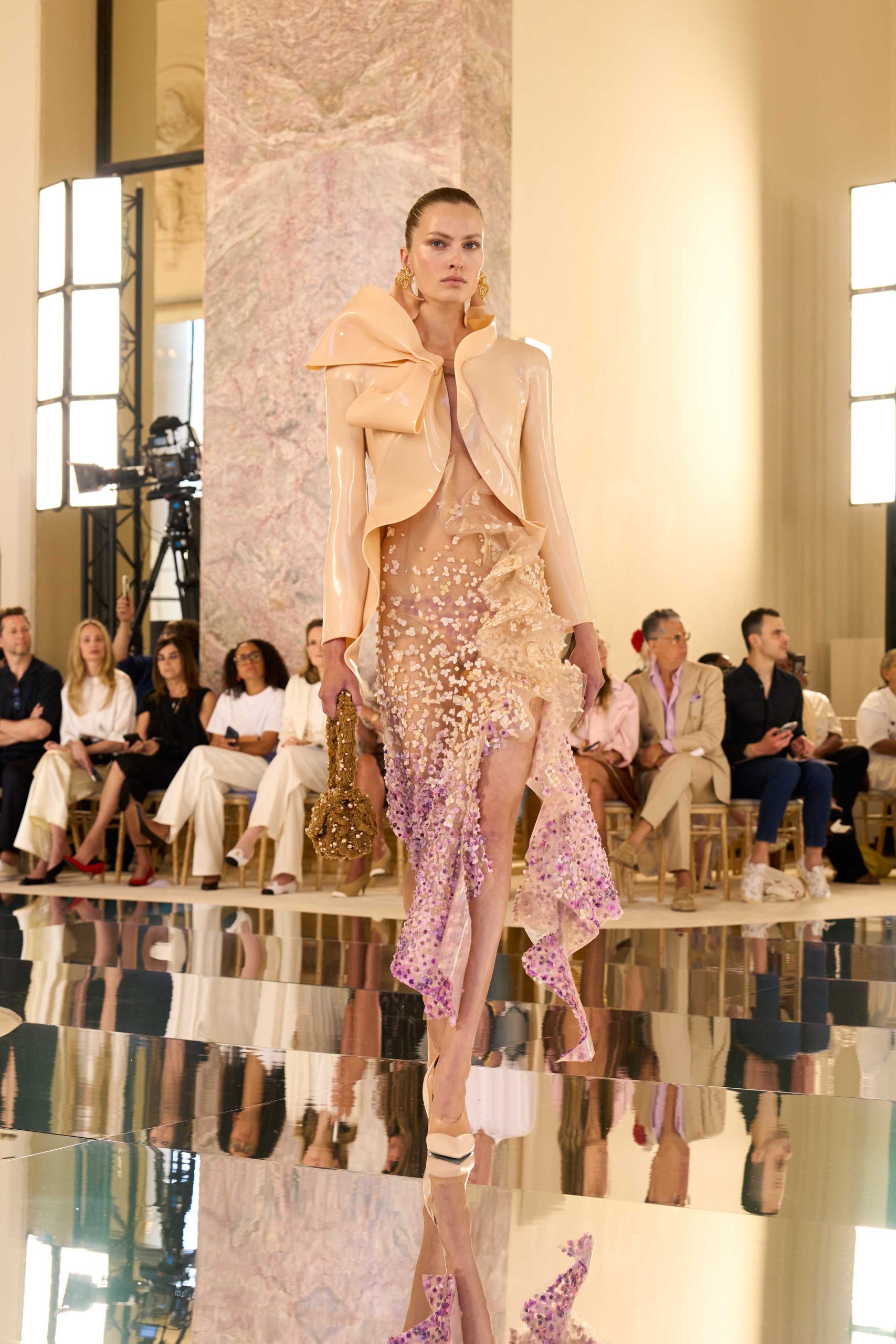
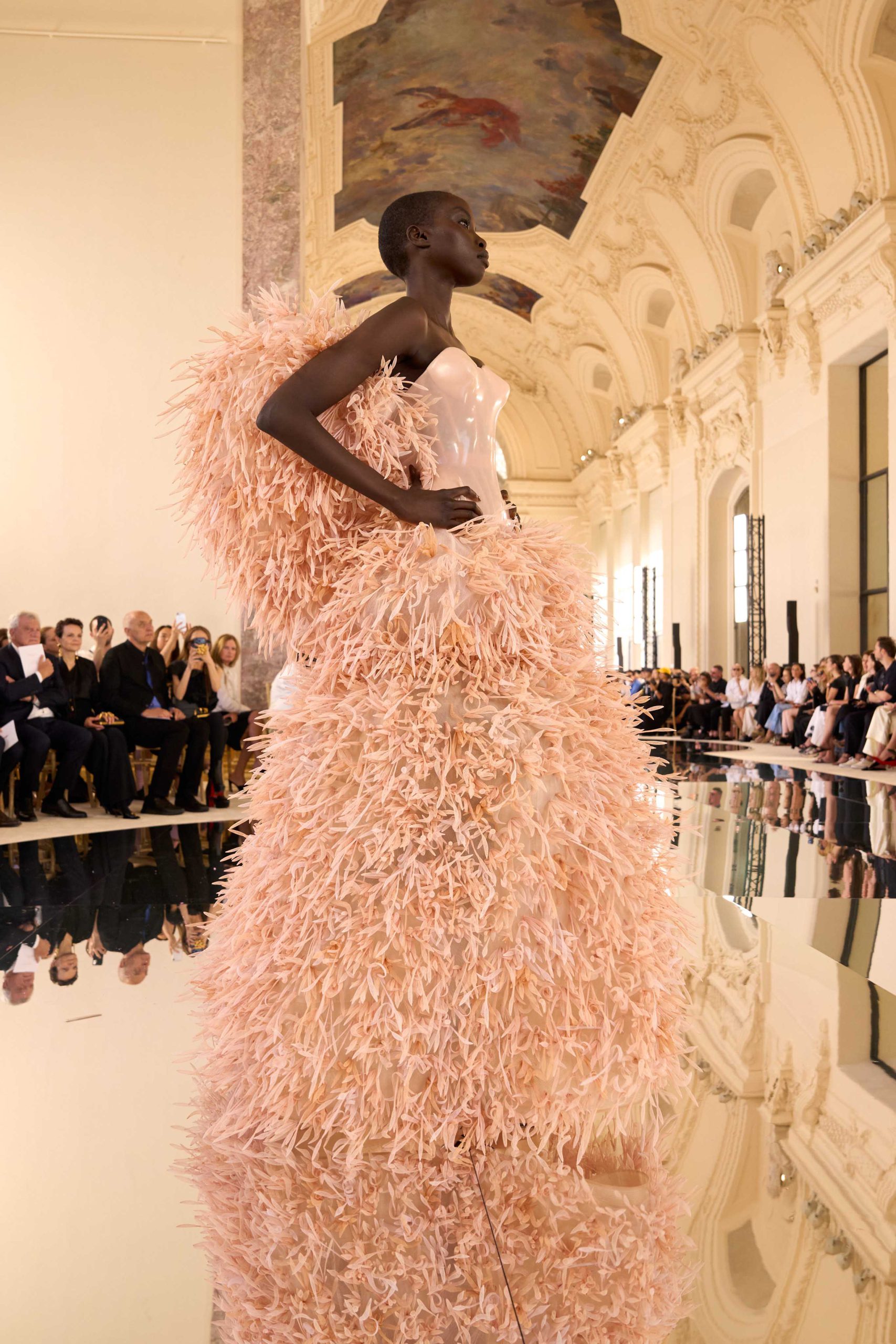
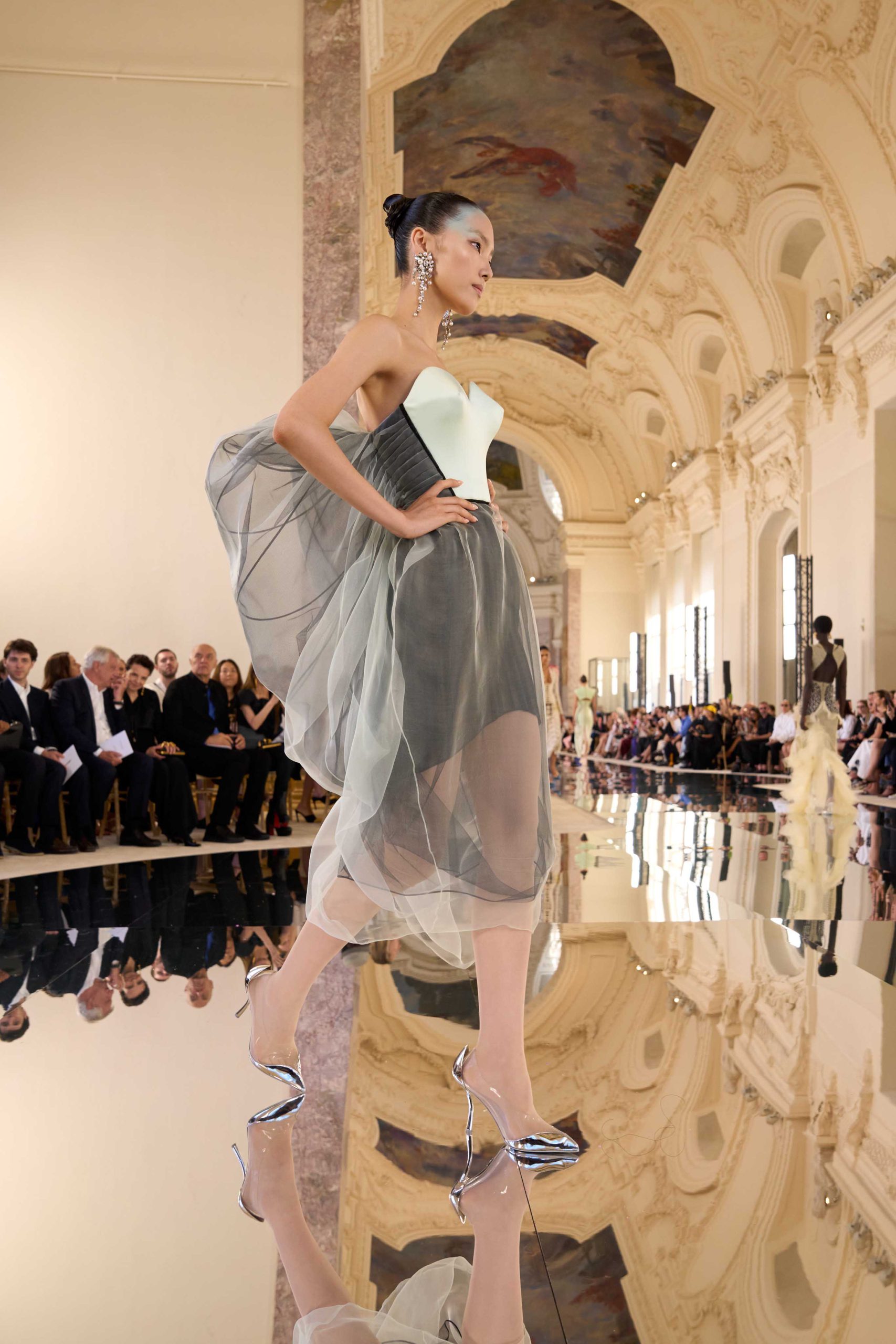
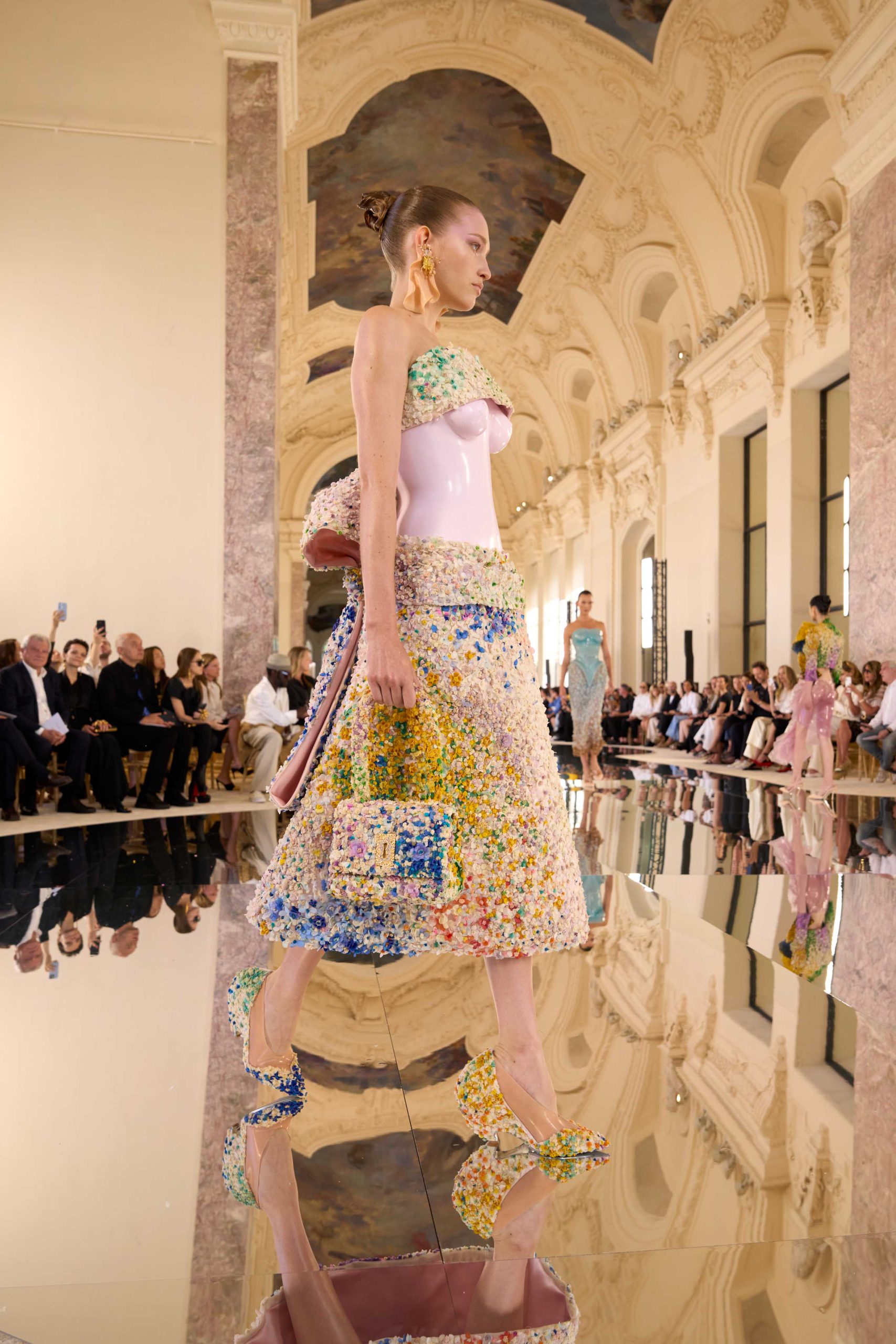
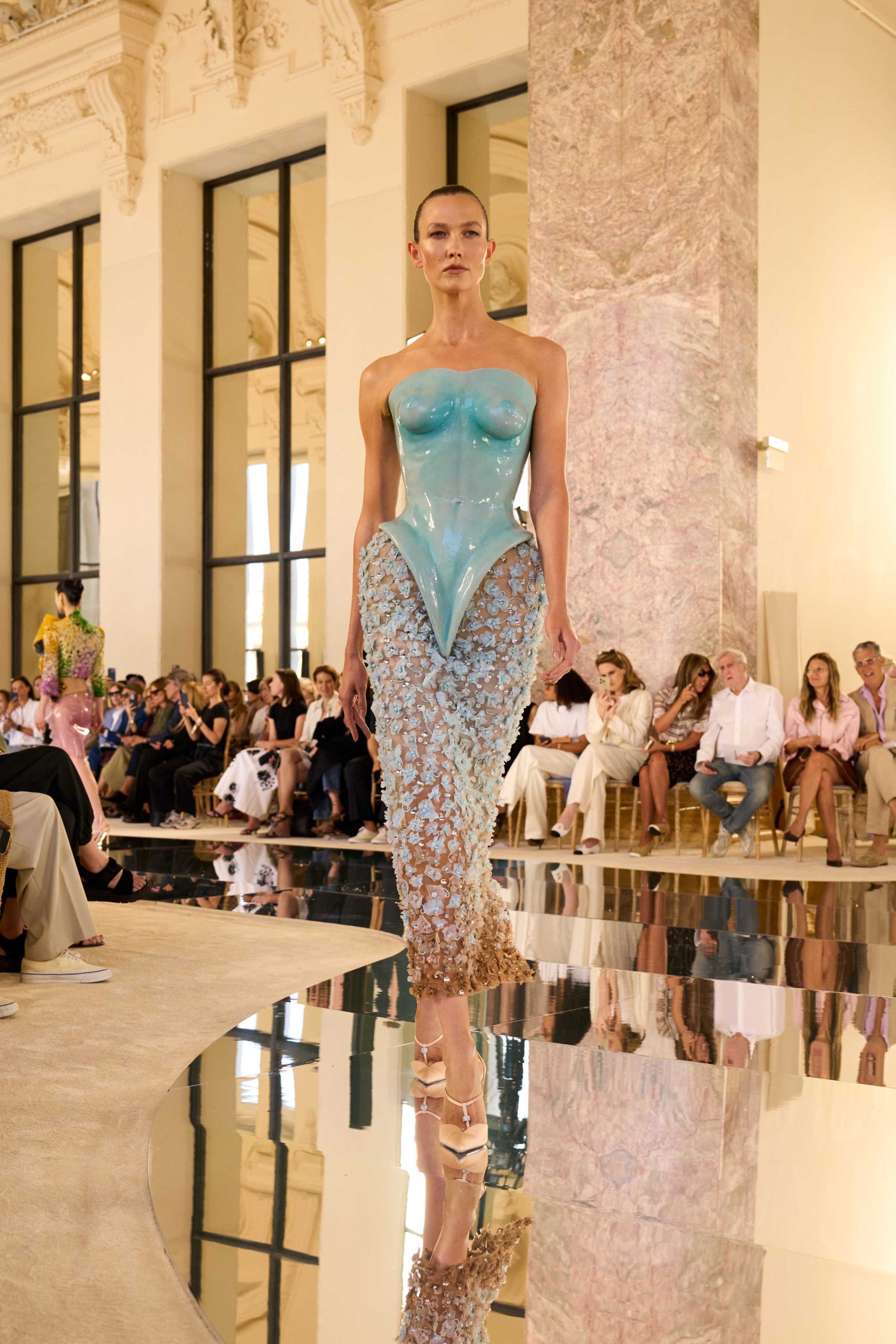
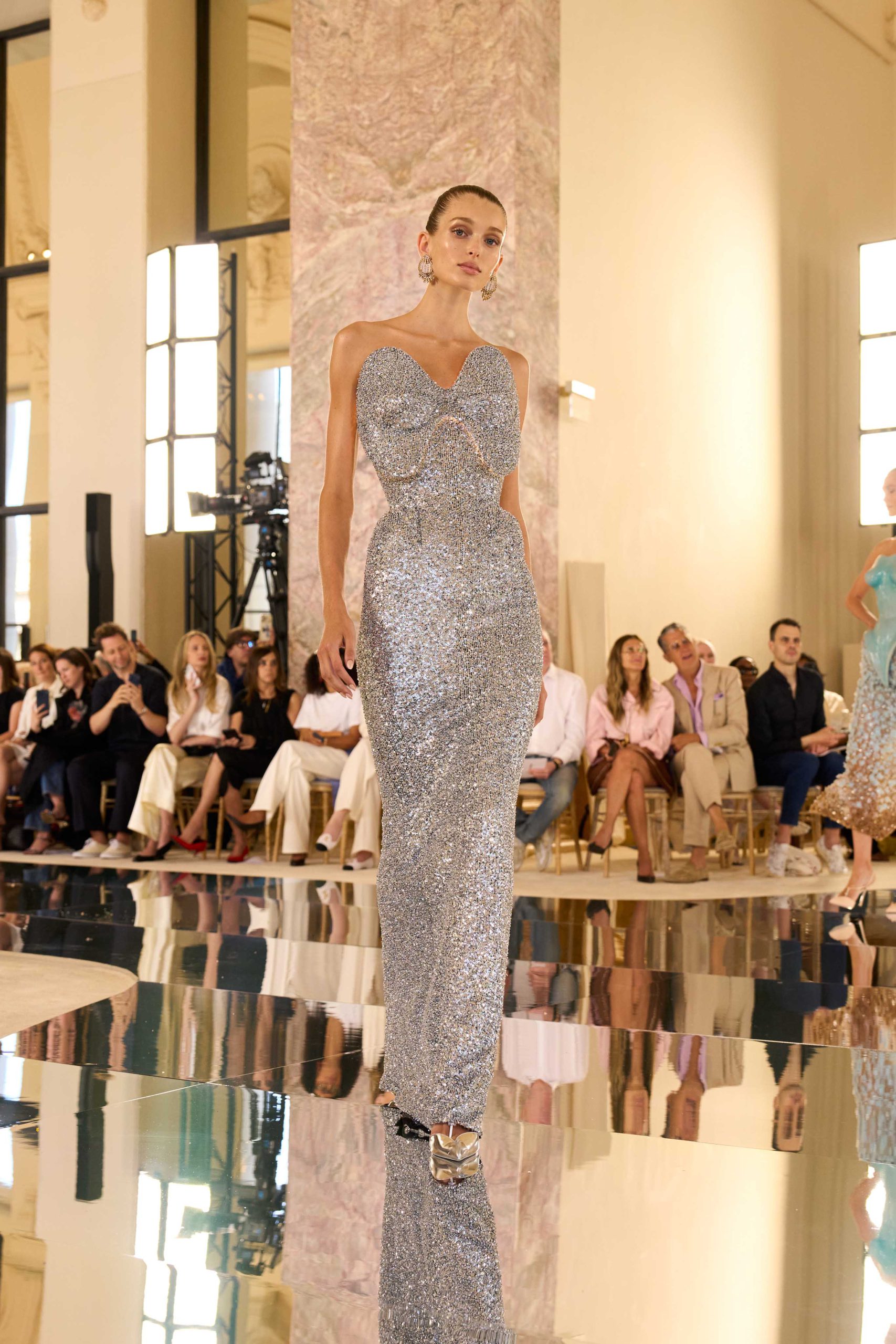
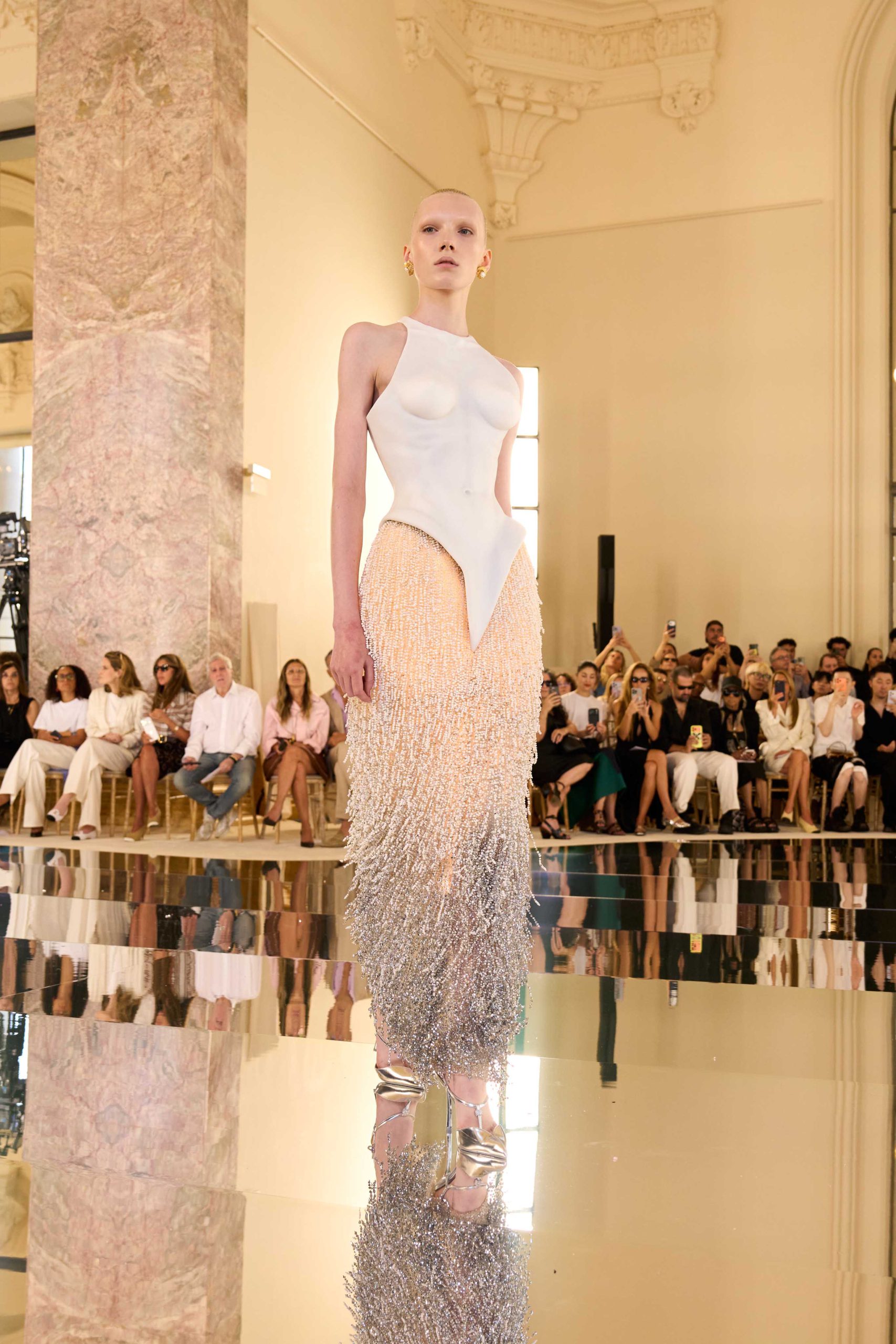
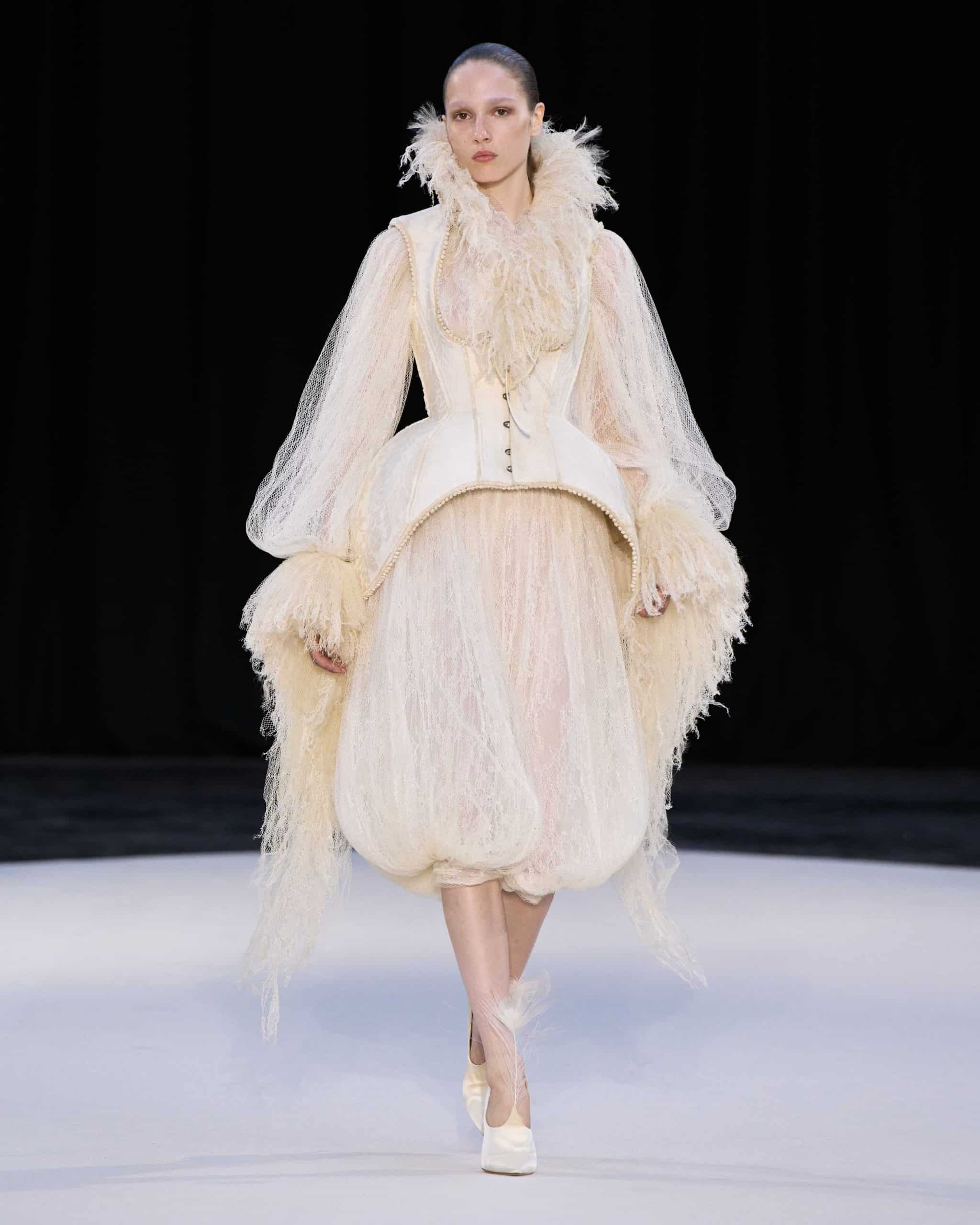
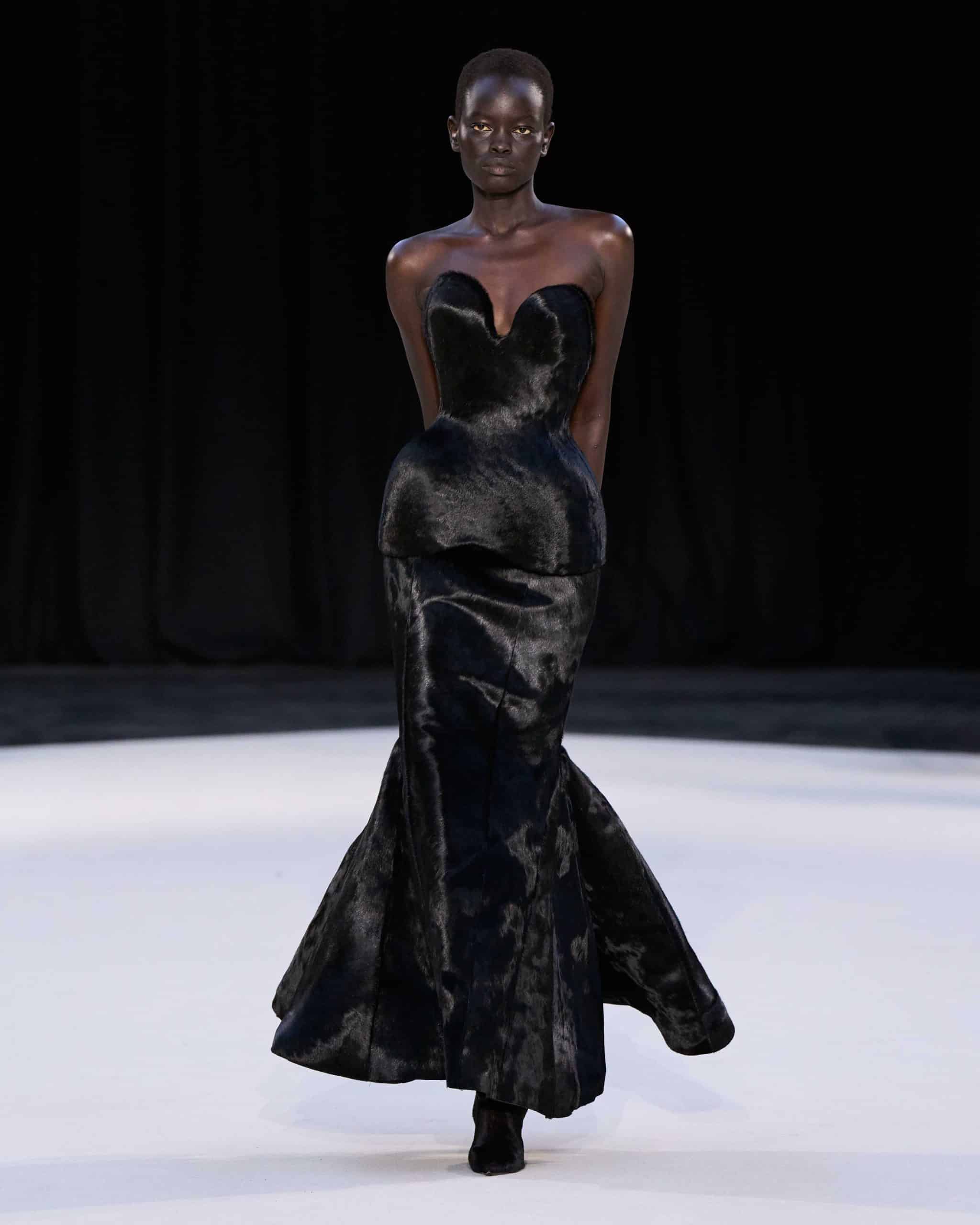
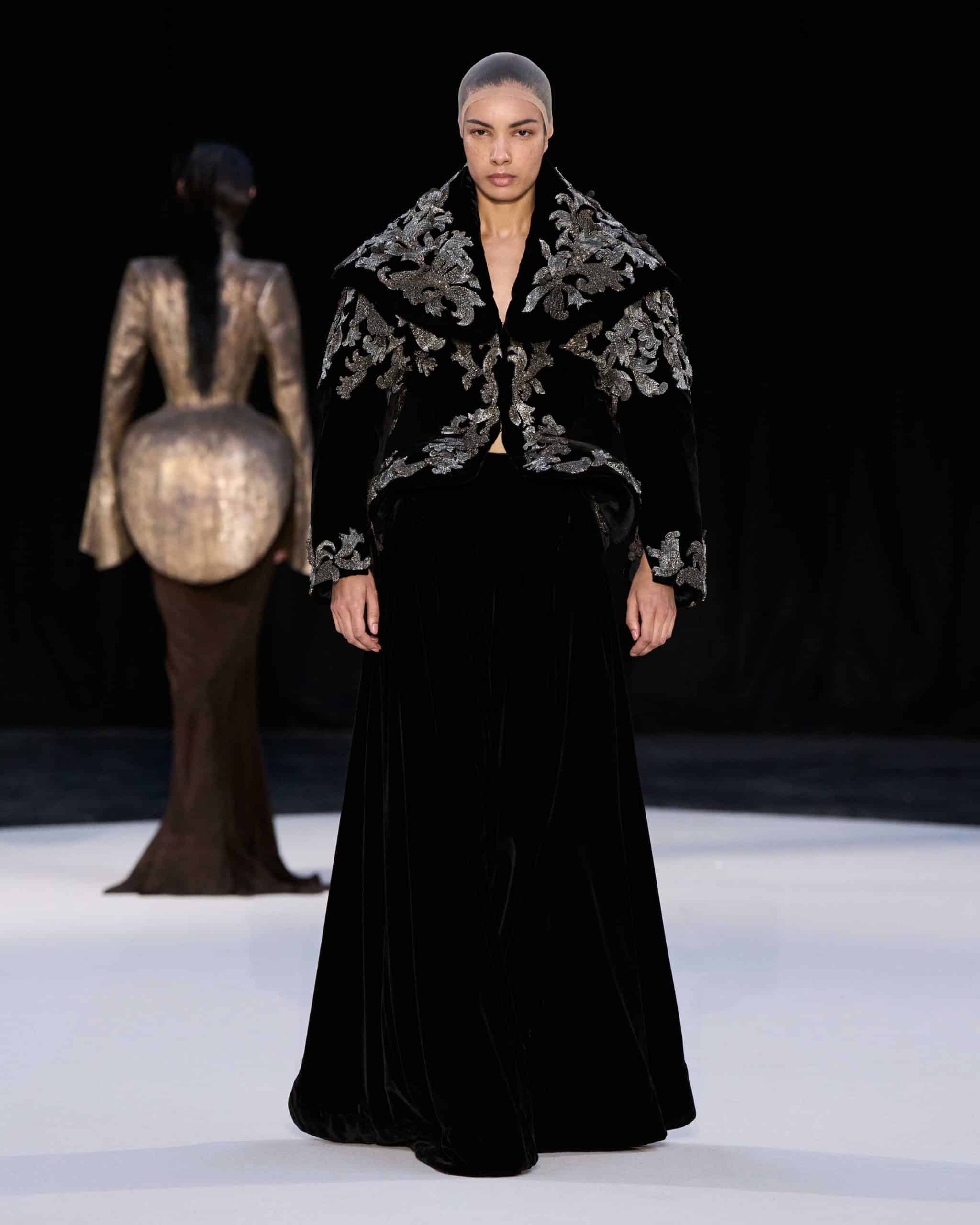
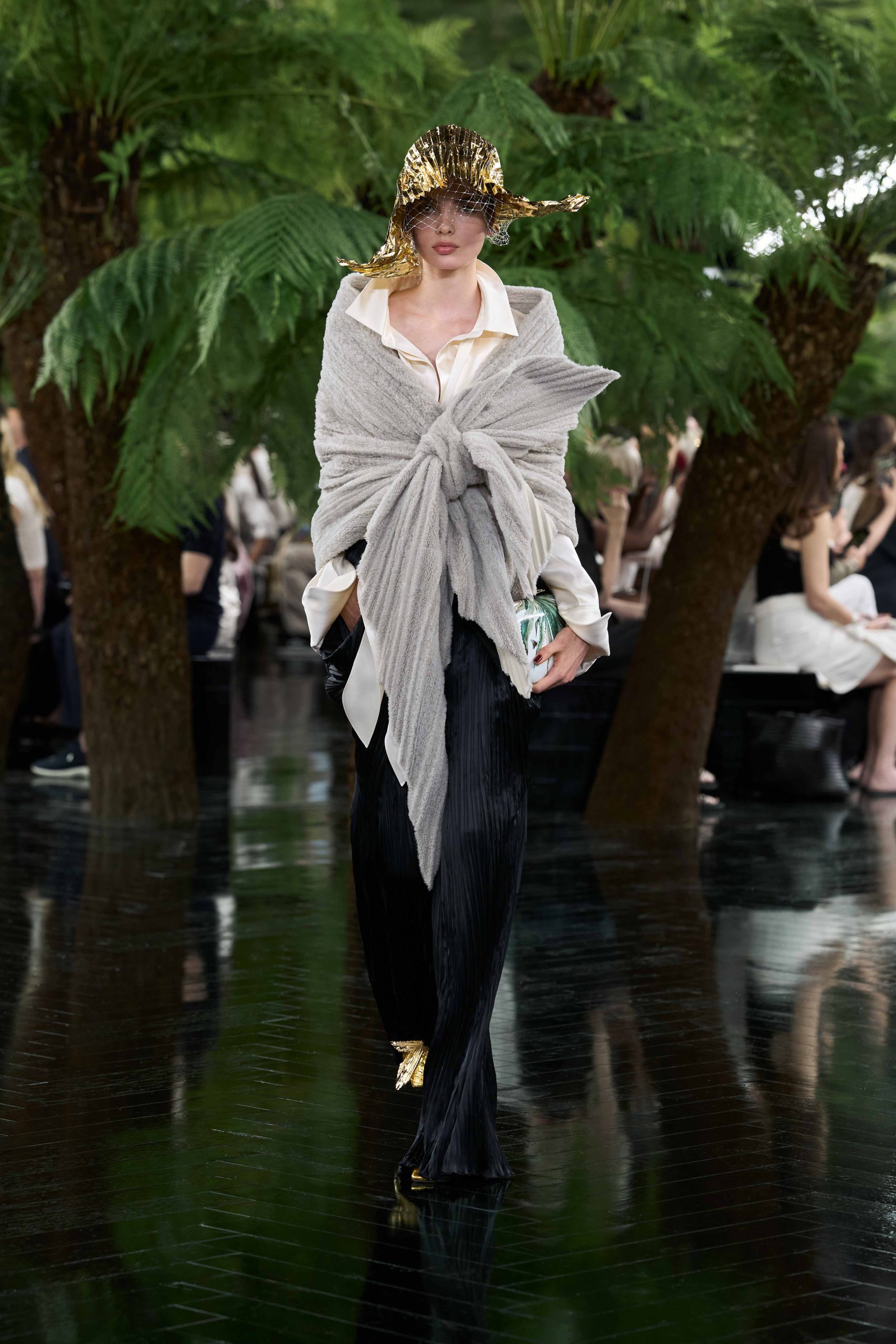
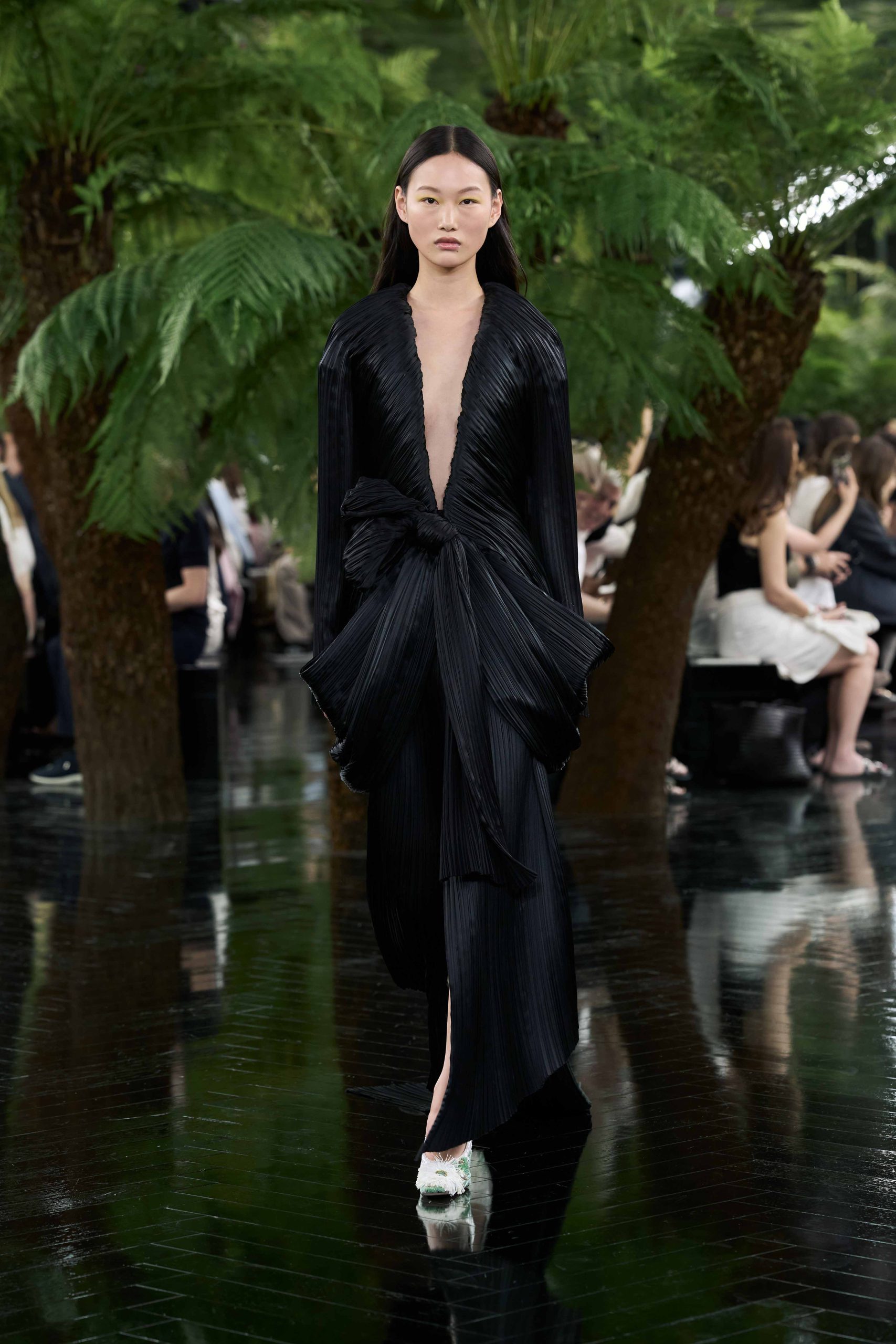
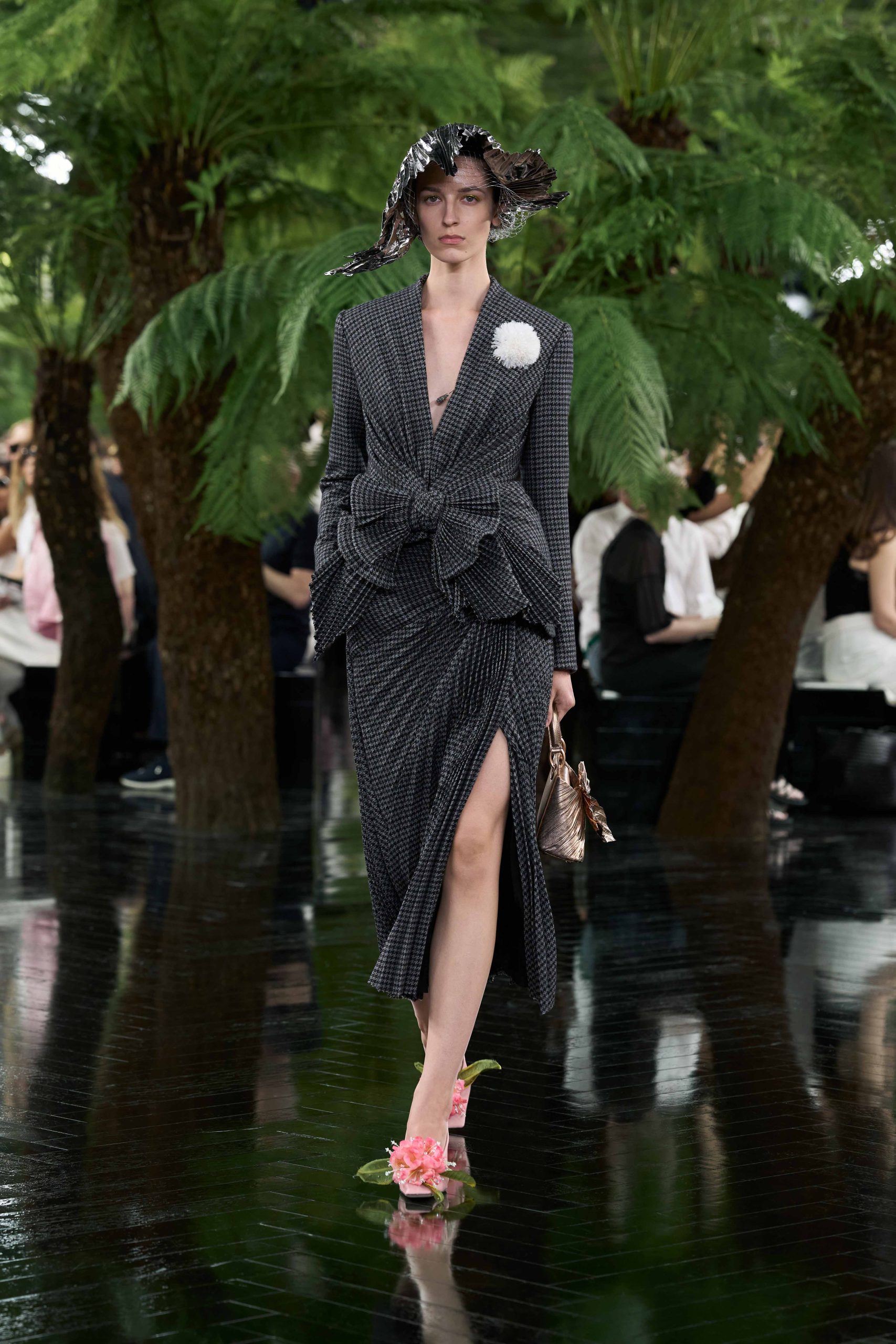
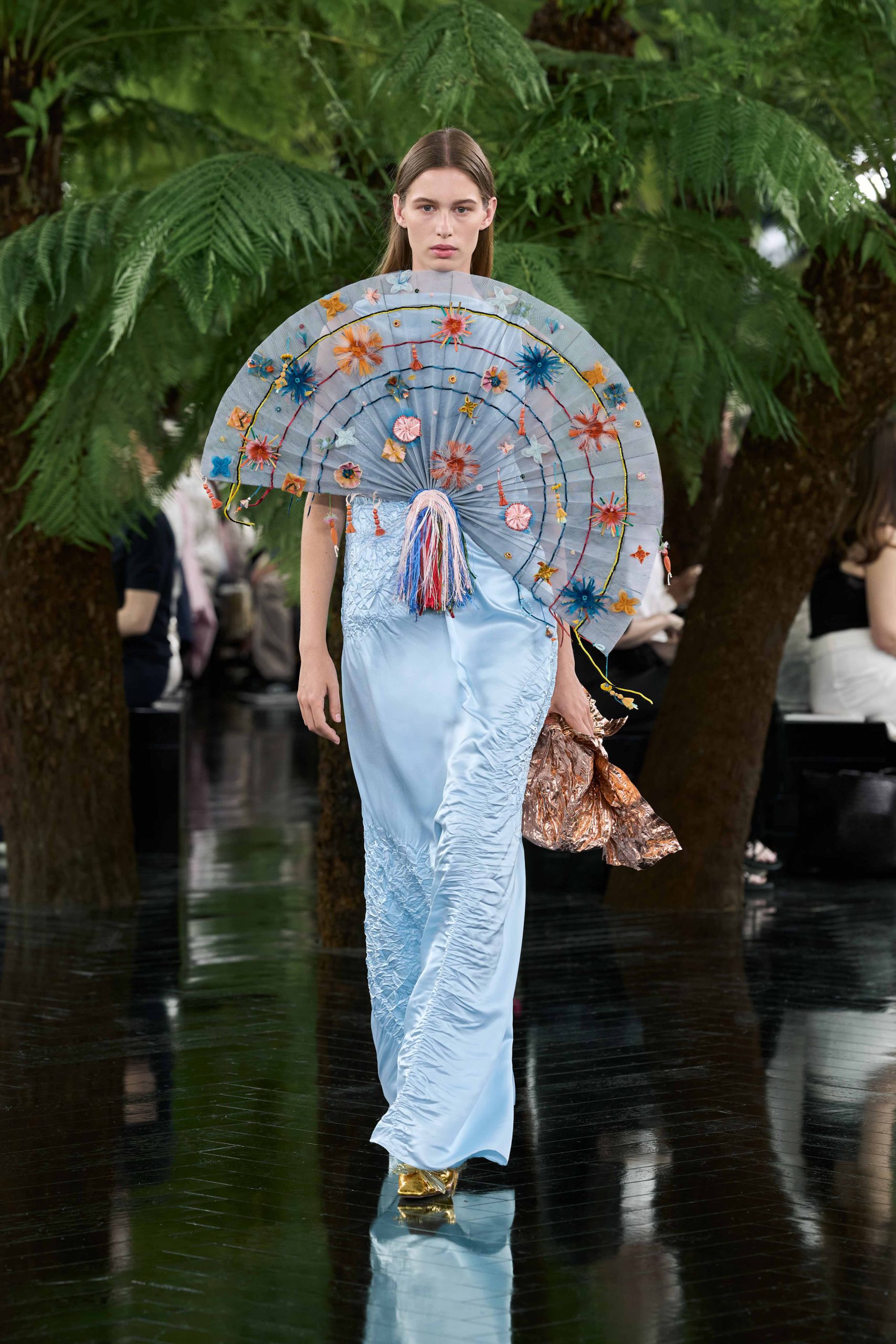
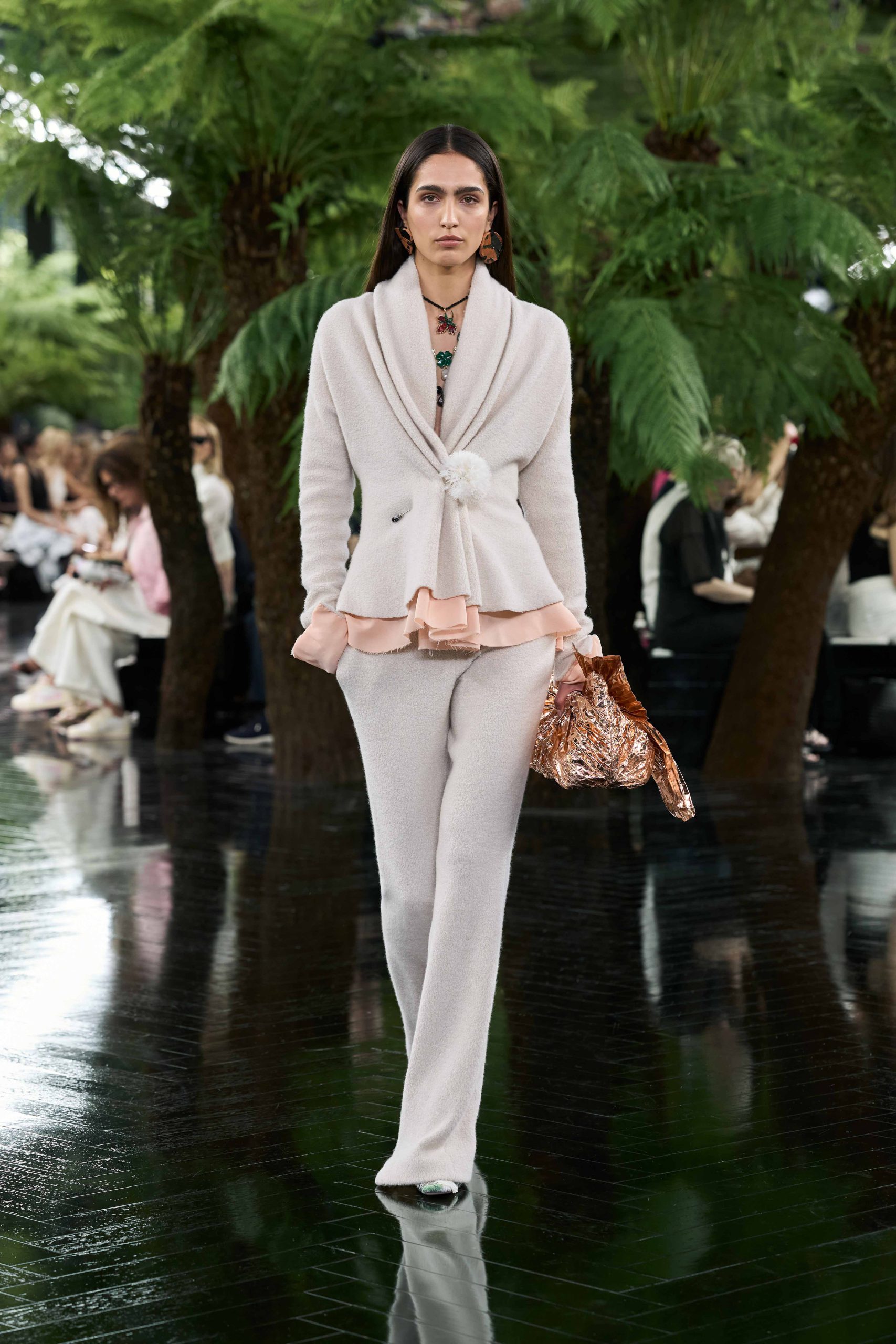
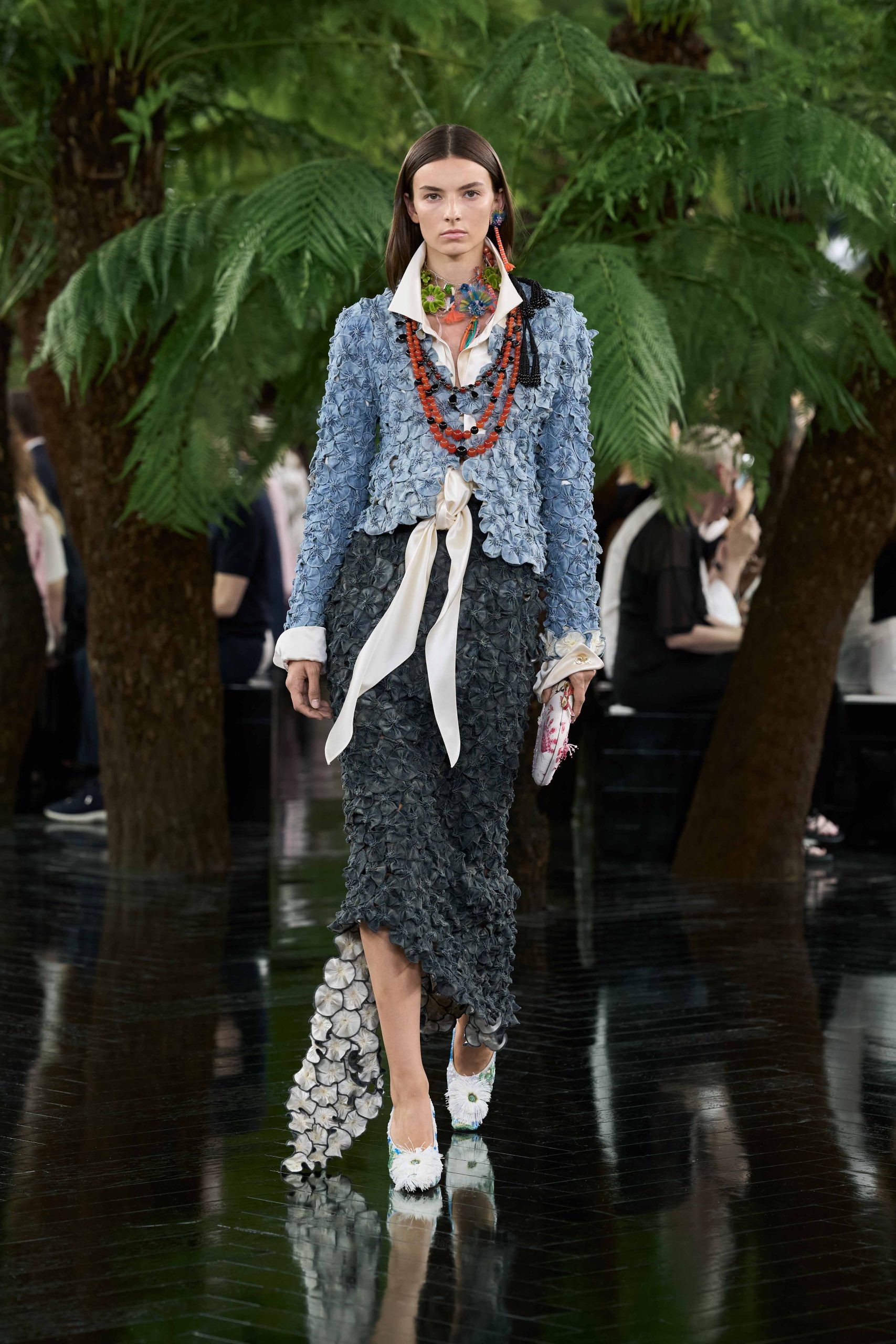
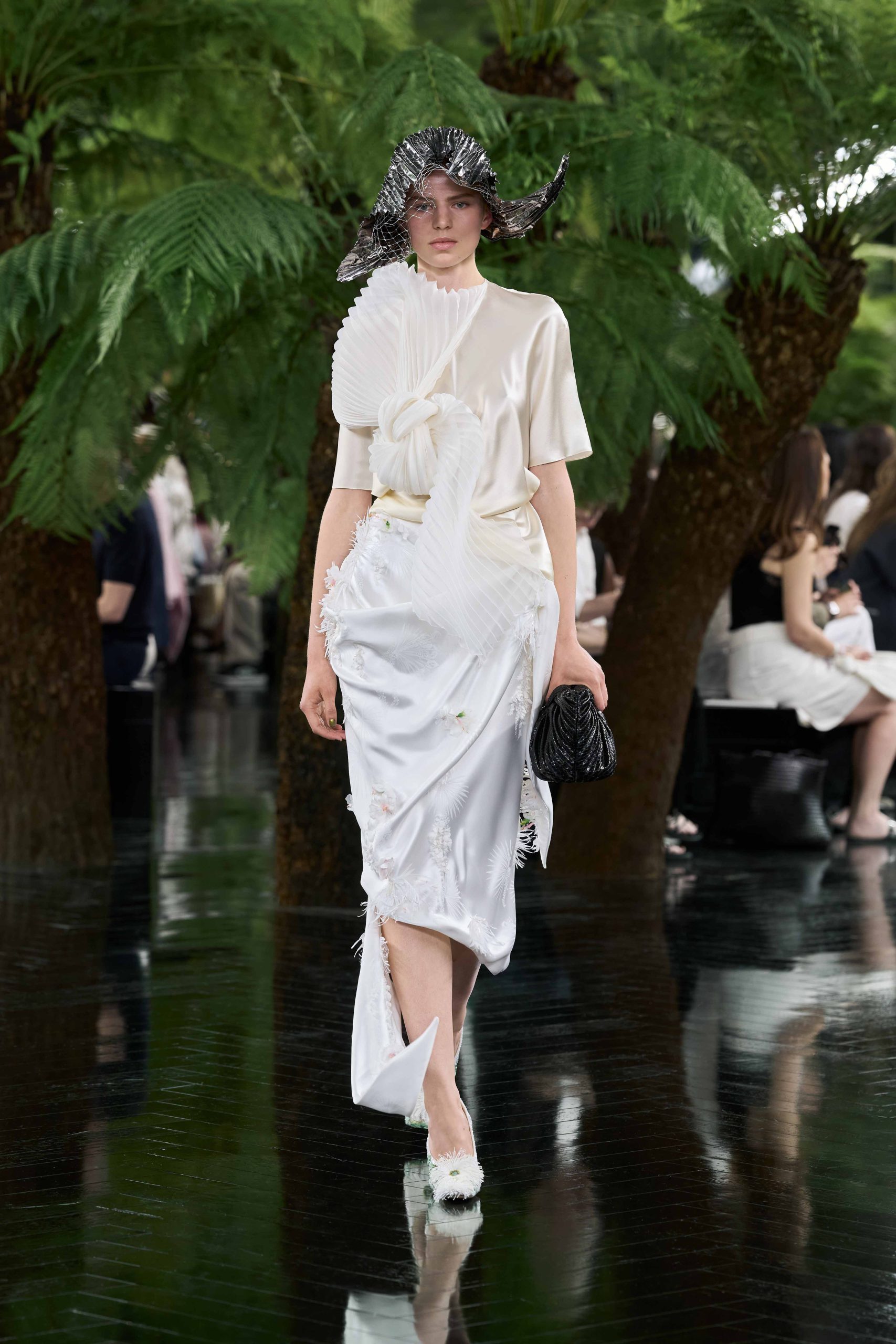
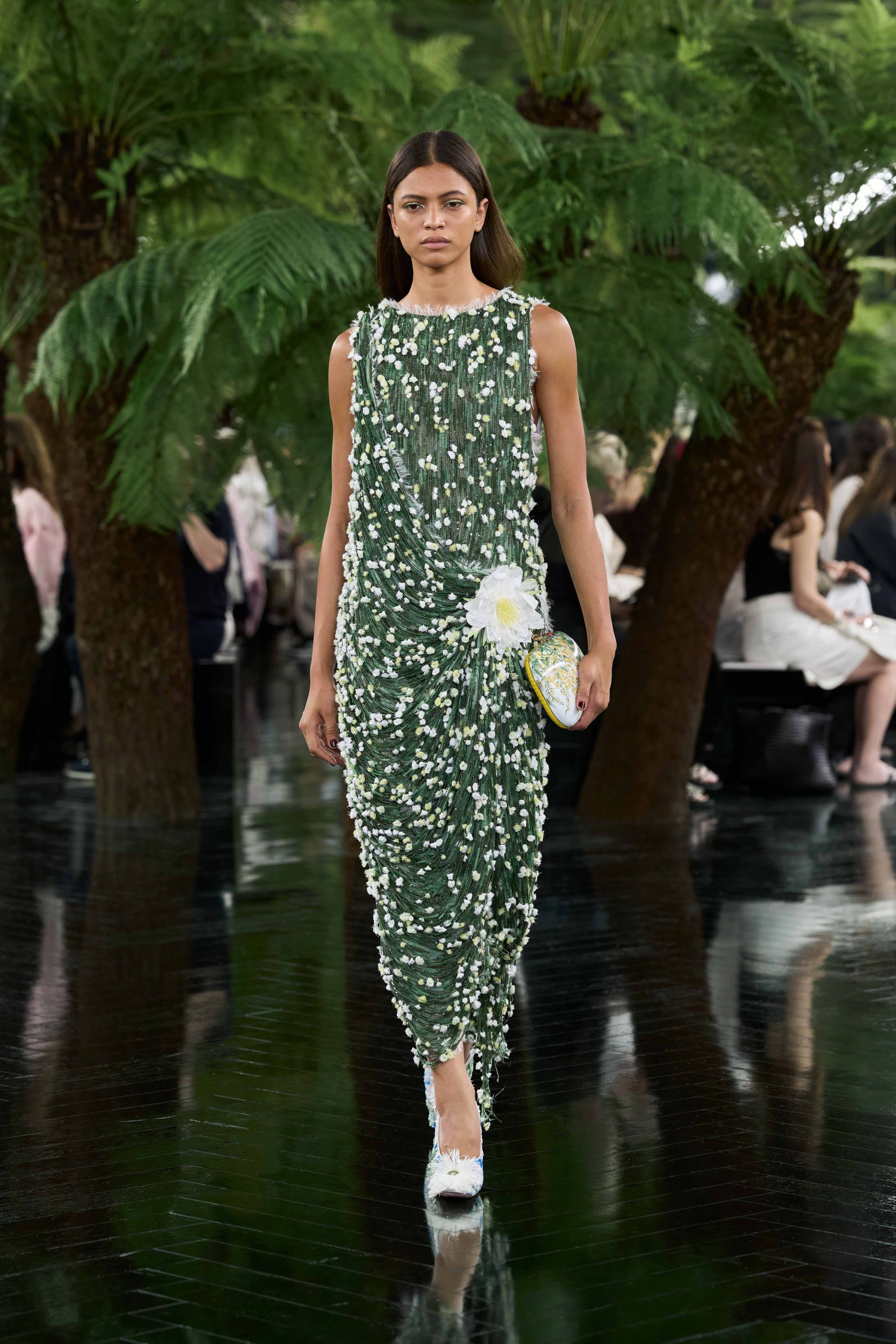
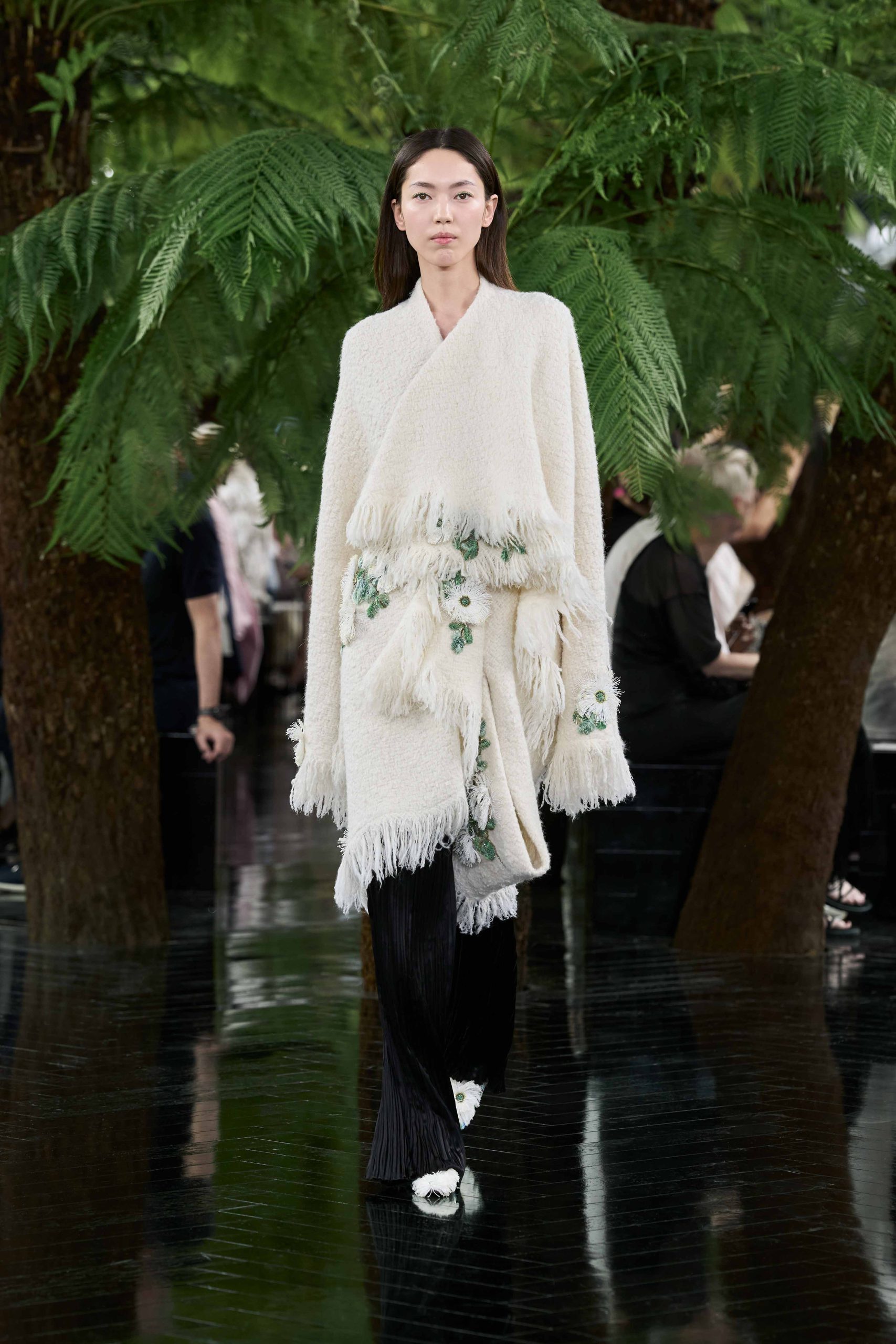
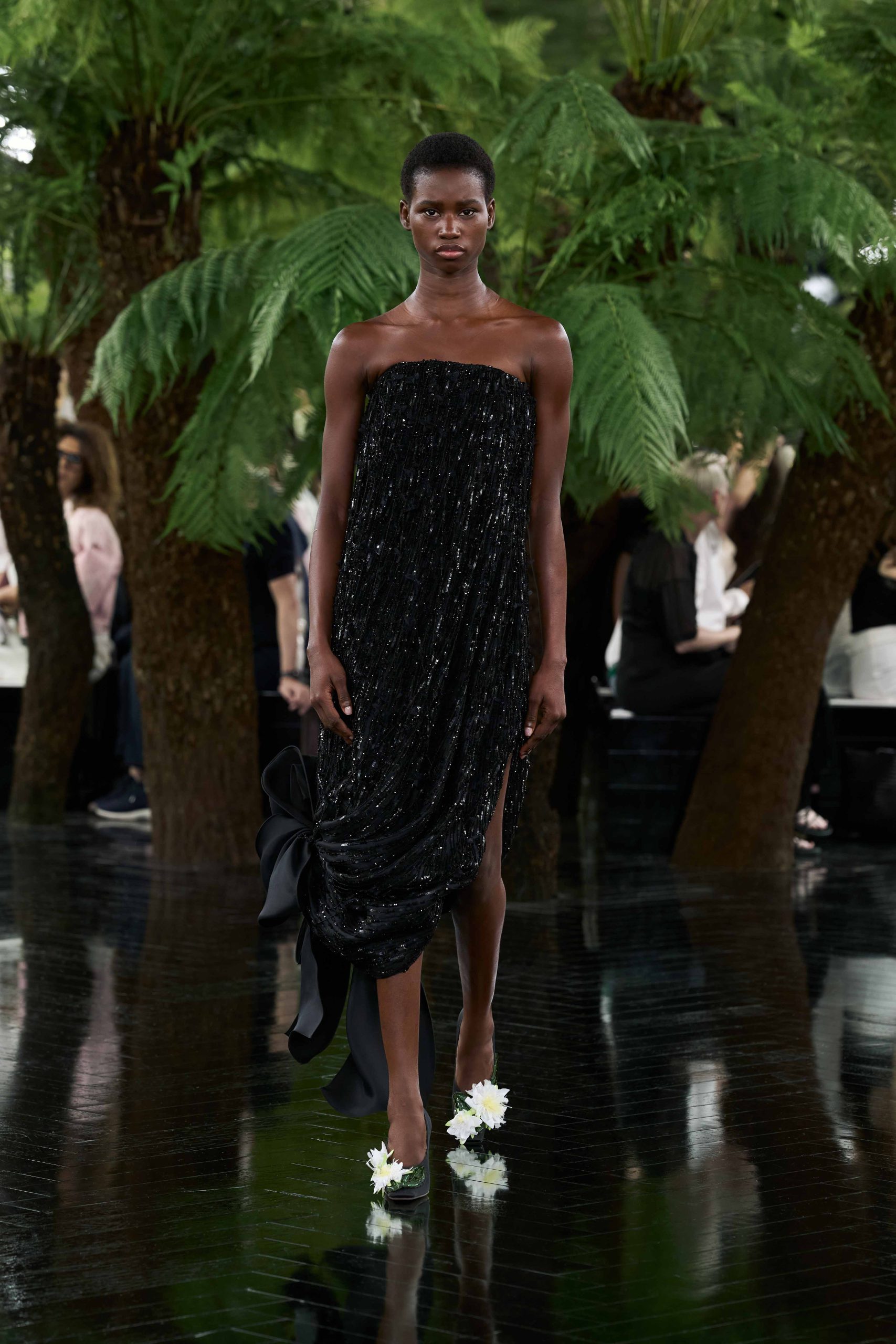
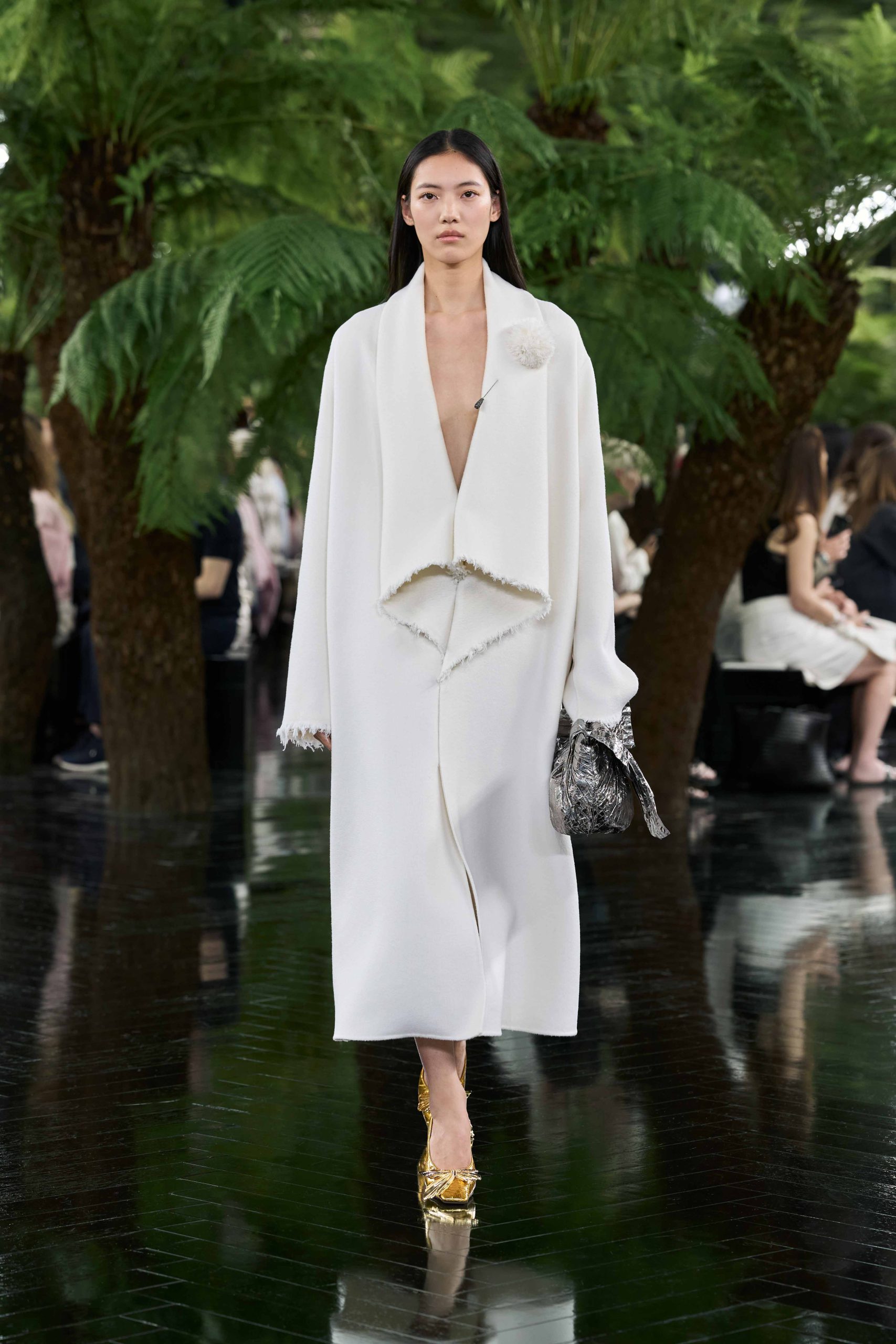
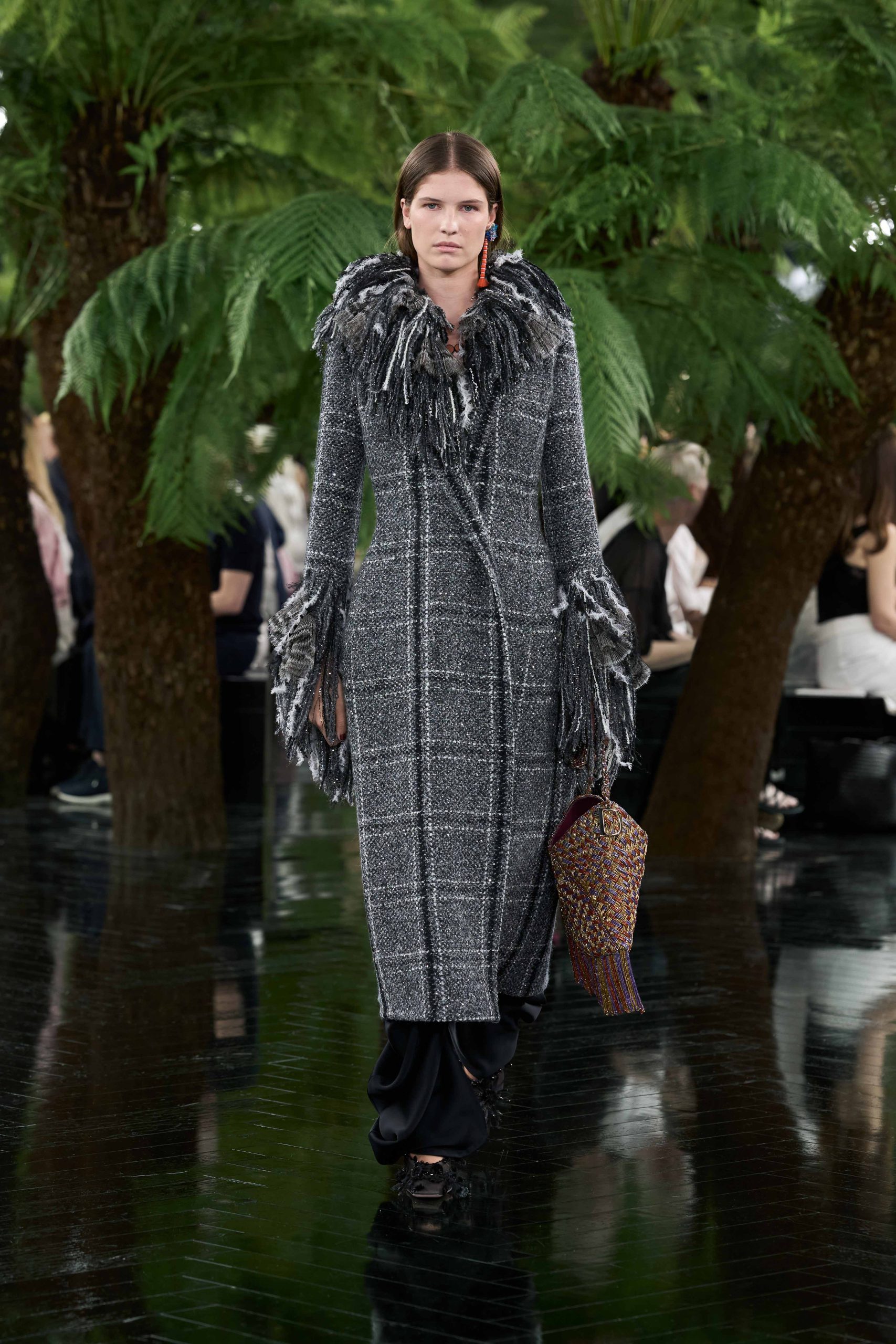
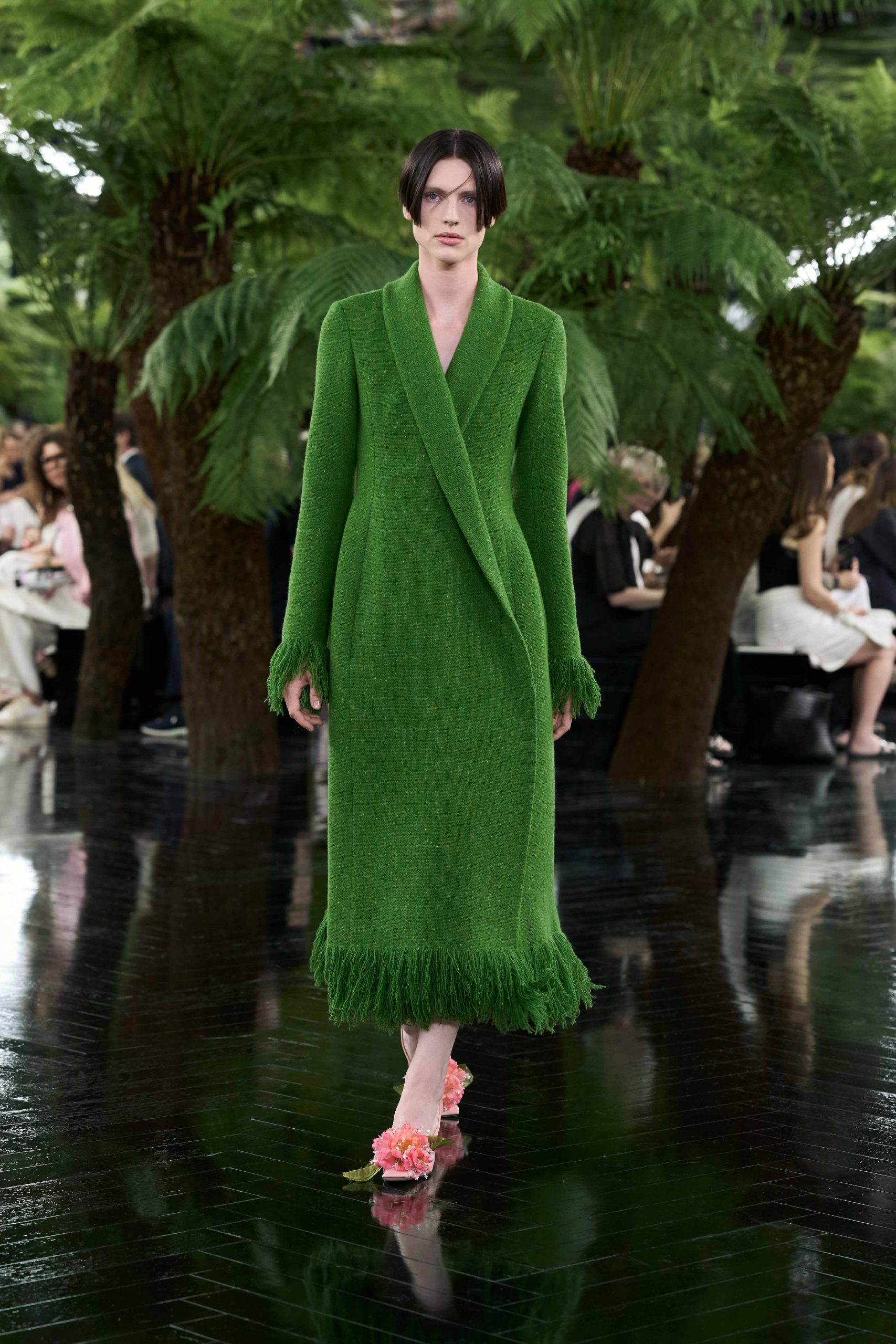
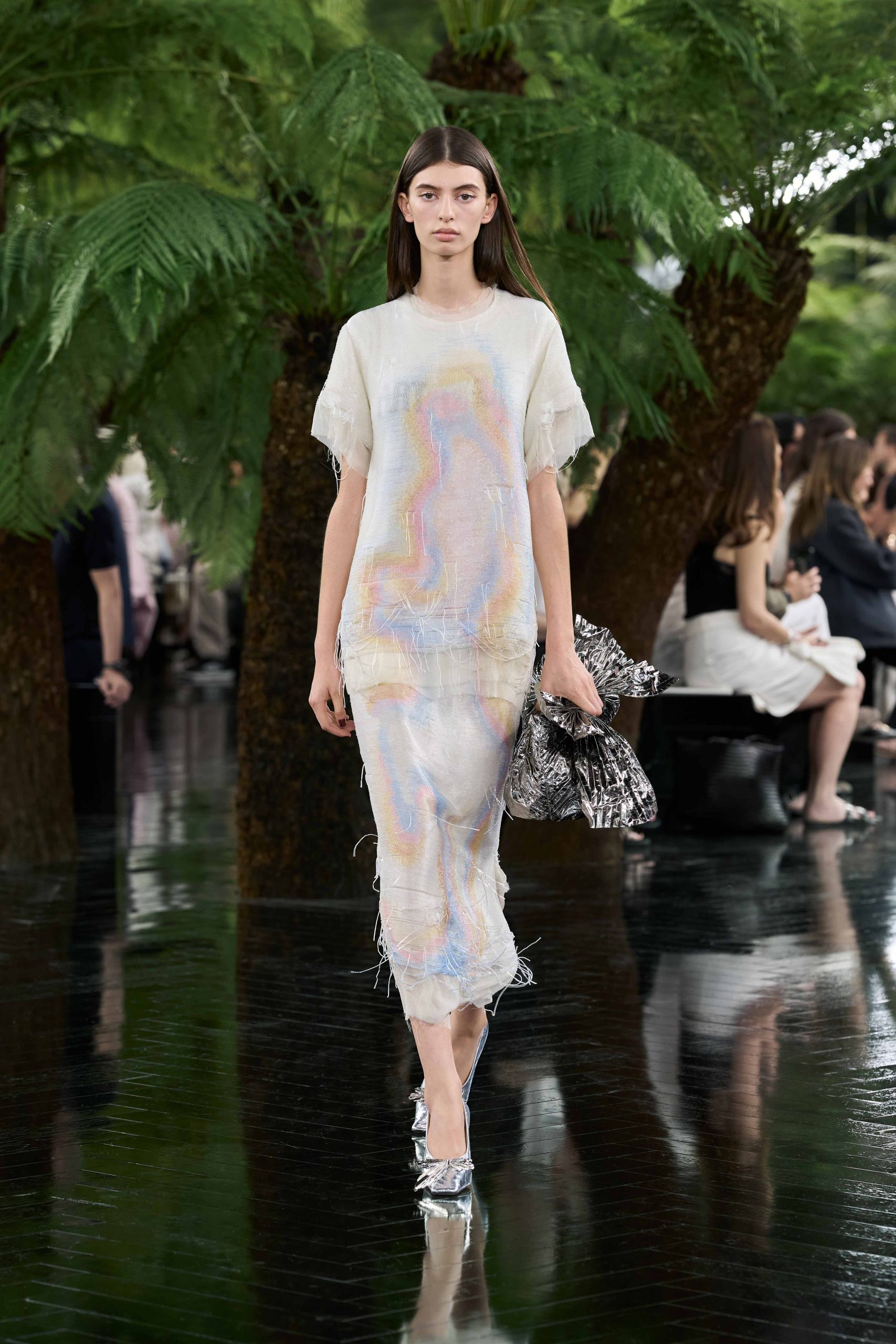
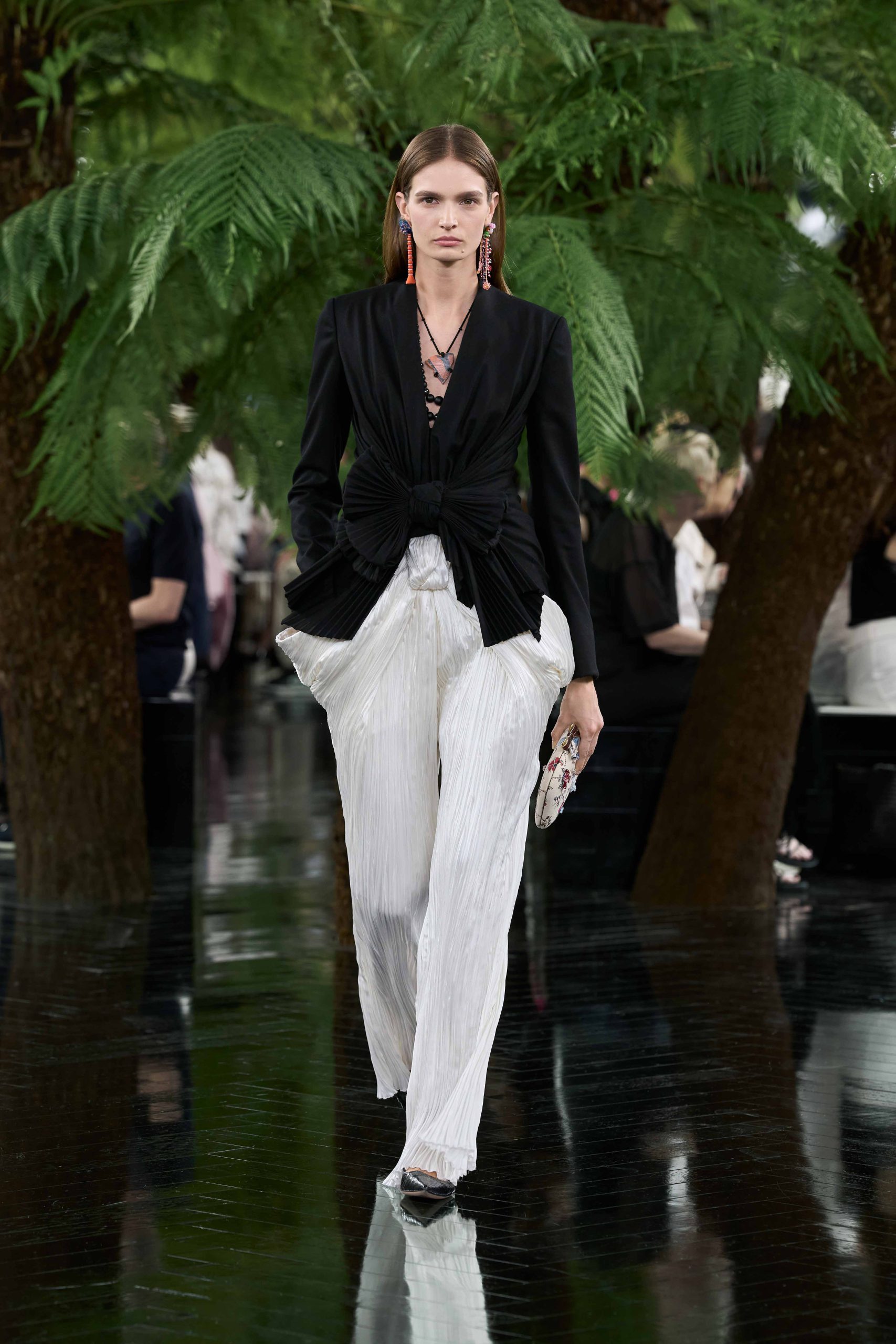
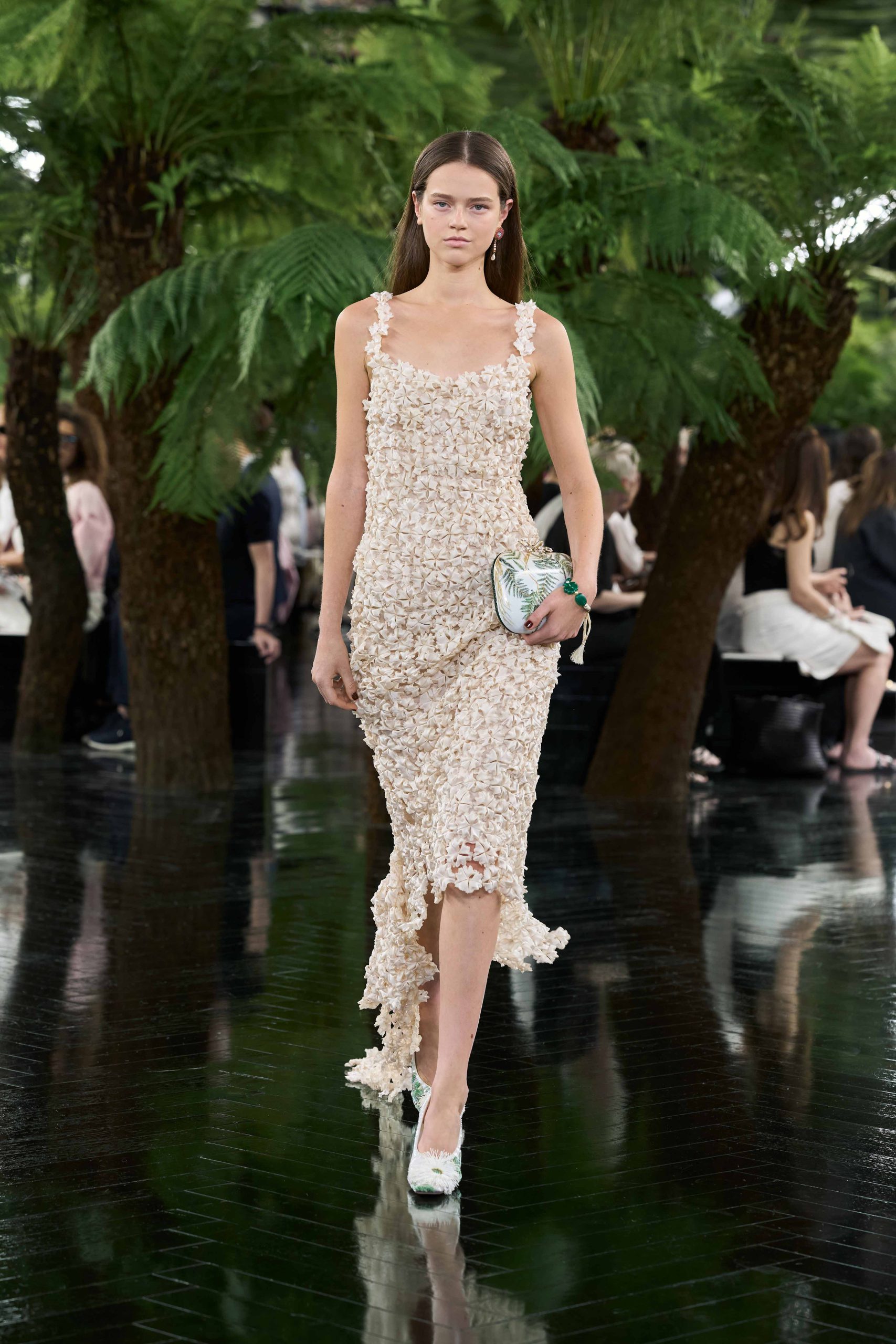
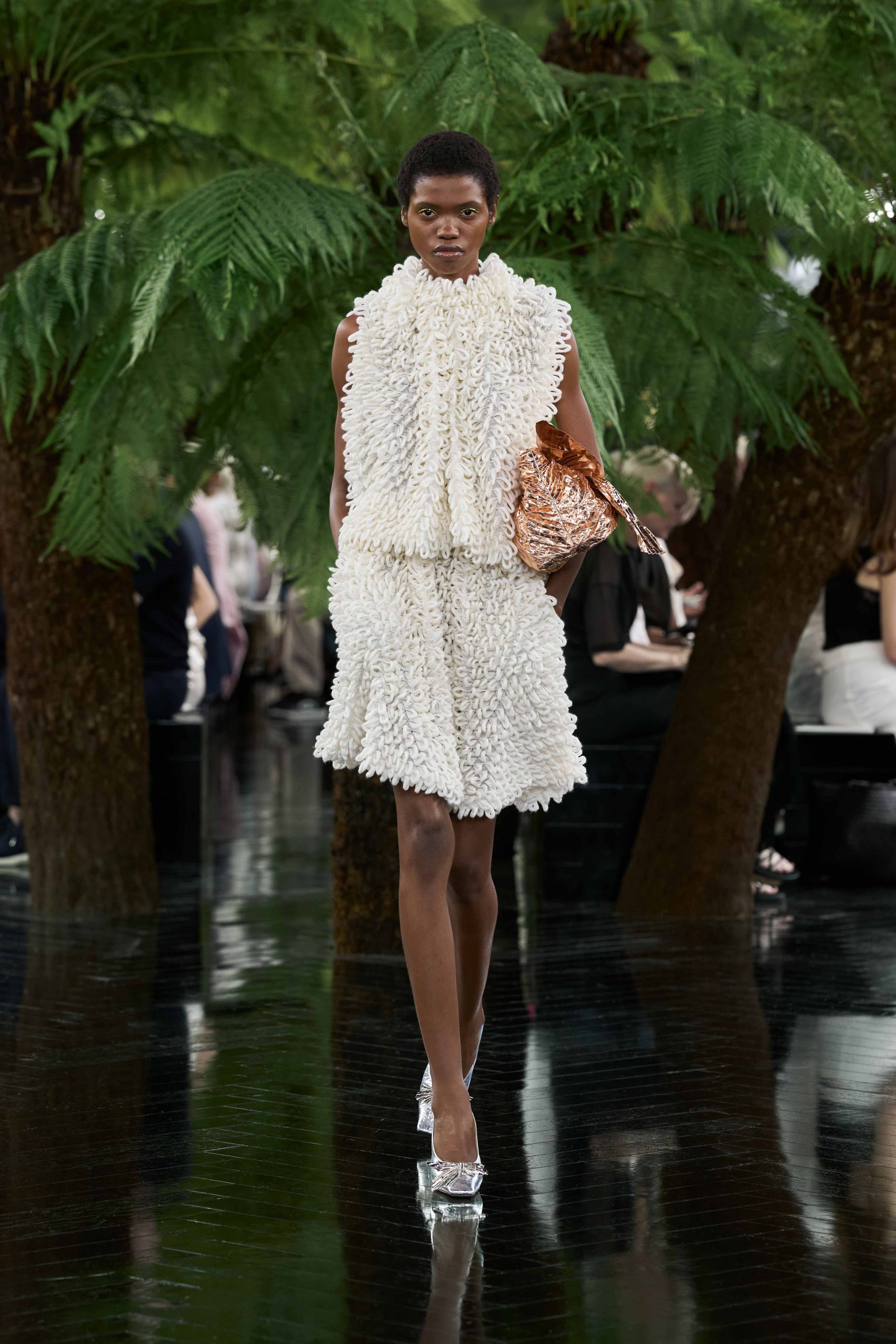
Christian Dior Haute Couture Fall-Winter 2026/2027 | Courtesy of ©Dior

Said to have been popularized by Marie Antoinette, who charged her Minister for Fashion, Rose Bertin to source a constant stream of one-of-a-kind dresses that would distinguish her at court, Paris was the birthplace of haute couture, where outfits were handmade from the most expensive and rarest materials. Collectors would make the twice-annual pilgrimage to the French capital for custom showings in private salons. Couture dressmaking has remained largely unchanged since the 19th century, with some pieces taking hundreds of hours to create and every detail personalized and engineered to the buyer’s body, with multiple fittings required.

Couture was, and remains, a rarefied club, focused on relationships, recommendations, ability – and willingness – to pay, that’s open to a mere few thousand privileged and private clients globally.

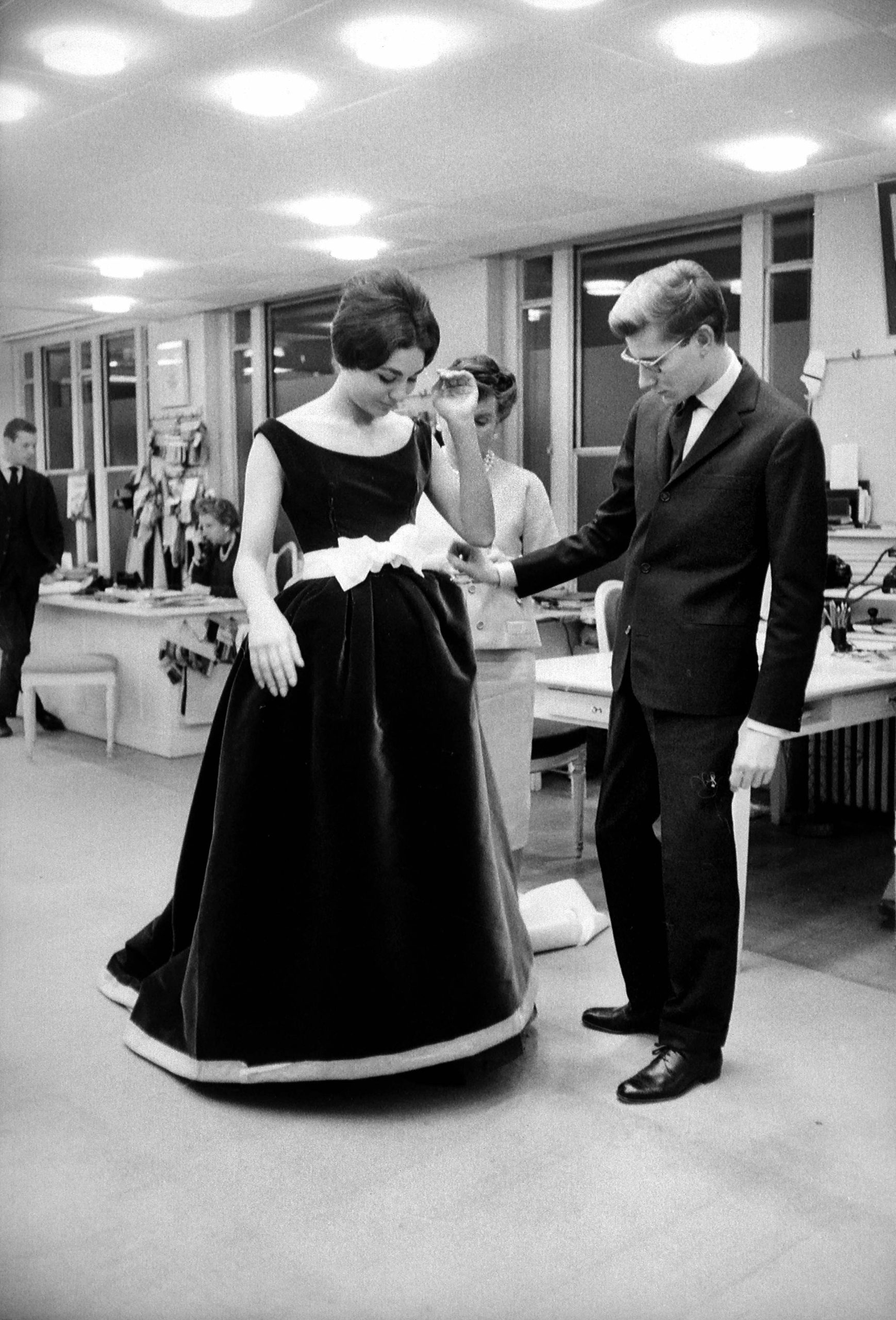
FRANCE - CIRCA 1959: Farah Dibah, empress of Iran, at Yves Saint Laurent's, French couturier. Paris, November, 1959. | Roger Viollet via Getty Images
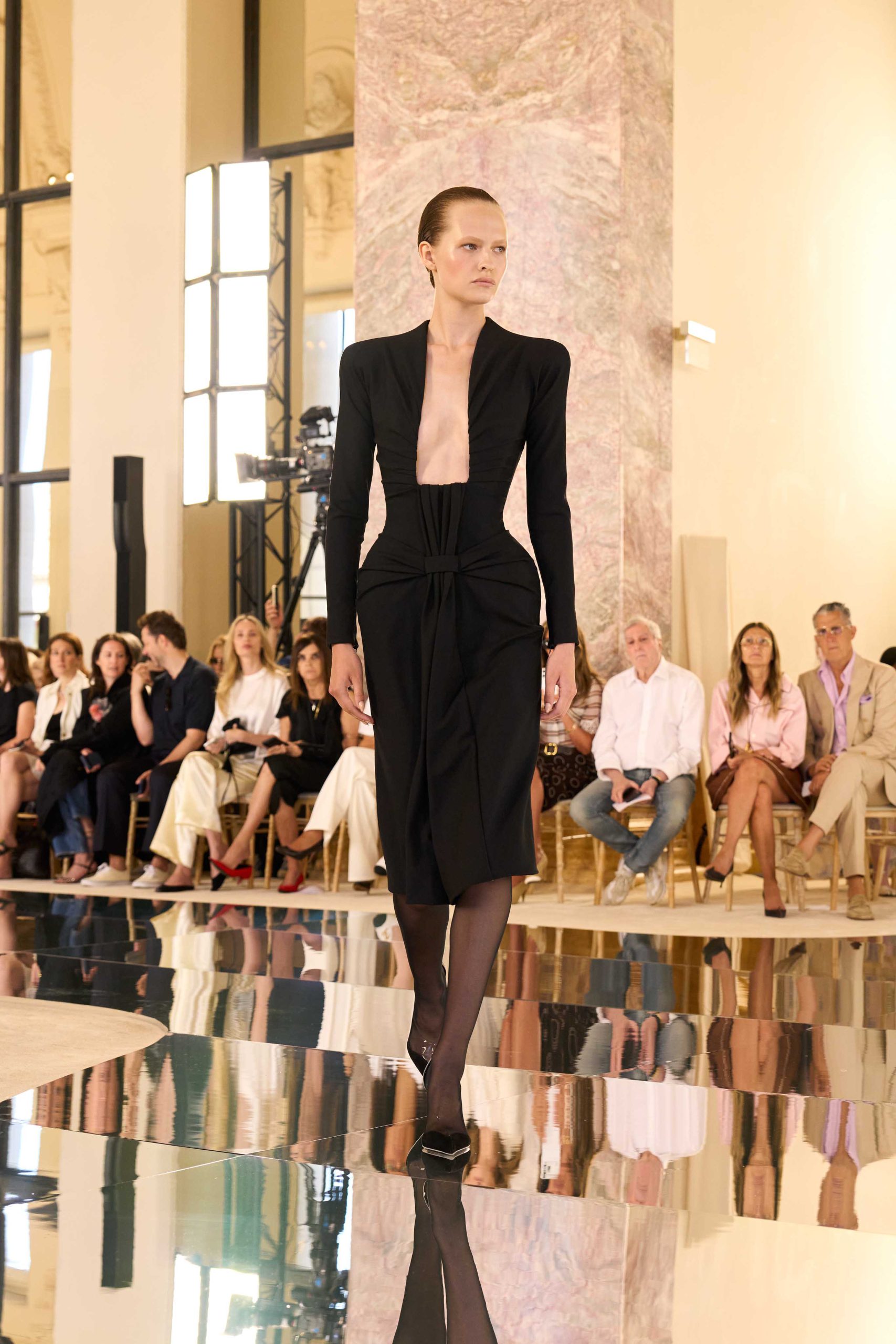
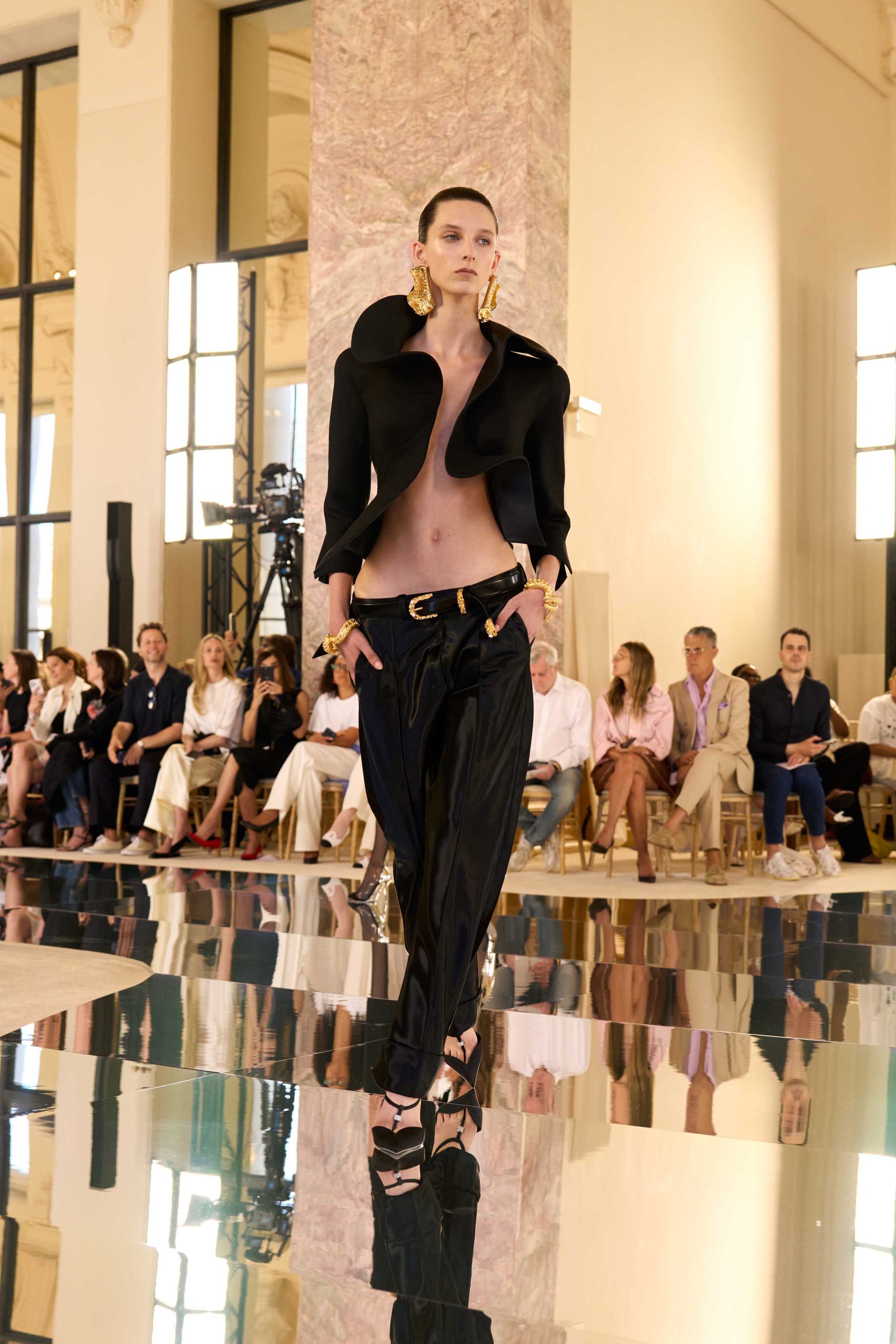
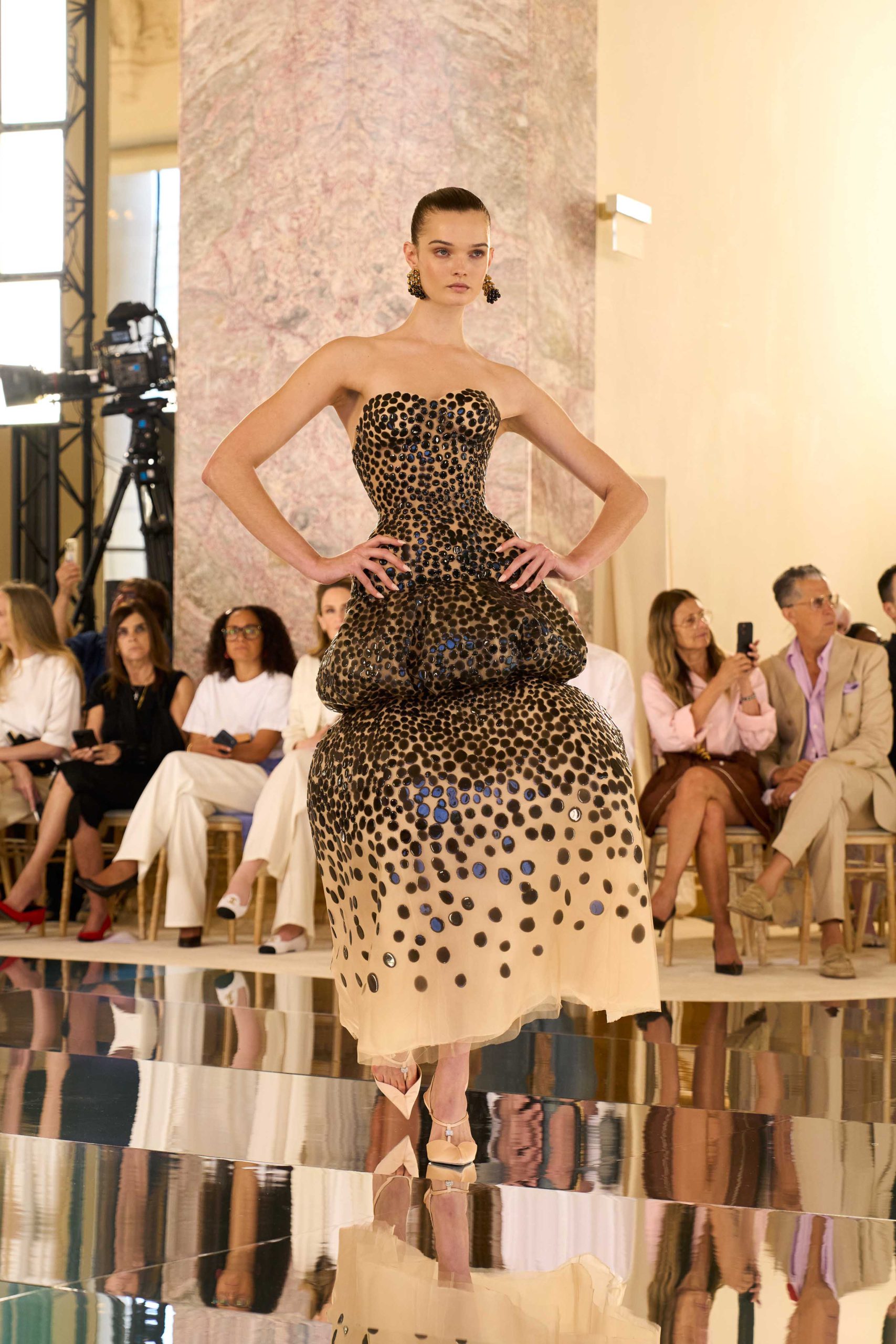
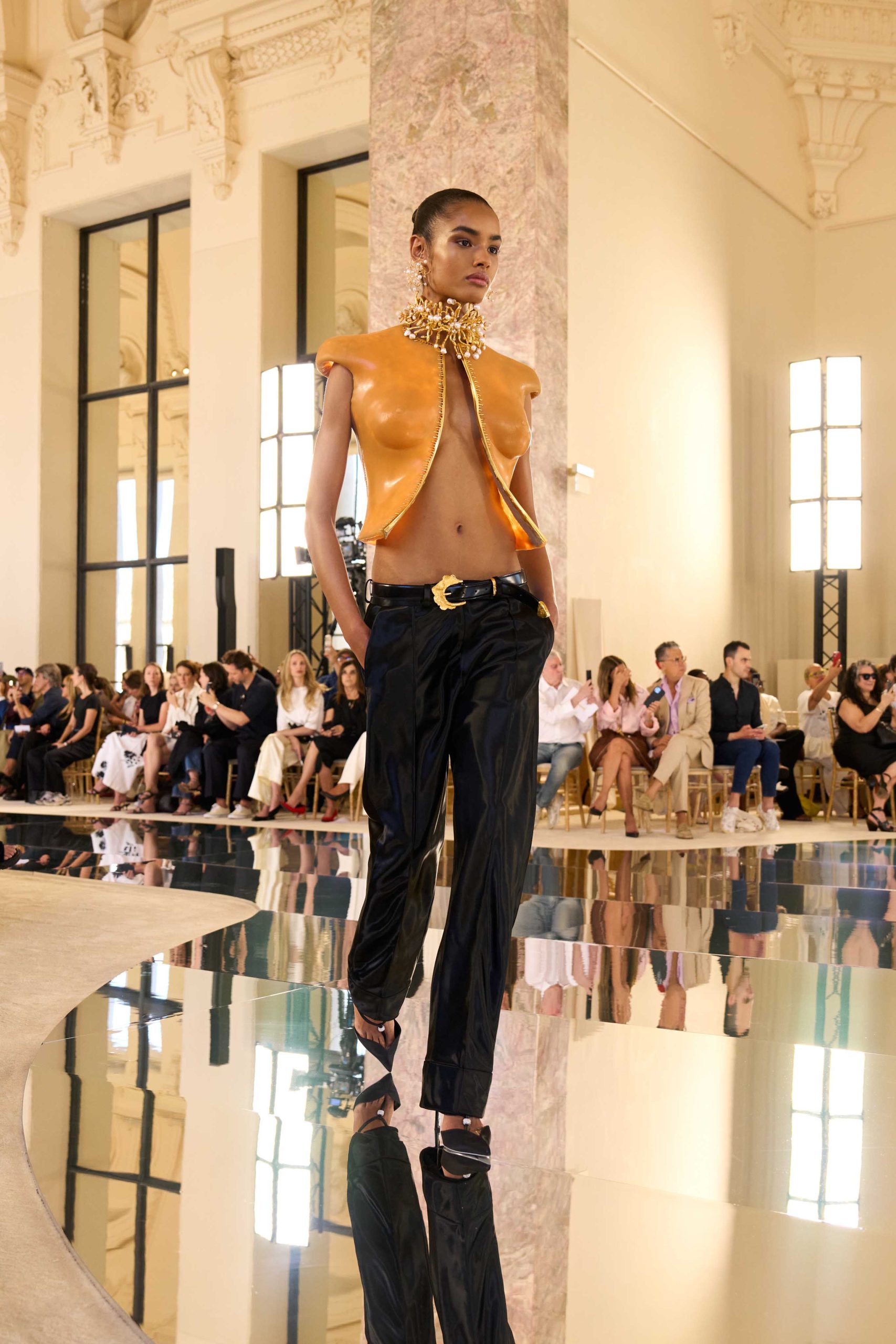
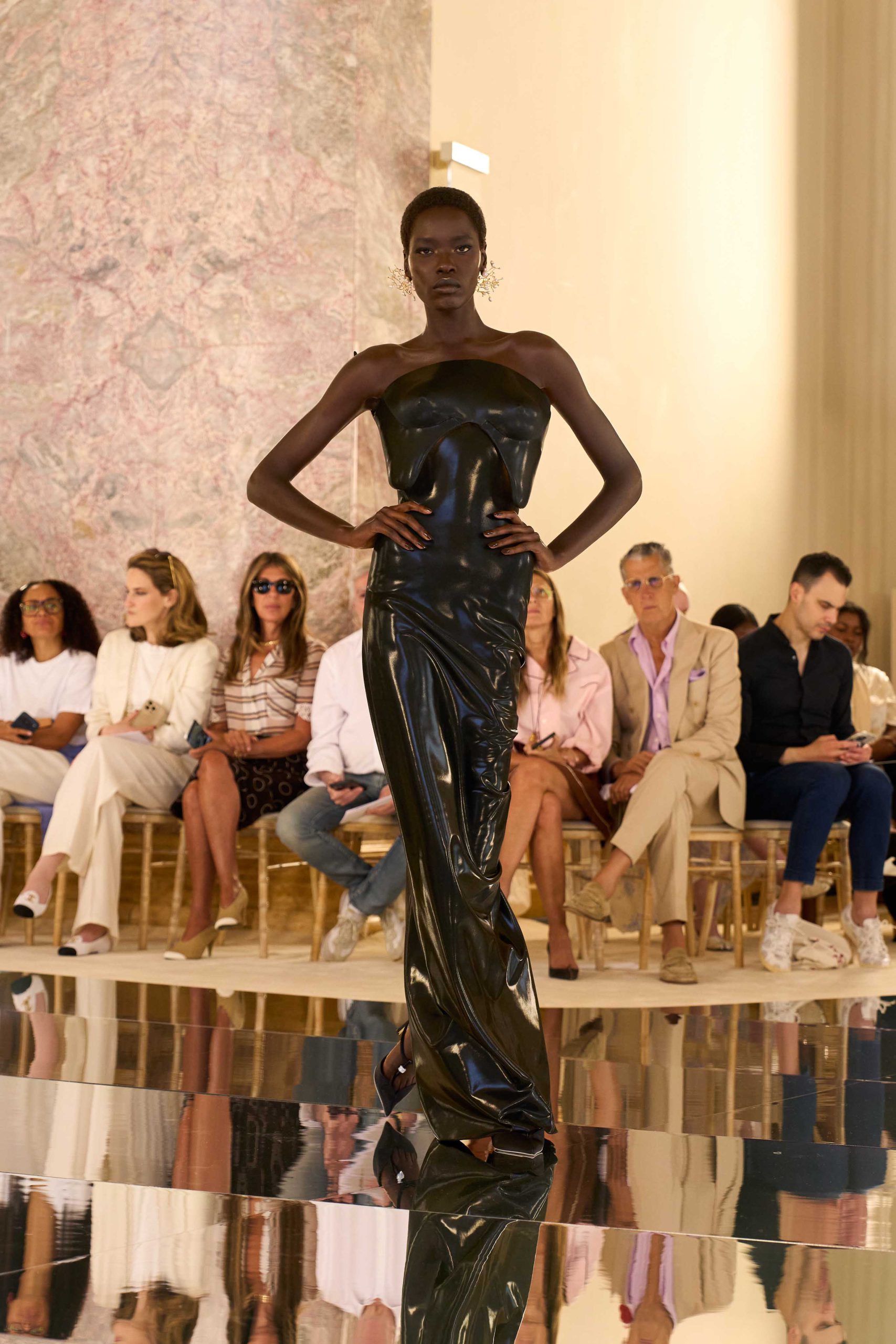
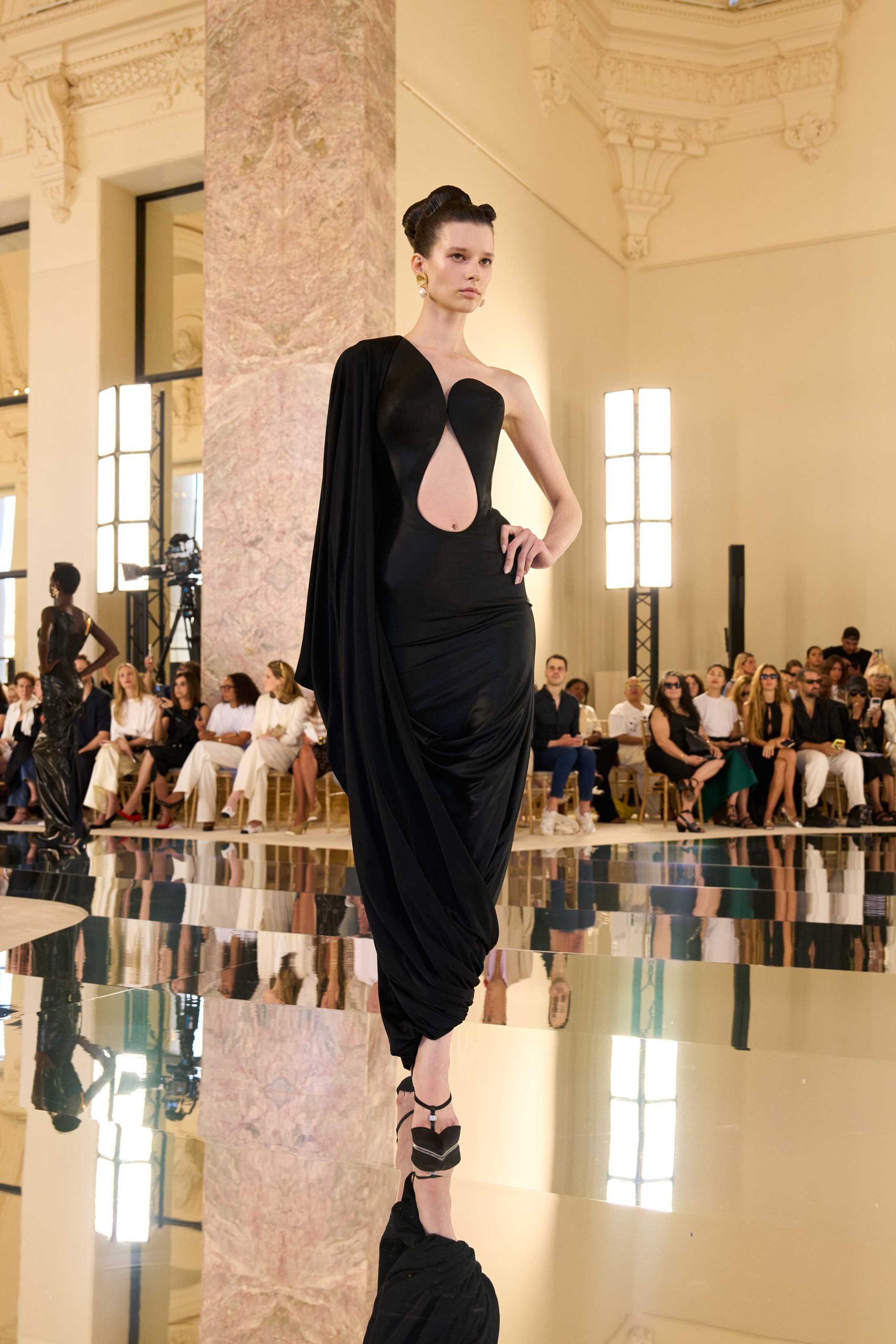
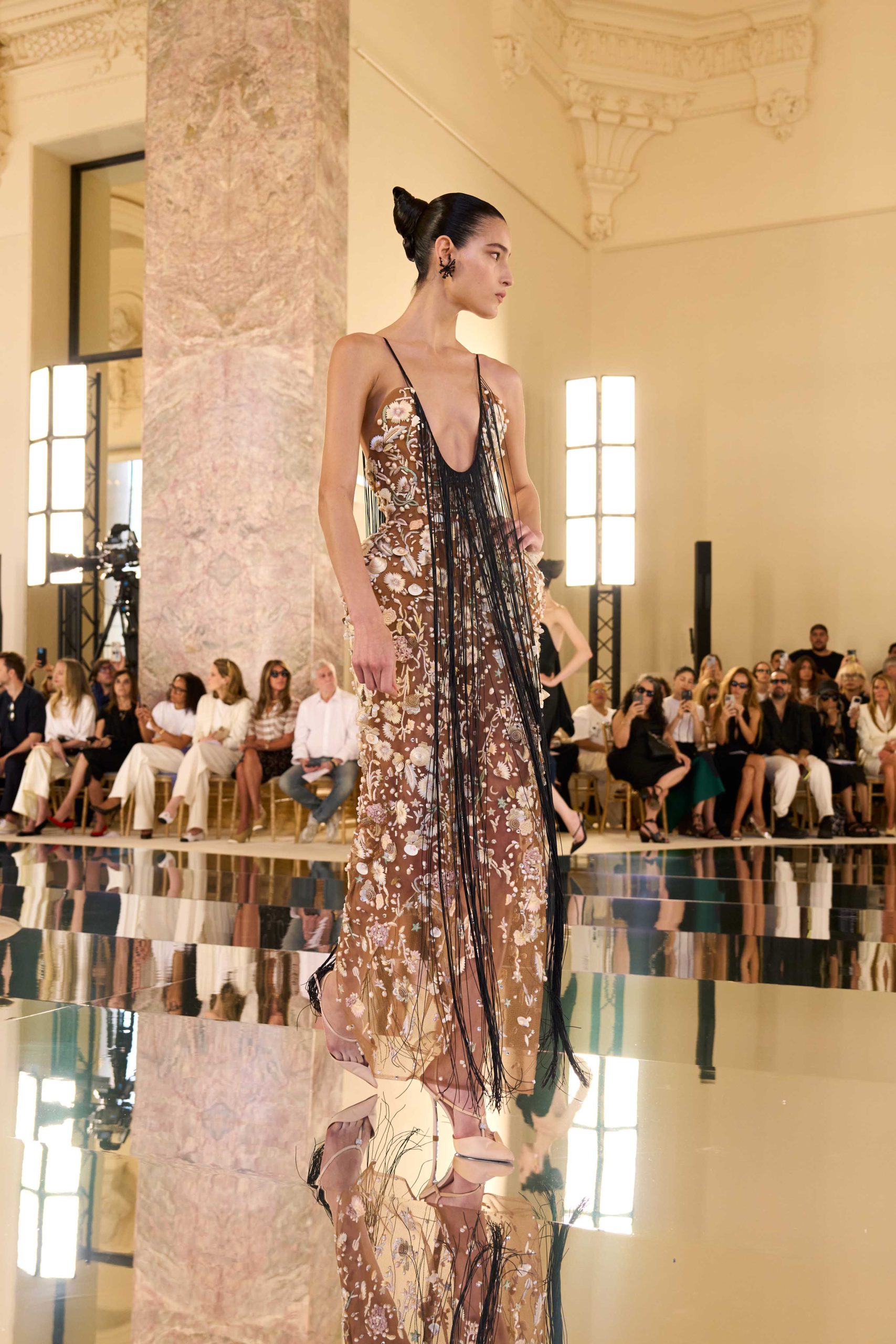
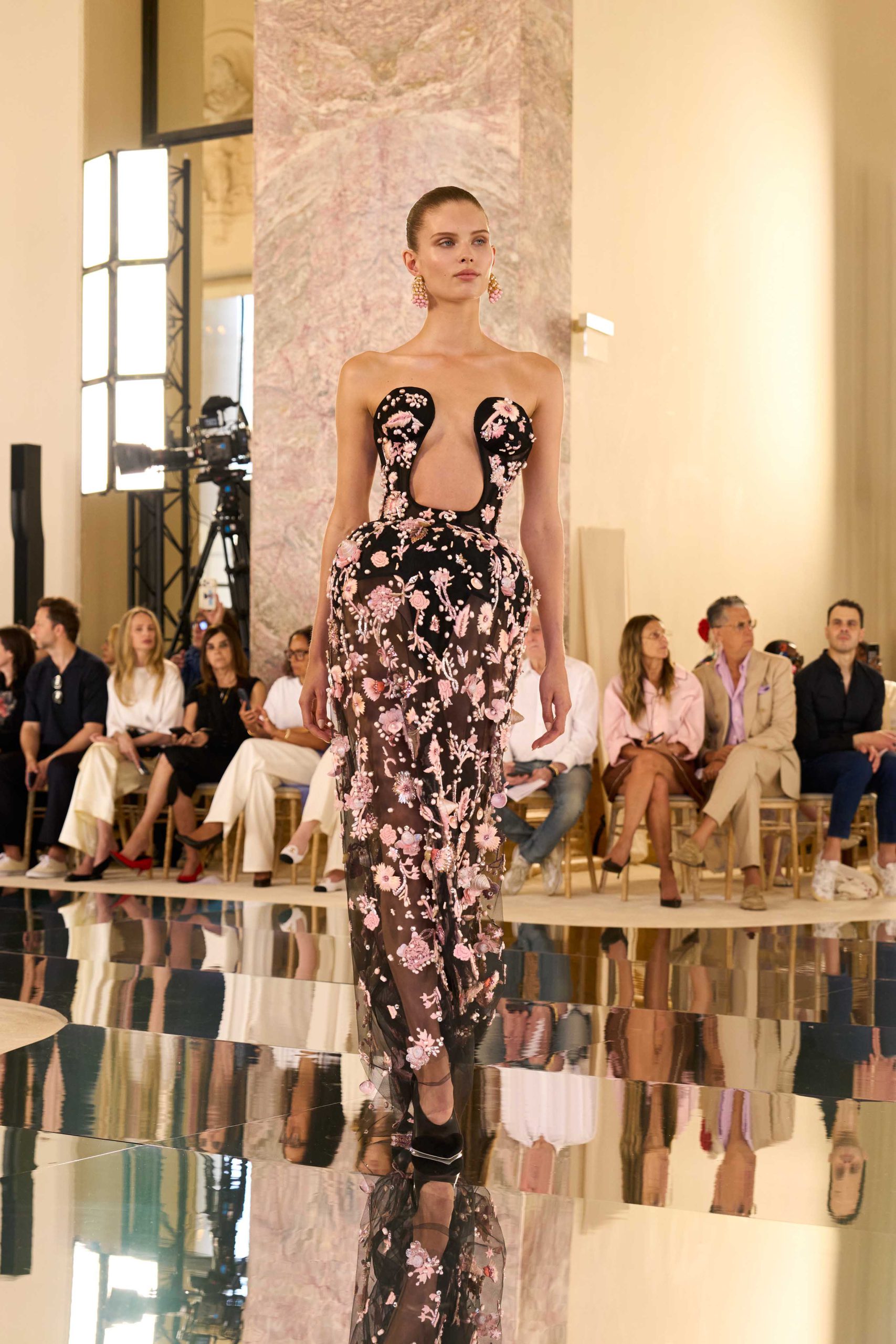
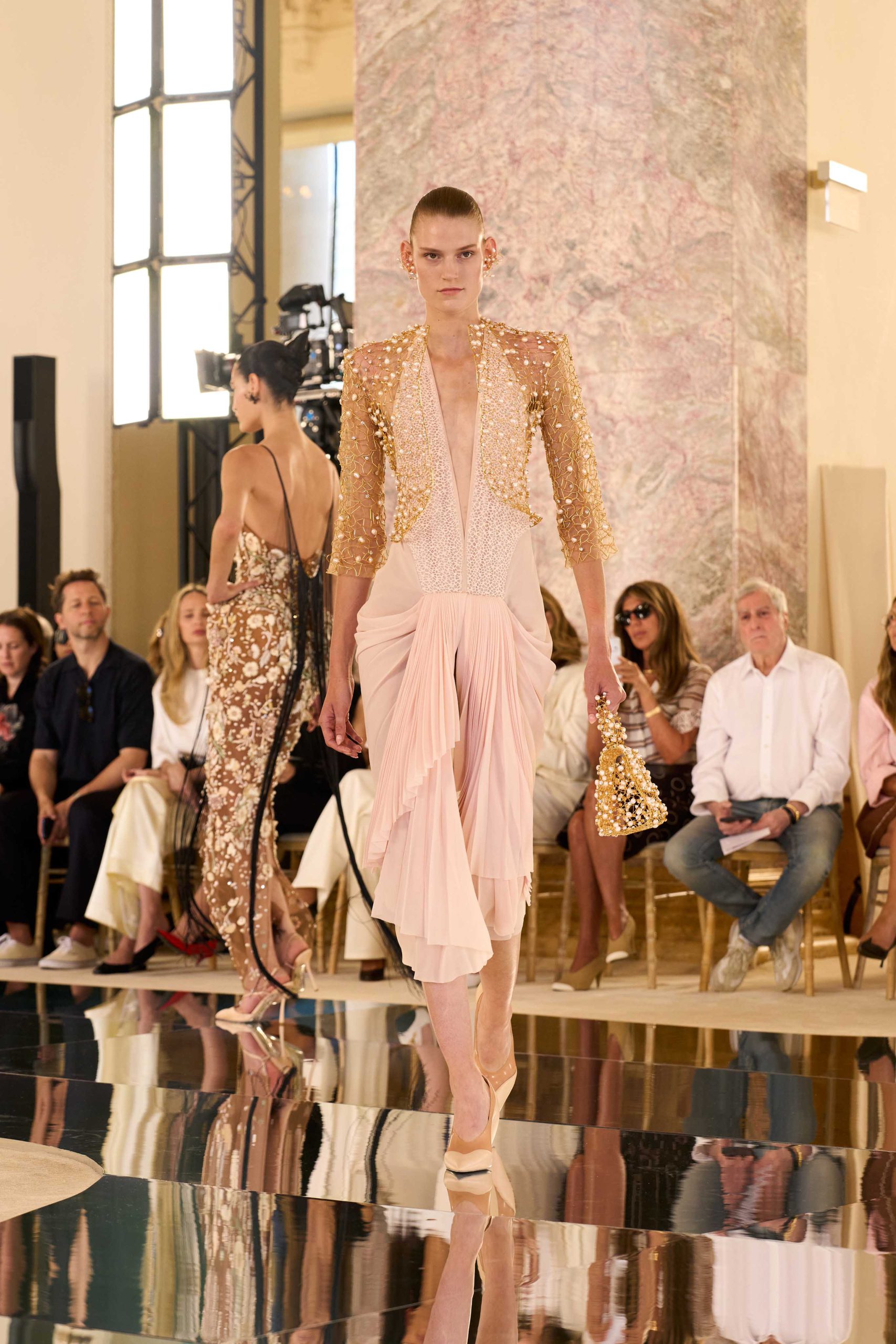
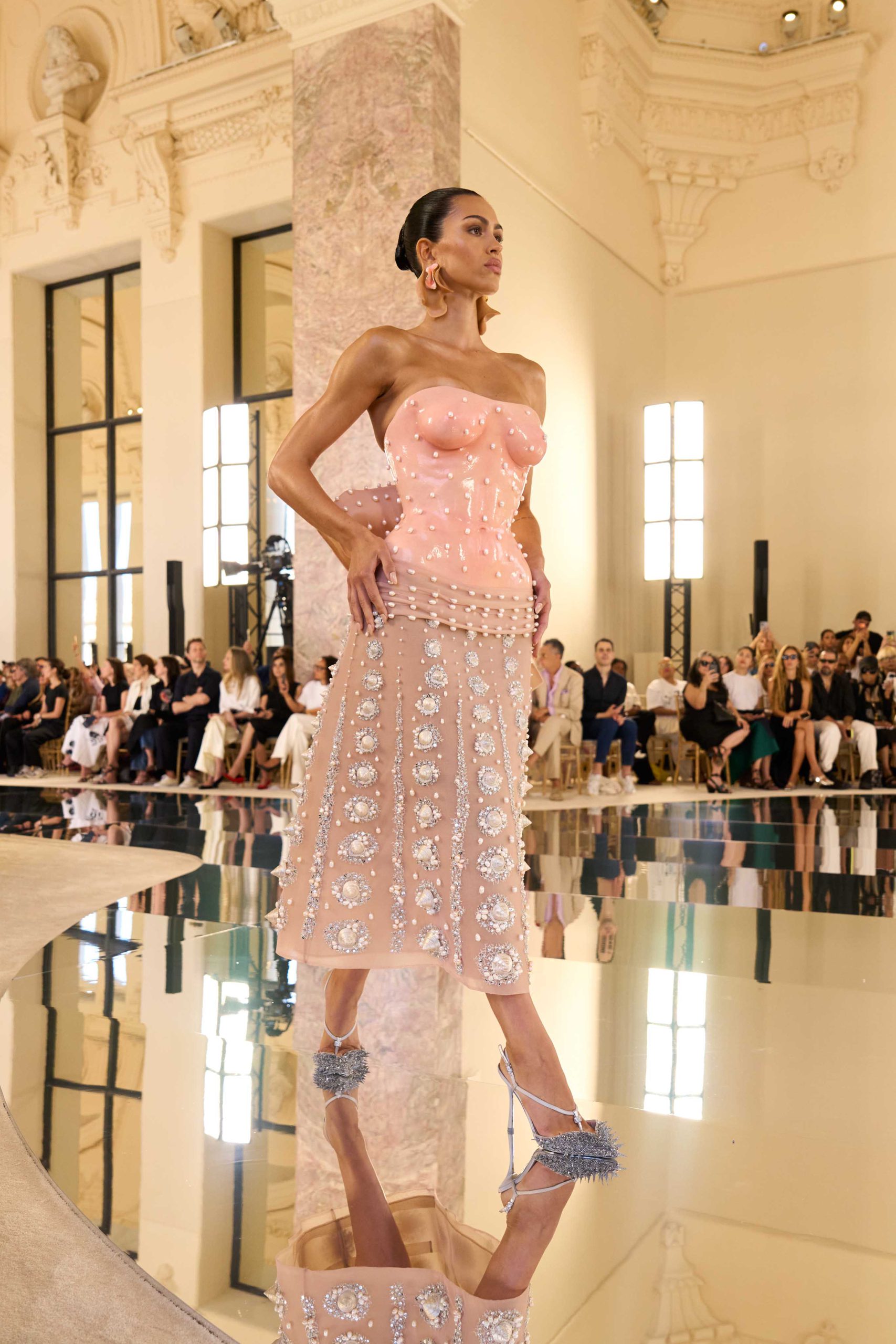
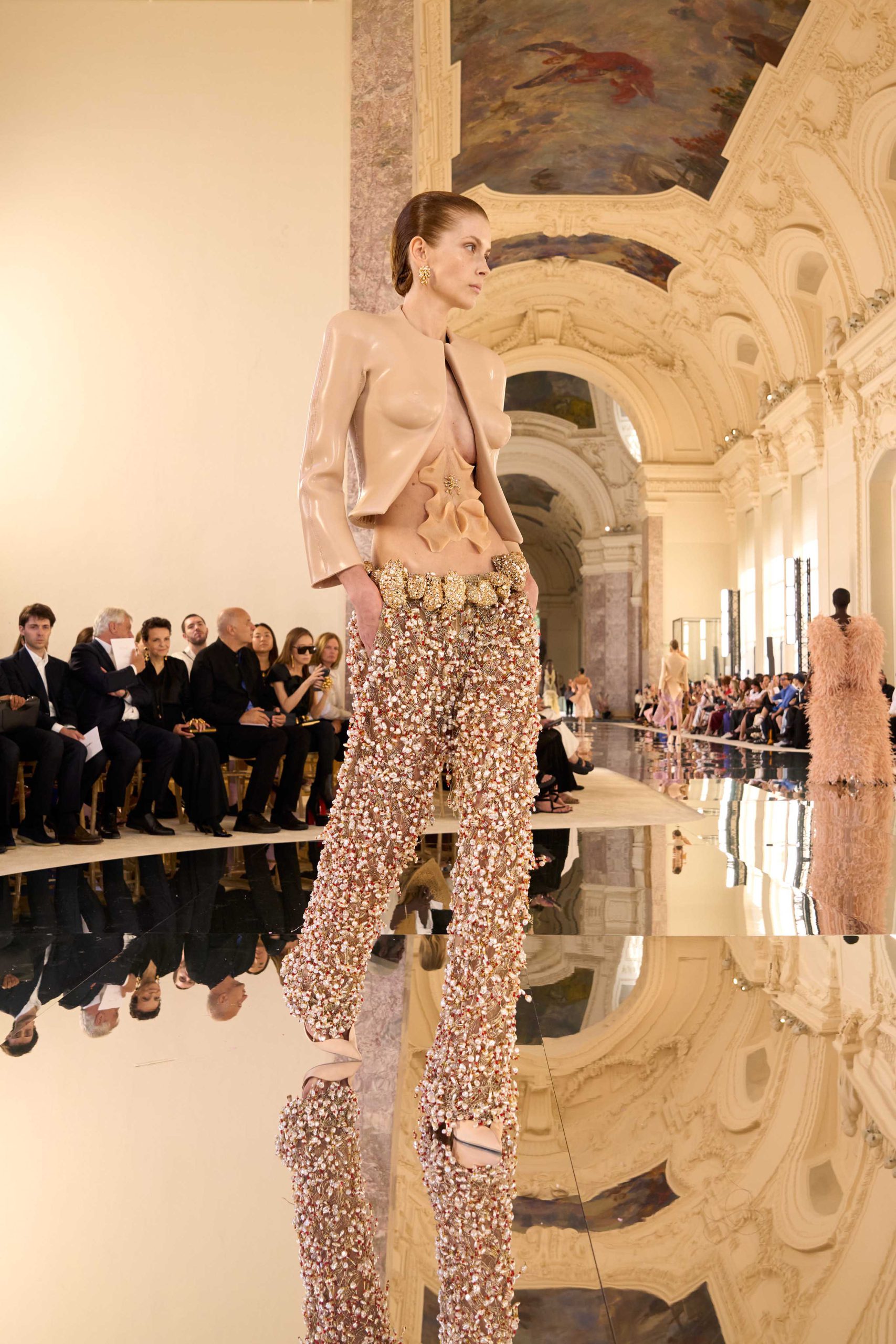
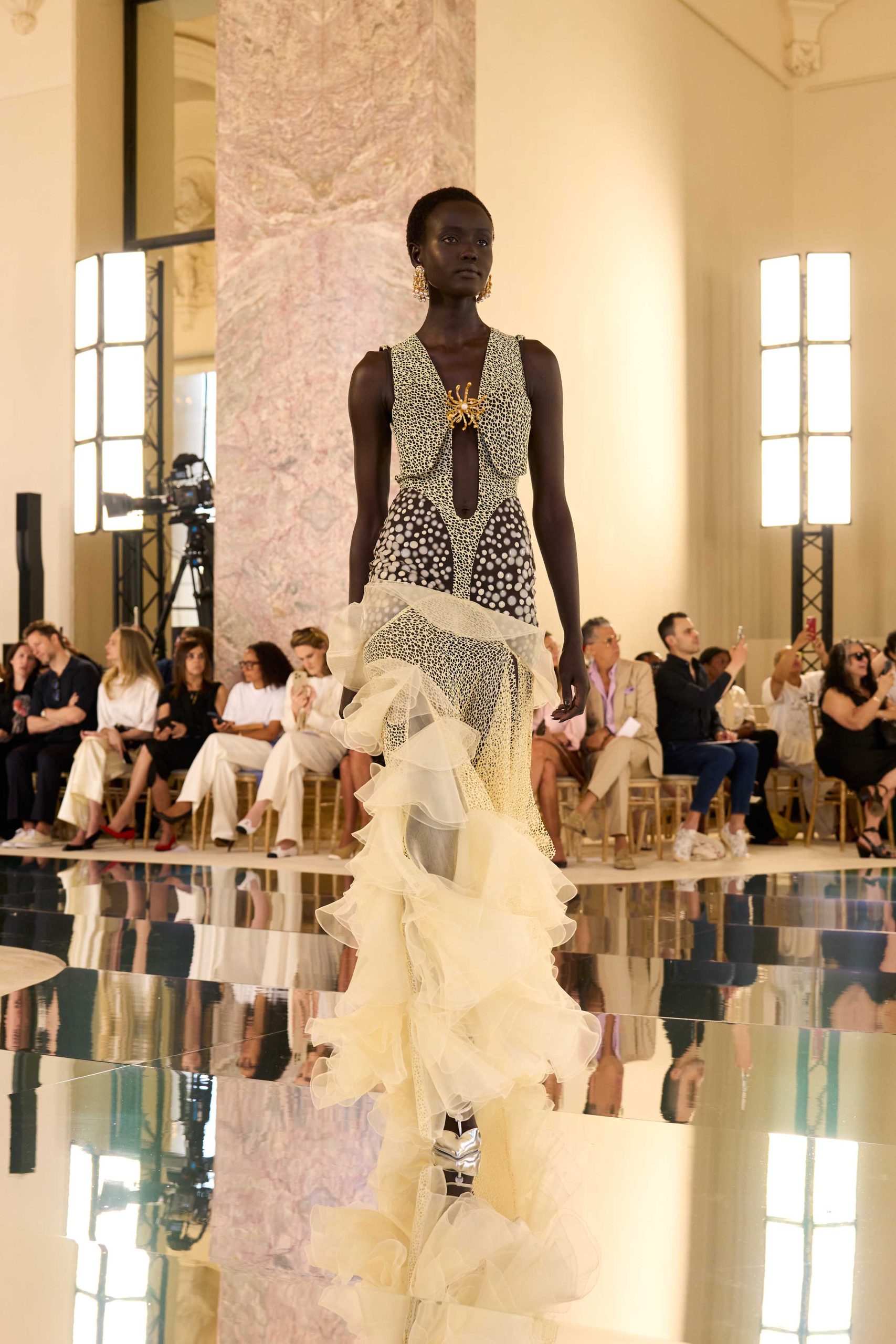
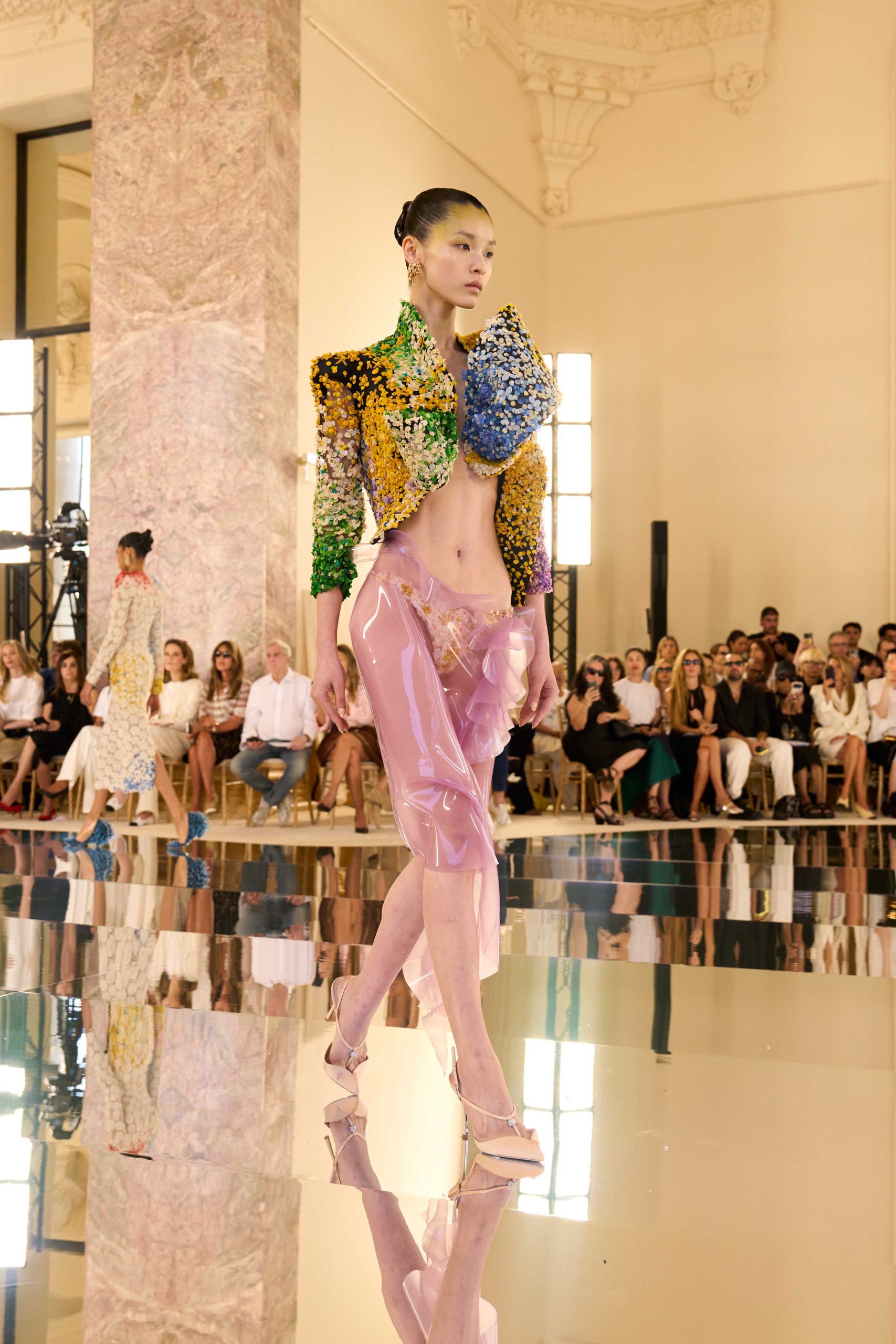
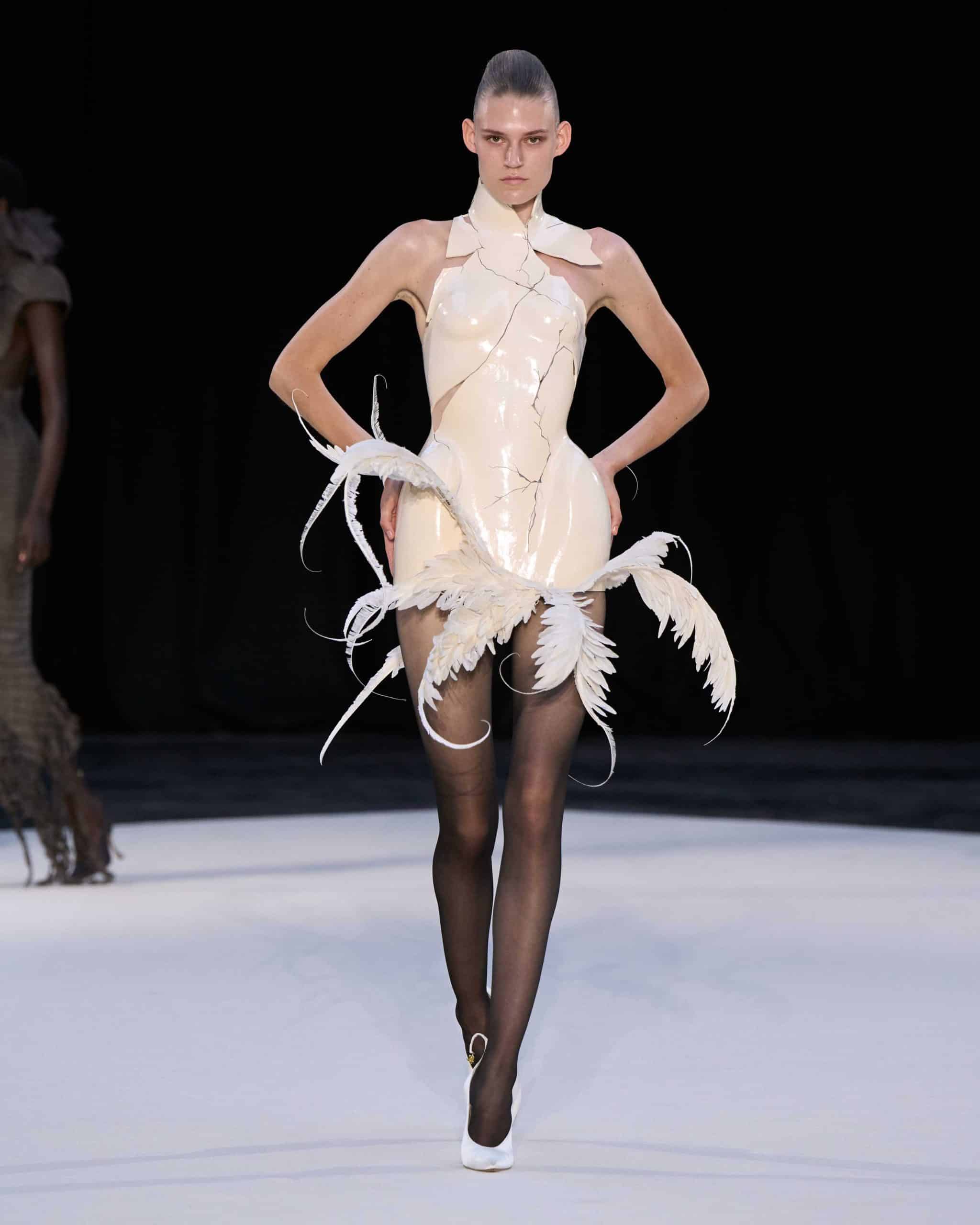
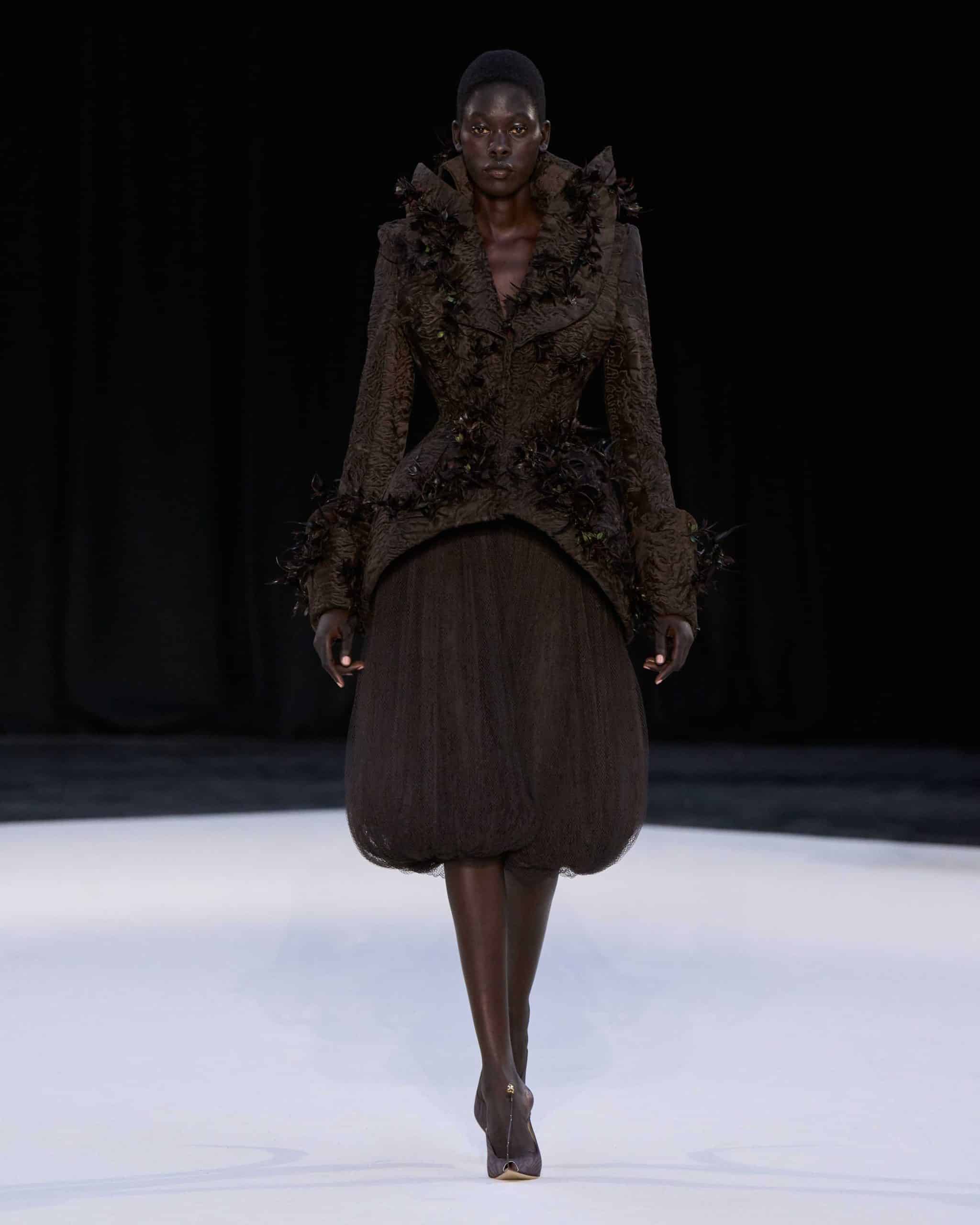
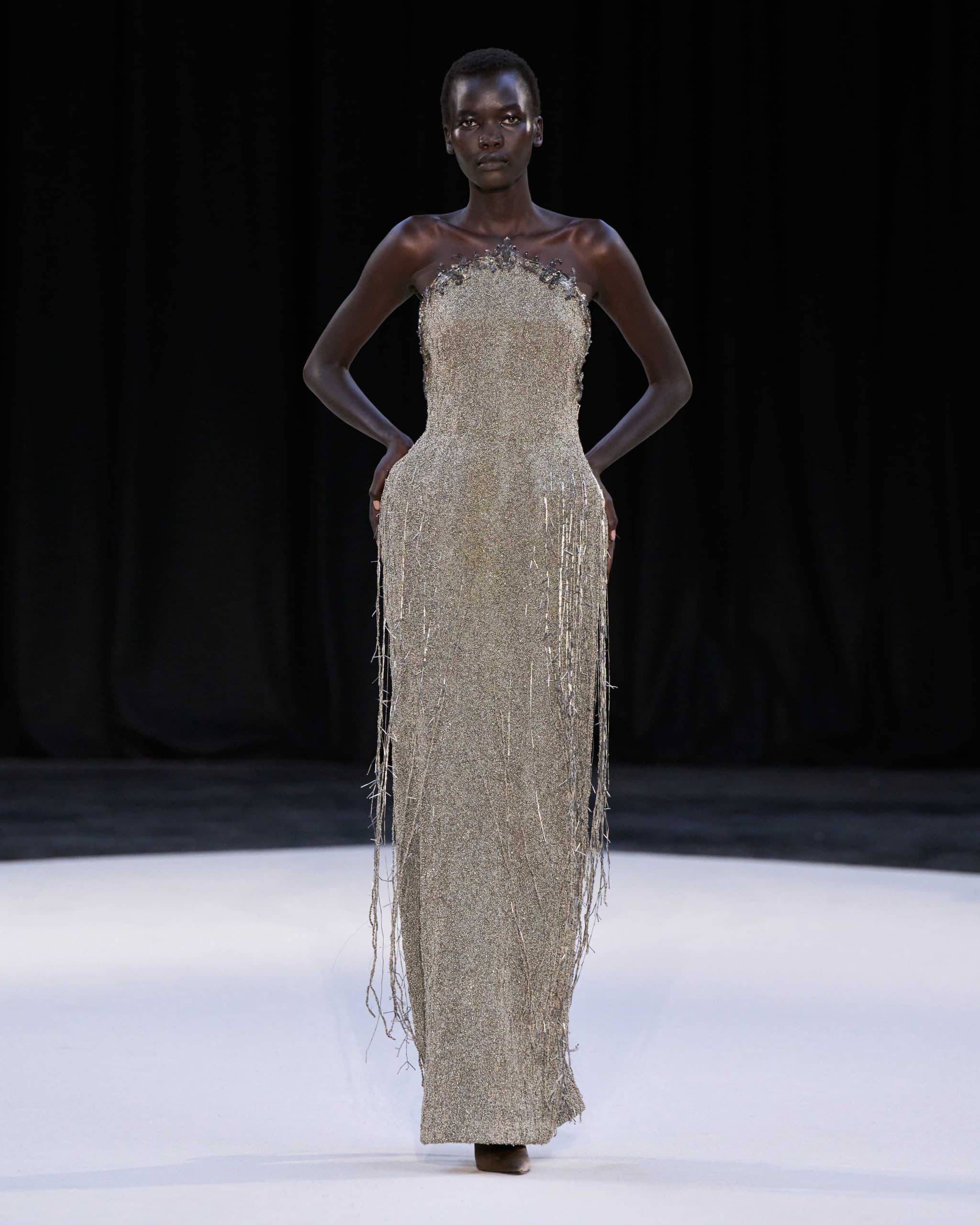
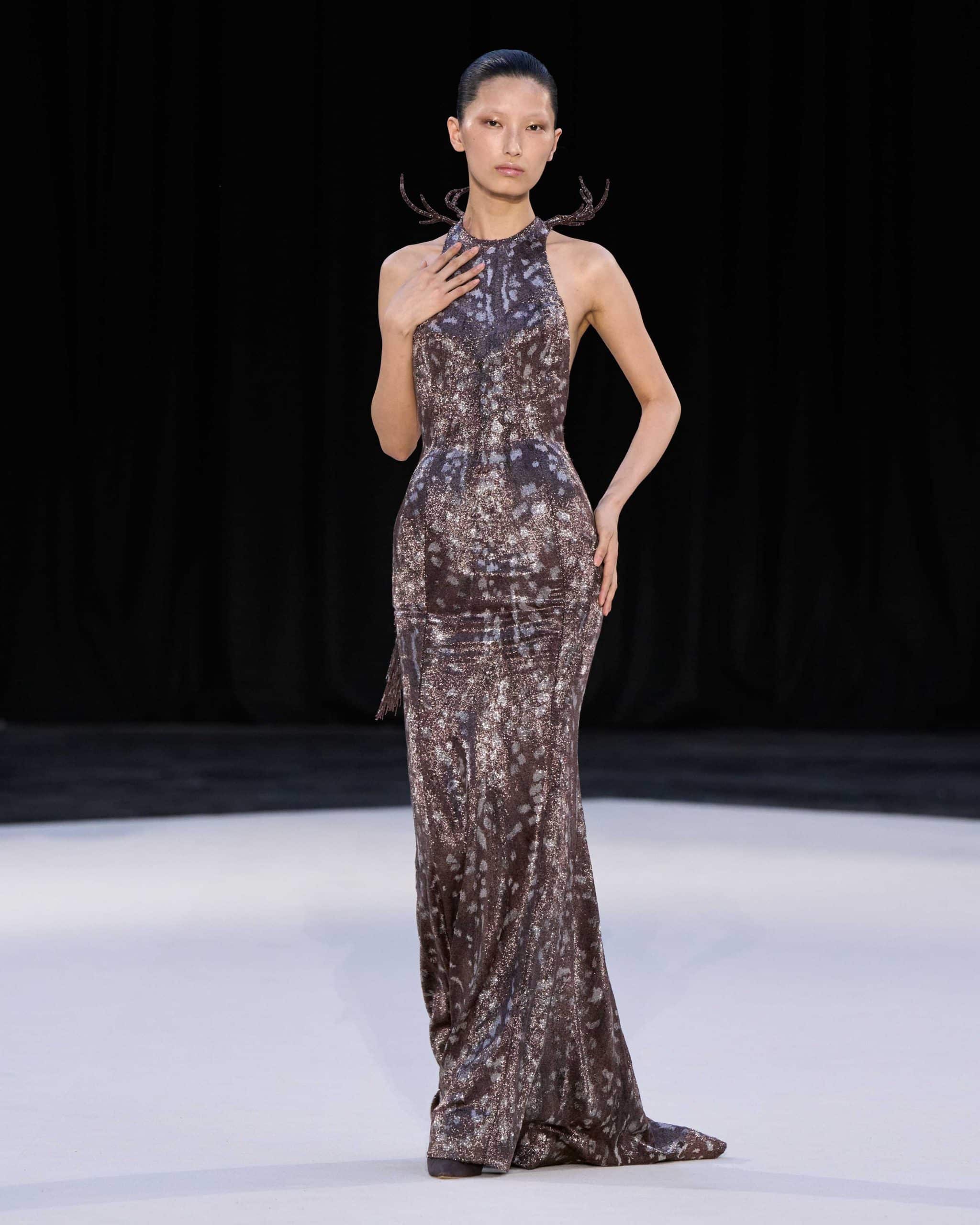
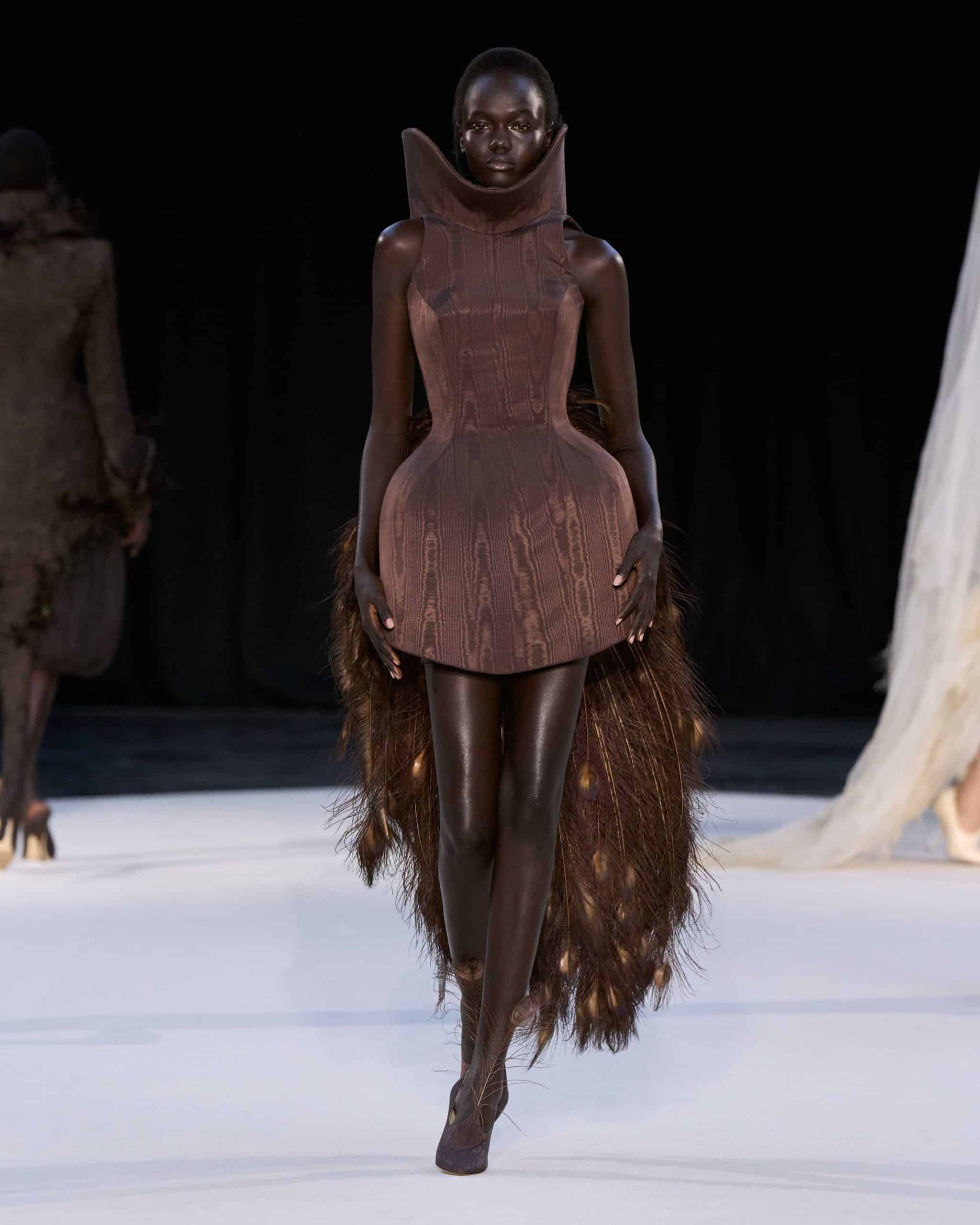
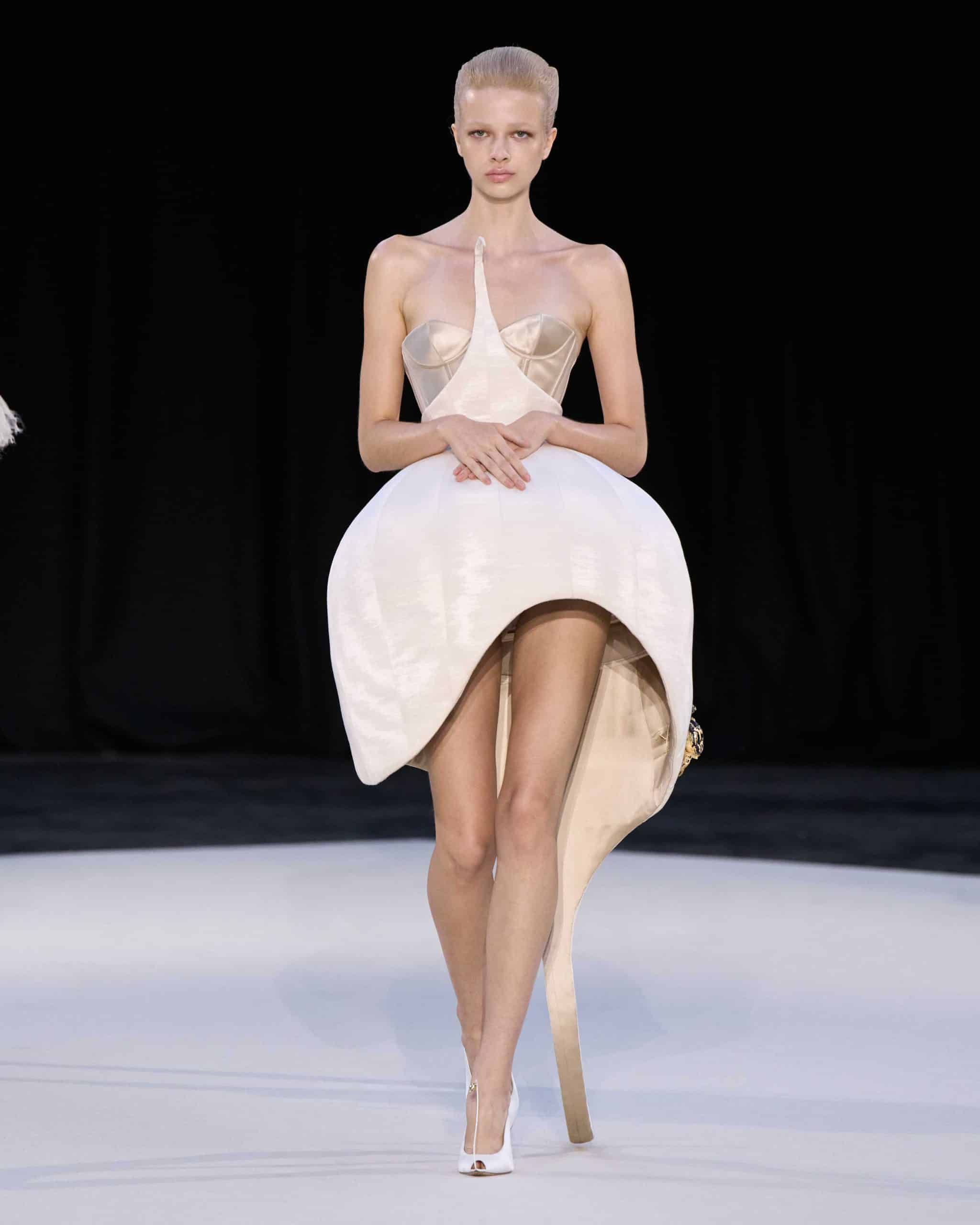
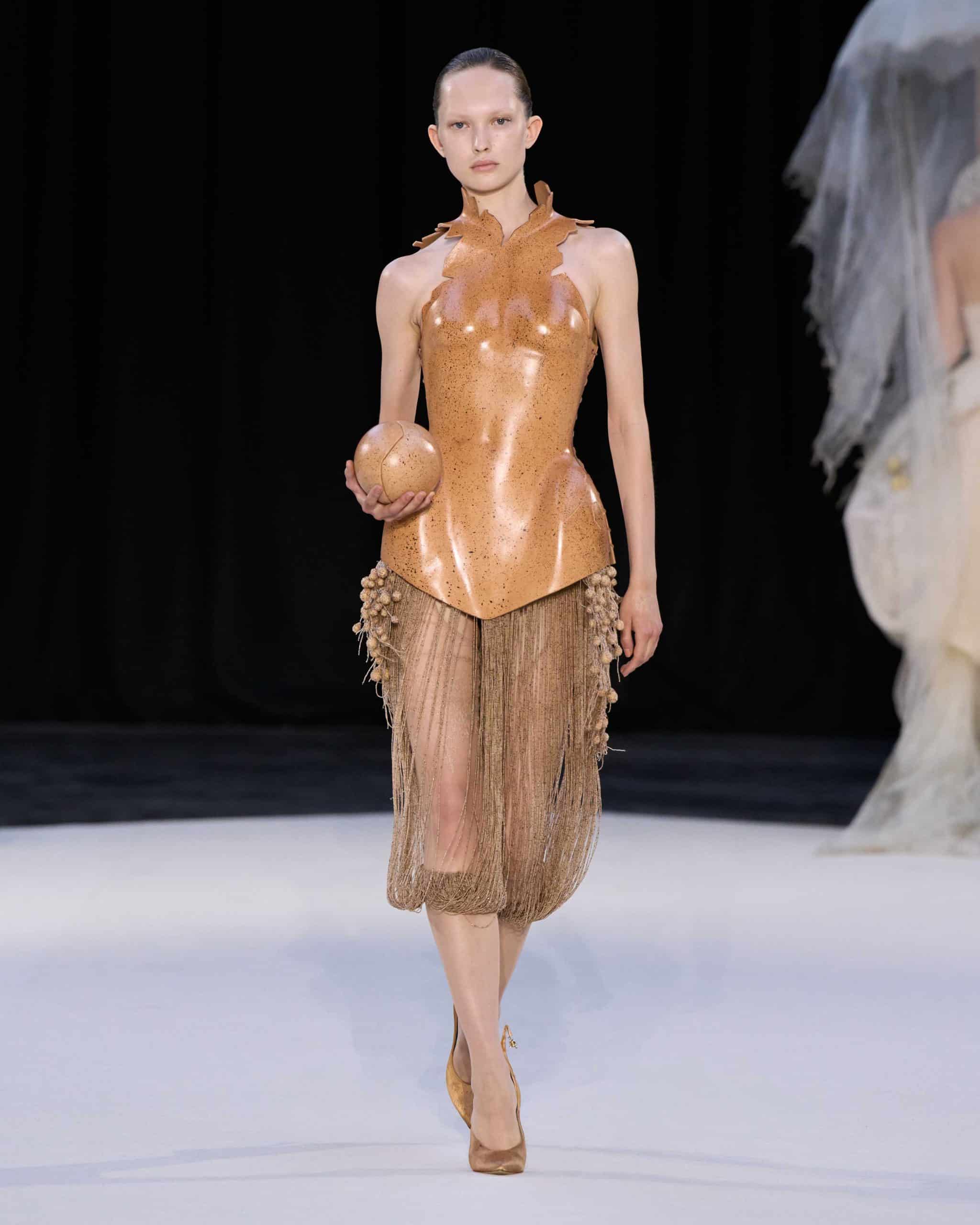
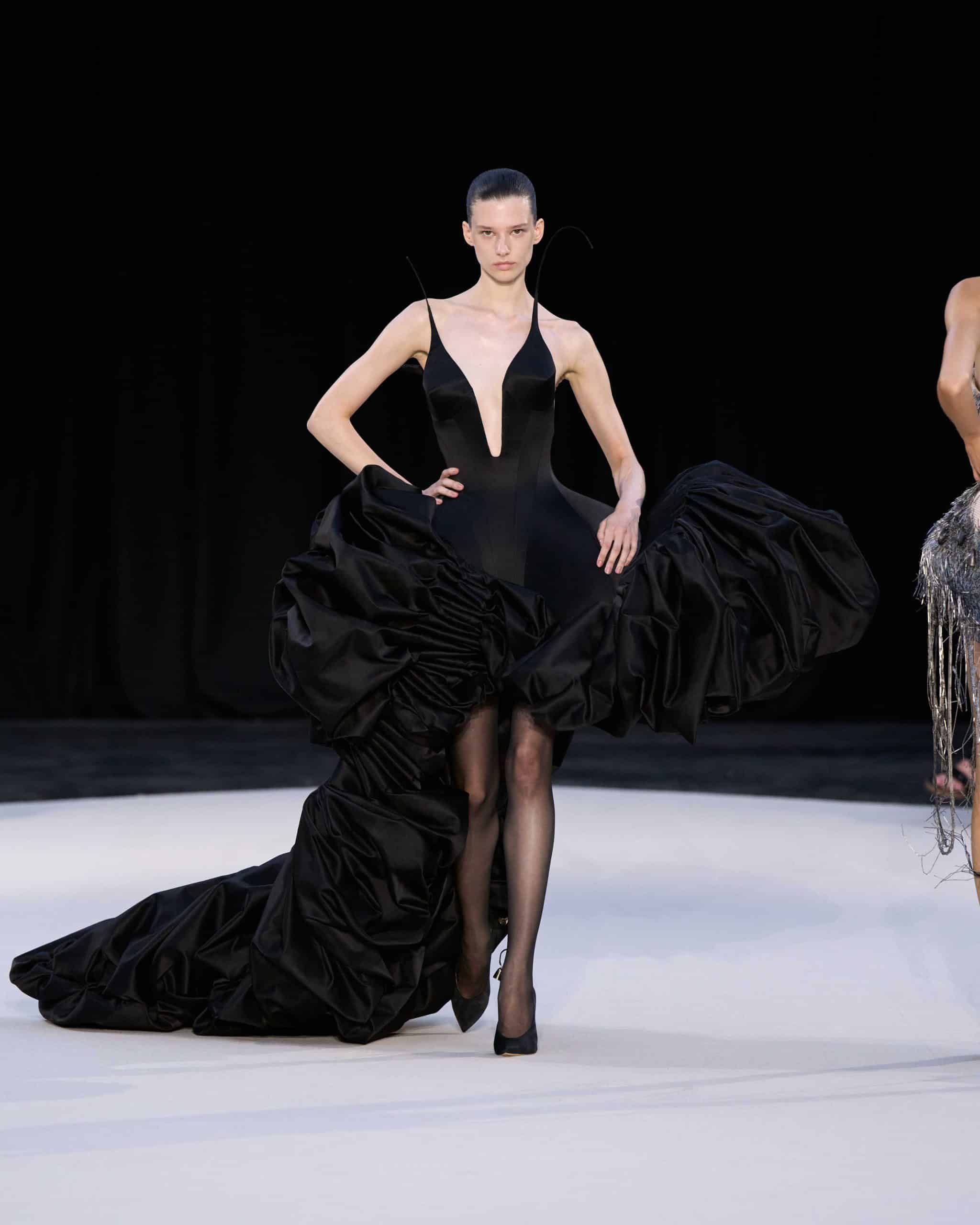
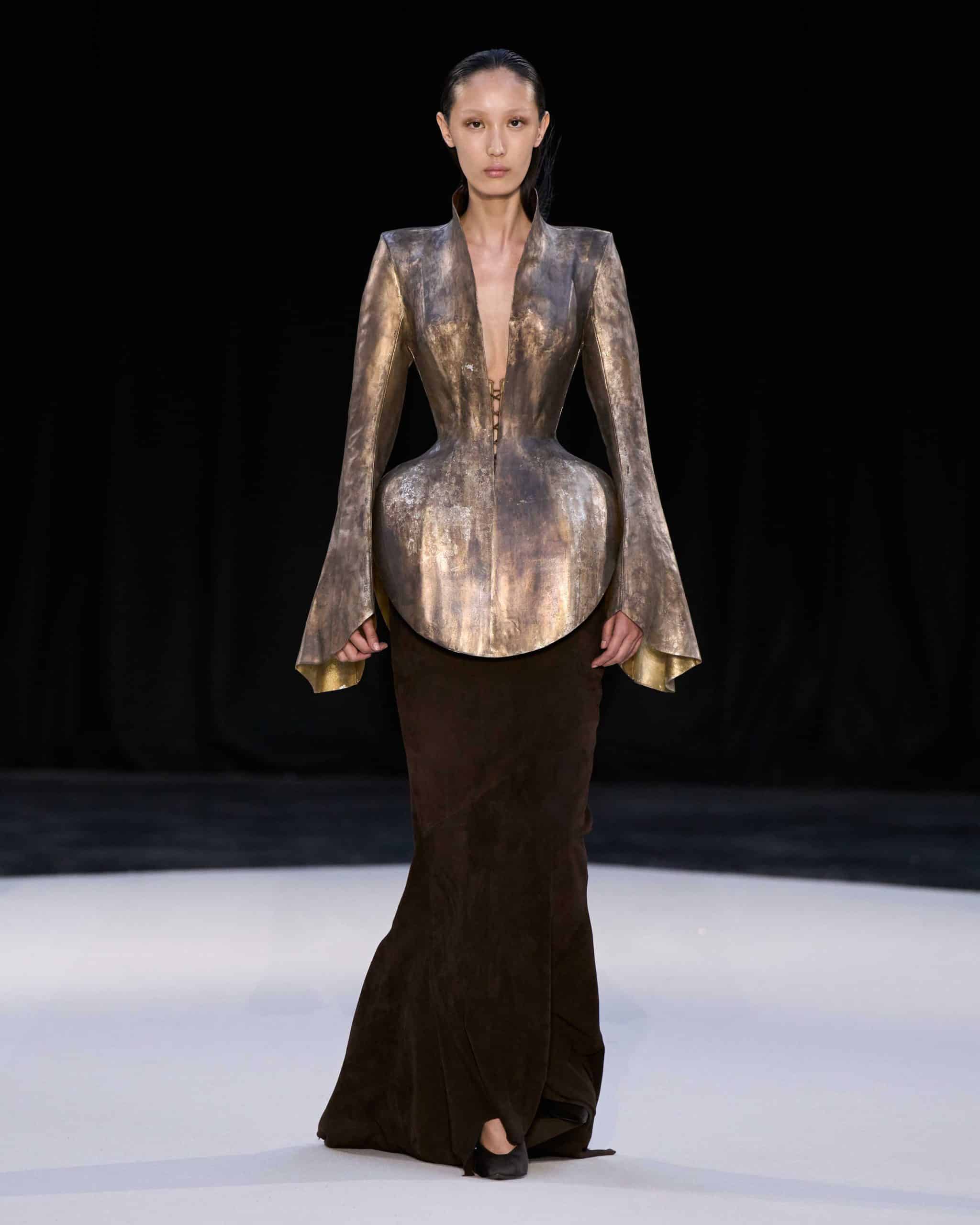
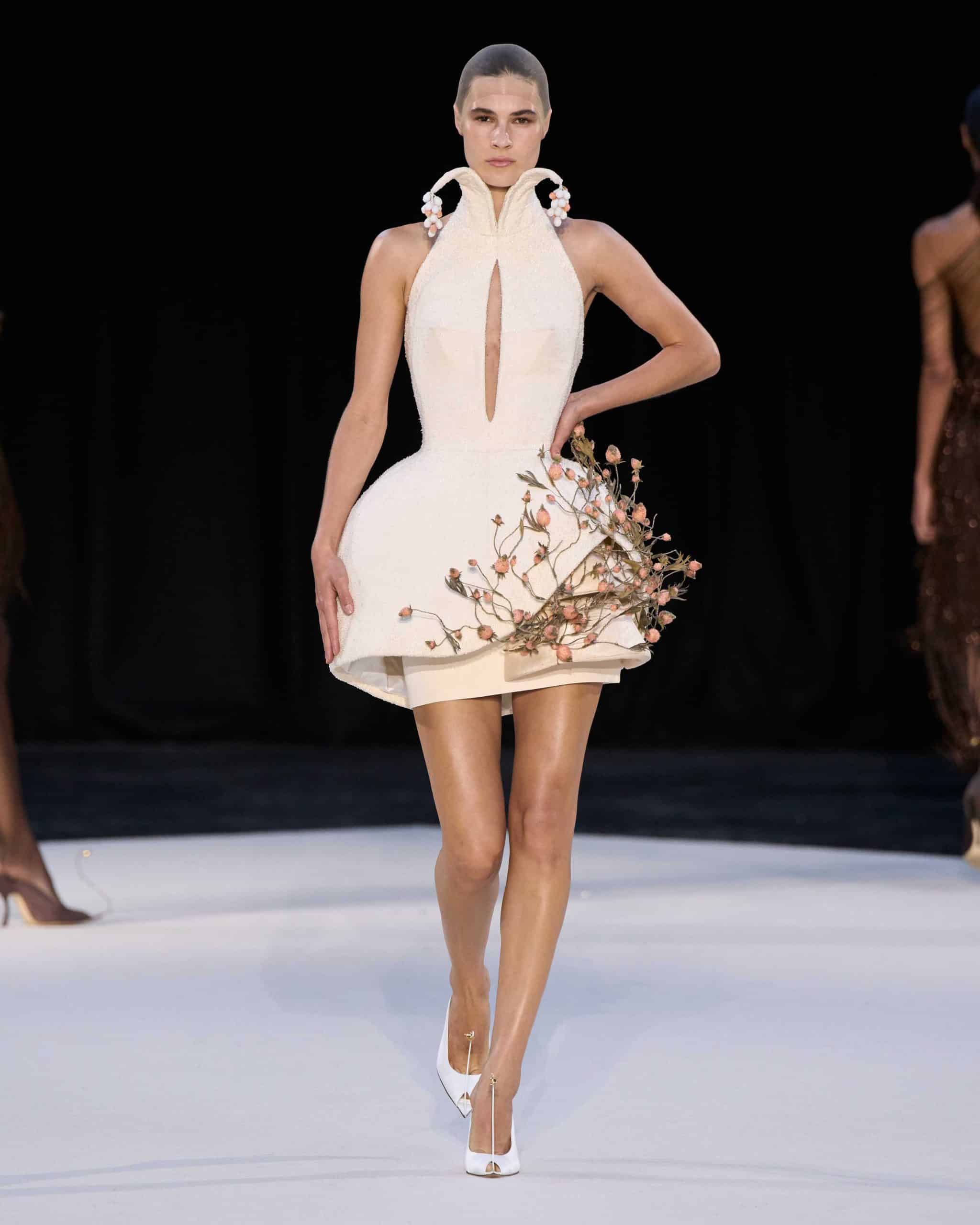
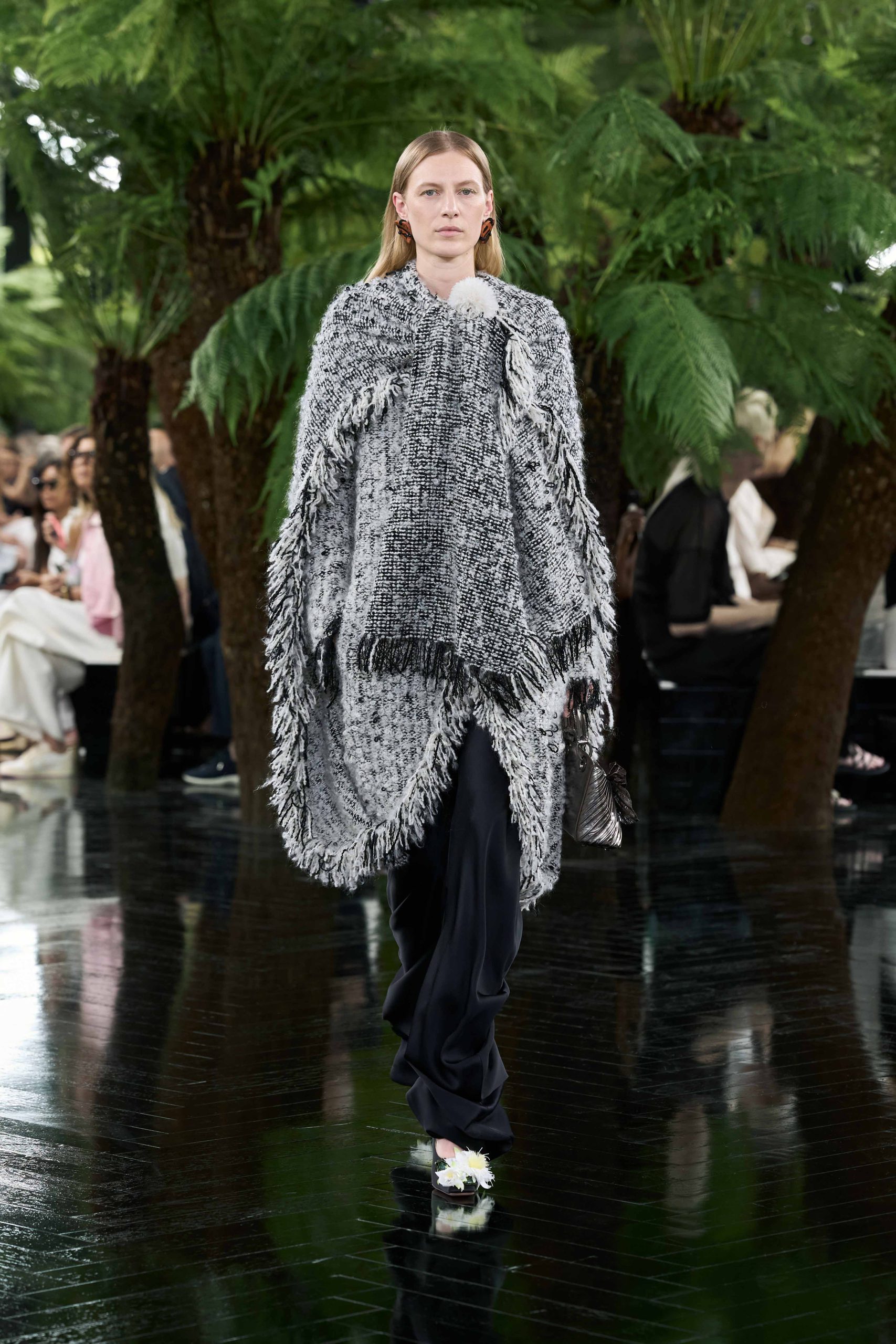
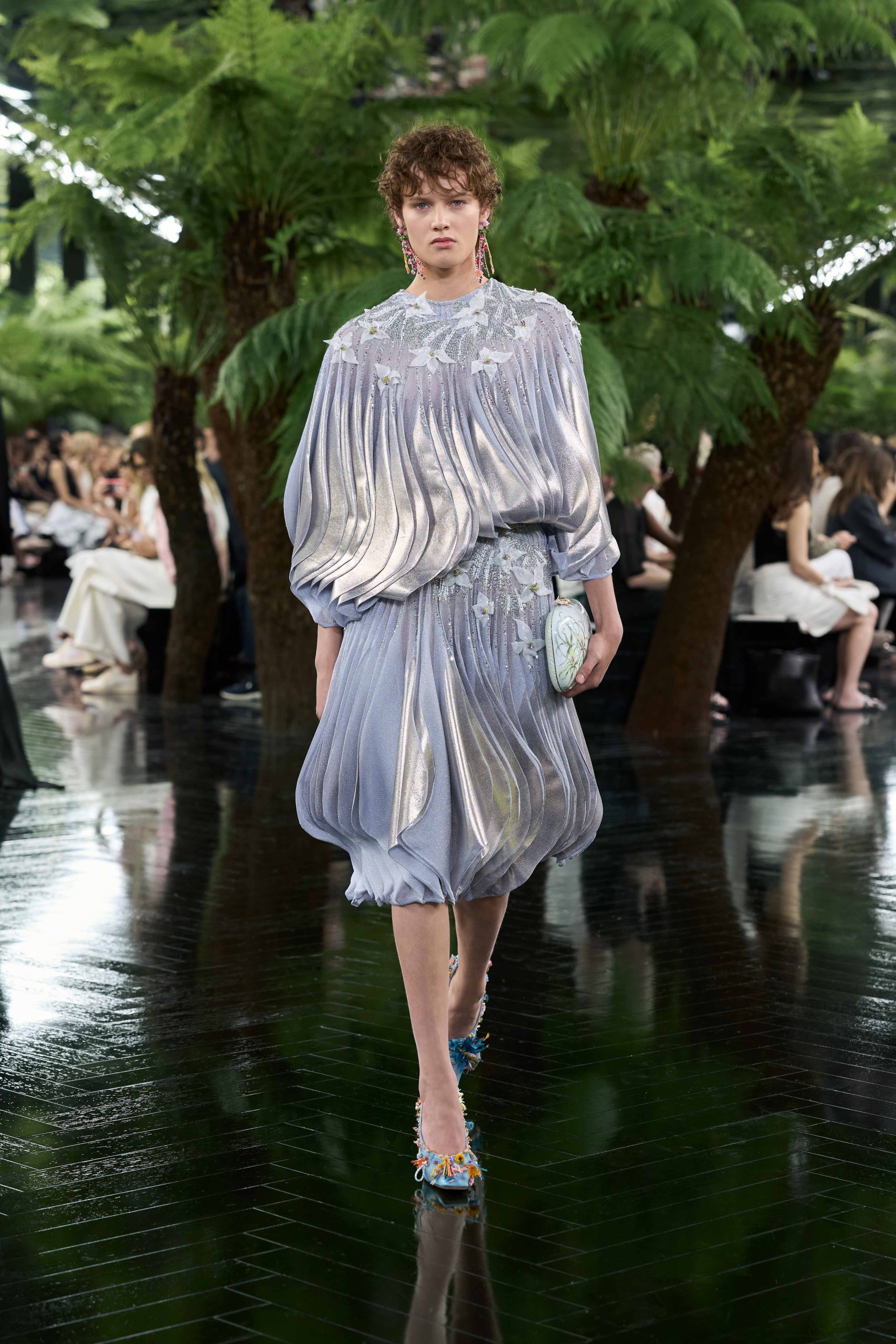
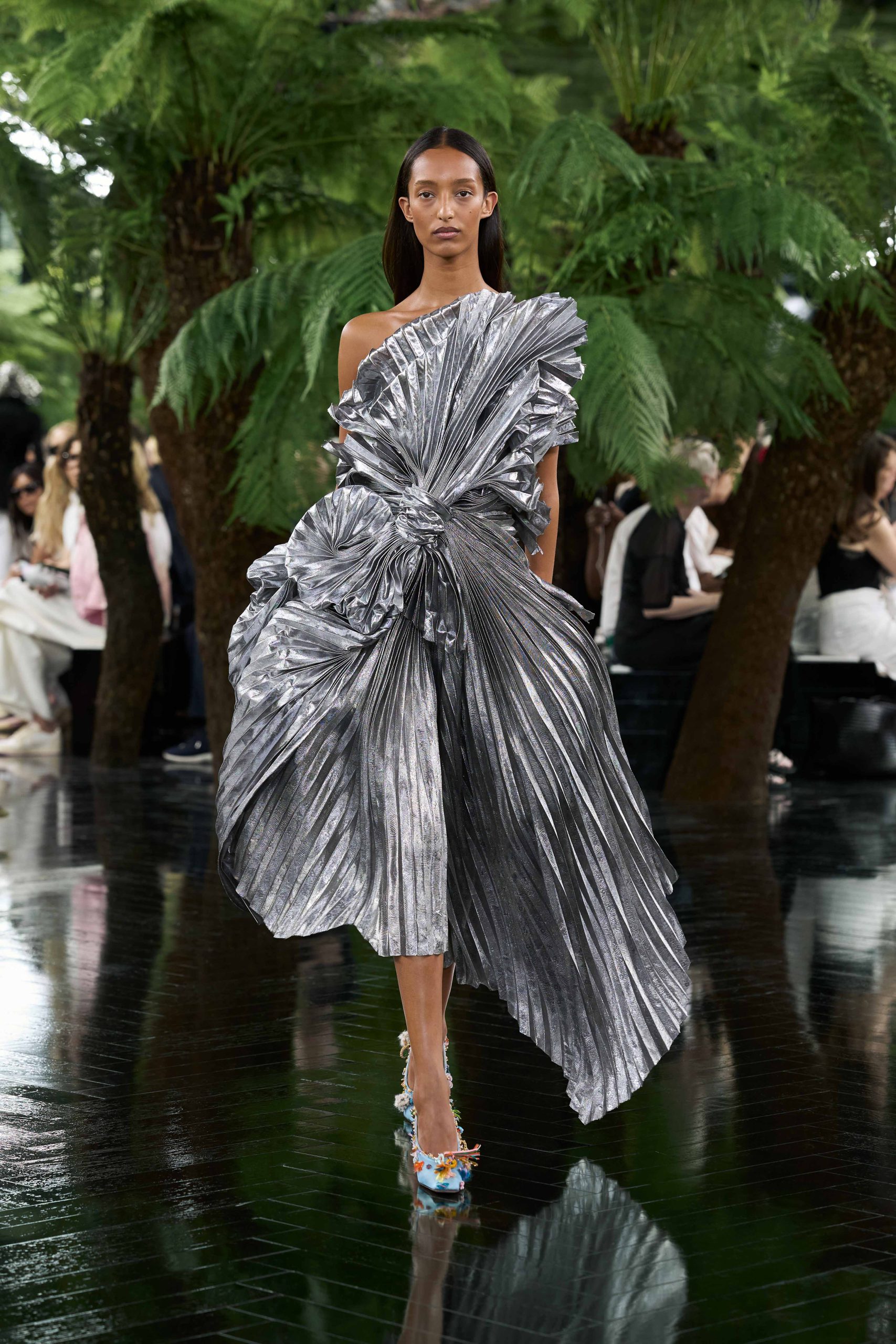
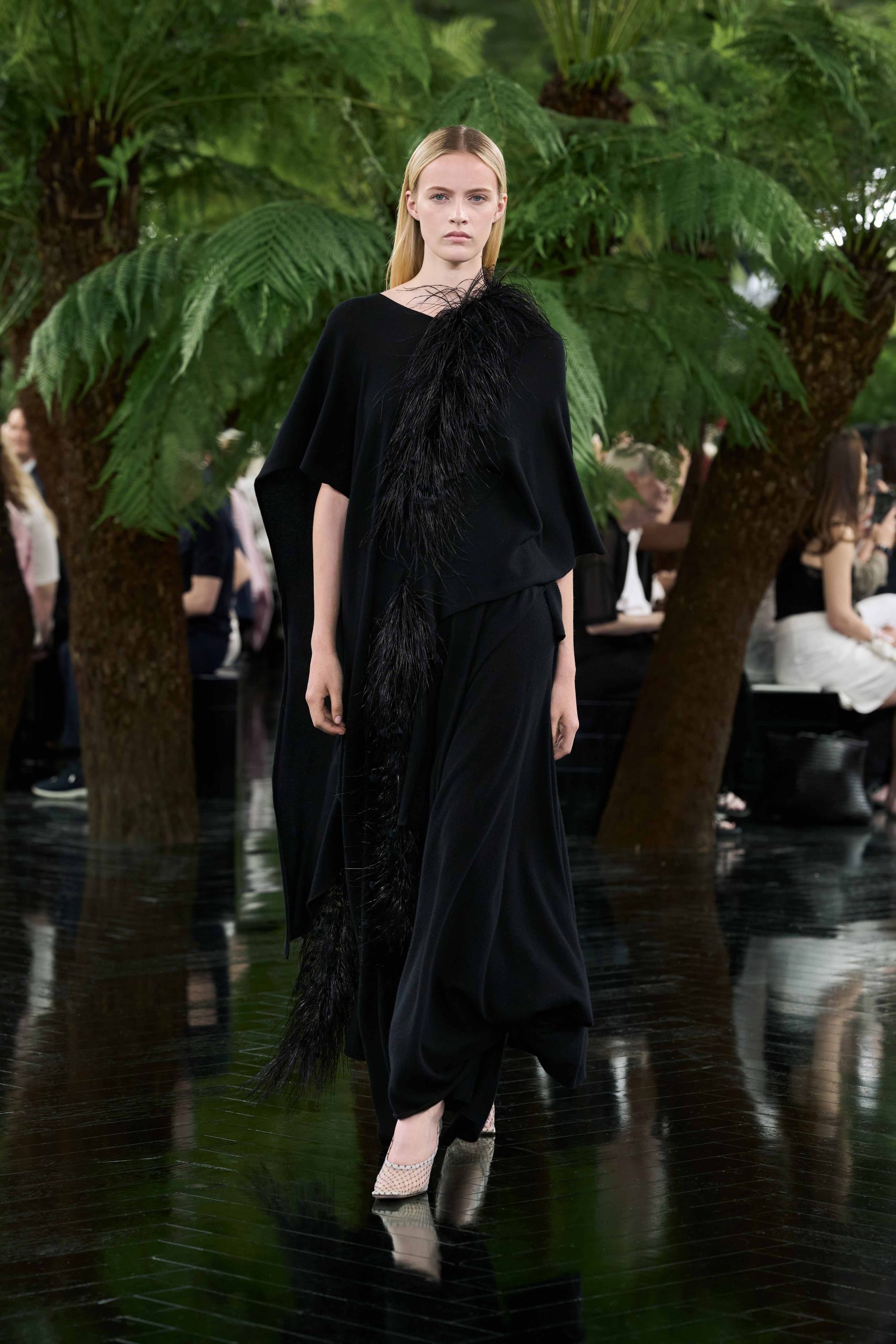
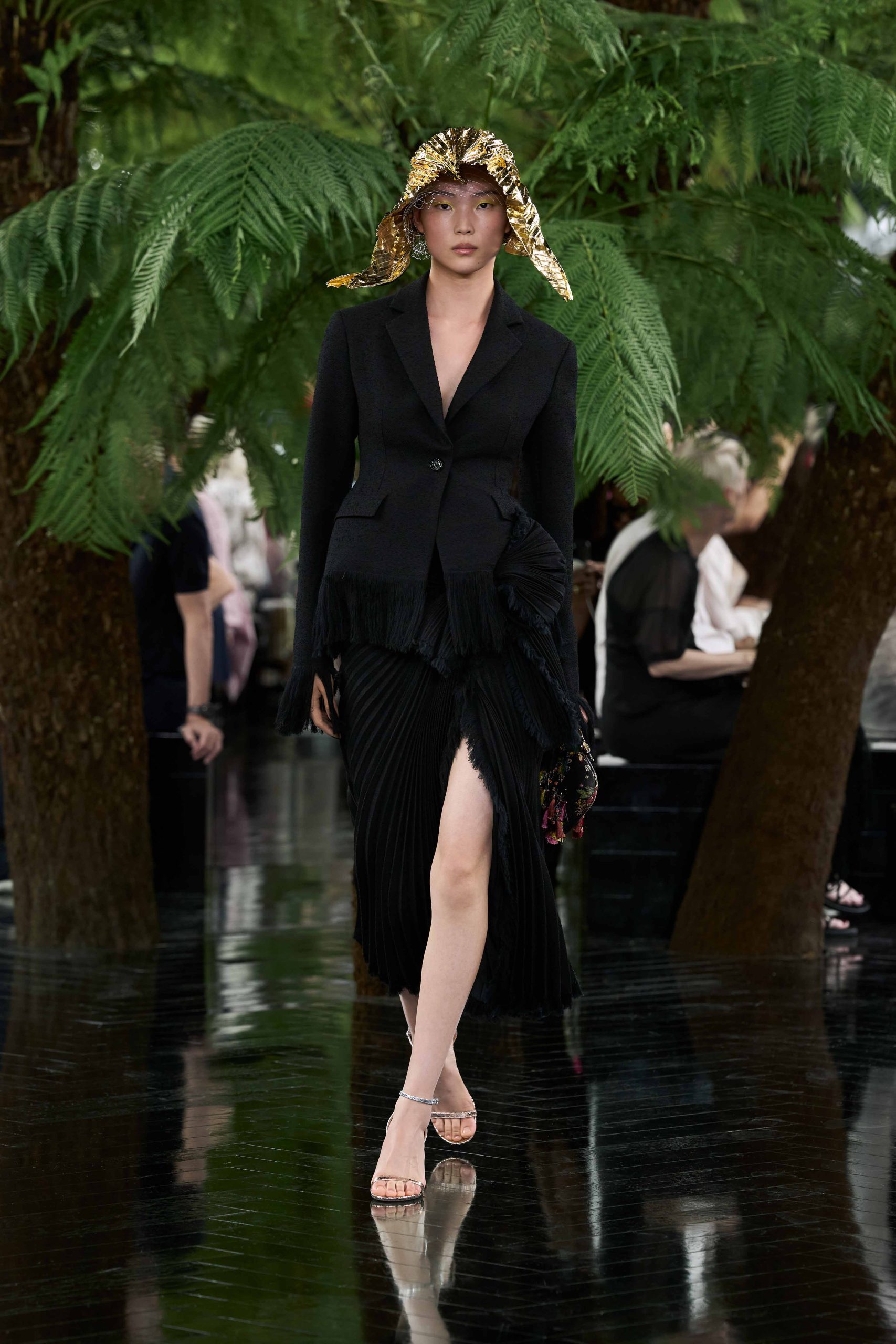
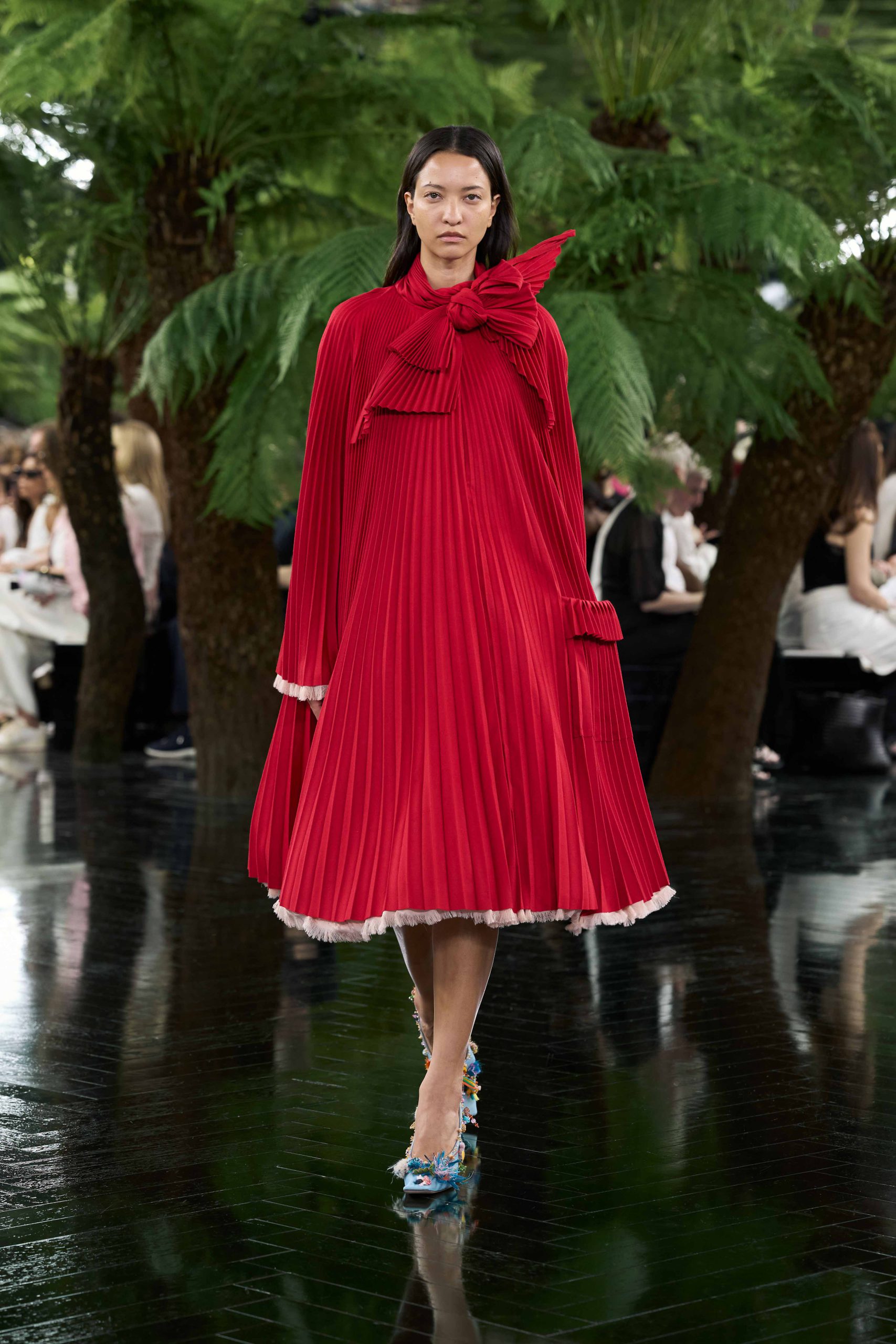
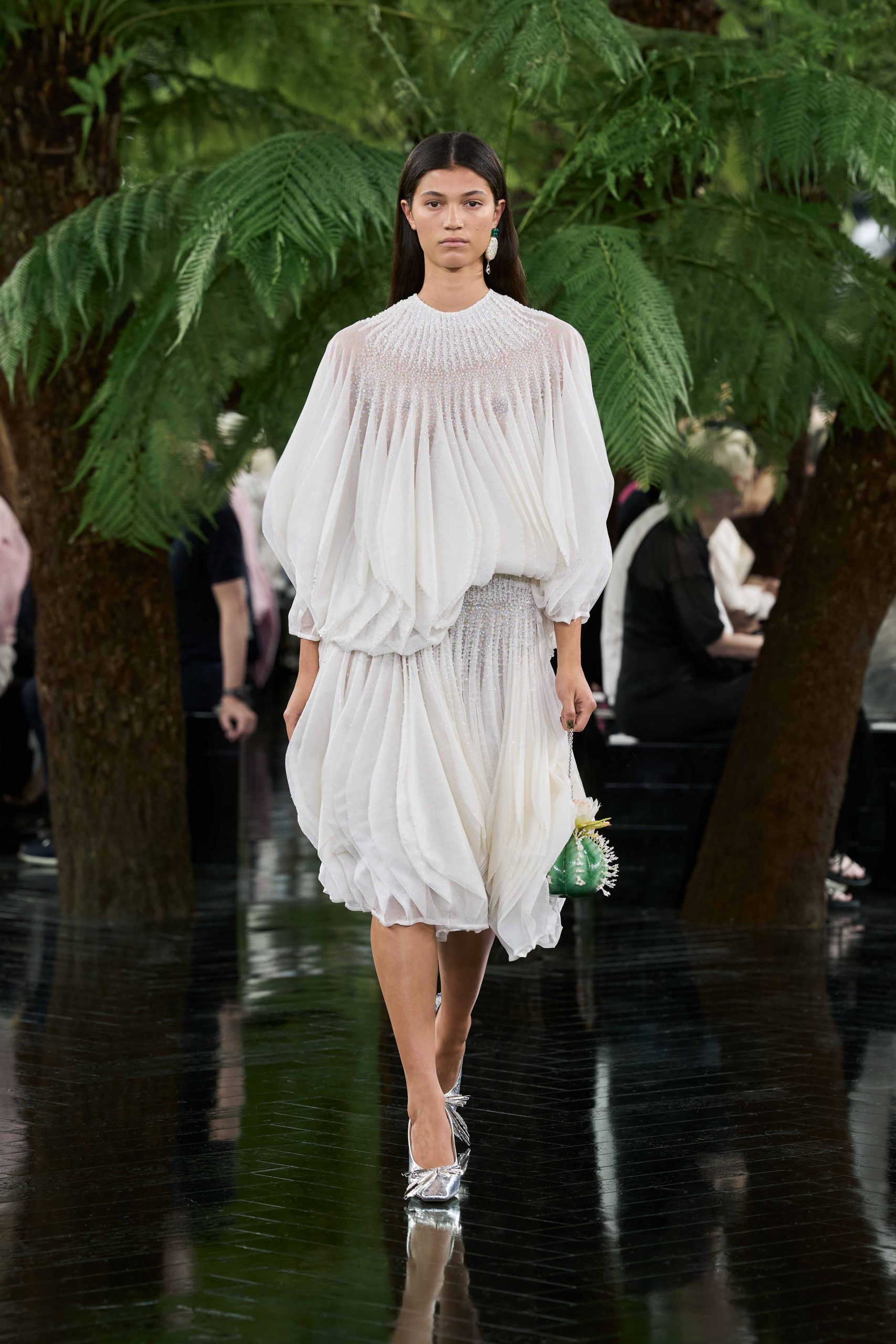
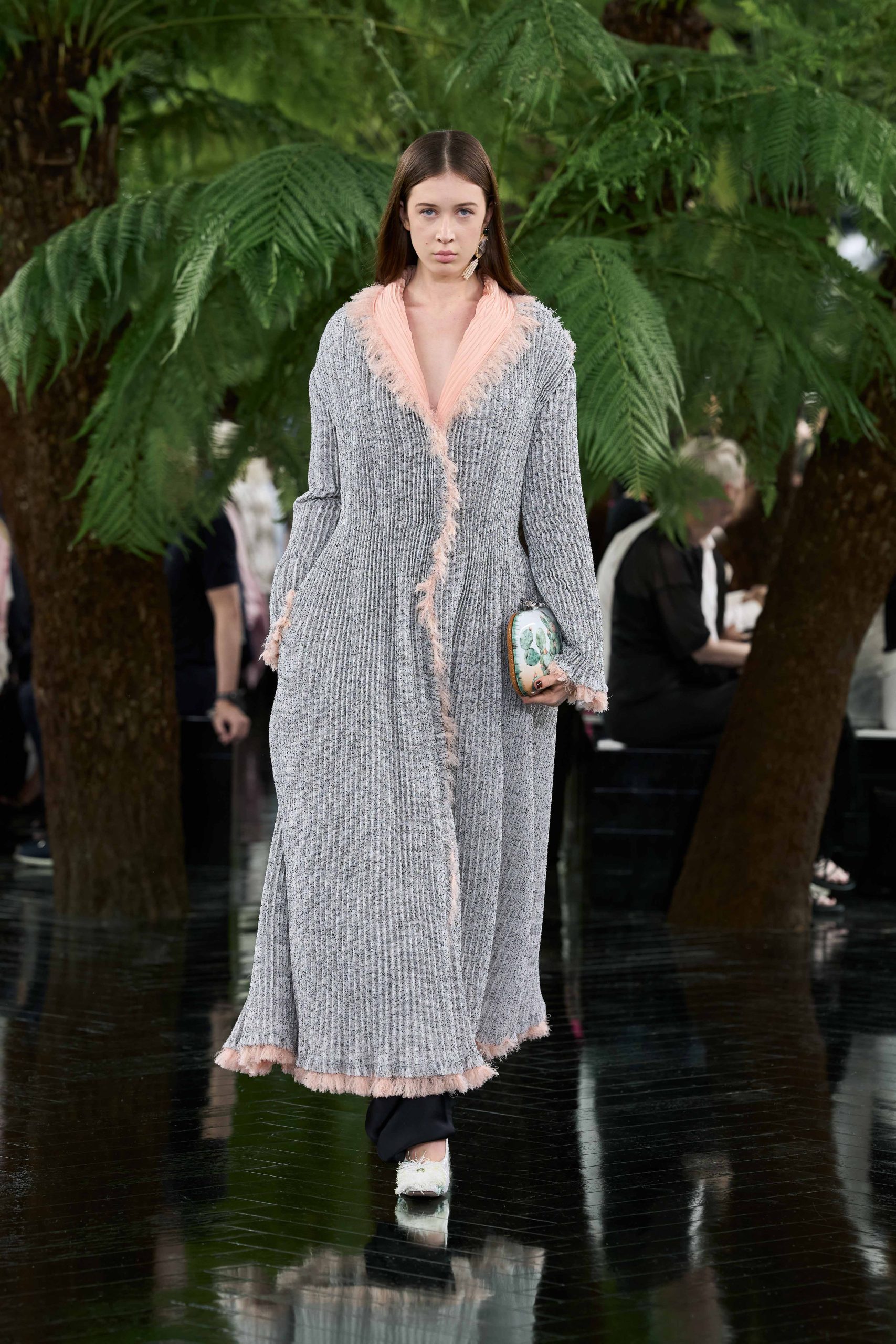
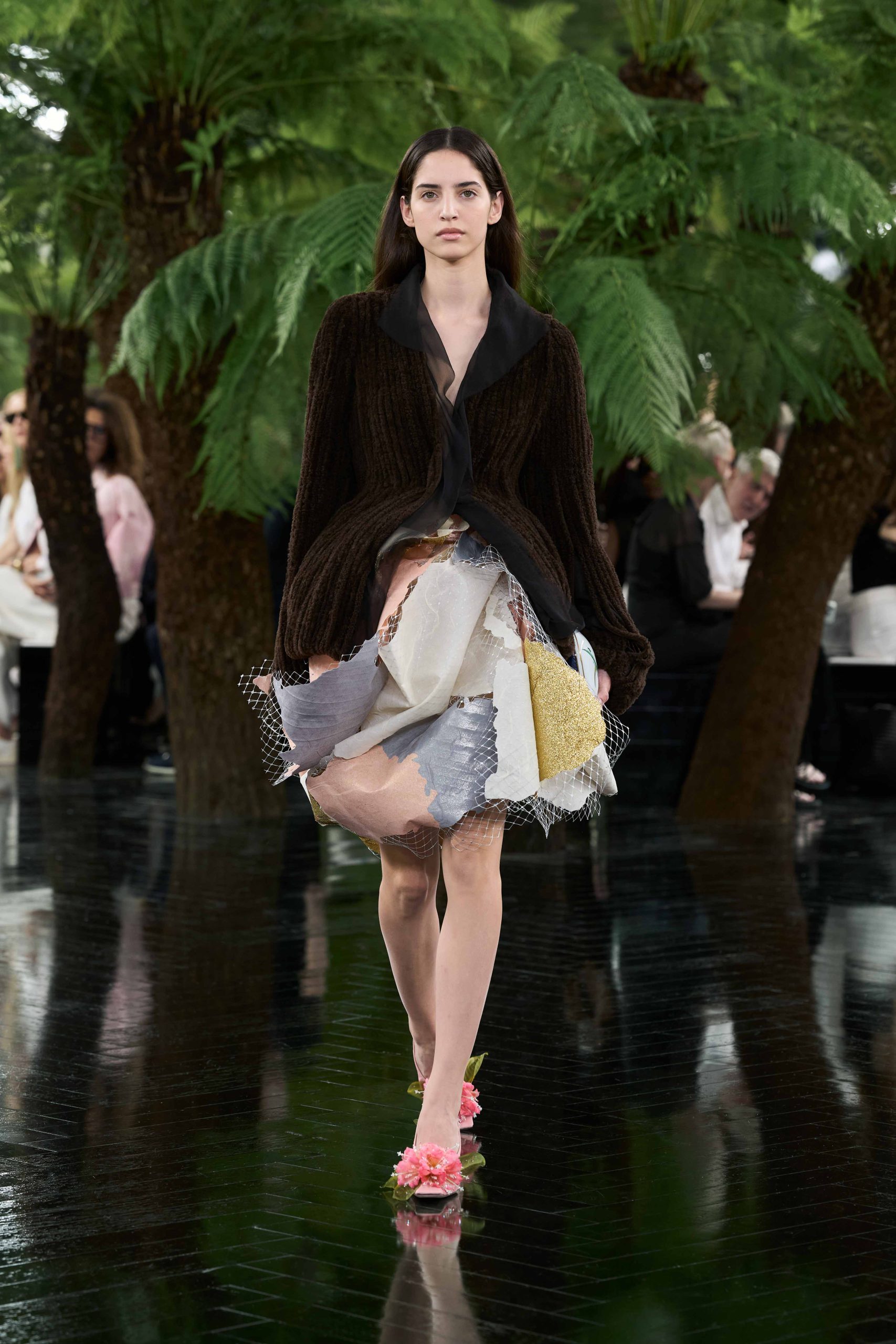
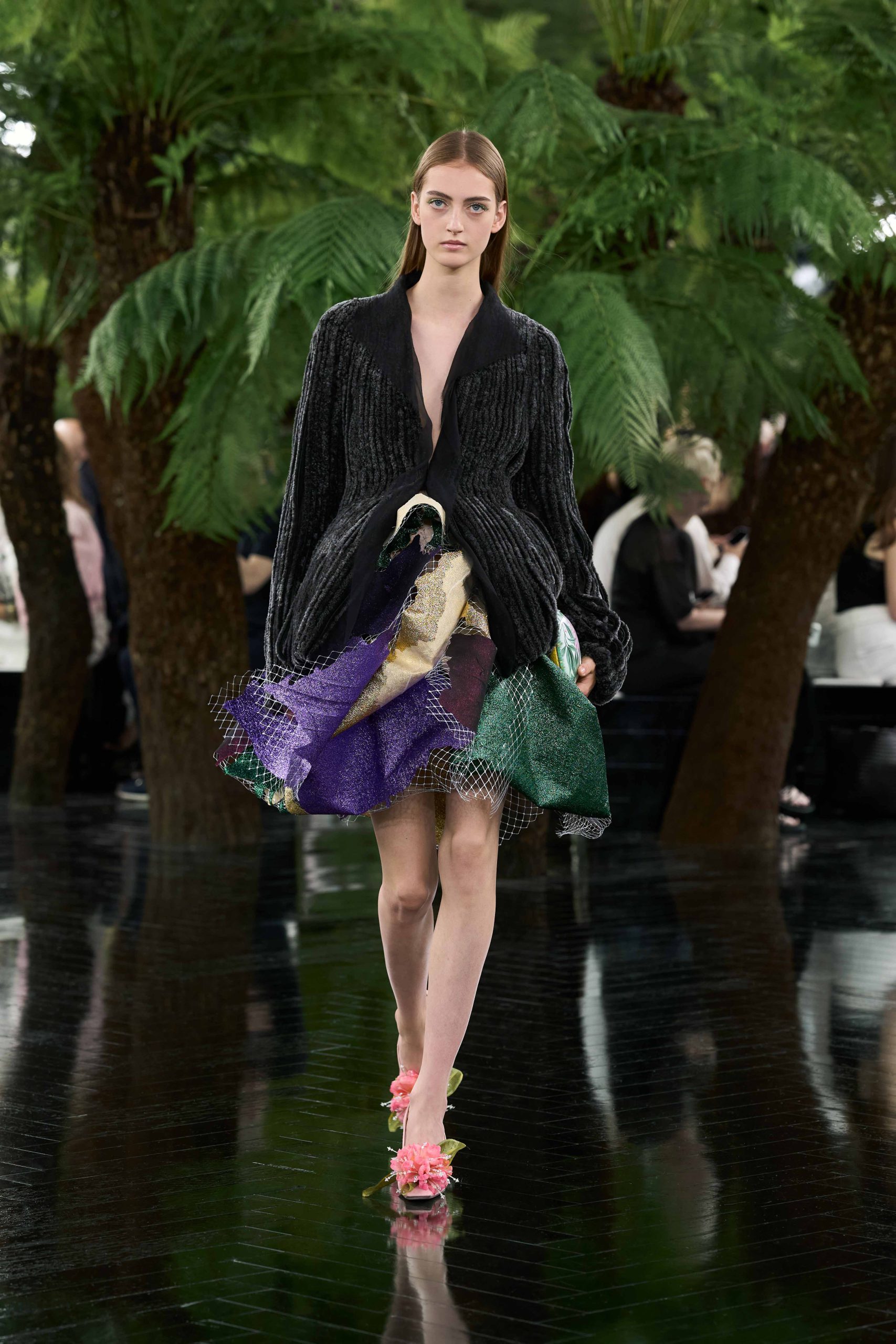
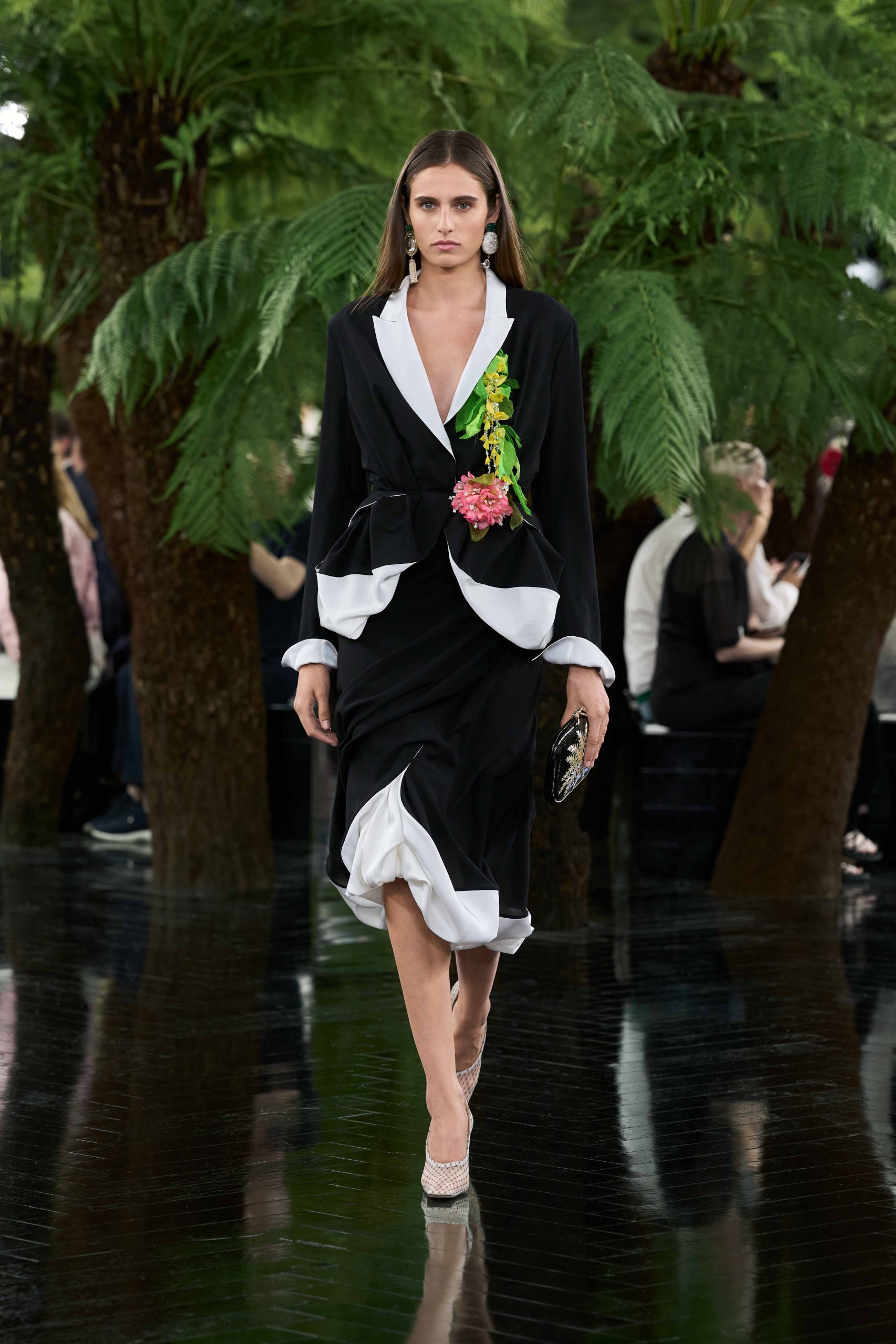
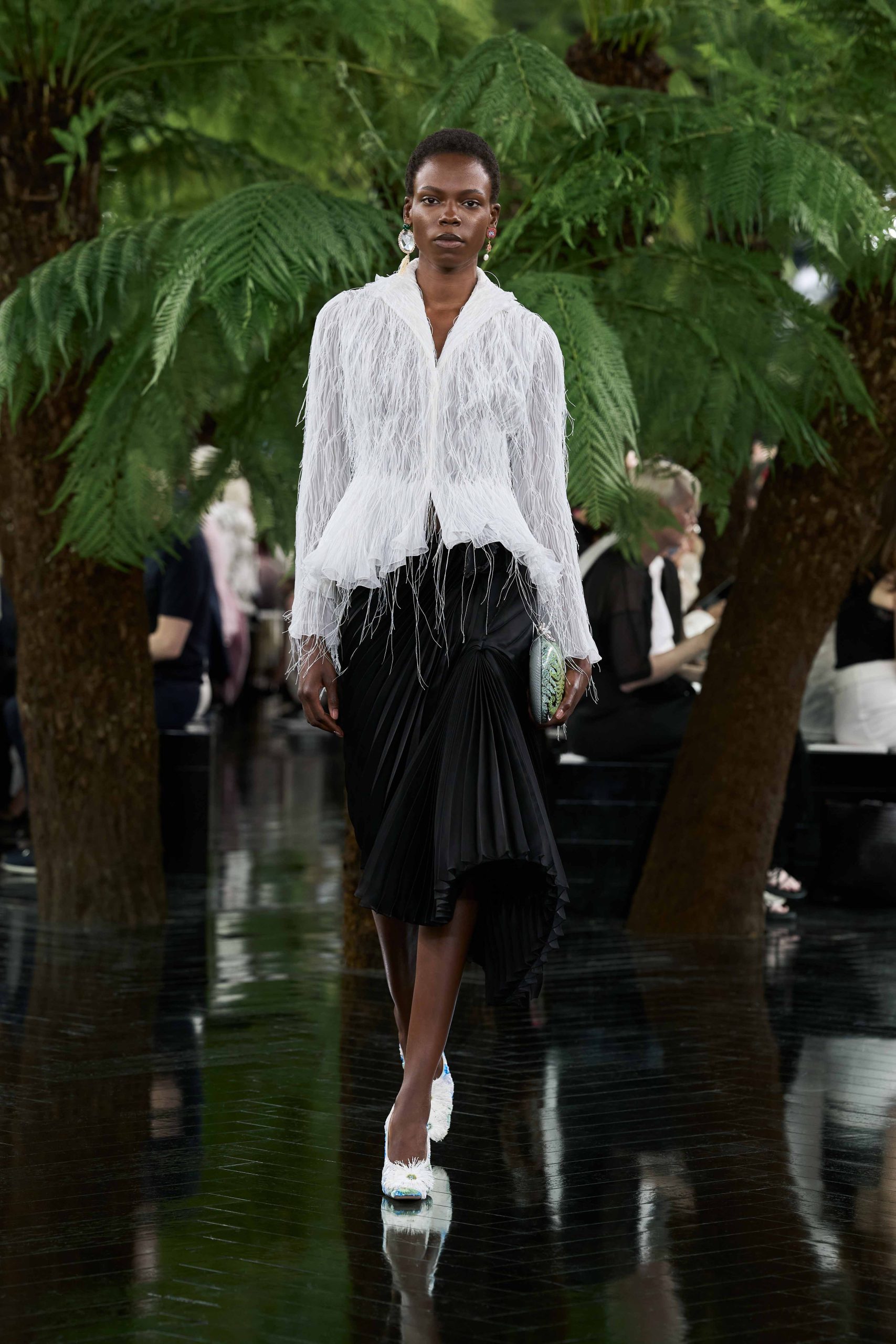
Schiaparelli Haute Couture Fall-Winter 2026/2027 | Courtesy of Schiaparelli

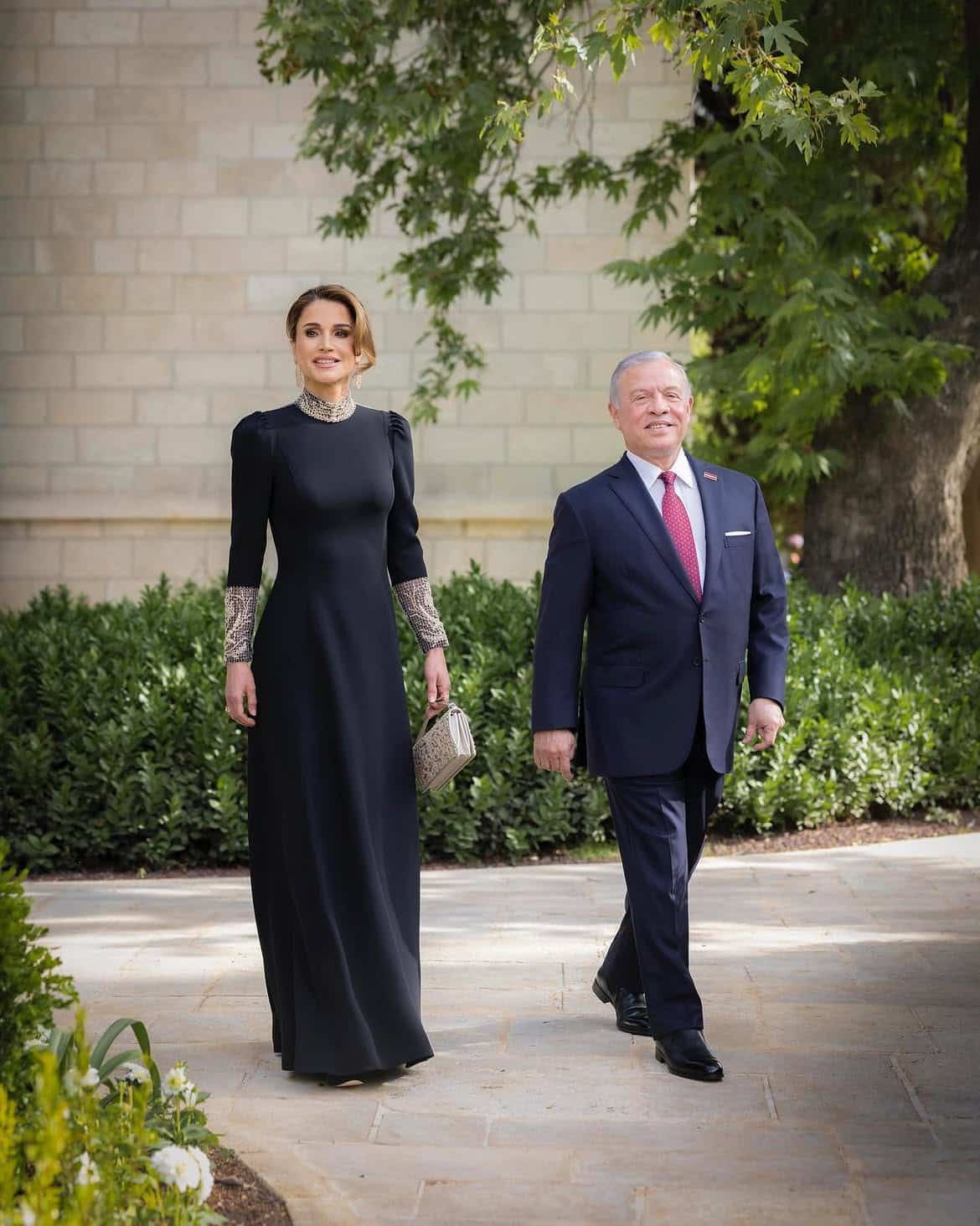
Queen Rania Al Abdullah of Jordan wearing Dior Couture Fall 2022 via Instagram @queenrania
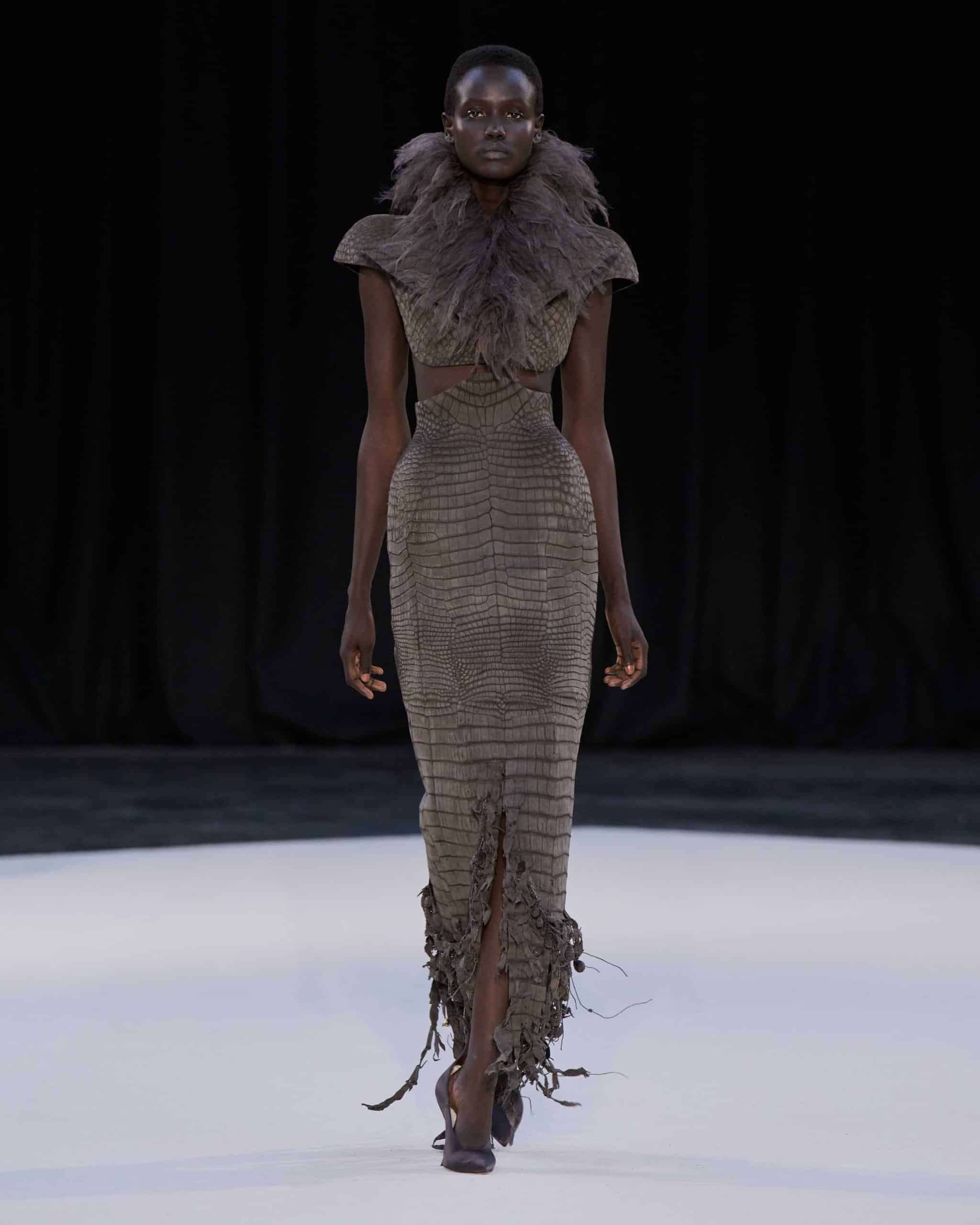
Middle Eastern royalty, Asian industrialist scions, Russian oligarchs, American billionaires, the wives of dictators… the biggest buyers of couture, thought to number around 4,000, are among the one percent of wealth, sure, but they also reside in the one percent of not-being-able-to-pick-them- out-of-a-lineup. Yes, Hollywood wears haute couture, but it’s loaned, not owned, because with the vast sums these looks command, you’d be hard-pressed to come up with a couture client who is an actual household name. Designers protect the identities of their clients discreetly but fiercely, and it’s this secrecy that fuels the allure, leaving the world wondering who these ultra-rich VICs (very important clients) are.

According to Souad Acha, co-founder at Stateless Fashion Design & Consulting in New York City, geographically, the strongest demand and sales for couture comes from the Middle East, followed by Asia, the U.S., and Europe. “It’s not always kings or queens; it’s often cousins, diplomats, and other royal-adjacent people who attend royal weddings, galas, and private events,” she says. “There are also collectors who treat couture like art. They buy for the history and origin story of the piece, the atelier’s techniques, the designer’s era, and the life cycle of a piece that may eventually end up in a museum.”

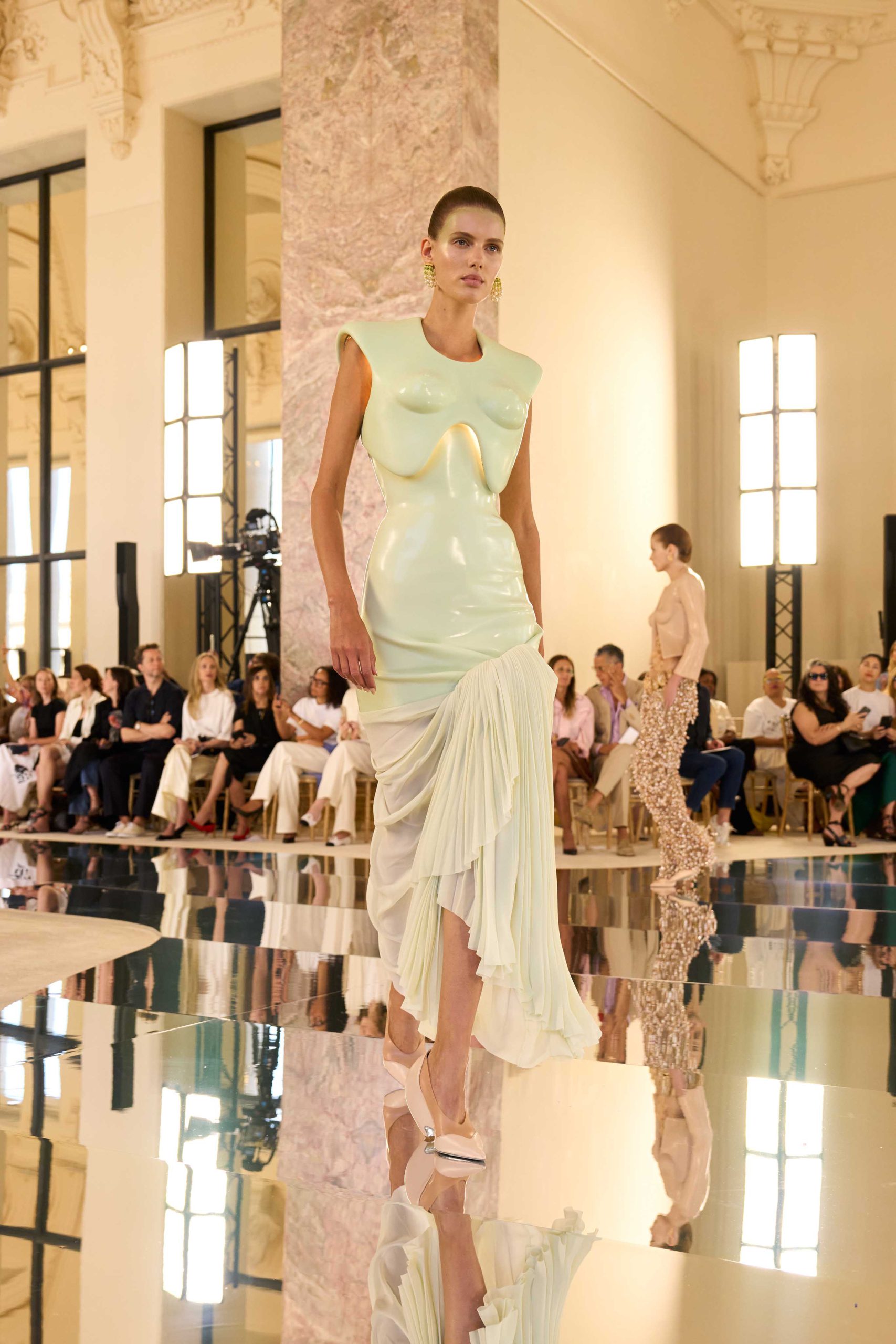
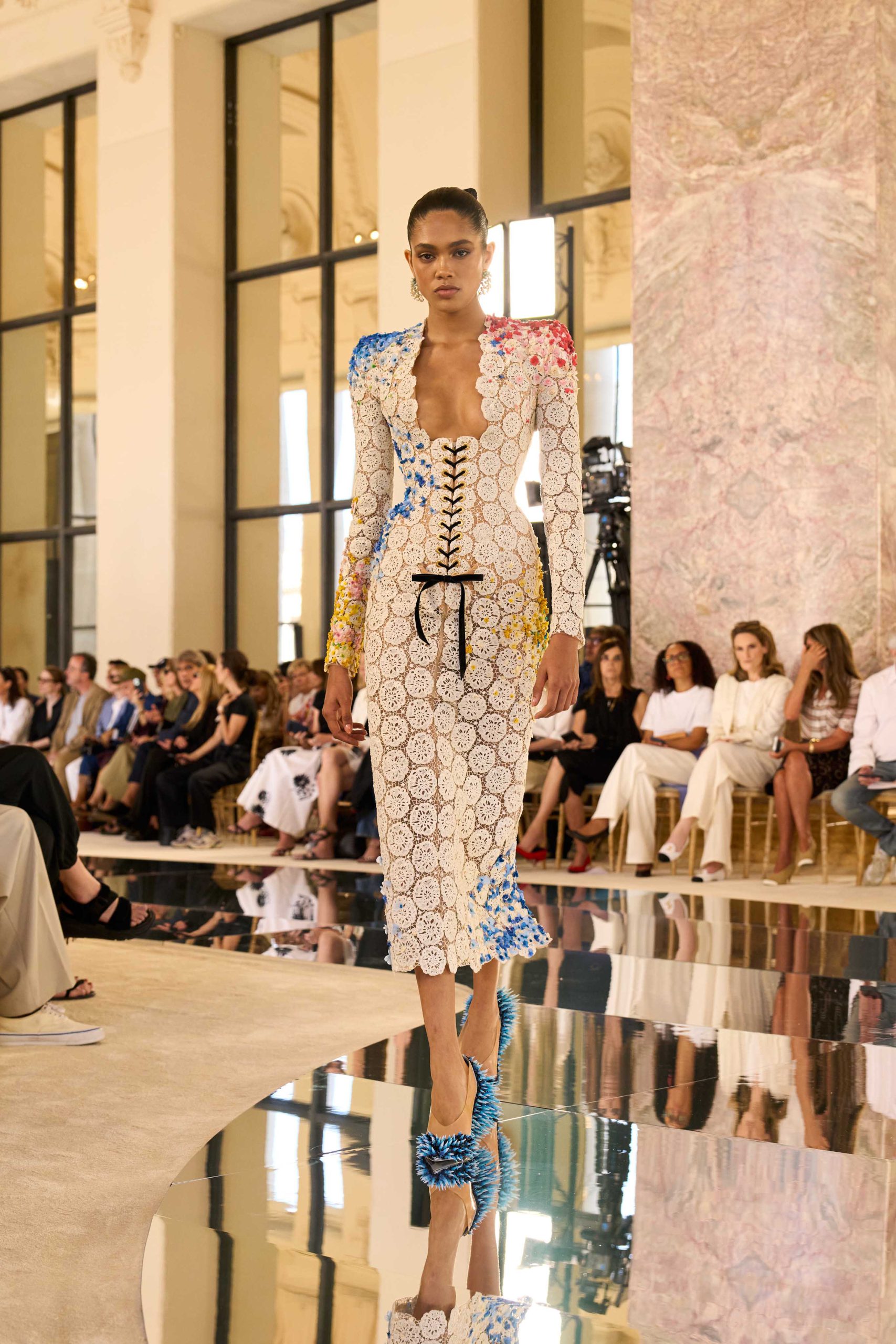
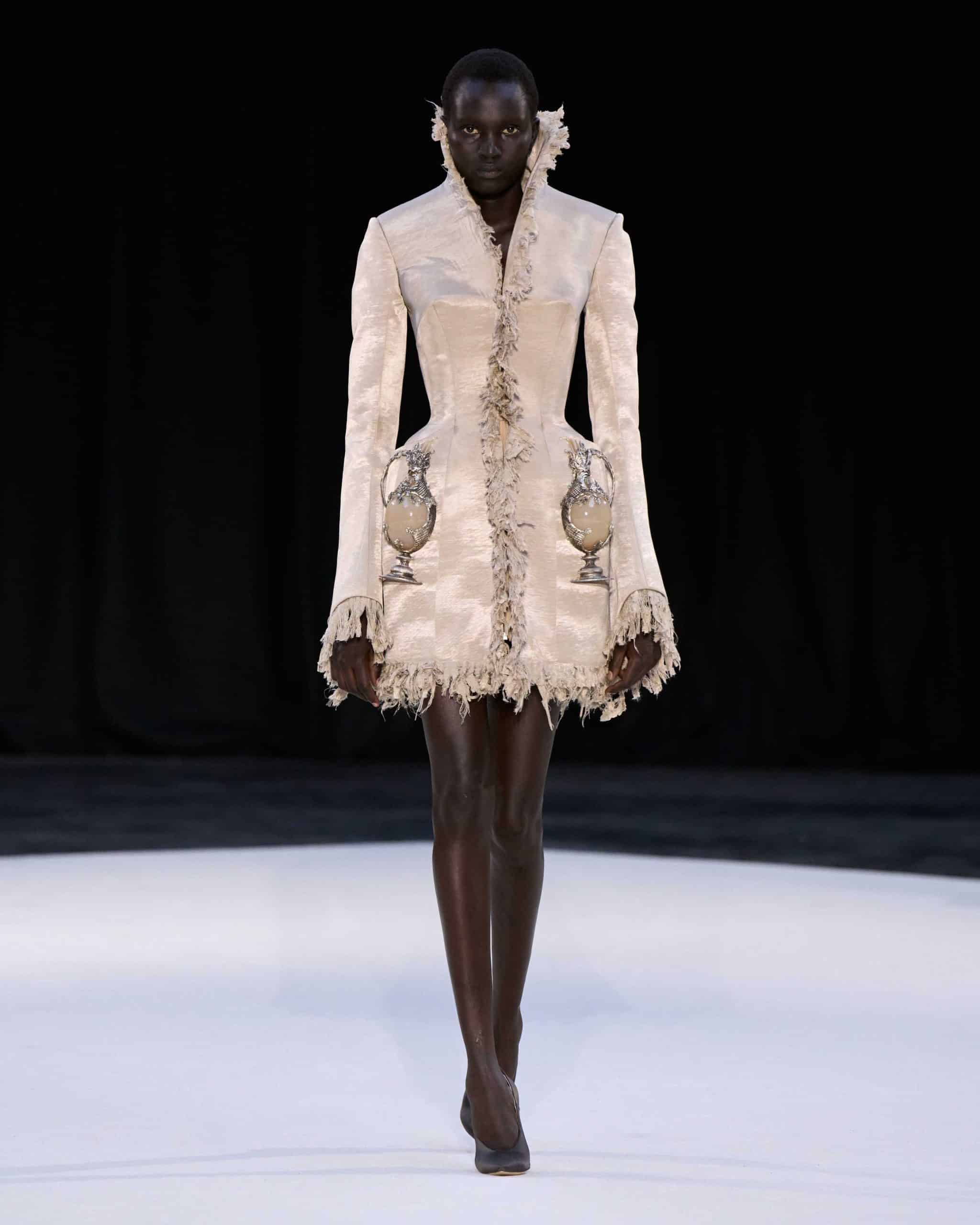
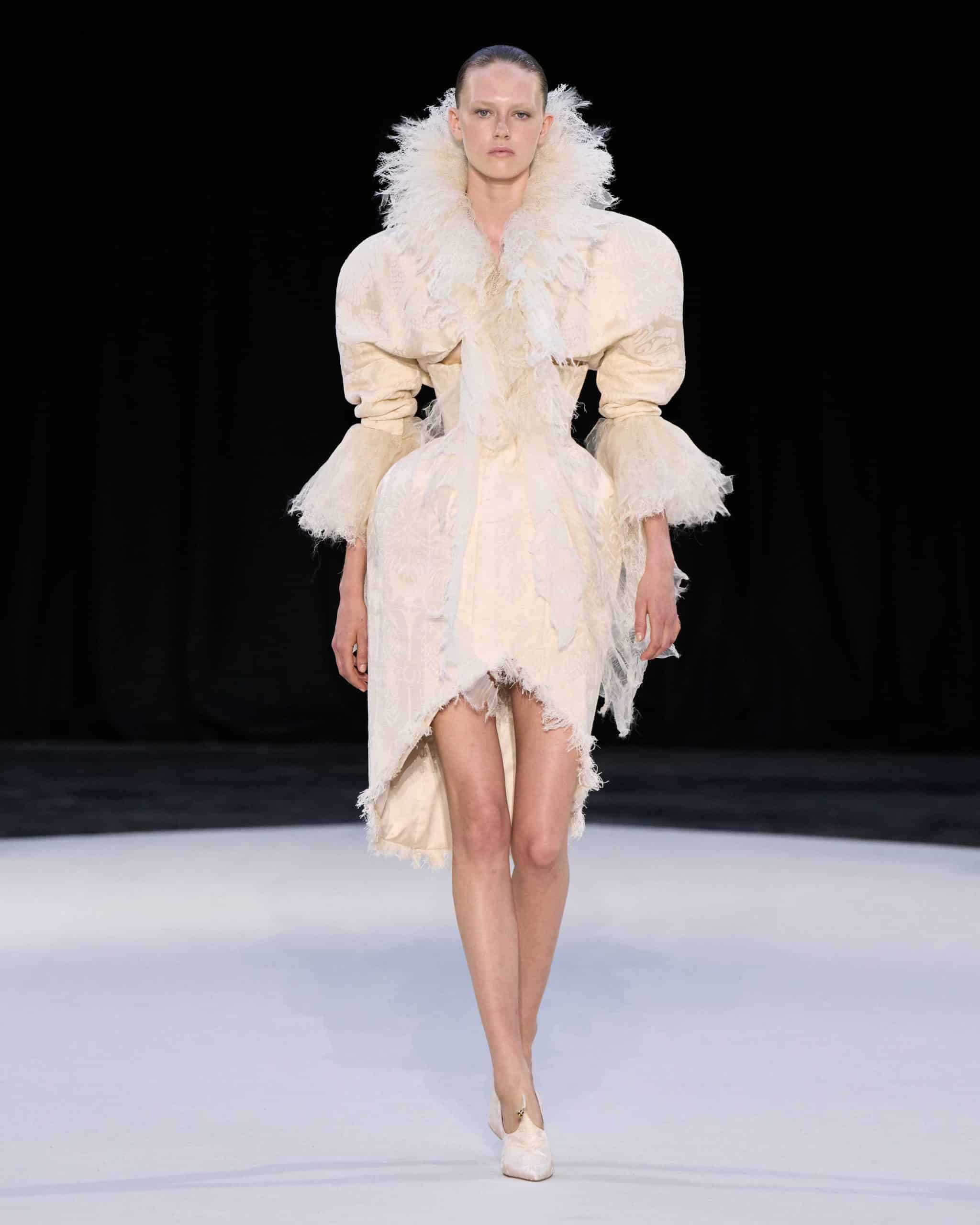
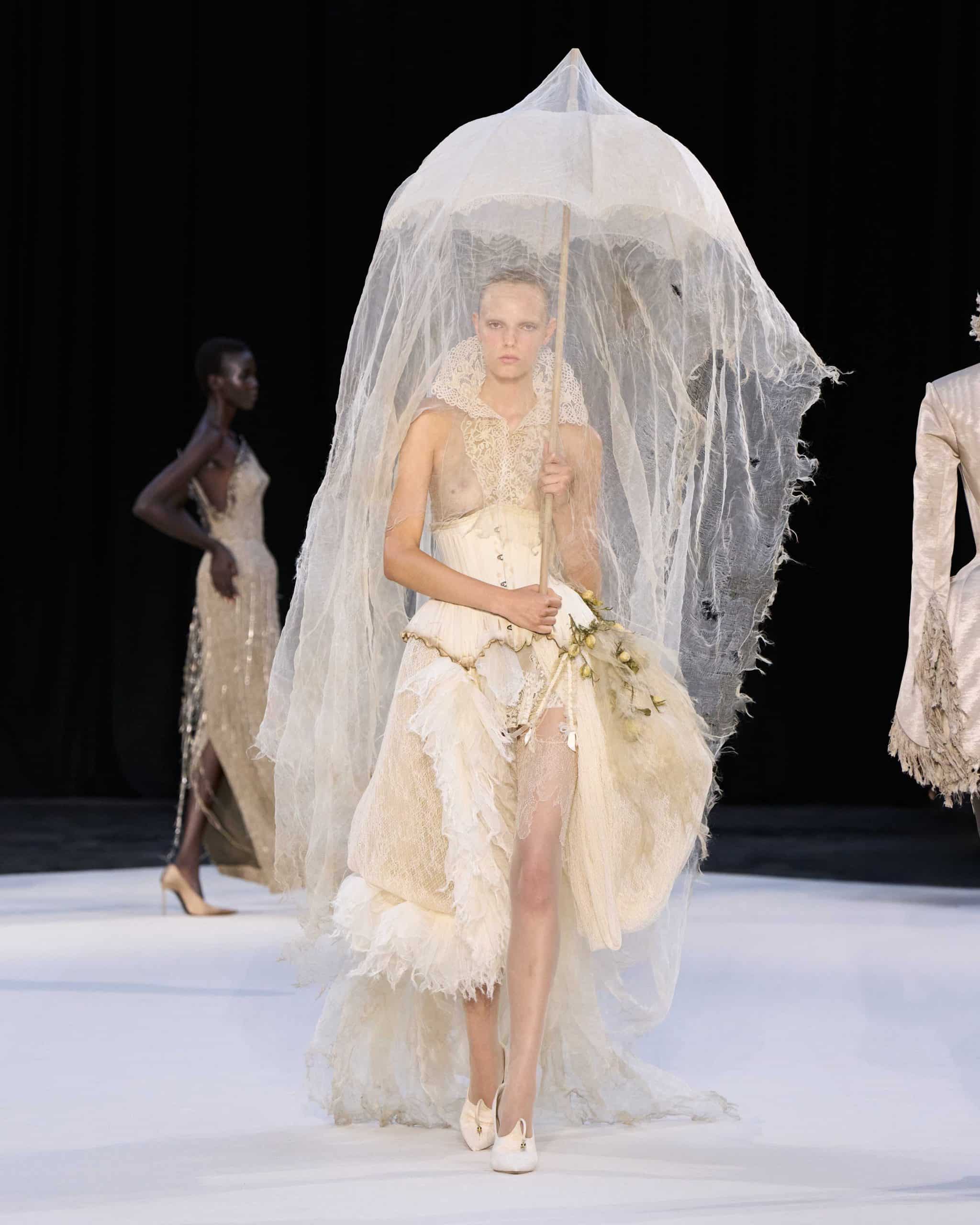
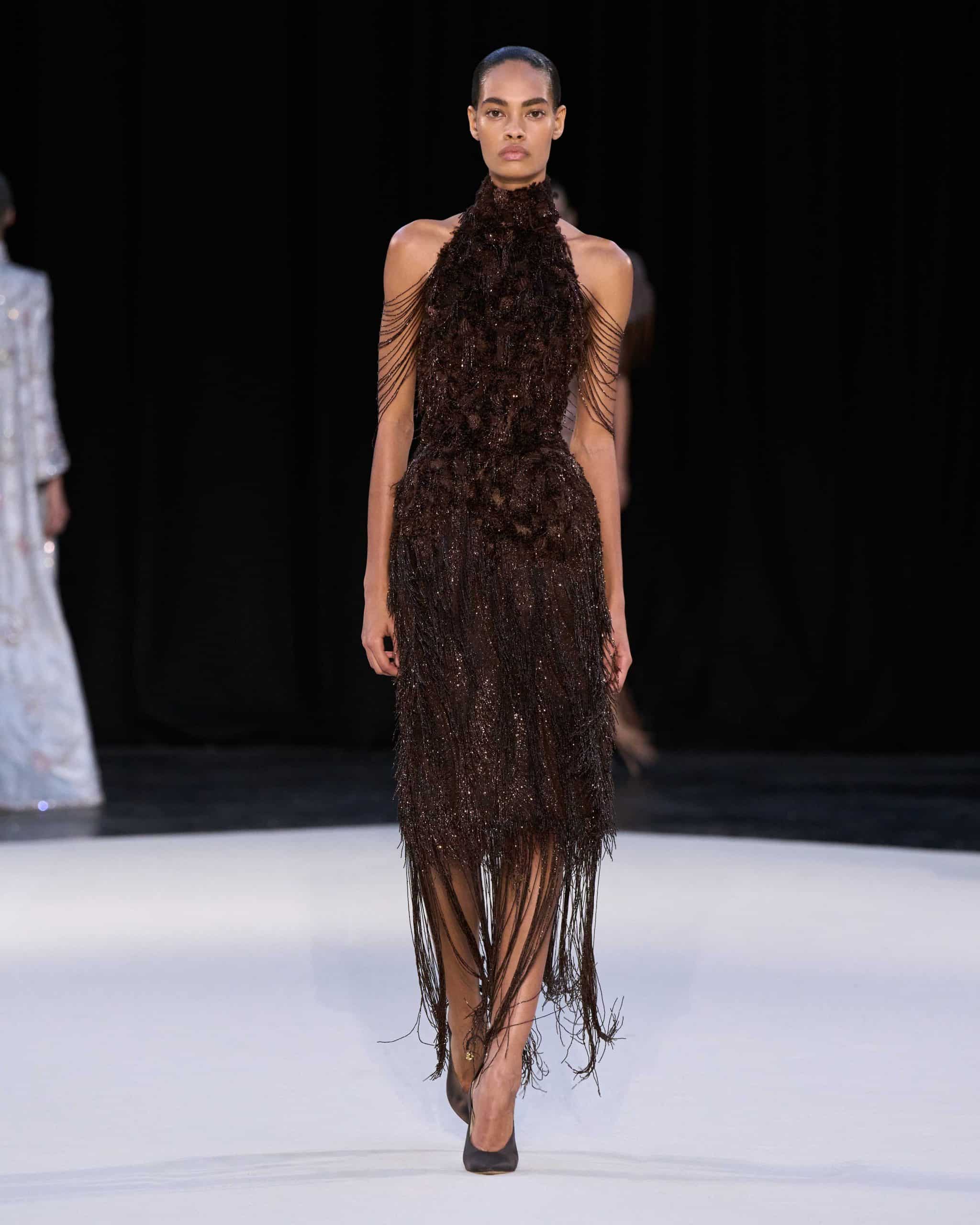
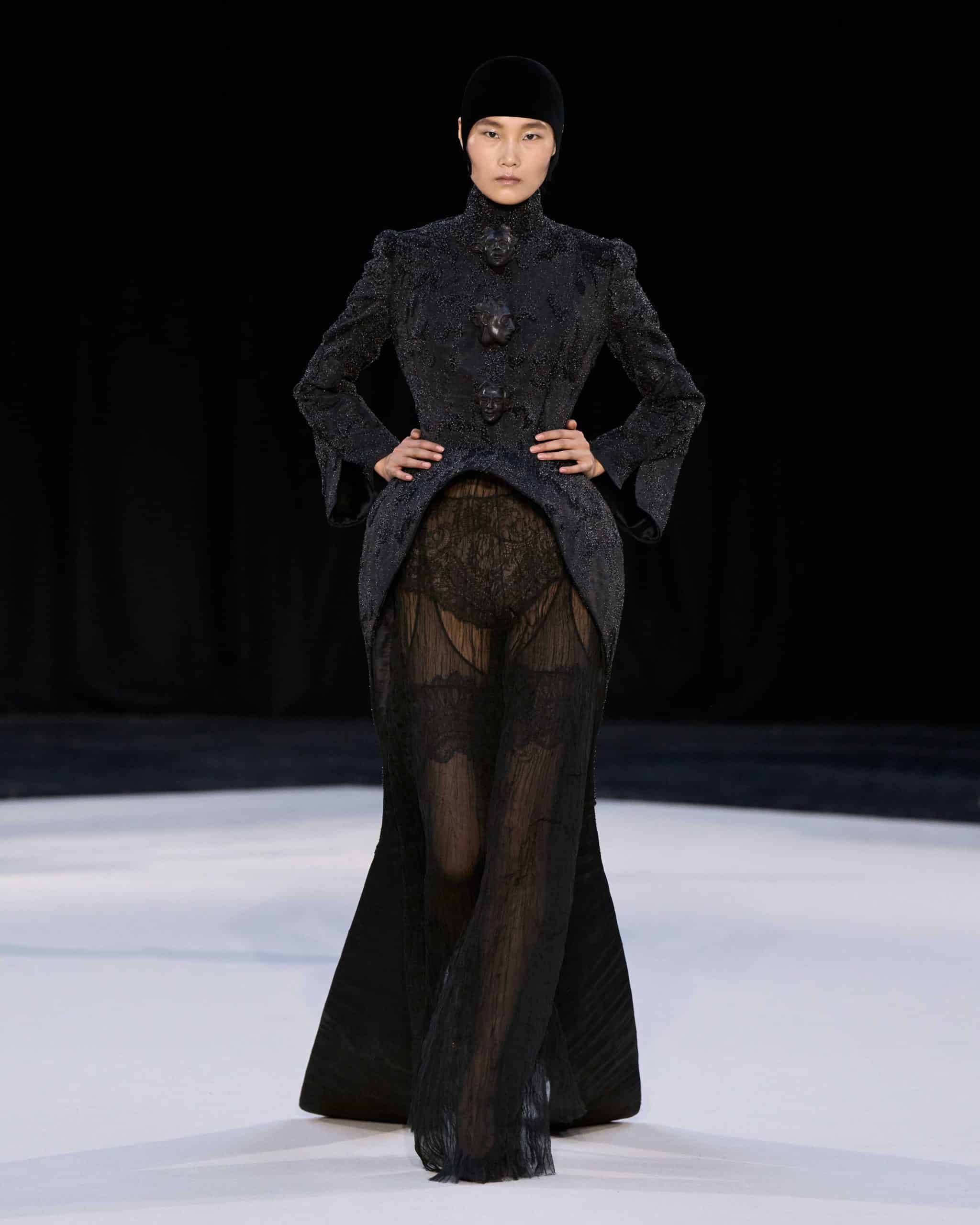
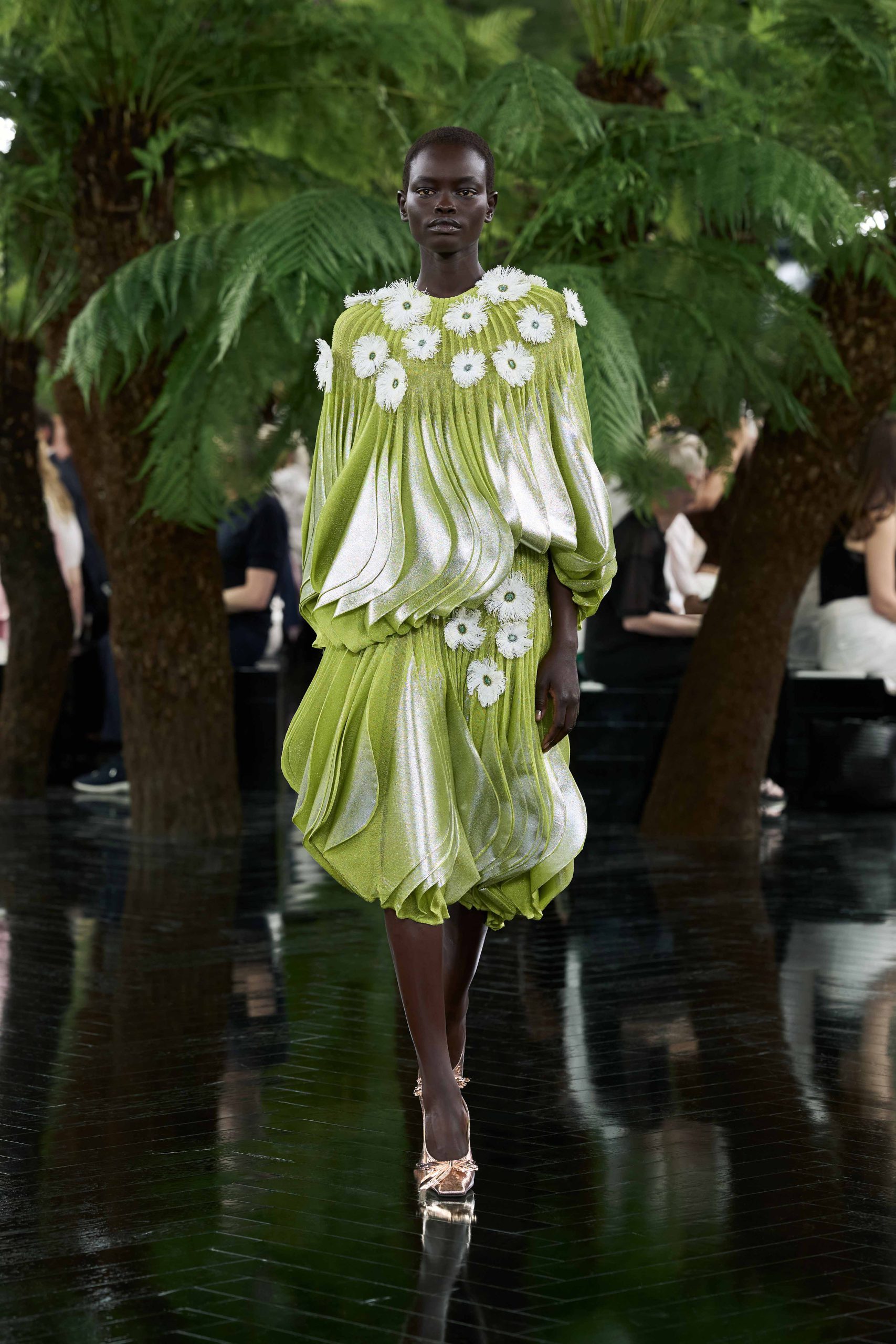
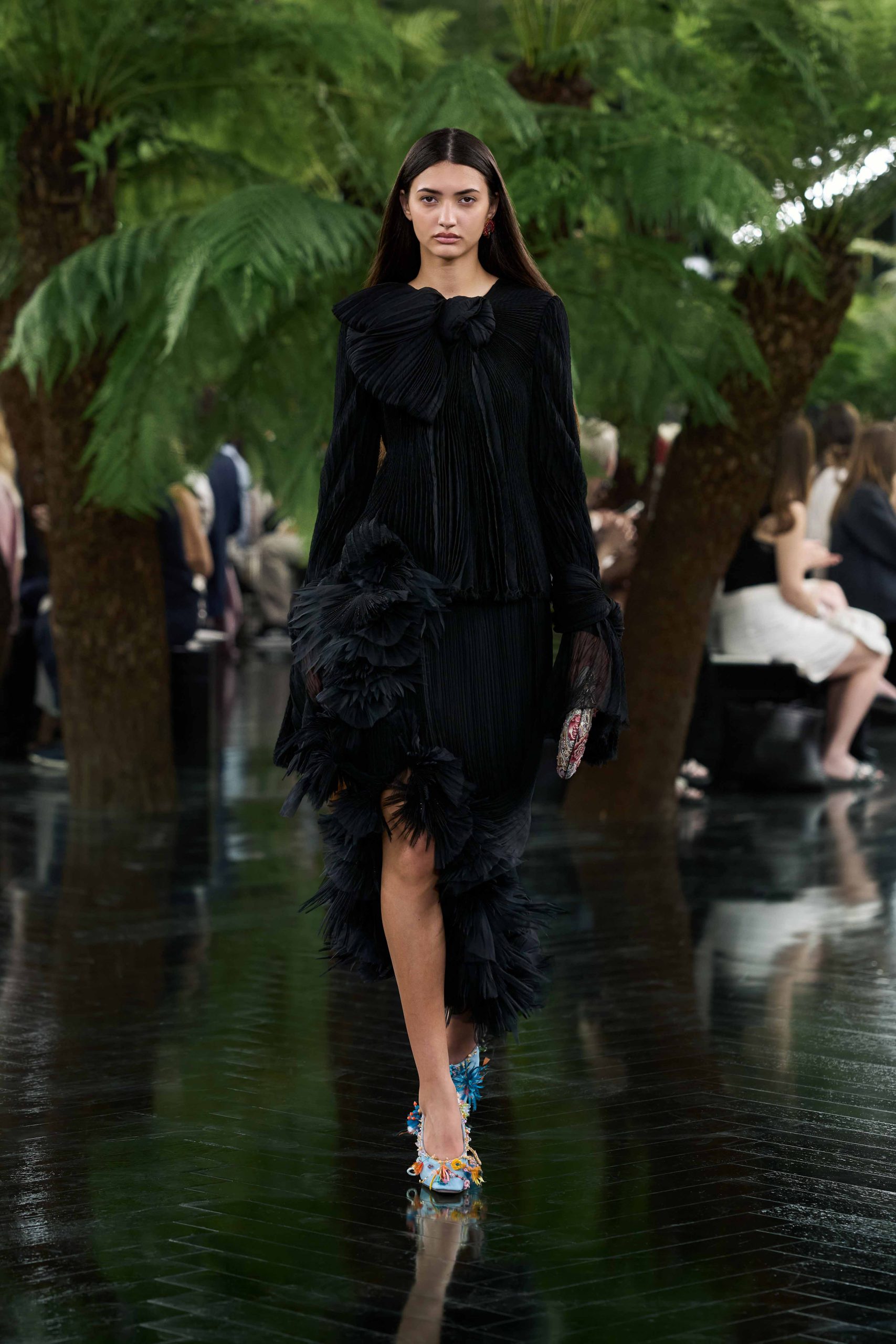
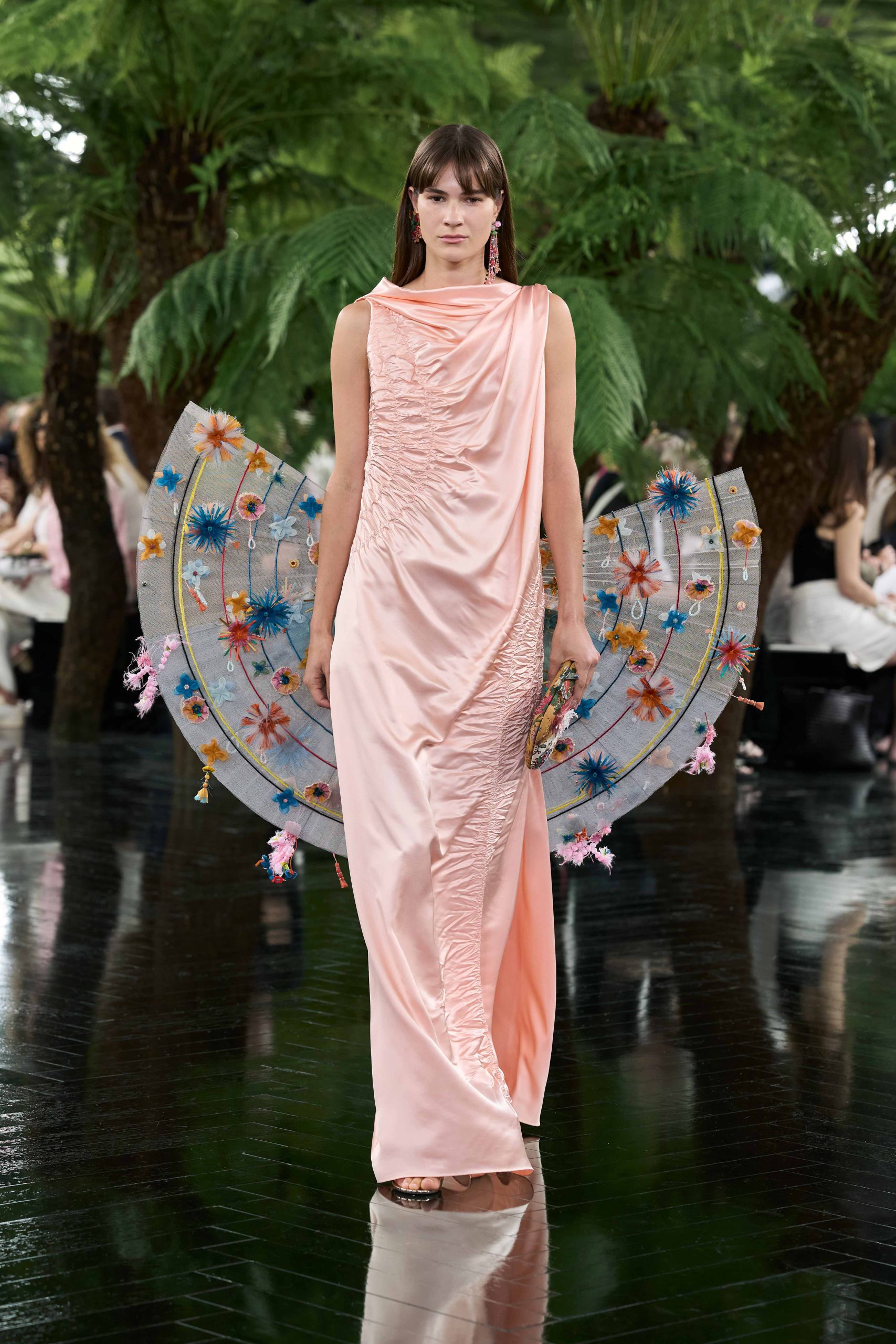
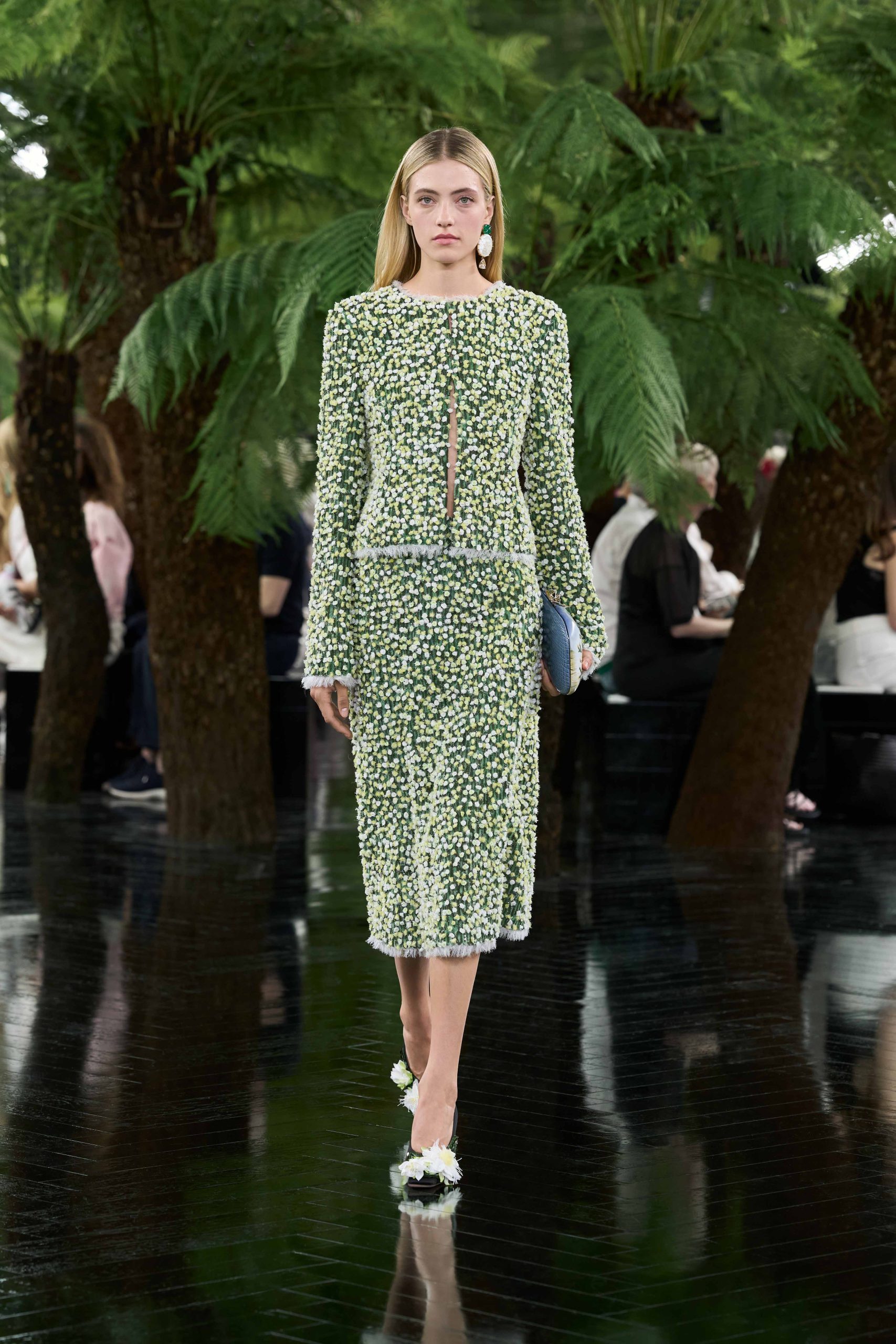
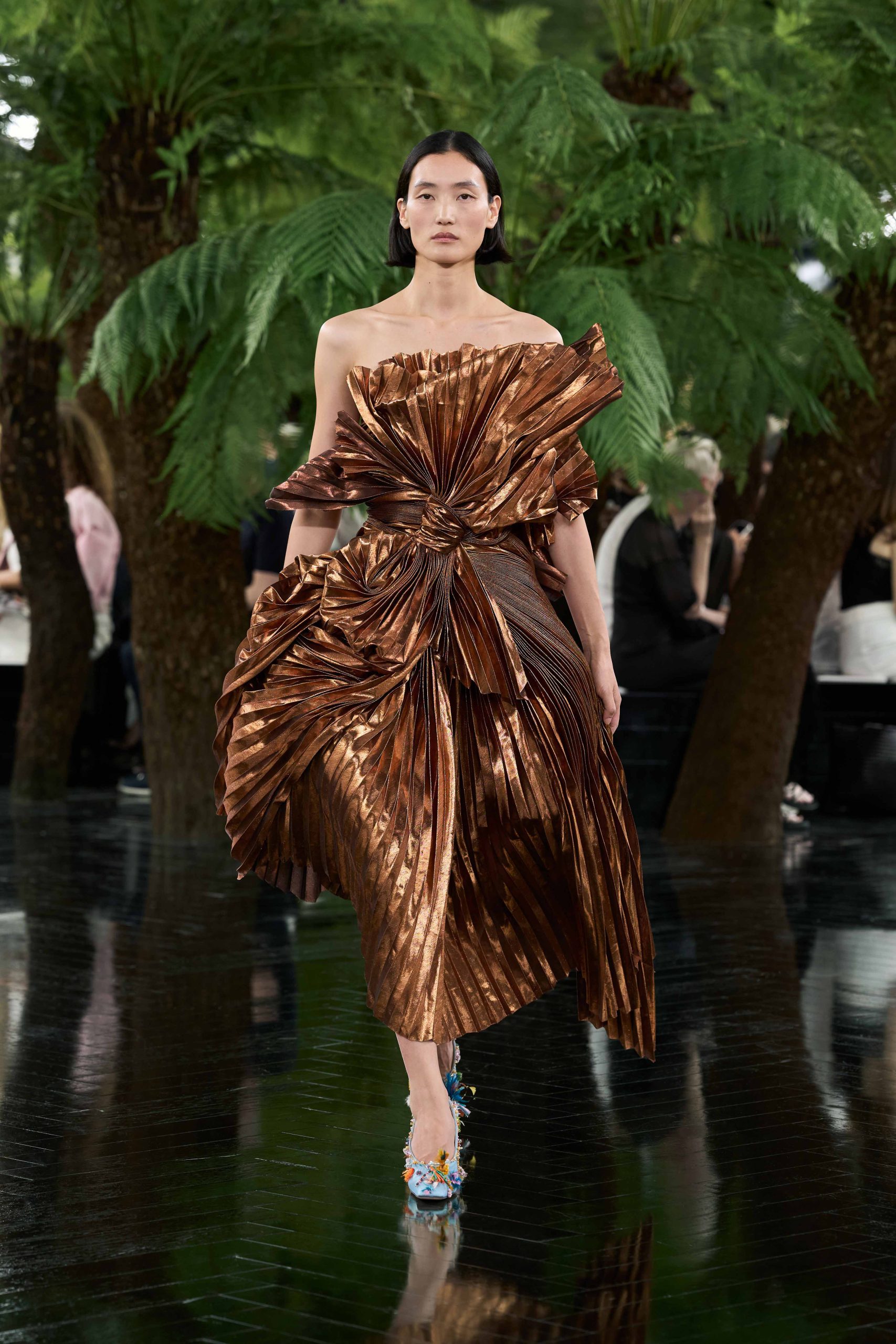
Ashi Studio Haute Couture Fall-Winter 2026/2027 | Courtesy of Ashi Studio

According to luxury fashion consultant Isabel Bazzani, many of the world’s biggest couture buyers would baulk at being publicly identified.

“Many of them have very private relationships with the houses and ateliers themselves; the couture process itself is also incredibly intimate,” she says. “There’s also a misconception that couture is purely extravagant or impractical, as styles can vary drastically. Many couture clients are incredibly knowledgeable and detail-oriented. They know construction techniques, embroidery houses, archival references, and fabric origins.”

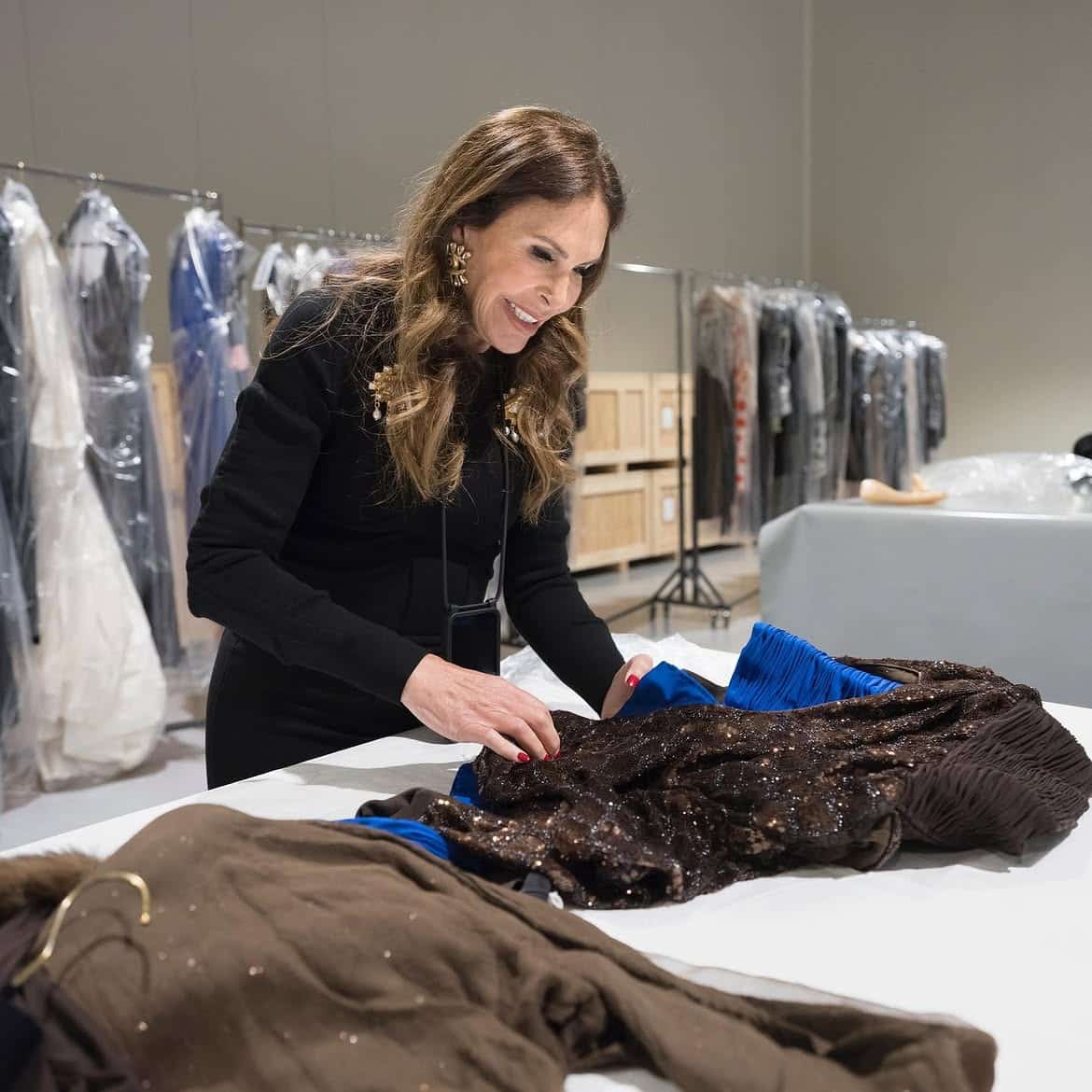
Personalities such as Lebanese businesswoman Mouna Ayoub and Queen Rania Al Abdullah of Jordan are prominent collectors. Rumored to own some 2,700 haute couture pieces, Ayoub recently made headlines when the auction of 95 of her Dior pieces at the Hôtel Le Bristol in Paris set a world record for a haute couture sale, raising over $7.3 million. Among the pieces were a John Galliano for Dior beaded gown from the Spring/Summer 1997 Maasai collection, which sold for over $590,000.

Owning a couture piece is different from owning ready-to- wear due to the time it takes to craft – each is bespoke – and the detail-oriented and personal touches. Some couture is worn once and then archived in specialty vaults and storage facilities with 24-hour security. For newer couture clients, Acha says many own pieces simply so they can say they do. Sartorial bragging rights, so to speak.

“Couture is less about ‘having one’ and more about being recognized by the House as someone worth making one for,” she says. “That and the private cultural ‘contract’ around that relationship.”

Mouna Ayoub via Instagram @maurice_auction

END OF STORY