Written By: Lucy Wildman
A story of purpose, patience, and lasting values, Brunello: The Gracious Visionary charts Brunello Cucinelli’s rise from Perugia to the world.
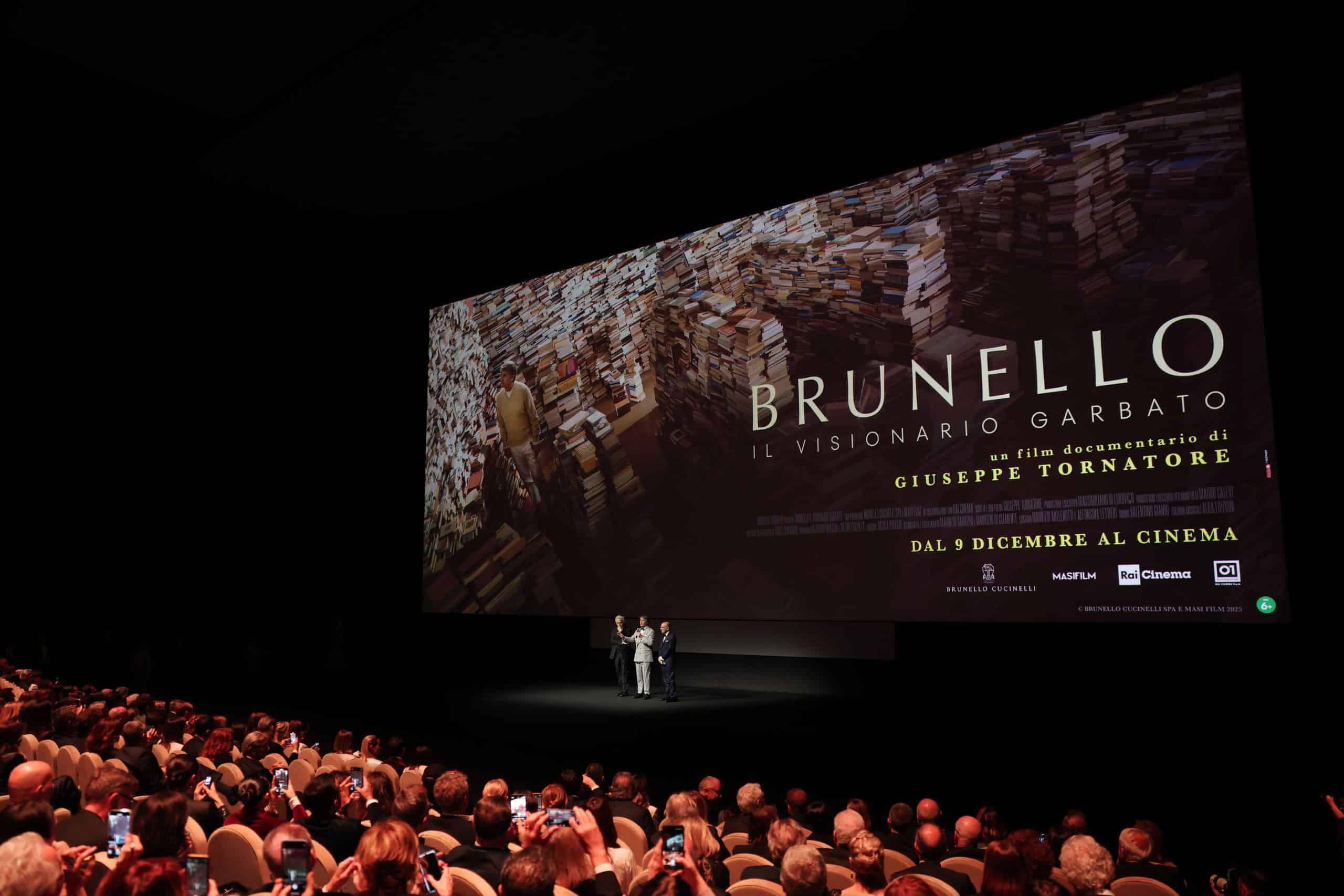
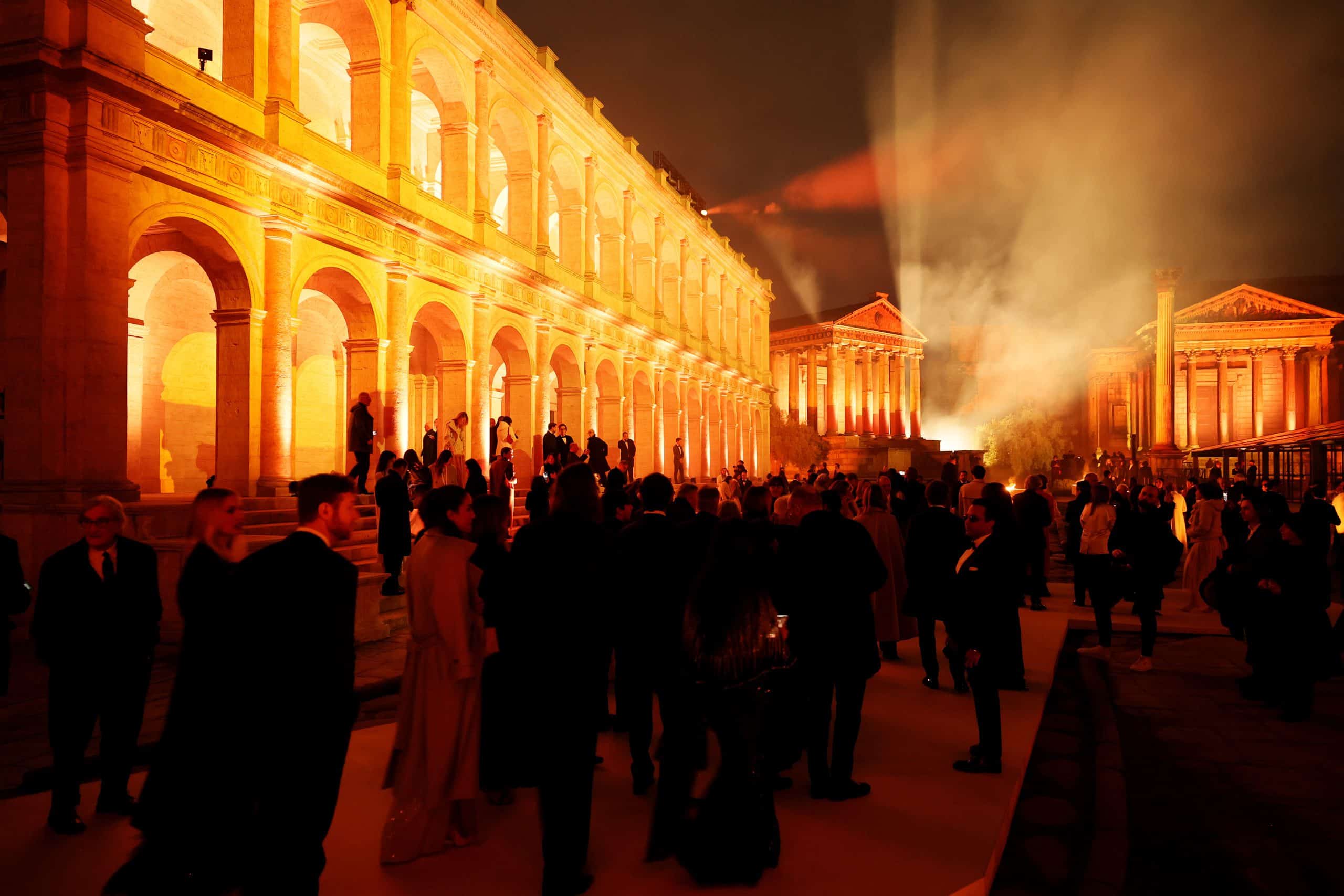
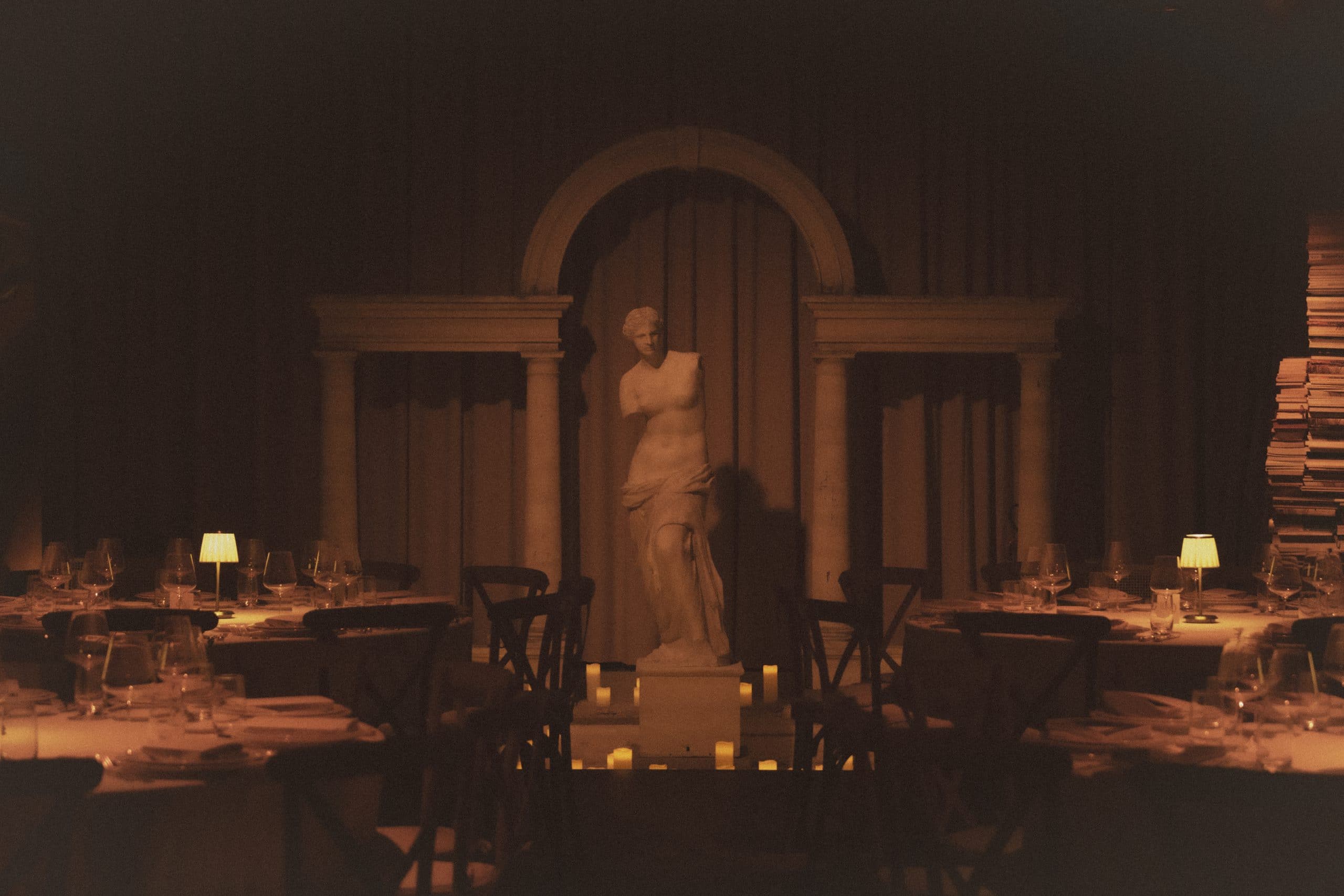
Under a crisp, December sky lit by a glowing supermoon, two thick, ivory carpets illuminated by candles weaved their way through Rome’s Cinecittà Studios, the home of Italian cinema’s golden age, to welcome stars of stage, screen, podium and catwalk to another Italian epic – the premiere of designer Brunello Cucinelli’s long-awaited docu-drama.

Courtesy of Brunello Cucinelli
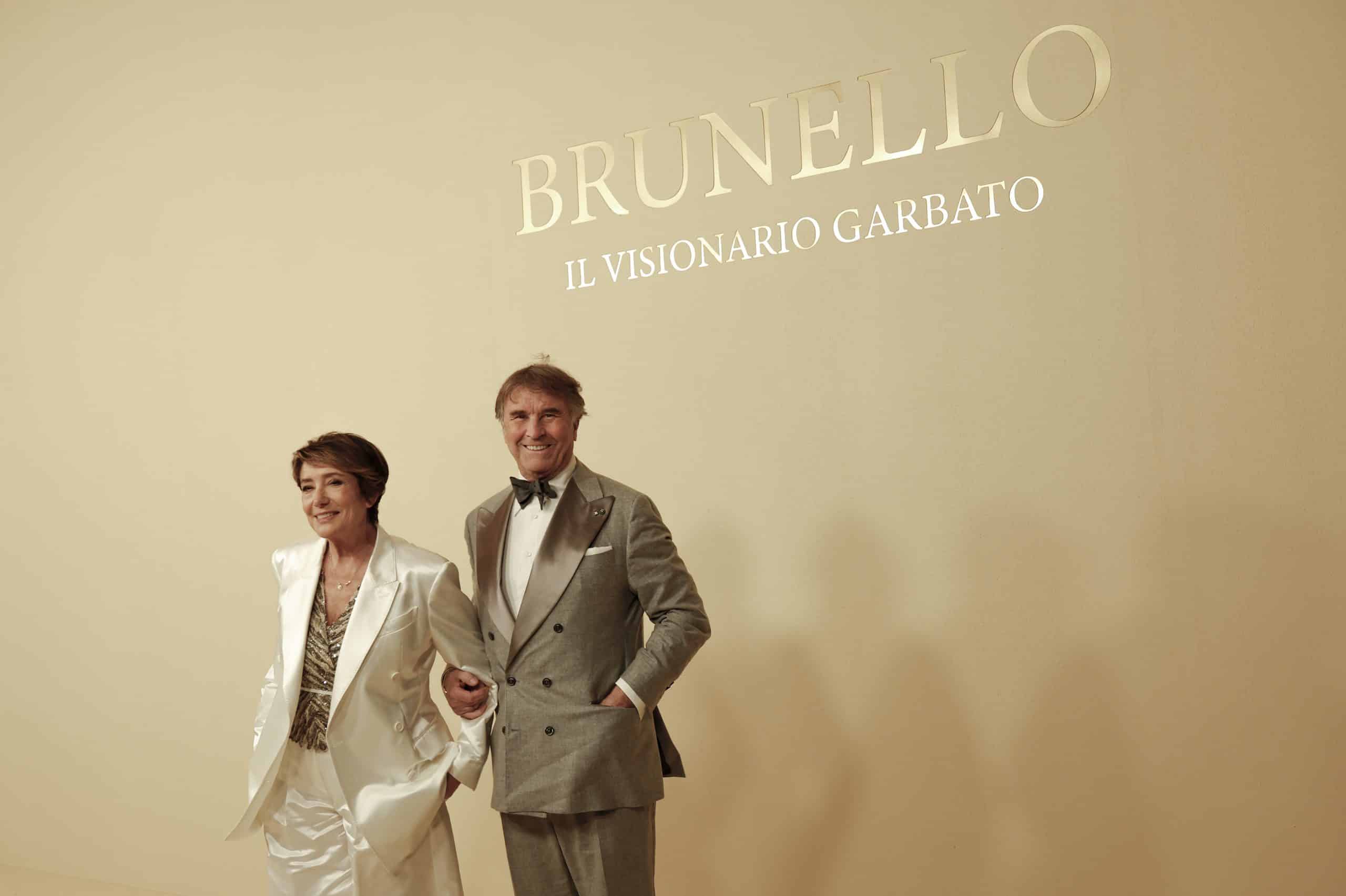
Directed by Cinema Paradiso’s Oscar-winning Italian auteur Giuseppe Tornatore with a score by fellow Academy Award winner Nicola Piovani, Brunello: The Gracious Visionary tells the life story of Cucinelli, charting his meteoric rise from humble beginnings on a farm with no electricity or water in rural Perugia to his present-day status of billionaire fashion legend – loving dubbed The Philosopher King of Cashmere.
With a guest list spanning the realms of fashion, film, art and politics; from former and current Italian prime ministers Mario Draghi and Giorgia Meloni; Hollywood megastars Jeff Goldblum, Édgar Ramirez, Chris Pine, Jessica Chastain, Ava DuVernay and Jonathan Bailey to models Bianca Balti, Anna Foglietta, and Tina Kunakey,
TV presenter Alessandro Cattelan, and actors Anna Ferzetti, Alessandra Mastronardi and Valentina Bellè, plus the full Cucinelli family – Brunello, wife Federica Benda, daughters Carolina and Camilla, and an assortment of grandchildren – stood shoulder to shoulder on the white carpet in preparation for the silver screen telling of their family’s story.

Courtesy of Brunello Cucinelli

Courtesy of Brunello Cucinelli
Courtesy of Brunello Cucinelli
Courtesy of Brunello Cucinelli
Courtesy of Brunello Cucinelli
Courtesy of Brunello Cucinelli
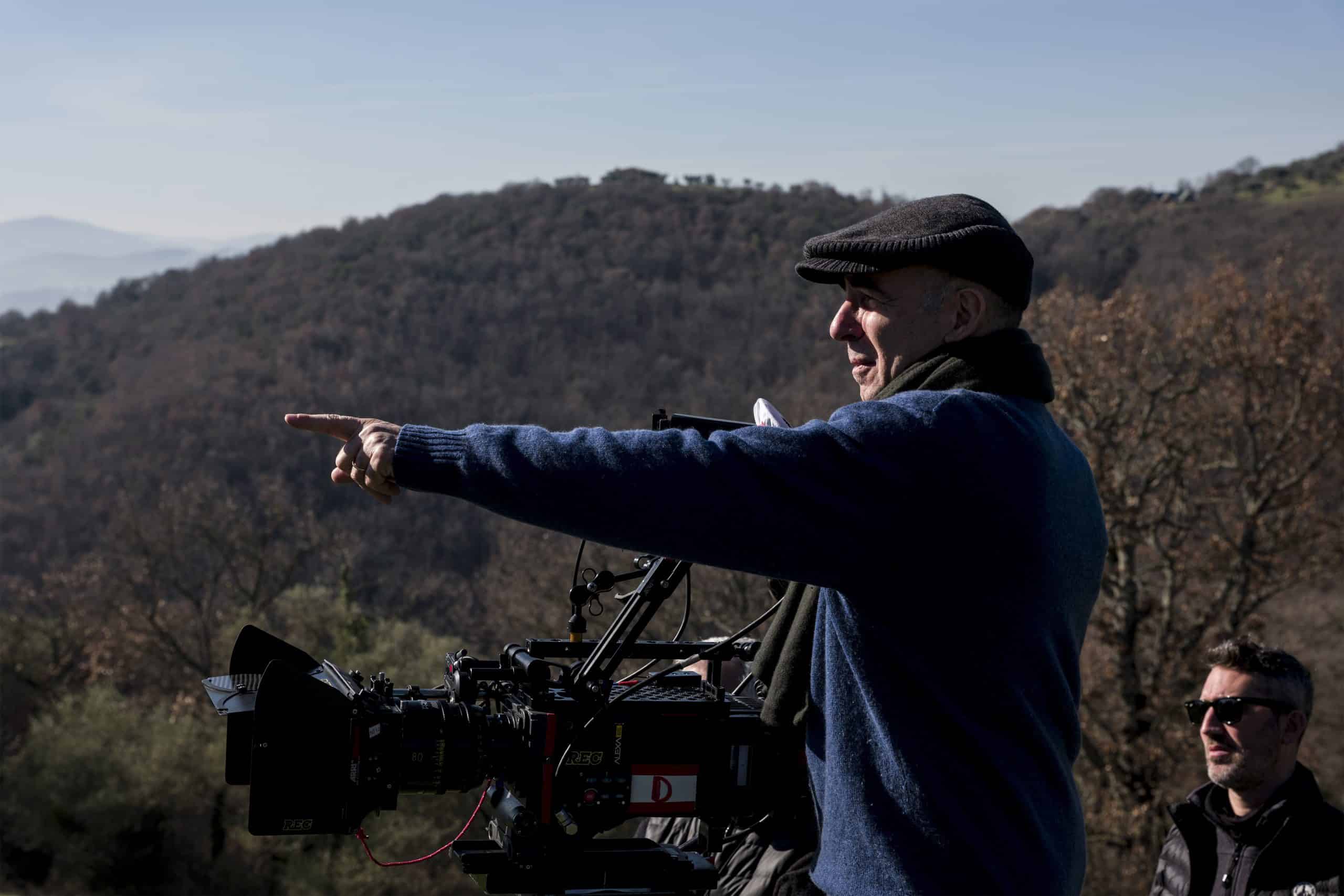
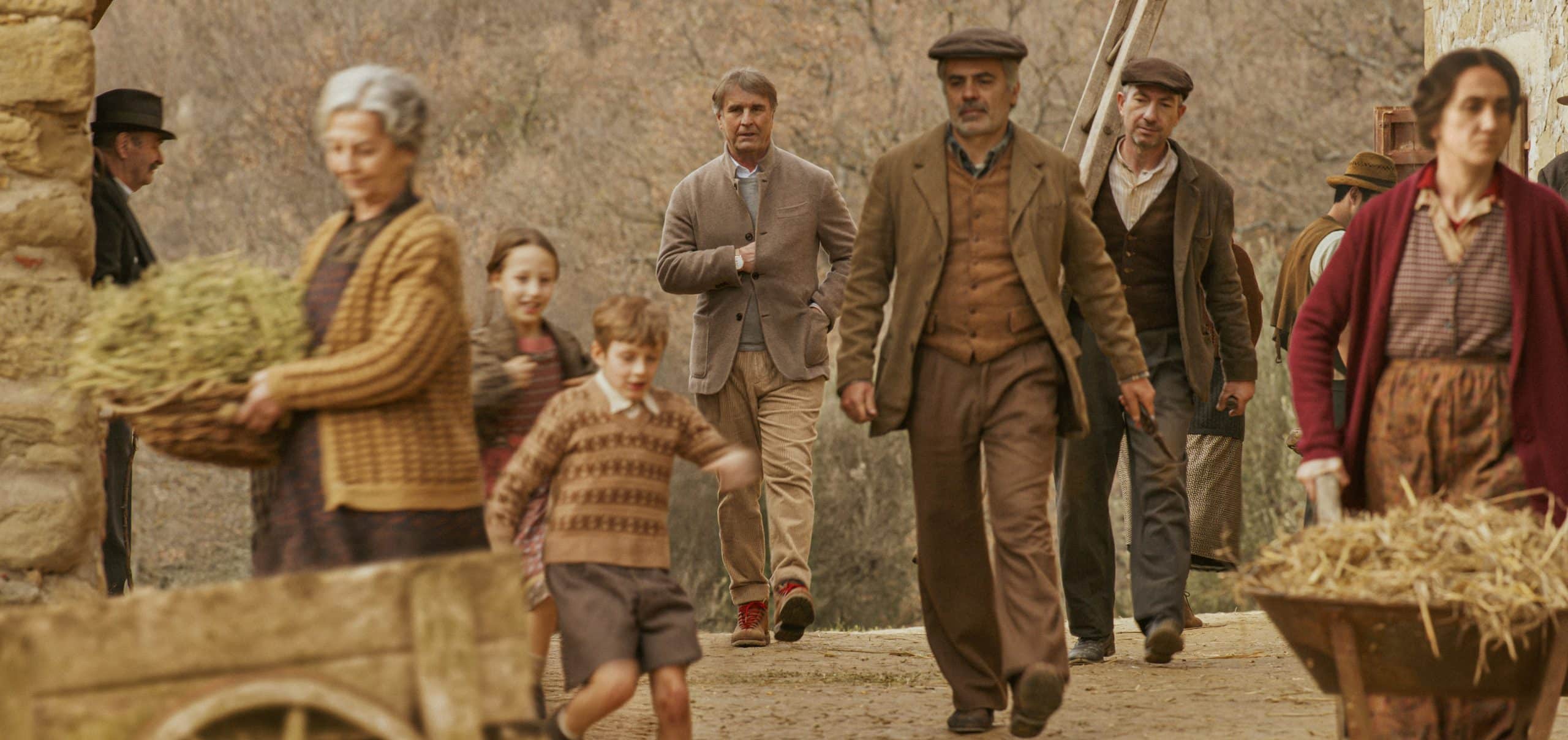
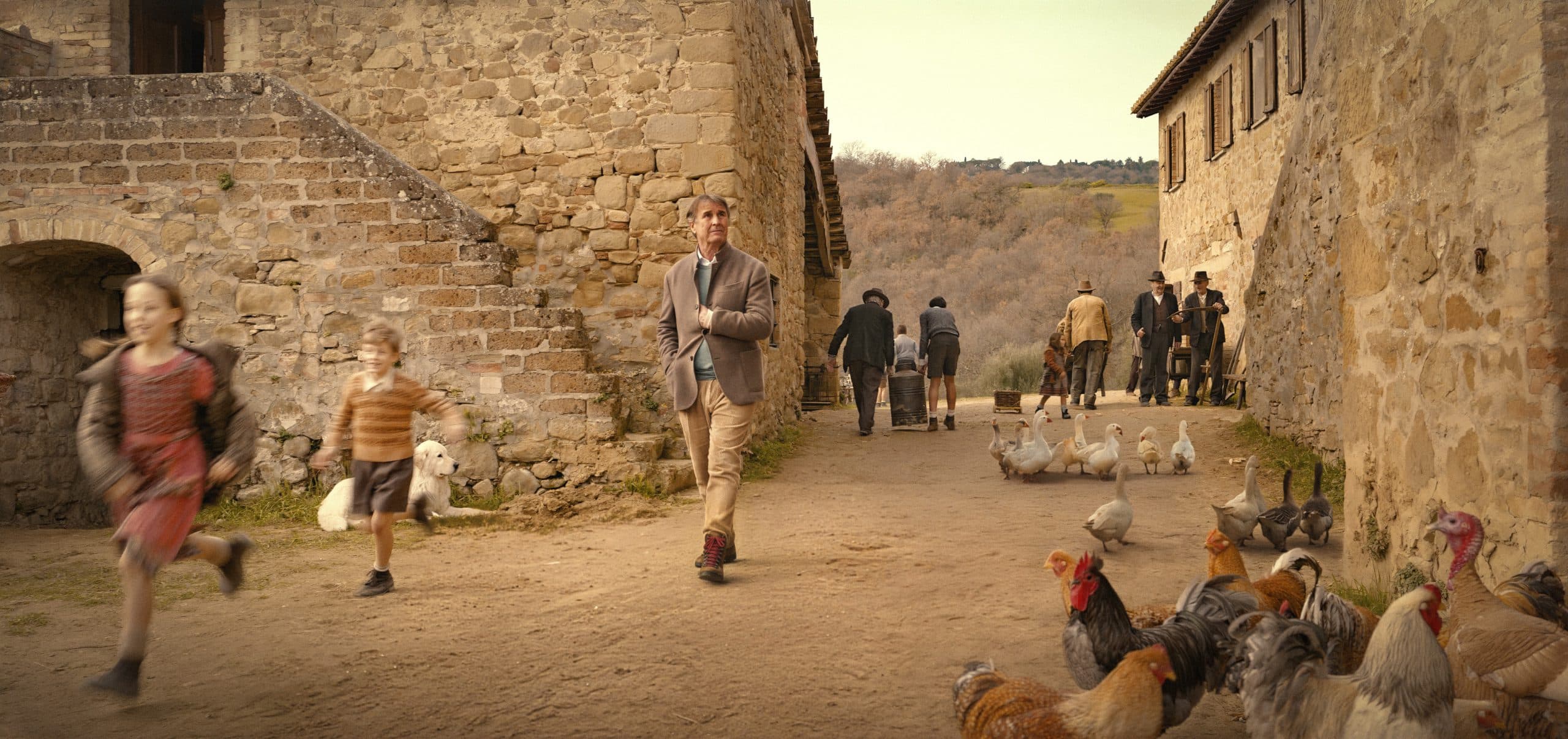
Imagining a symbolic card game between Brunello and a mysterious opponent – an allegory of Cucinelli’s life – as the unseen rival plays his hand, Tornatore’s film traces Brunello’s path in a lyrical narrative, blending cinematic reconstructions, archival footage and intimate testimonies in a tale that is poignant, emotional and visually spectacular – with the beauty of the Italian landscape and a goosebump-inducing score elevating the journey of a genuinely good man whose heart and talent shines as brightly as the colorful cashmeres that paint the rainbow of his life.
“It is not quite a documentary, nor a feature film, nor a commercial – but a blend of all three,” describes Tornatore of the project, with characteristic lyricism in the director’s notes. “As the narrative unfolds, these two styles do more than simply co-exist: they intersect and occasionally spill into one another, giving rise to a structure that embraces risk and experimentation. In this sense, Brunello: The Gracious Visionary may rightly be described as an experimental film.”
“We tried to combine wisdom, equality, and concord, which are the great pillars of a decent person,” revealed Brunello of the film. Highlighting the magic of Cucinelli’s world – a mix of humility and grandeur – the project took two years to film and a year to edit down to the final cut, and was, by Brunello’s own admission, a cathartic experience. “It was very moving,” said the designer, who collected his Outstanding Achievement Award from Sharon Stone at the Fashion Awards at London’s Royal Albert Hall just days before the Rome premiere. “This film touches the deepest, most intimate corners of my soul.”
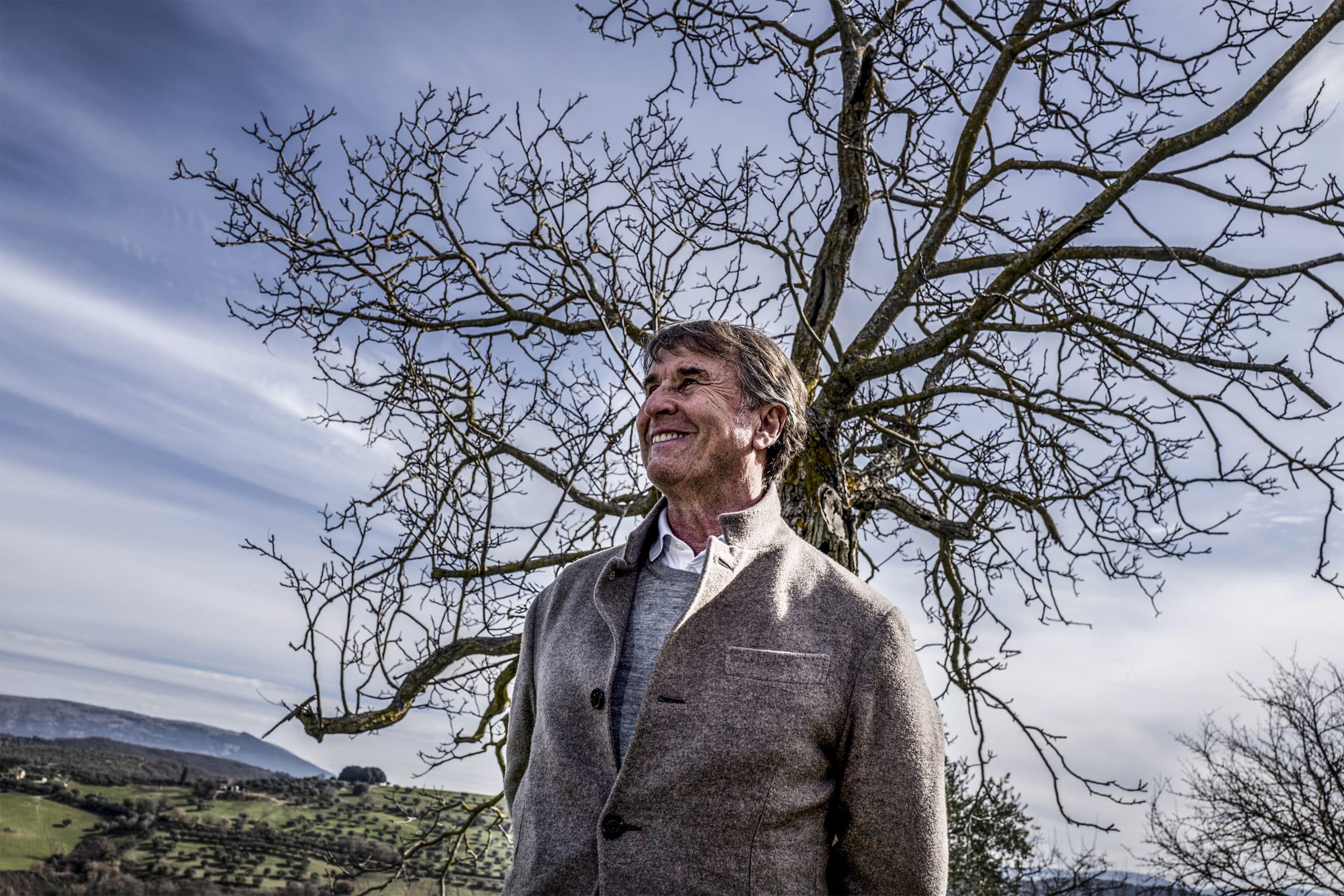
Specifically commissioning the film while still in his prime, 72-year-old Cucinelli wanted the audience to see his story with his unique input – truly seeing his world through his eyes. “I’ve watched many documentaries in the past and many of them were shot after these people had passed away. I didn’t appreciate many of them, not because they weren’t good to look at, but because they did not ring true,” he explained. “I want my children and grandchildren to hear my true voice in the movie. This is the kind of legacy I can leave to future generations – my testimony.’
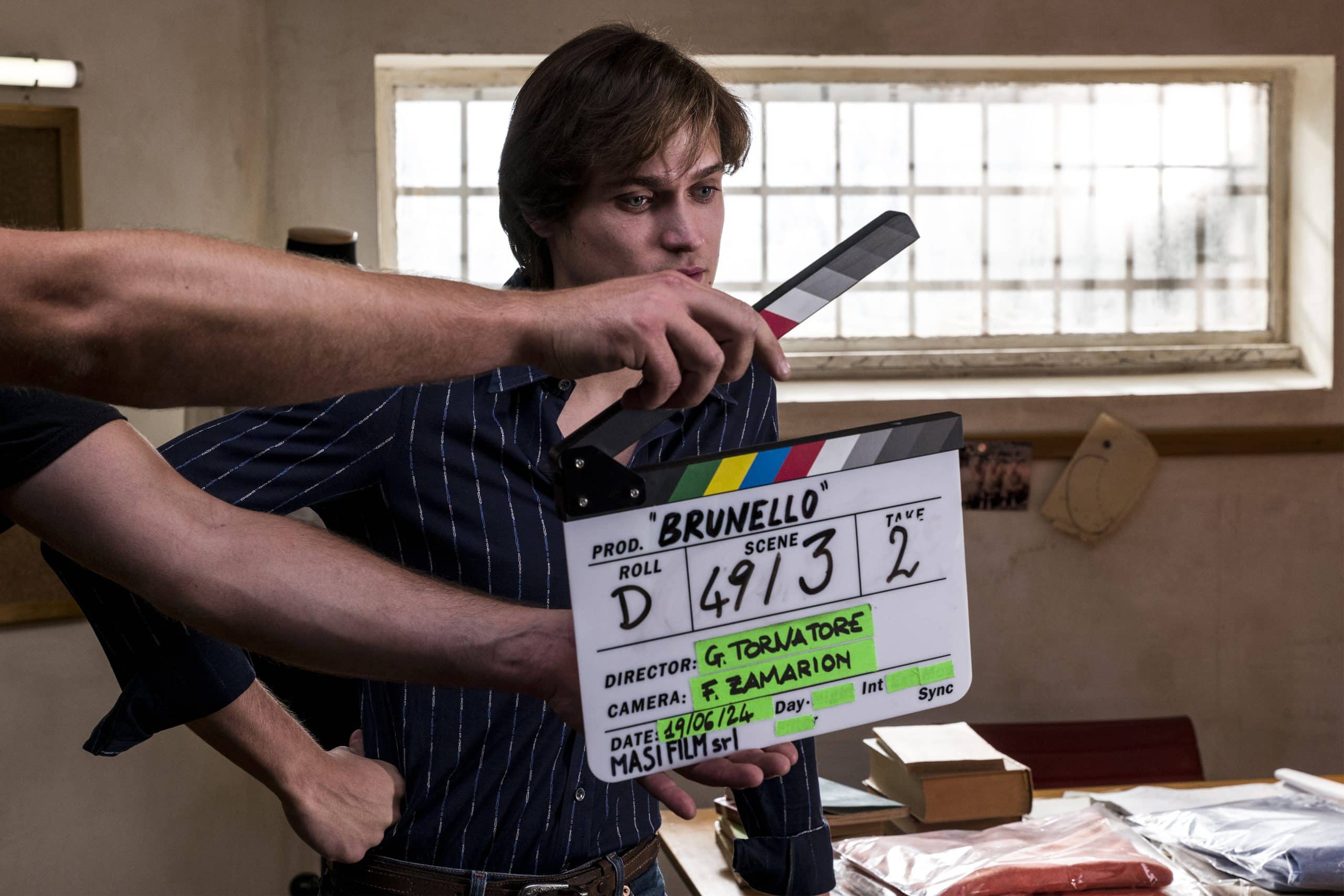
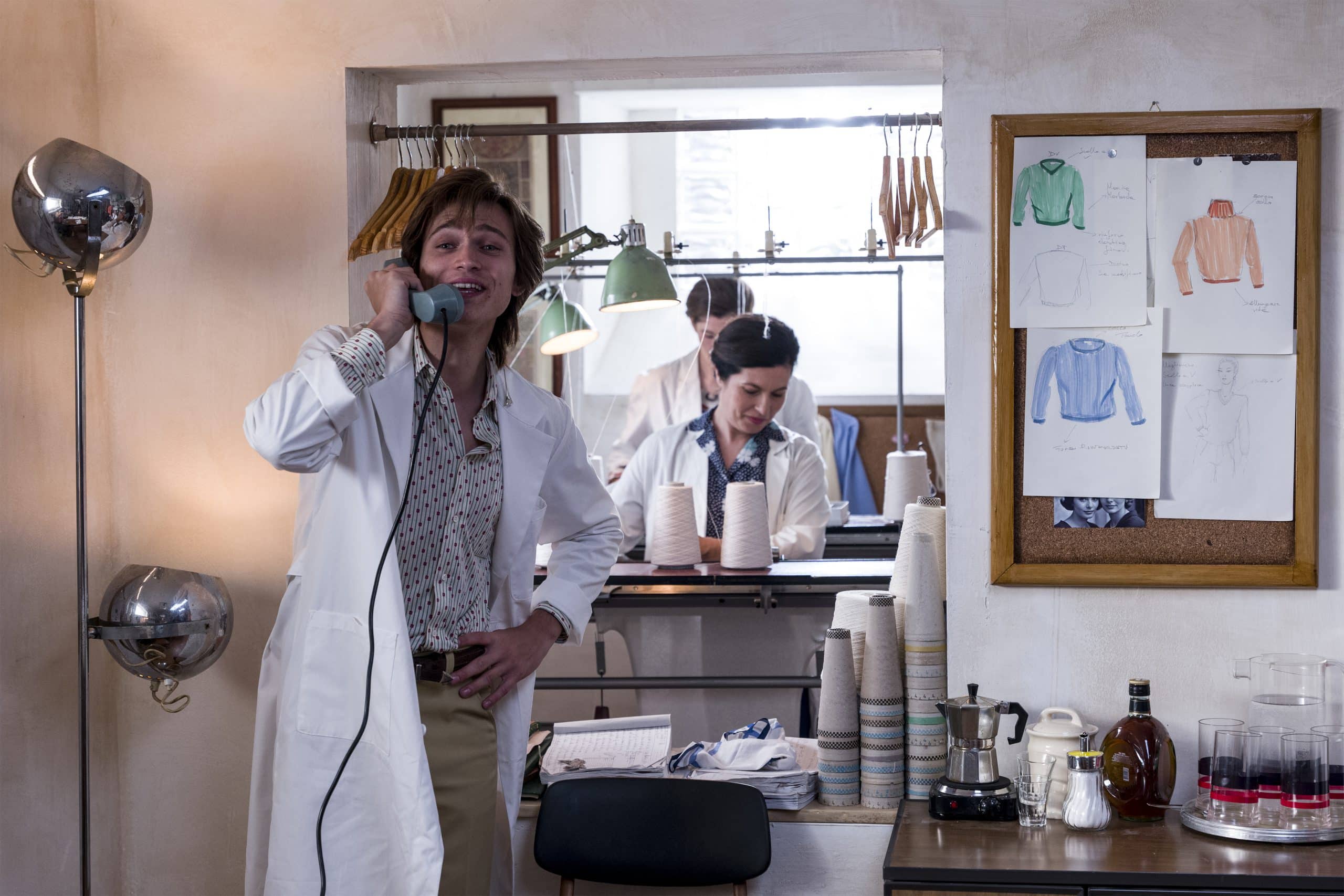
Personally casting the actors who would play him as a child, an adolescent and a young man, rising star Saul Nanni has been lauded for his standout performance as the mulleted, romance-chasing, twenty-something Cucinelli, who burned up the ’70s Italian countryside on a Kawasaki, dodged full-time employment until his mid-twenties and plotted his future as a knitwear entrepreneur from his local bar. Meanwhile, Cucinelli himself appears throughout the movie in flashback sequences as an observer and narrator, as well as playing a variety of roles in scenes including the central player in a local Easter parade and a cashmere-clad cowboy, emerging resplendent on horseback from a dust storm in the Gobi desert. Offering a fascinating and immersive view of life in post-war rural Italy, where a farmer’s son becomes not just a fashion icon but a leading advocate of ethical, human-centered business practices (complete with a speaking slot at the G20), it’s hard not to feel overwhelmingly warm and fuzzy about the whole, beautiful narrative that unfolds before you.

Courtesy of Brunello Cucinelli

Courtesy of Brunello Cucinelli

Courtesy of Brunello Cucinelli

Courtesy of Brunello Cucinelli
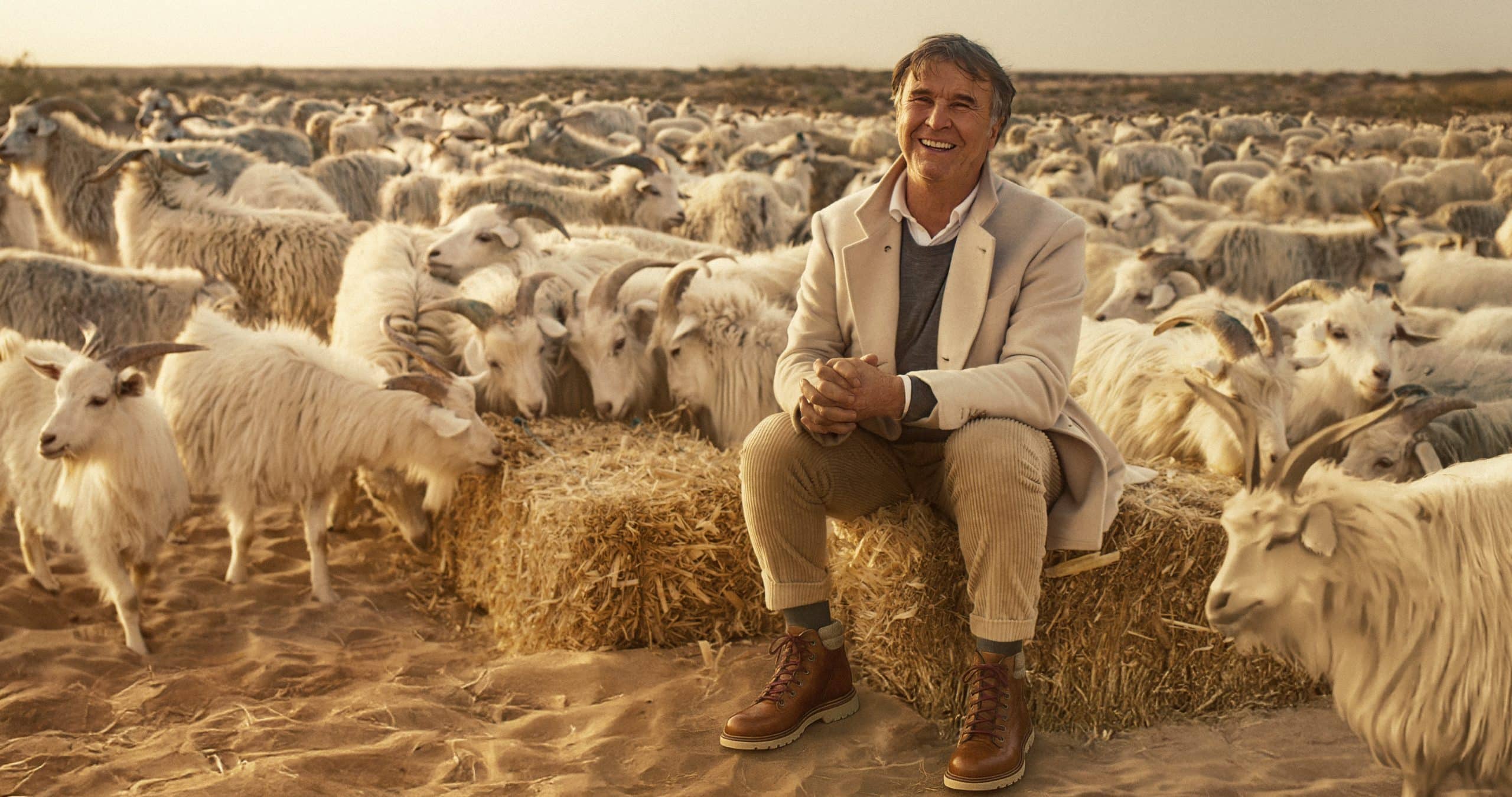
With an exceptional input into the film’s making, Cucinelli has been able to present his manifesto for ‘humanistic capitalism’ into arguably the most revealing portrait of his life. Transforming his beloved village of Solomeo from a run-down hamlet in the Umbrian countryside to the beating heartbeat of his billion-dollar business that preserves artisanal techniques and a thriving community, along with countless other altruistic acts, his docu-drama does much to remind the viewer that not all billionaires are cash-obsessed, narcissistic, megalomaniac, soul-sucking cultural bulldozers.
Simply put, Cucinelli’s film offers a glimmer of hope for the world- weary fashion observer who’s tired of the tragic tyranny that enables so much of the fashion industry. “The overriding message of the film is that you can do business whilst respecting human dignity,” said Brunello. “And you can work with better conditions without the need to humiliate or belittle people. That’s the gist of it.”
That sounds like the real-life happy ending of a perfect fashion fairytale to us.
Related Fashion, Culture
- Fashion
- 5 Min Read
PACKING, EN POINTE: RIMOWA INTRODUCES THE BALLERINA PINK ESSENTIAL SUITCASE
January 27, 2026
- Fashion
- 5 Min Read
DIOR’S DUBAI POP-UP IS A JONATHAN ANDERSON FEVER DREAM (IN THE BEST WAY)
January 22, 2026