VAN CLEEF & ARPELS’ CENTURY OF ART DECO INFLUENCE IN TOKYO
Written By: Ali Y. Khadra & Khansaa Houlbi Sorbet speaks to CEO
Written By: Ali Y. Khadra & Khansaa Houlbi
Sorbet speaks to CEO of Van Cleef & Arpels Catherine Rénier and Director of Patrimony and Exhibitions Alexandrine Maviel-Sonet, revealing how Art Deco's geometry, glamor, and spirit still echo through the Maison's world

Courtesy of Van Cleef & Arpels
The Twenties remain one of the few decades we revisit without hesitation, and with very good reason. Utter ‘Great Gatsby’ while planning a party and you immediately hear a collective shimmer ripple through the room. Hedonism, Champagne towers, sequins, the irresistible glamor of excess. Even our borrowed memories of the decade, filtered through films and Fitzgerald, feel drenched in that dreamy golden haze.
Yet beneath the moonshine, the speakeasies and those gloriously sleepless nights, the Twenties marked a genuine shift in taste and imagination. The world was accelerating and design kept pace. A new visual language emerged, sleek and geometric and modern, but still buzzing with the era’s love of the unexpected. Art Deco arrived and the world exhaled in admiration.

Courtesy of Van Cleef & Arpels
Architecture, fashion, jewelry and even the rhythm of daily life adopted the same attitude. A cool nonchalance paired with a thirst for progress and a willingness to step boldly into a new age. A century later, that spirit still feels uncannily fresh. We meet it again today, this time through the eye of Van Cleef & Arpels.
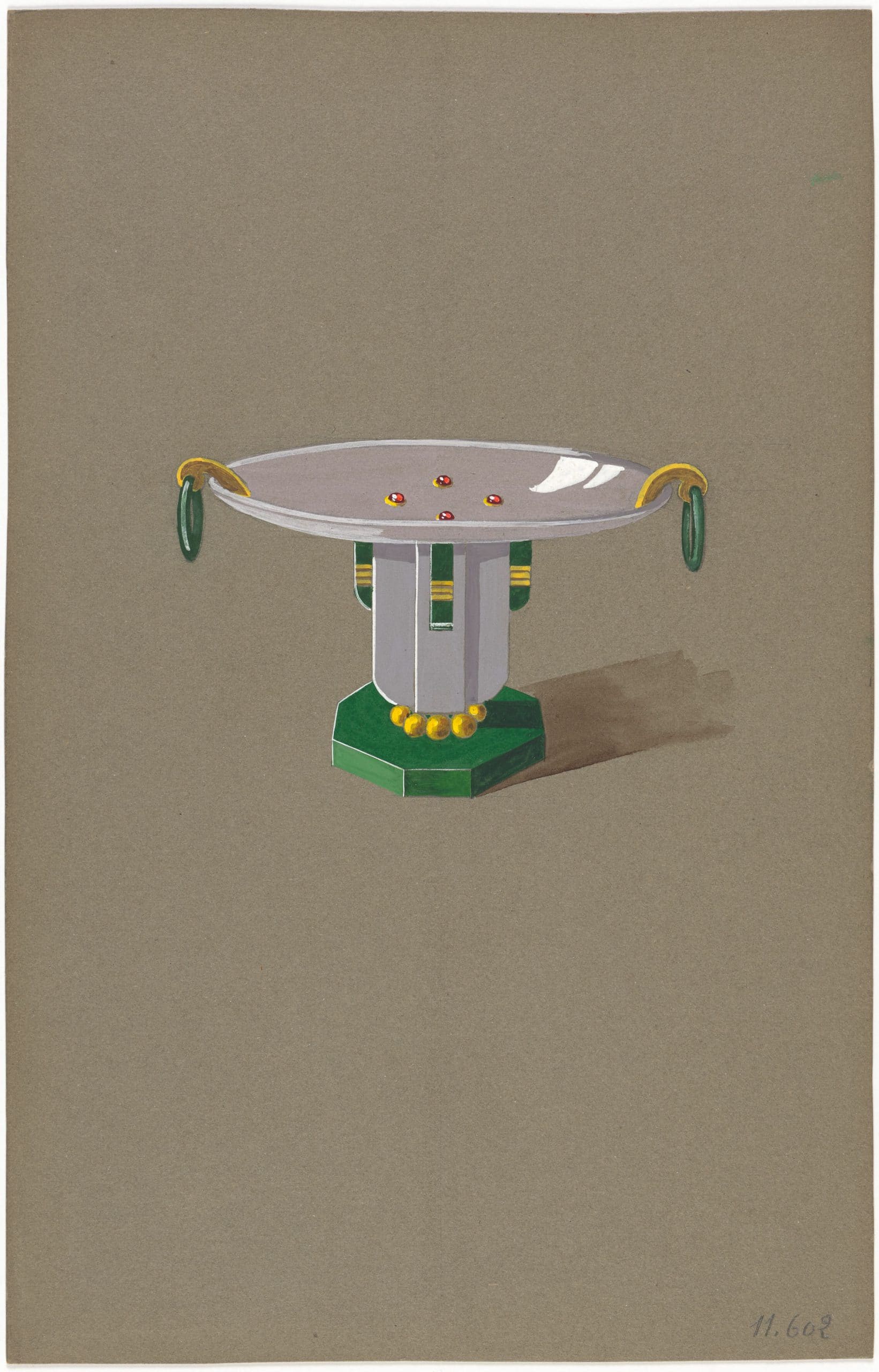
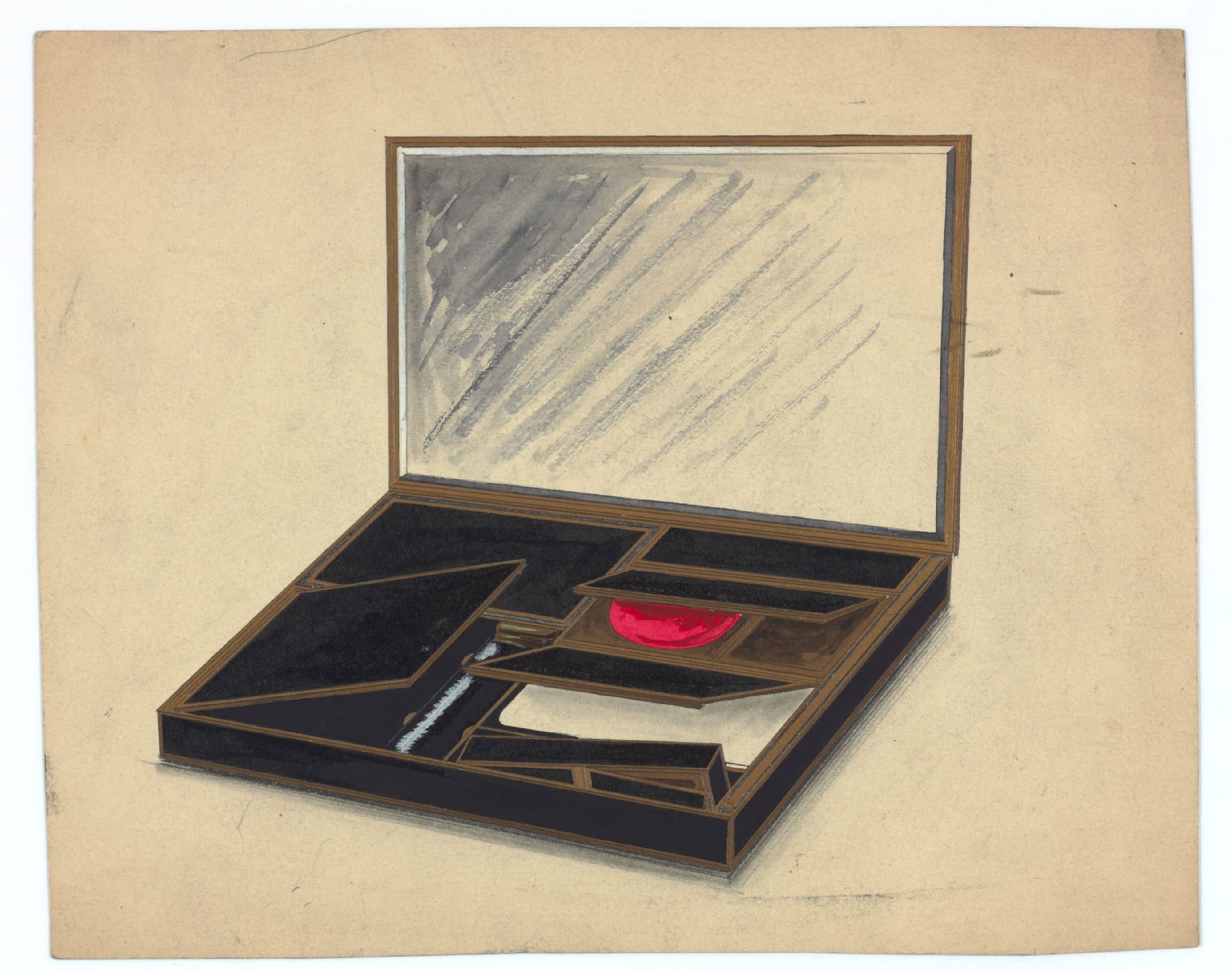
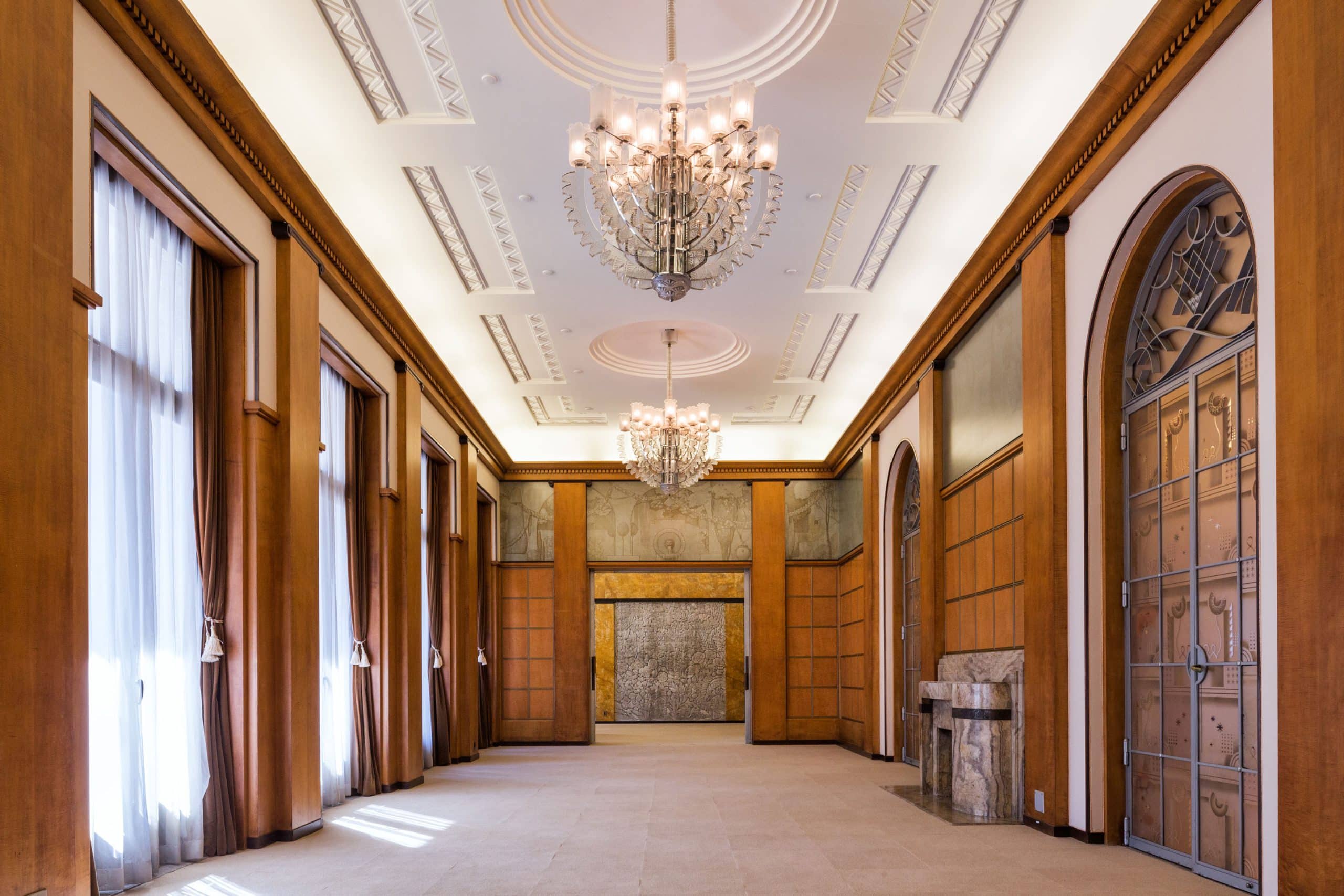
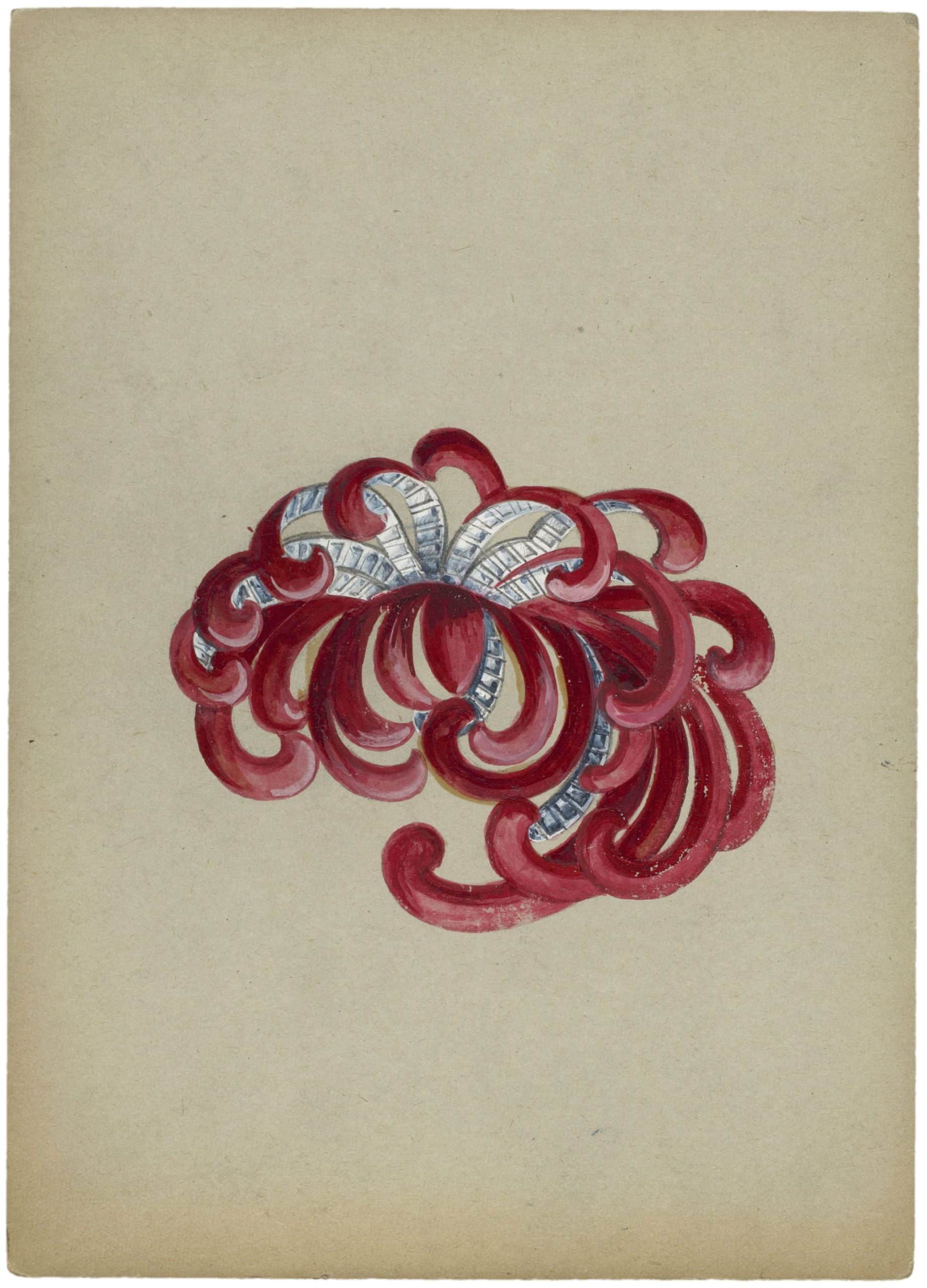
For the Maison, Art Deco is a cornerstone. The Twenties did not simply influence Van Cleef & Arpels. They shaped it. The International Exhibition of Modern Decorative and Industrial Arts in Paris in 1925 marked a defining moment for the House. The exhibition’s architectural legacy would later inspire the Teien Museum residence in Tokyo, creating an unexpected thread that links Paris, Tokyo and the Maison’s creative DNA.
So we follow that thread to Tokyo, where the dialogue between the Teien Museum, Van Cleef & Arpels and the lasting allure of Art Deco unfolds with striking clarity. There, we sit down with Catherine Rénier, CEO of Van Cleef & Arpels, and Alexandrine Maviel-Sonet, director of Patrimony and Exhibitions, to reflect on this milestone and to consider how the brave elegance of the Twenties continues to shape the Maison today.

Courtesy of Van Cleef & Arpels
ALI Y. KHADRA: How does the Timeless Art Deco with Van Cleef & Arpels High Jewelry exhibition at the Tokyo Metropolitan Teien Art Museum serve this mission?
CATHERINE RÉNIER: The Maison has always had a real desire to share its passion for jewelry – not only through creativity and craftsmanship, but also through meaning. When we find such a rich and specific angle – these 20 years of inspiration – it gives us a way to open the jewelry world to the public, through our own curation and storytelling.
This story is ours. It’s consistent with our history. And the purpose is to continue sharing our passion for jewelry and craftsmanship, and to show how decorative arts and jewelry arts are intertwined. Through this exhibition, the public can see those connections.
AYK: Why is cross-cultural exchange and inspiration so important for a Maison like Van Cleef & Arpels, and how is this reflected in the creative process?
CR: Our Maison has always been open to culture and international inspiration. It has been a driving force in our designs since the beginning. The founding family traveled extensively; they bought stones directly in faraway countries. They were deeply curious and inspired whether by Egyptomania in the ’20s, or by Japanese influences, Asian designs… all of which appear in our creations.
This openness continually fuels creativity. There is humility in observing and learning from others. To create a dialogue of creative expression and craftsmanship.
A good example is our work with lacquer. We still work with it today, and for the last 20 years, we’ve collaborated with one lacquer artist in Japan – Ako Sei-san. He creates lacquered butterflies that are absolutely stunning. Each one is unique and takes weeks to make.
We use lacquer both in our watches and in butterfly brooches. The body is in diamonds and the wings are in white mother-of-pearl. We send him the piece, then he lacquers the wings with his own technique. We’ve been doing this together for 20 years. These pieces are made here, in his workshop, in the middle of Japan.
This is exactly the kind of relationship – respecting craftsmanship, respecting expertise, and drawing inspiration from another artistic tradition – that has been a deep source of influence for the Maison.

Courtesy of Van Cleef & Arpels
AYK: What led to the decision to hold this exhibition celebrating the International Exhibition of Modern Decorative and Industrial Arts in Tokyo?
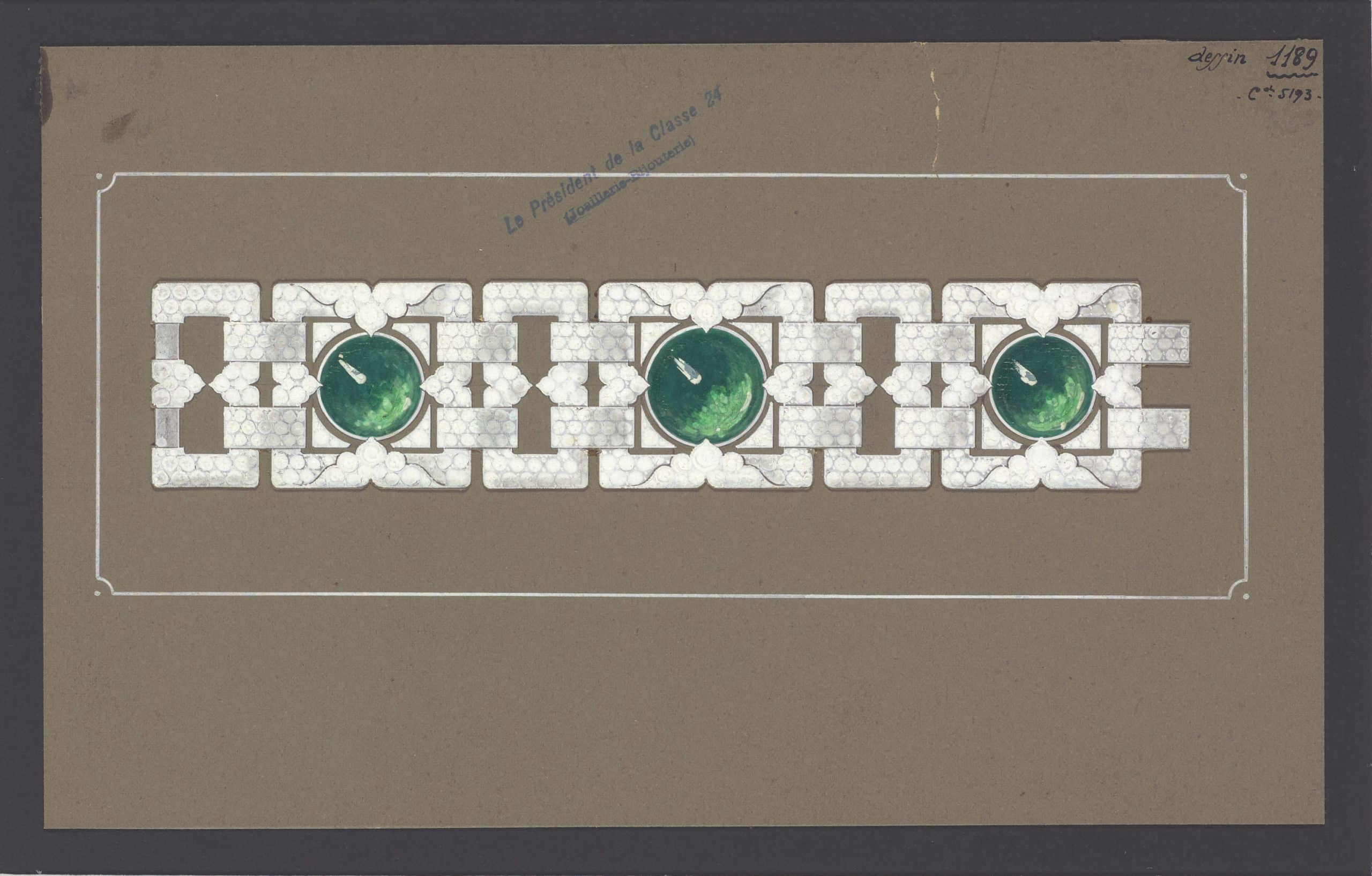
CR: The symbolism of the 1925 International Exhibition in Paris is very meaningful. The Teien Museum residence was inspired by that exhibition, and Van Cleef & Arpels received recognition there with a bracelet presented at the time.
We had been collaborating with the Teien Museum for years, and this shared origin – this moment in history that linked us – made it the perfect opportunity to celebrate Art Deco this year.
AYK: If you could define this exhibition in three words, what would they be, and why?
CR: Patrimony. Creativity. Dialogue.
AYK: What are you most excited for people to experience in this exhibition?
CR: The feeling of going back in time – back into history – and experiencing a personal moment of discovery inside a home. And also discovering jewelry pieces that were worn, that carry identity, that have something to say. It’s intimate.

Courtesy of Van Cleef & Arpels
AYK: Has preserving patrimony always been of interest to you?
ALEXANDRINE MAVIEL-SONET: Yes. I joined the Maison only two years ago, but I’ve always been very involved in the collection side – finding new pieces and thinking carefully about what we want to acquire. For this exhibition, which we began preparing two years ago, we naturally paid special attention to Art Deco pieces when searching the market.
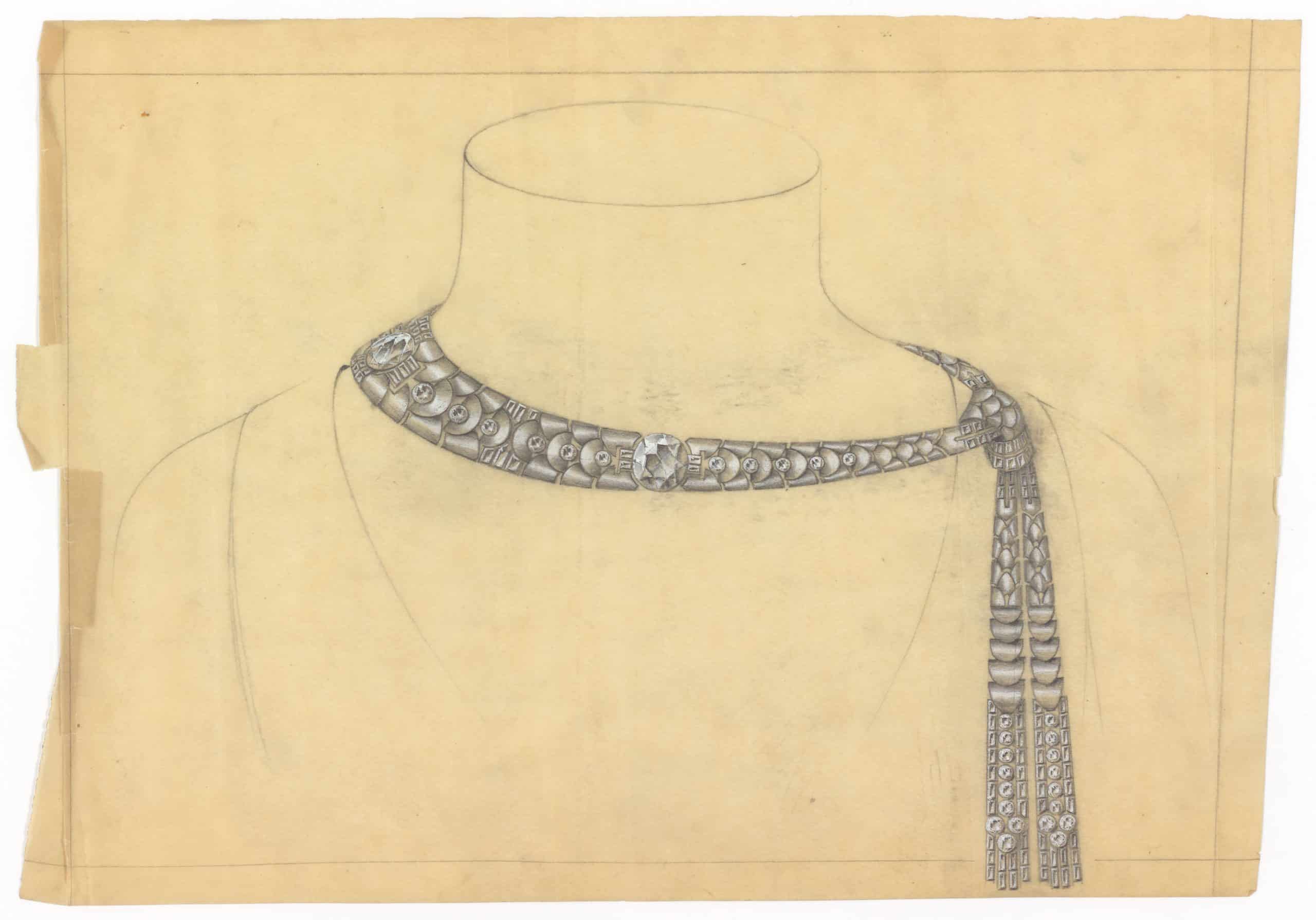
As we studied the period closely, we realized that although we had white jewelry from that era, we were missing certain key pieces – for example, a necklace that was essential to the style of the time. Each time we look closely at a period, we notice gaps like this. That’s really how we build the collection: piece by piece, identifying what’s missing and putting the puzzle together.
AYK: So it’s a big challenge for you to find these pieces. Do you search through auction houses, dealers, families?
AMS: Yes. And families often come back to us. Thanks to exhibitions like this one, they see real value in having their pieces included in the Maison’s collection. And it’s always very touching.
AYK: Can you describe the most challenging aspect of preserving high jewelry over decades, or even centuries?
AMS: This is why I mentioned the piece from 1929 that we were very lucky to acquire recently. In the ’40s, ’50s, even the ’60s, it was common for people to transform their jewelry. They would inherit a piece from a grandmother, remove the stones, and redesign it into something more modern.
Because of this, the farther back we go – especially to the early 20th century – the harder it becomes to find original pieces. Many simply no longer exist. This makes preserving high jewelry from that period extremely challenging.

Courtesy of Van Cleef & Arpels
AYK: Talk to me a little about the importance of the Paris Exhibition in 1925 and why it was so significant for Van Cleef & Arpels.
AMS: Van Cleef & Arpels was dounded in 1906, so in 1925 the Maison was not even 20 years old. It was still very young. Being presented at that exhibition – and being part of the modern movement – was incredibly important. The Maison put enormous care into the pieces shown there, and winning prizes at such a young stage was a major milestone.
This is also why, when we wrote the first tome of the catalog on the collection, we divided it into periods. The first part covers 1906 to 1925 – a time when the Maison created only unique high jewelry pieces. The chapter from 1925 to 1953 marks a turning point: it’s when the Maison entered a new era. From that moment on, Van Cleef & Arpels began to be recognized for its technical achievement, and that recognition fueled even more creativity.
AYK: Why does the Art Deco movement still resonate today?
AMS: Even 100 years later, it resonates because it represented such a strong desire for modernity and innovation. In 1925, the world was still recovering – it was only seven years after the First World War and a few years before the Depression. It wasn’t a glorious period, and yet there was this powerful will to reinvent, to be modern, to innovate.
I think that determination is what gives Art Deco its lasting impact. It embodies a belief in progress, and that spirit still feels relevant today.

Courtesy of Van Cleef & Arpels
AYK: How are pieces selected for an exhibition like the one we saw yesterday? What is the process?
AMS: For this exhibition, the first chapters naturally focused on Art Deco. We began by defining the story we wanted to tell for that period. Because we also wanted to highlight the relationship between jewelry and the decorative arts, we selected pieces that linked visually or thematically to the rooms of the building.
It became almost a game. For instance, in the first room – the Henri Rapin green wall – our first collection chapter features the tricolor, which was about green as well. So we started there, matching our pieces with the architecture and atmosphere of each room.
AYK: What is the most important takeaway you would hope visitors have when they leave the exhibition?
AMS: For me, it’s the understanding that jewelry is fully part of the creative and decorative arts. When you walk through the exhibition, you see parallels between architecture and jewelry – the colors, the shapes, the stylistic movements. Jewelry doesn’t sit apart from these disciplines; it belongs with them.
Even the museum director emphasized this. And for the Maison, it’s also a moment to remember our own heritage – a century of creativity that still inspires us today. I think that sense of continuity is very important.
AYK: What archival pieces in the Maison’s history best represent its ties to Art Deco?

Courtesy of Van Cleef & Arpels
AMS: The first piece I would mention is the 192 brooch displayed in the showcase with the onyx and diamond contrasts pieces. It features a spectacular heart-shaped diamond. It’s also one of our recent acquisitions – which is why we are so happy to have found it. A diamond like that could easily have been removed and reused over the decades, so finding an original piece from the 1920s is rare and meaningful.
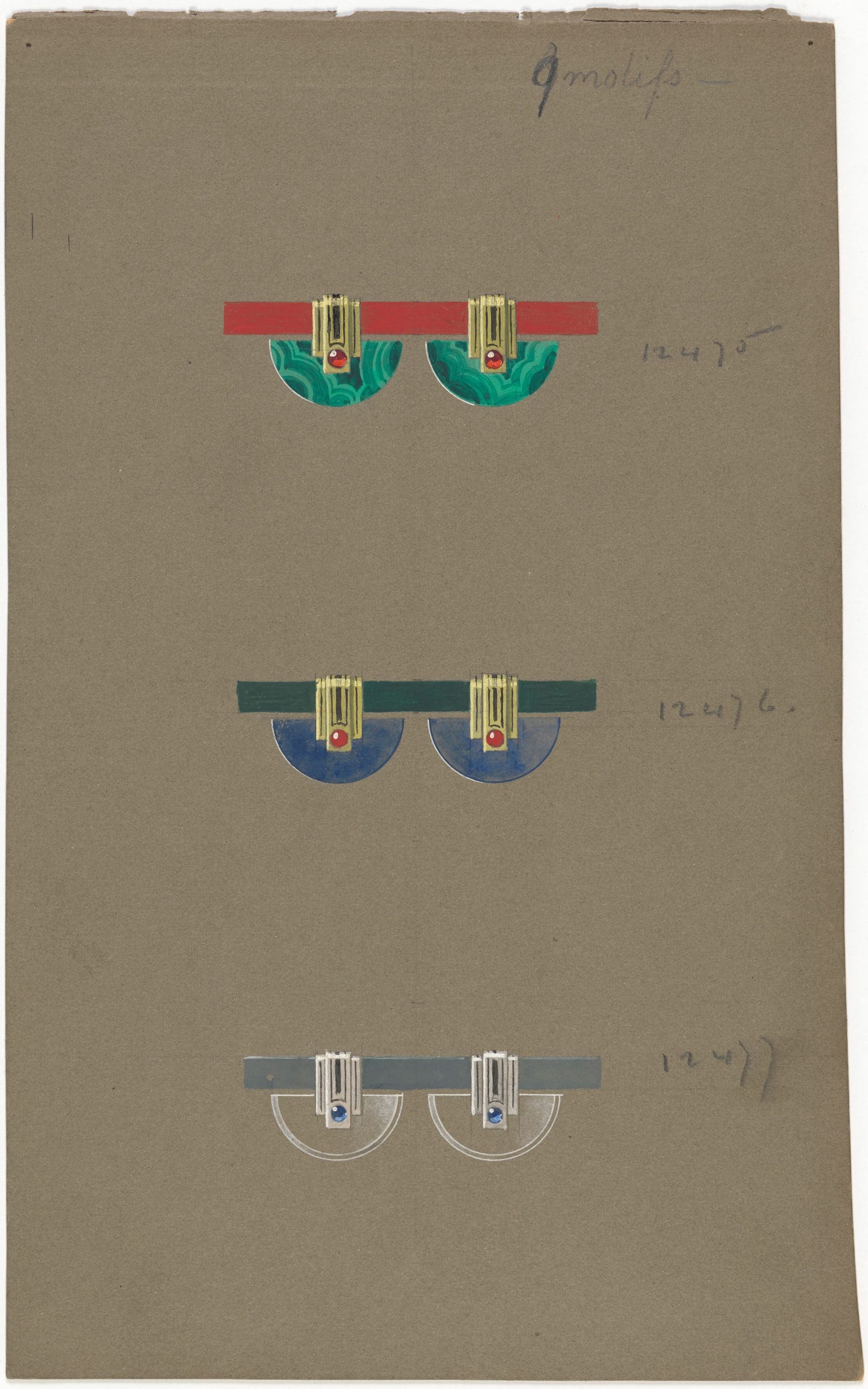
The second piece is the Jasper clip. It’s extraordinary, and it shows the Maison beginning to think about creating variations – not repetitive pieces, but pieces made in several versions, with changes in colors or materials. Some had diamonds, some didn’t, some were only gold. There is this playfulness and experimentation that feels quite modern.
AYK: How do you ensure that the Maison’s intangible heritage – its savoir-faire, traditions, and values – is transmitted alongside the jewels?
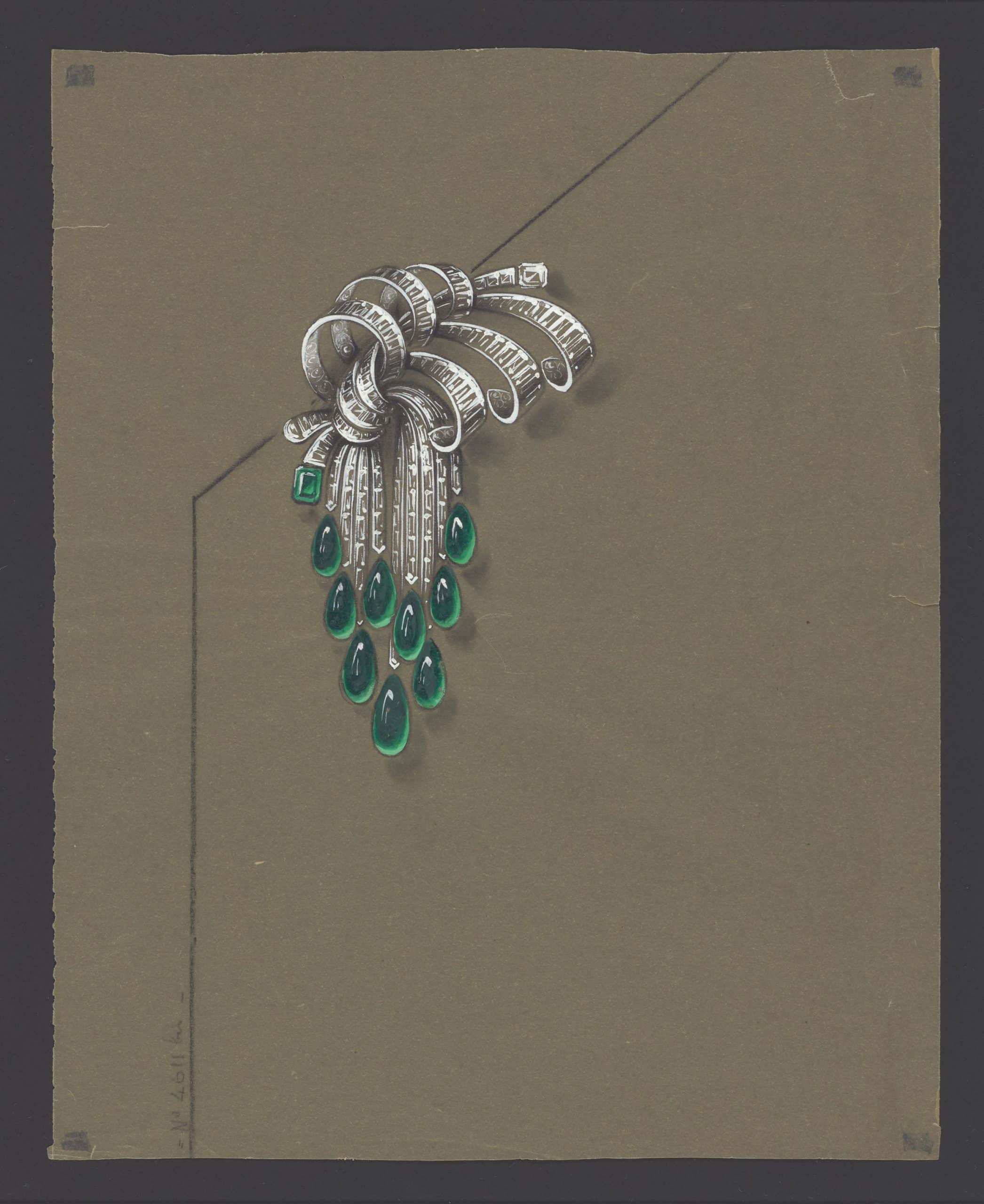
AMS: Today, we work very closely with the creation studio. When they start a new collection – for example, Le Grand Tour last year, or L’Île aux Trésors – they come to us first. They ask what we have on that theme in the archives and what the Maison has done before. Not to copy, but to understand the heritage and draw inspiration from it.
So we begin each new project with that dialogue. And whenever we acquire a significant piece, like the 1929 necklace, we present it to the studio so they can see what the Maison created at that time. This exchange nourishes their creativity.
AYK: What are you looking forward to most about presenting the House’s heritage – in this case, Art Deco – in a contemporary exhibition setting?
AMS: We wanted to show the timelessness of Art Deco. That is really the essence of the exhibition’s title. We worked carefully to highlight the period without mimicking it. The scenographer had the challenge of being present but not intrusive – creating a thread that helps visitors understand where the showcases have been added, while respecting the architecture.
Our goal was to honor the Art Deco period, to let it stand on its own, and to show how naturally it still speaks to us today.

Courtesy of Van Cleef & Arpels
Related Fashion
- Fashion
- 5 Min Read
BENEDICT CUMBERBATCH AND LETITIA WRIGHT STAR IN PRADA’S RE-NYLON CAMPAIGN FOR OCEAN CONSERVATION
March 25, 2026
- Fashion
- 5 Min Read
BURBERRY TRENCHES TAKE OVER THE STREETS OF LONDON, MILAN, PARIS, NEW YORK, AND LA
March 25, 2026
- Fashion
- 5 Min Read
KATE MOSS AND EMRATA ARE SUBMERGED IN DOUBLE Gs FOR GUCCI’S NEW BAG CAMPAIGN
March 25, 2026