The Business of Being Seen
Written By: Kish Lal
How fashion is navigating the algorithm, AI, and the waning impact of the influencer.
We’re currently living in the most content- saturated moment in fashion history. Which means the most powerful move a brand can make right now is to strategically disappear. But it hasn’t always been that way.
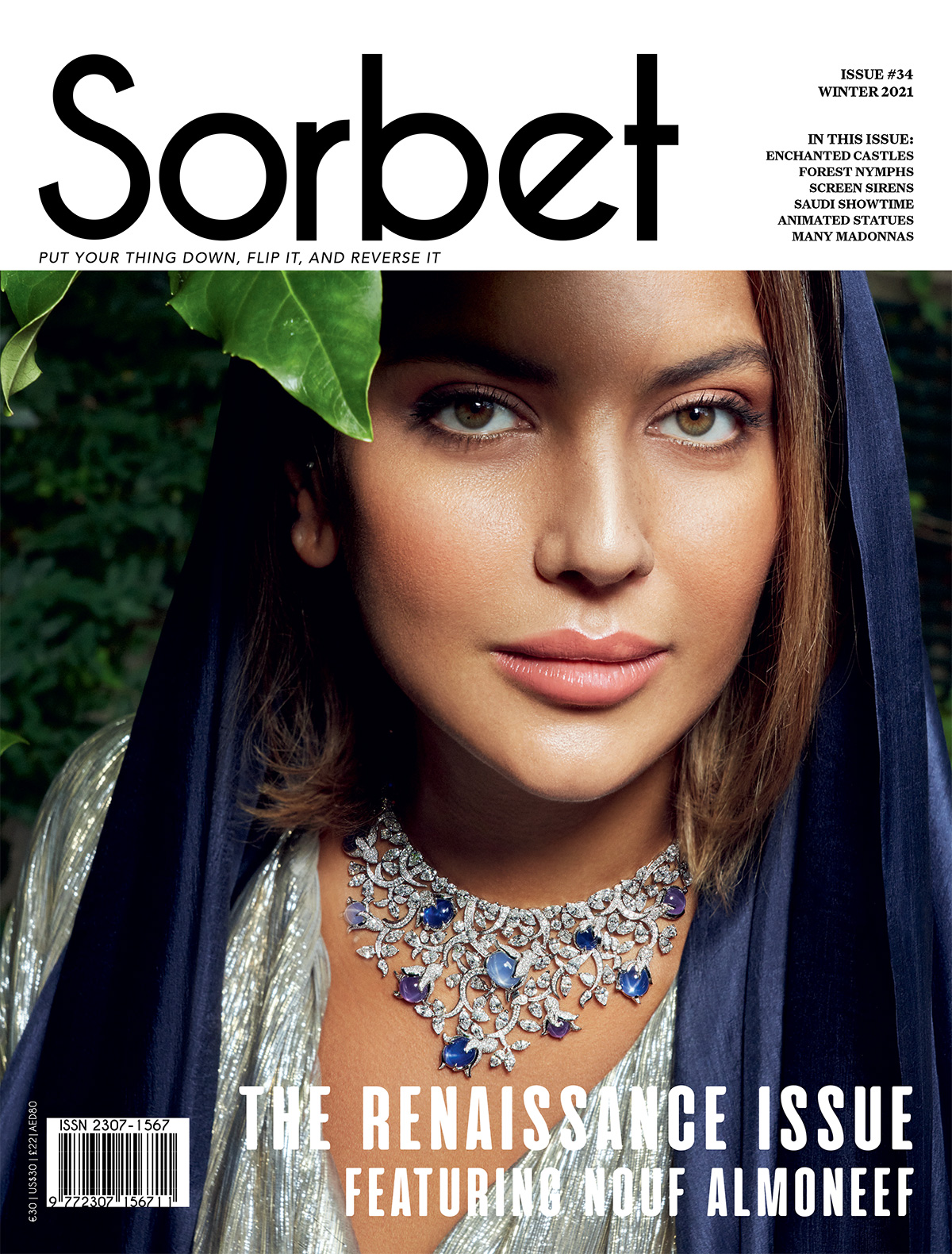
For many fashion houses and labels, landing a glossy magazine cover, a footnote in an editorial spread, or placement on a best- dressed list used to be a marker of success. It was one of the few ways to be visible to the public. However, the rapid decline of print media has meant the gatekeepers no longer sit behind a desk at Condé Nast but rather wield an iPhone and the promise (or threat) of virality.
The evolution of social media and influencers as tastemakers means that now, the easiest way to get your brand in front of a customer isn’t a billboard or celebrity placements, but in a haul, tag or GRWM. There used to be only a dozen magazines a handbag or dress could be featured in, but now there are millions of influencers willing to offer coverage and much more, from collaborations and product development to flying round the world to cover the latest release.
Influencer marketing is now central to many strategies; it’s easy, cheap, and comes with infinite options. But somewhere over the last two years or so, navigating social media has felt like wading through tacky, polyester mud. It’s an oversaturated pit of content, bloated with sponsored posts, covert ads, and a scourge of TikTok Shop videos. Finding anything that has a modicum of authenticity feels rarer than ever.
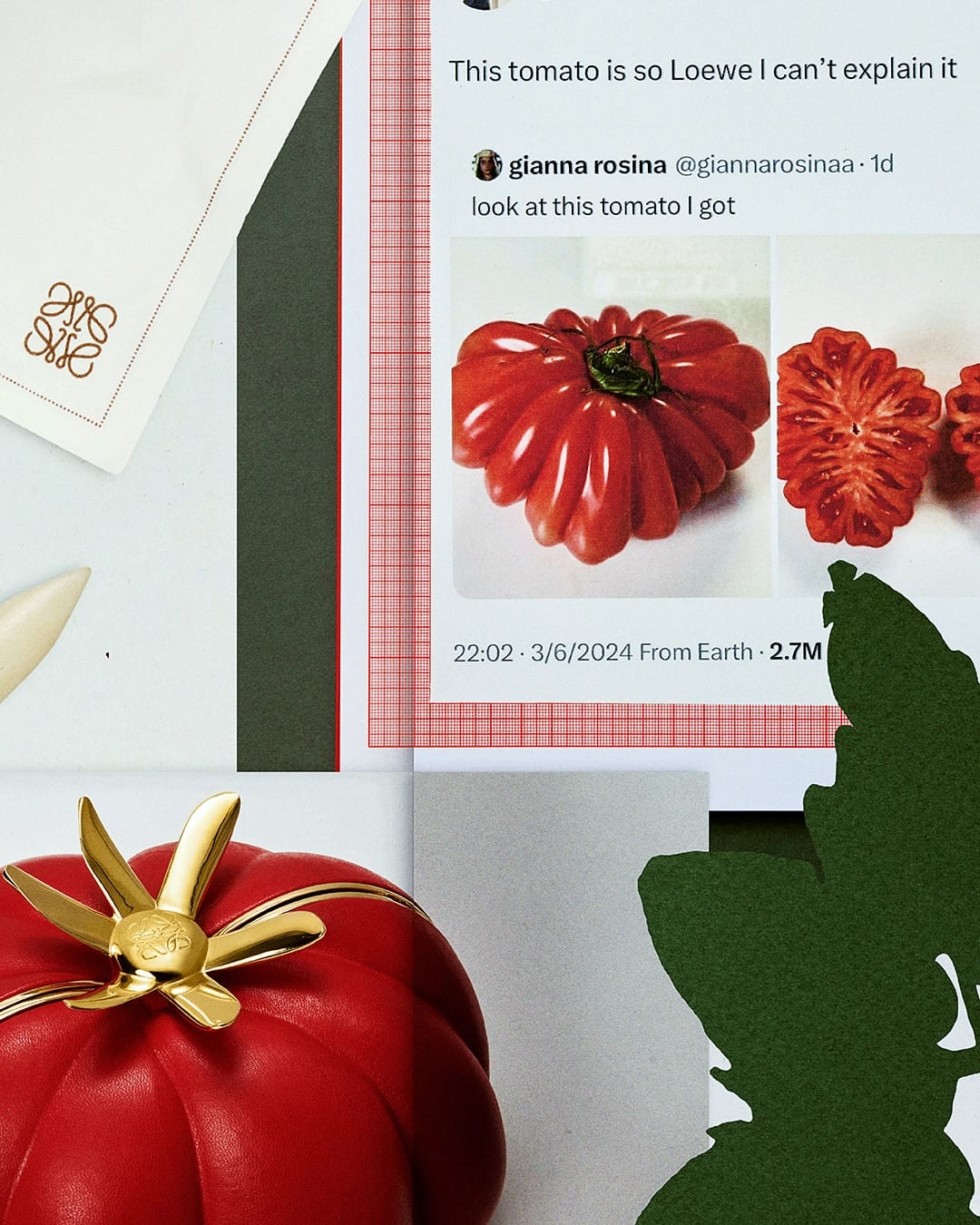
Loewe managed to pull off something other brands couldn’t quite work out. Under JW Anderson, the fashion House borrowed from memes, created its tomato clutch based on a tweet, and embraced social media in a way that cut through the noise. But most brands can’t reproduce what they did. And if they could, would they want to? Being everywhere and being coveted have become almost mutually exclusive.
The heyday of influencer worship is quickly winding down and what we’re now left with is a deep desire for something niche. But how do brands fit into that? Social media democratized visibility but being seen is now far less valued than it used to be. An influencer post today doesn’t compare to a legacy magazine placement 15 years ago. Consumers are feeling this too. A 2025 BoF and McKinsey survey found 68 percent of shoppers are frustrated by the sheer volume of sponsored content on social media, while 65 percent follow fewer fashion influencers than just a few years ago. The response has been a rise in ‘cool girl’ content from experts directing people on how to be more niche, find unearthed independent brands, and scour Vinted for rarefied pieces.
This is, of course, how we got to quiet luxury. Once the logomania bubble burst, people eschewed their bombastic, hype-driven style for plain linen shirts, cotton tees, and unbranded leather bags. Brands such as Max Mara, Khaite, Loro Piana, The Row, and Brunello Cucinelli washed over the zeitgeist in a soft neutral explosion of sage, ecru, greige, and taupe.
The quiet part extends beyond the aesthetics. The Olsen twins have reigned supreme with their It-girl brand, partly through whisperings of their lore and by more publicized moments, particularly the no-social media policy at their runway shows. “We’ve done everything opposite to a lot of other people and it’s a really nice situation to be in. You know, anonymity is a luxury as well,” Mary-Kate Olsen told the Financial Times in a rare 2024 interview. The savviest brands have stopped chasing visibility and started engineering scarcity to get the ‘right’ kind of attention. However, The Row’s painstaking efforts were diminished in just a few days when their 2025 New York sample sale flooded social media, made headlines, and fueled local gossip. For weeks it was fodder for jokes and skits that stretched far beyond those ‘in the know’.
As tech journalist Taylor Lorenz put it, brands “can’t control their images, and that drives them insane”. The crowdsourced social media vibe, she argues, ultimately determines a brand, not the other way around. The Row’s sample sale proved it in real time.
Being seen by a million indifferent people is now worth considerably less than being seen by a thousand obsessive ones. The right kind of attention is neither easily bought nor engineered.
And now we stand at the precipice of a new chapter. Apparently, quiet luxury is dead, so it’s time to close out our former flirtation with minimalism and dance with color, weirdness, and singularity again. Some point to the economy, others a thirst for beauty beyond the banality and blandness of the current AI landscape; though I can’t help but be amused by the irony of maximalism returning just as fashion fatigue climbs. The gatekeepers have gone. What’s replaced them is something far less controllable – and far less interested in playing along. Whether that results in desire or disgust is now entirely out of fashion’s hands.