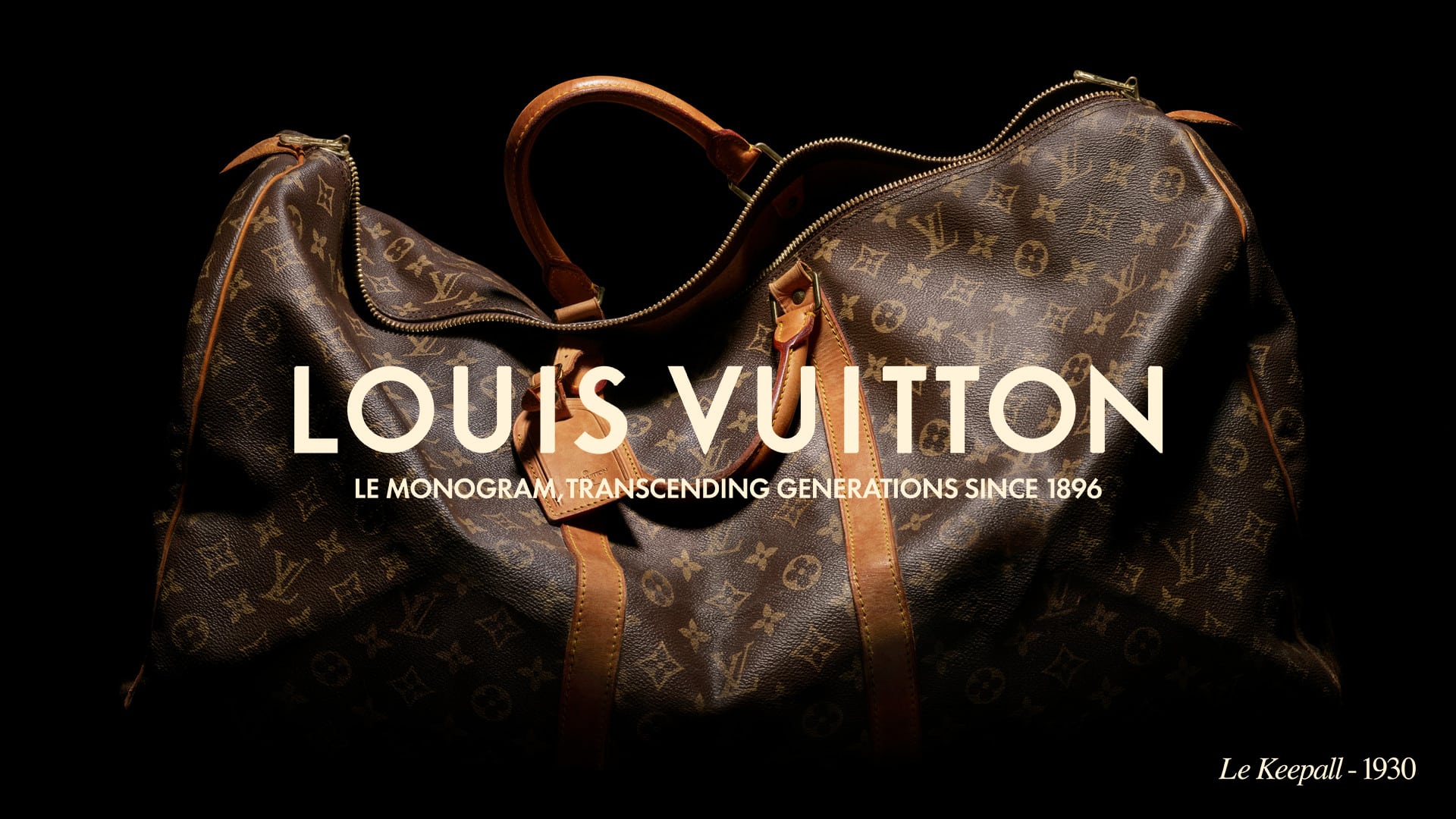
LOUIS VUITTON MARKS 130 YEARS OF ITS ICONIC MONOGRAM
Posted By: Sorbet
A history of travel, culture, and constant reinvention.
While the rest of the world greets a new year with resolutions and fresh starts, Louis Vuitton is busy doing something far less frantic. Looking back. Celebrating 130 years of the Monogram, a symbol that, frankly, needs no explanation. Long before logos became language and branding turned maximal, this one had already secured its place in fashion history. One hundred and thirty years on, it remains instantly recognizable, endlessly reinterpreted, and remarkably powerful. As Louis Vuitton enters 2026, it does so with a clear understanding that true icons evolve, accumulating meaning with every iteration.

Courtesy of Louis Vuitton
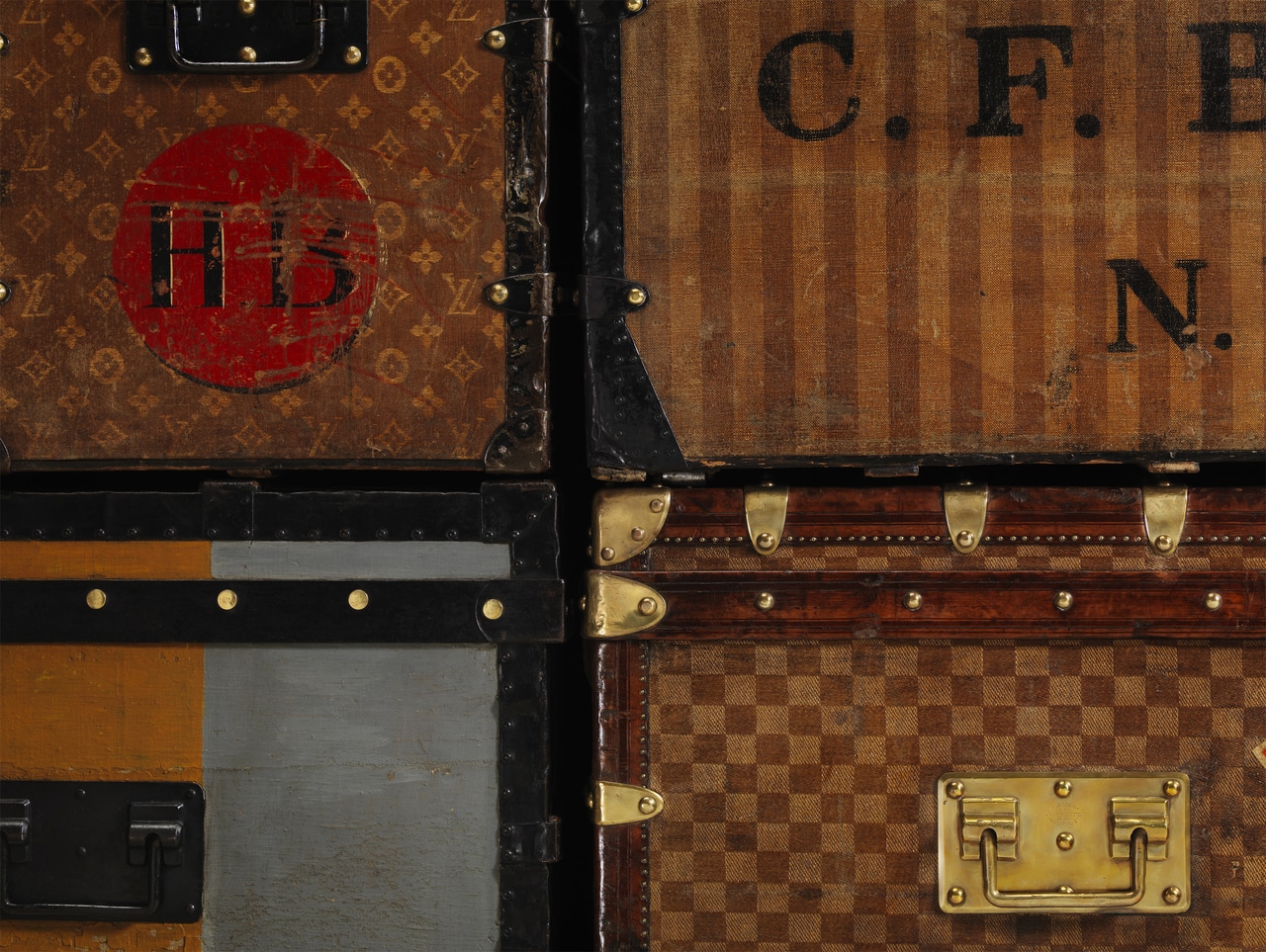
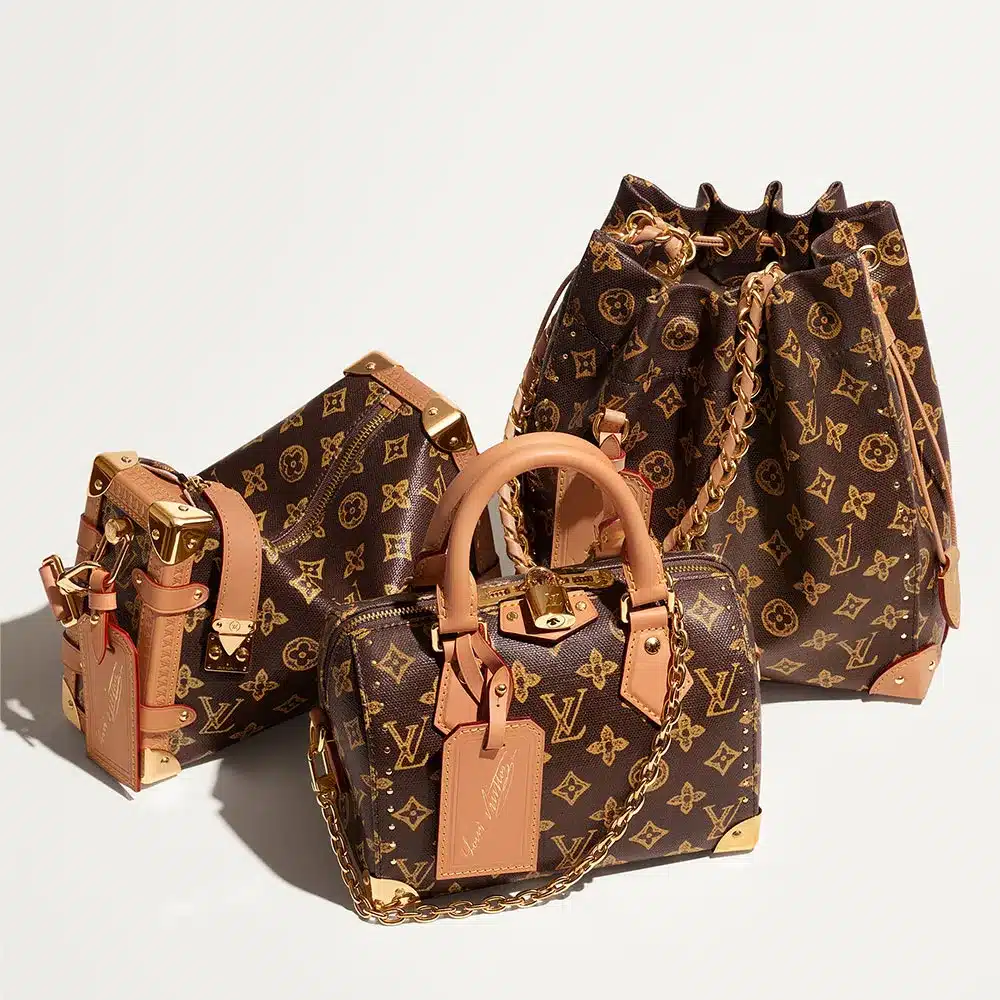
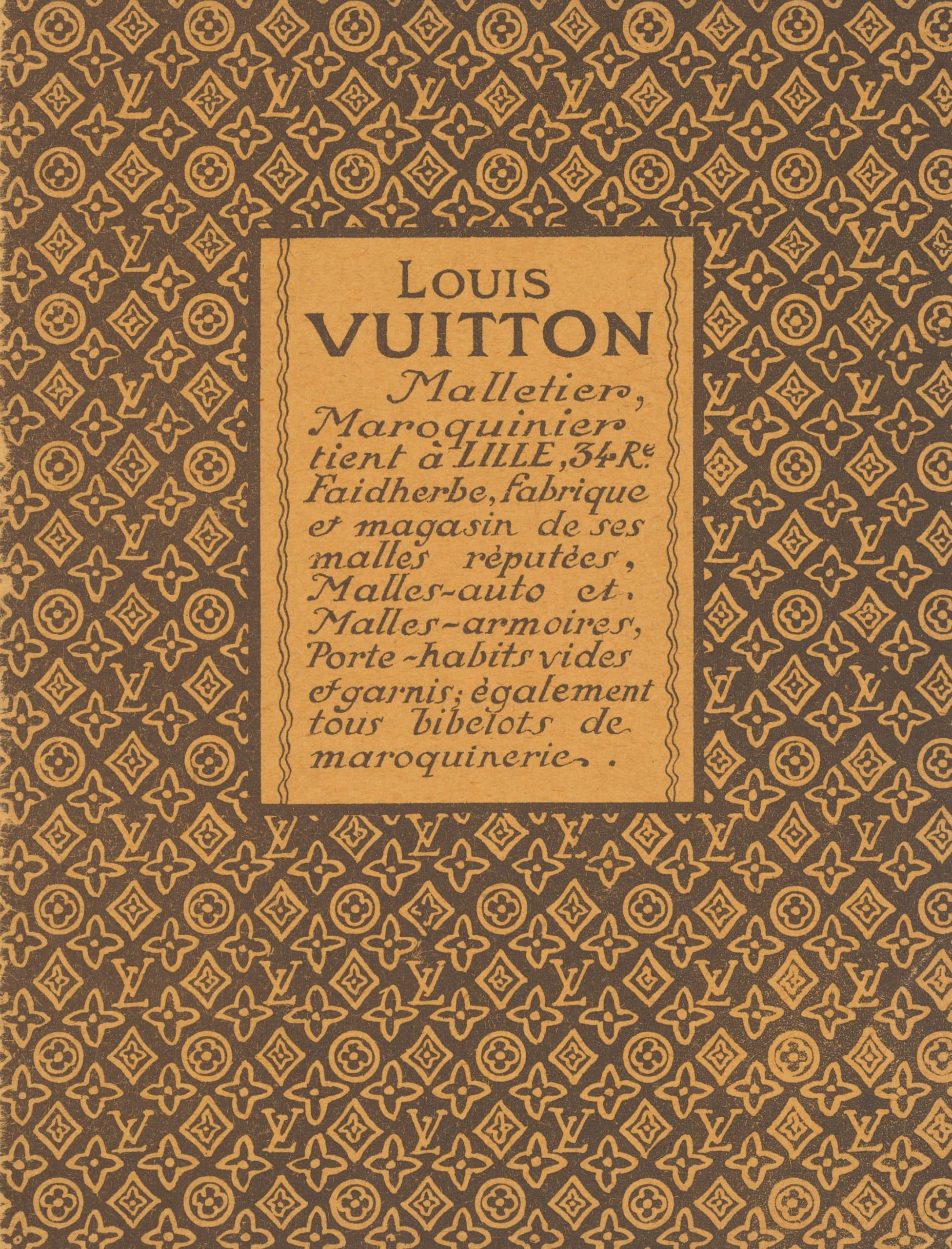
Created in 1896 by Georges Vuitton as a tribute to his father, Louis, the House’s founder, the Louis Vuitton Monogram began with a practical purpose and unexpectedly global reach. Designed to protect authenticity, it combined interlaced LV initials with floral motifs influenced by Neo-Gothic ornamentation and rising fascination with Japonism. What started as a solution to counter imitation quickly became something far more enduring. A signature. A symbol. A visual language that would come to define travel, craftsmanship, and cultural authority.

Courtesy of Louis Vuitton

Courtesy of Louis Vuitton
Courtesy of Louis Vuitton
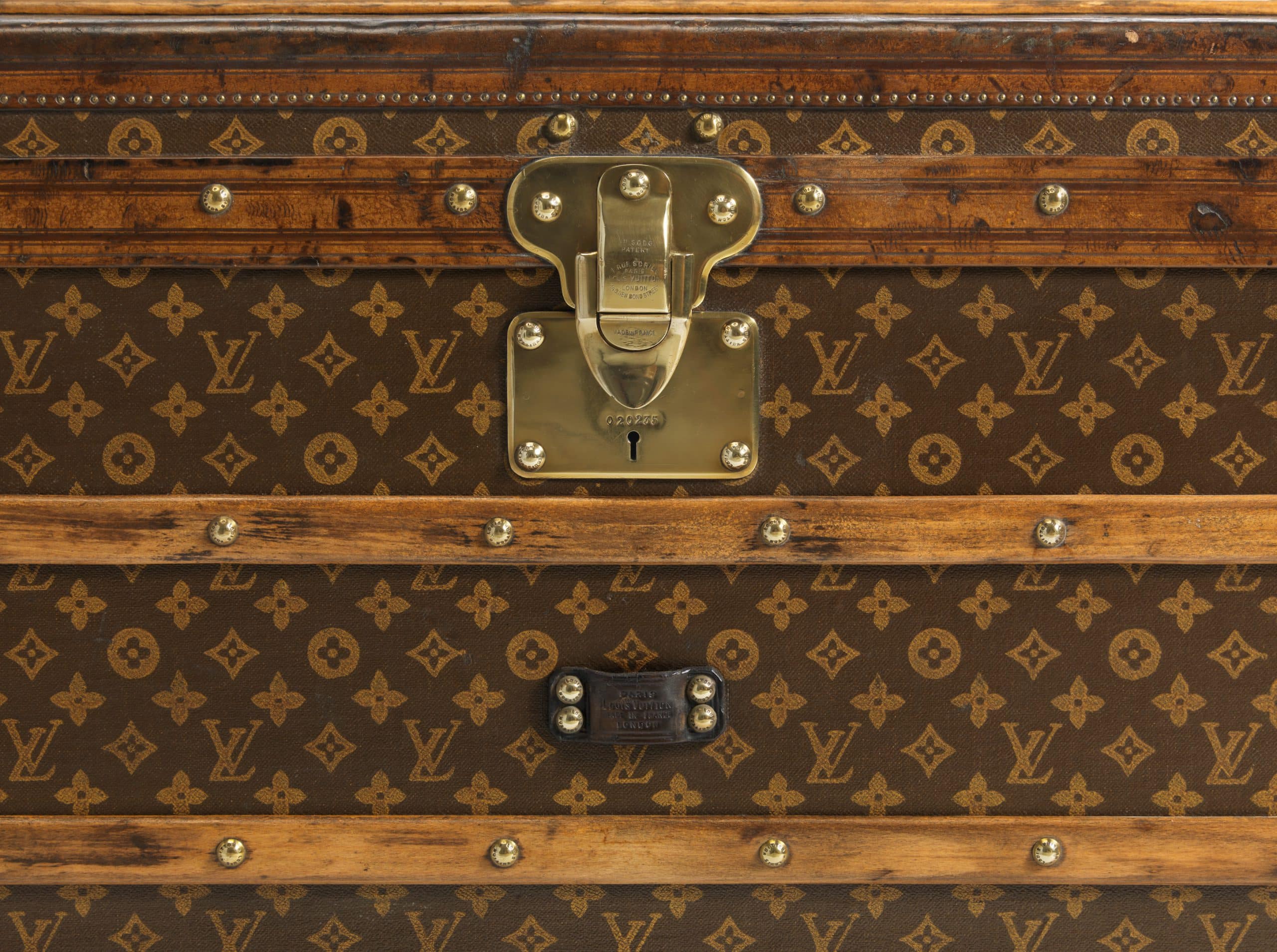
Few motifs in fashion history have endured with such ease. The Louis Vuitton Monogram has crossed centuries and continents, moved fluidly between generations, and remained unmistakable without ever becoming fixed. Carried by aristocrats, artists, pop icons, and collectors alike, it has shaped not only accessories but the very idea of luxury as movement. Its longevity lies in adaptability. Across creative eras, from Marc Jacobs to Nicolas Ghesquière, from Virgil Abloh to Pharrell Williams, the Monogram has been challenged, expanded, and reinterpreted. Artistic collaborations with figures such as Takashi Murakami, Yayoi Kusama, and Richard Prince have allowed contemporary culture to leave its mark without diluting the House’s identity. The result is a rare balance in fashion. Historic, yet distinctly current.

Courtesy of Louis Vuitton
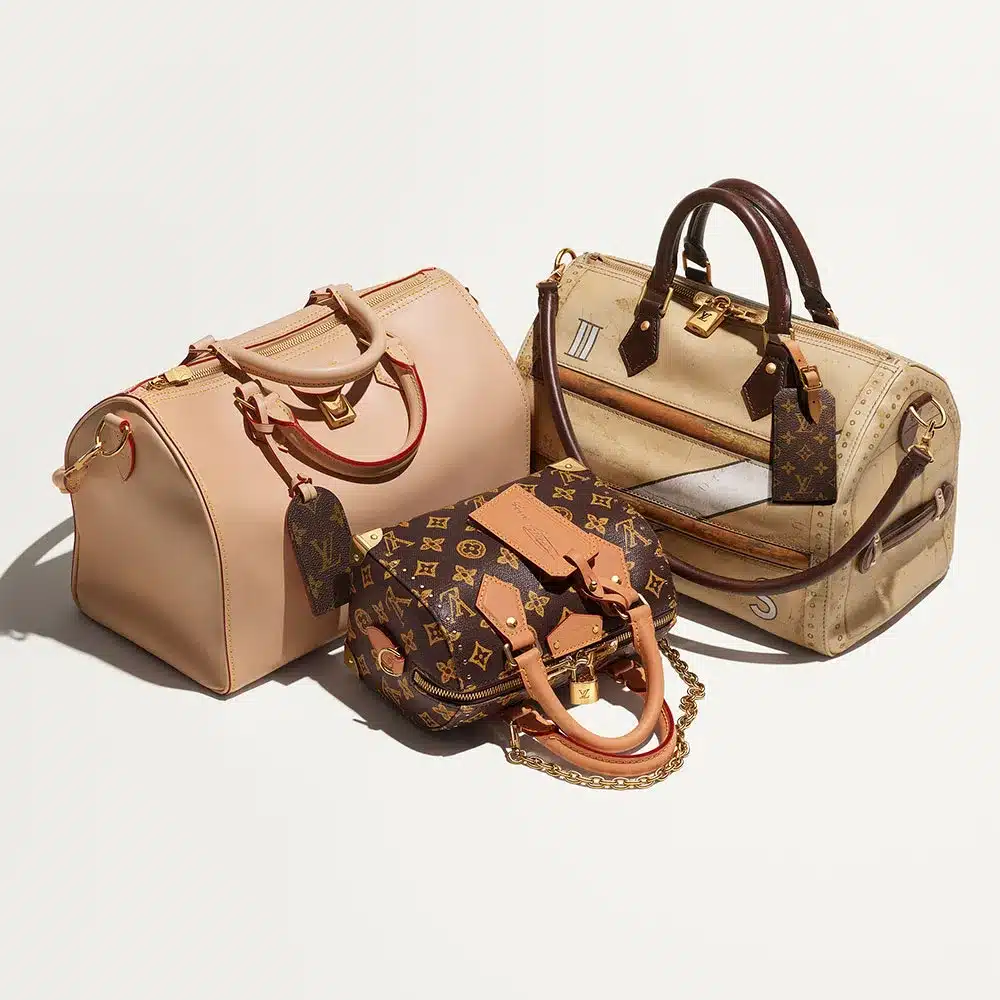
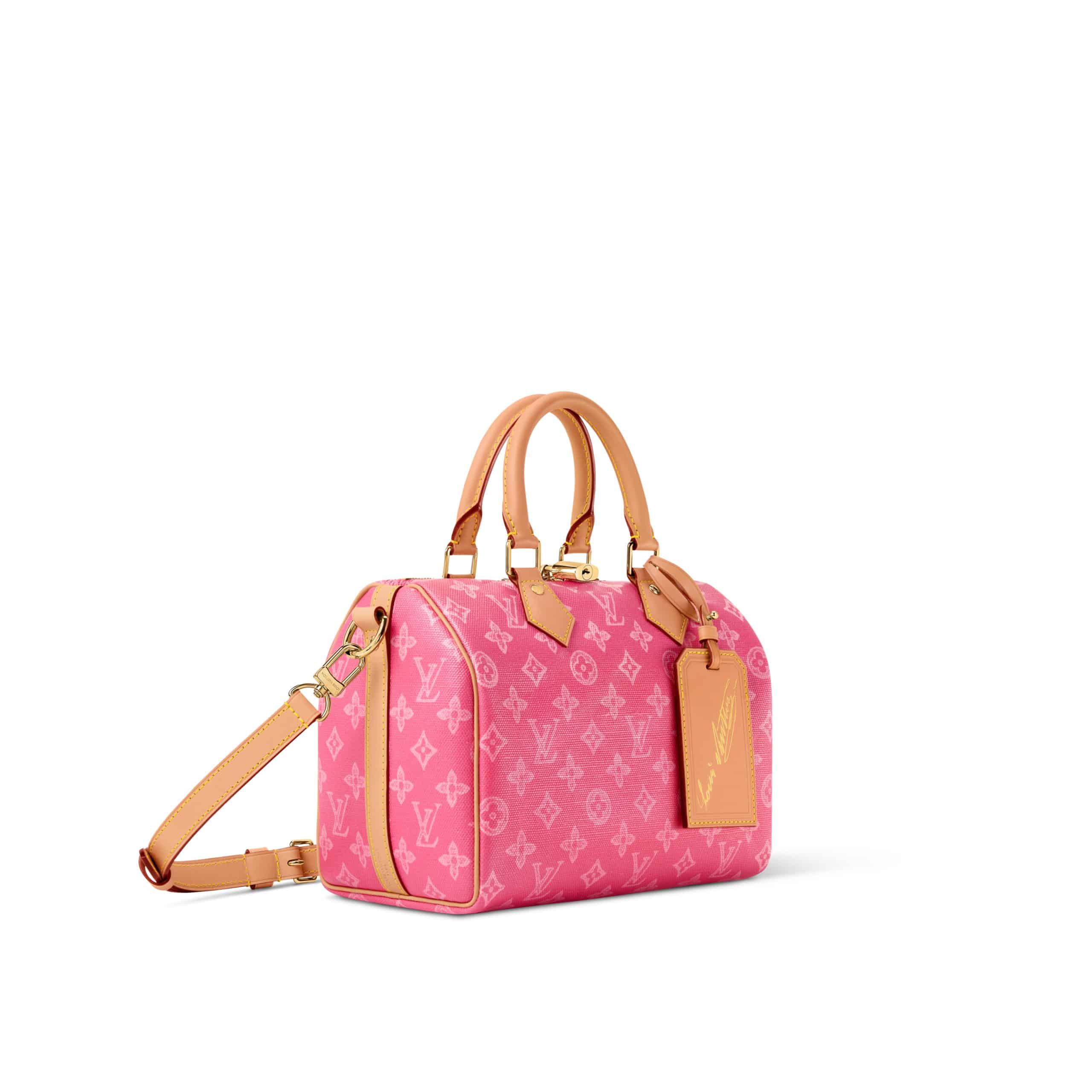
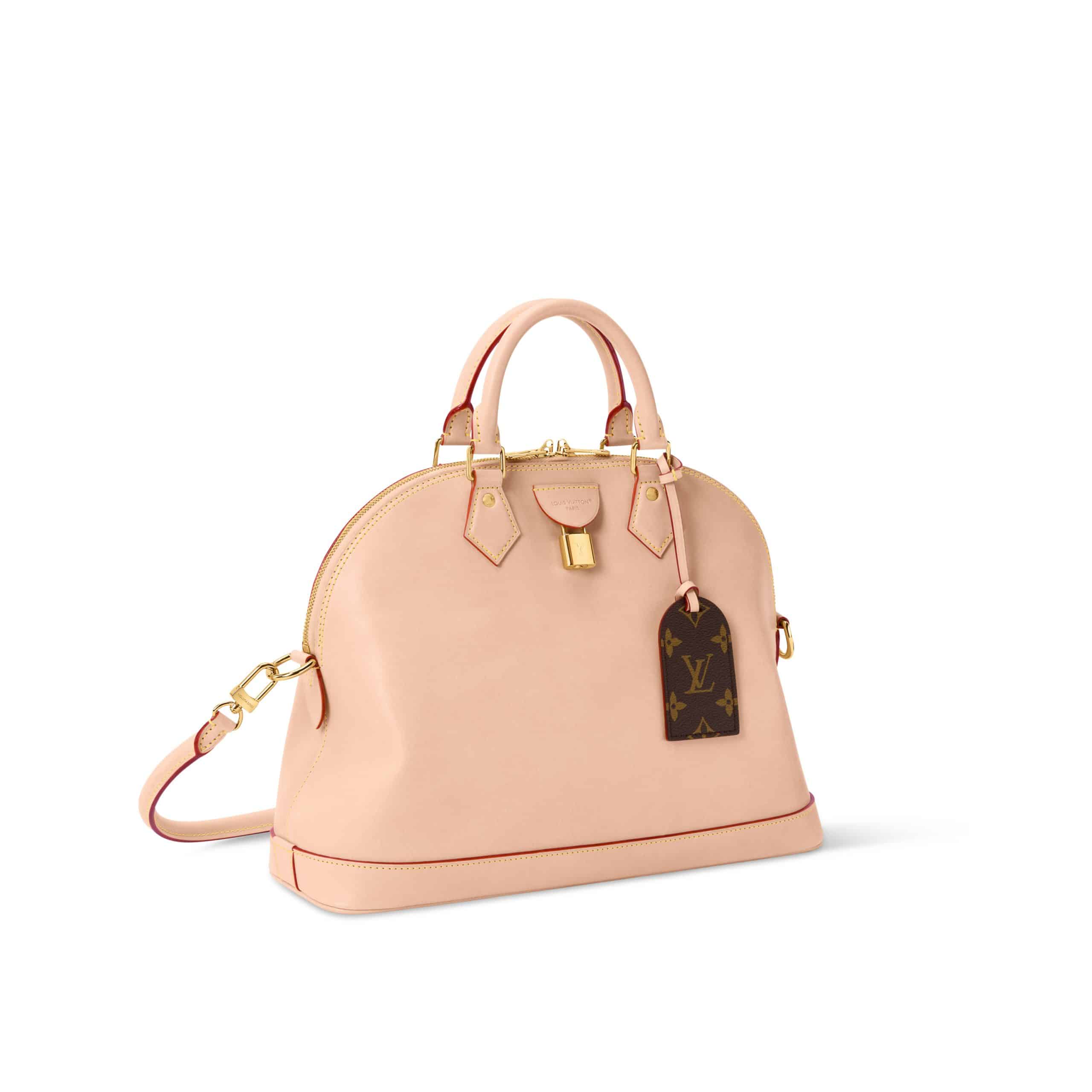
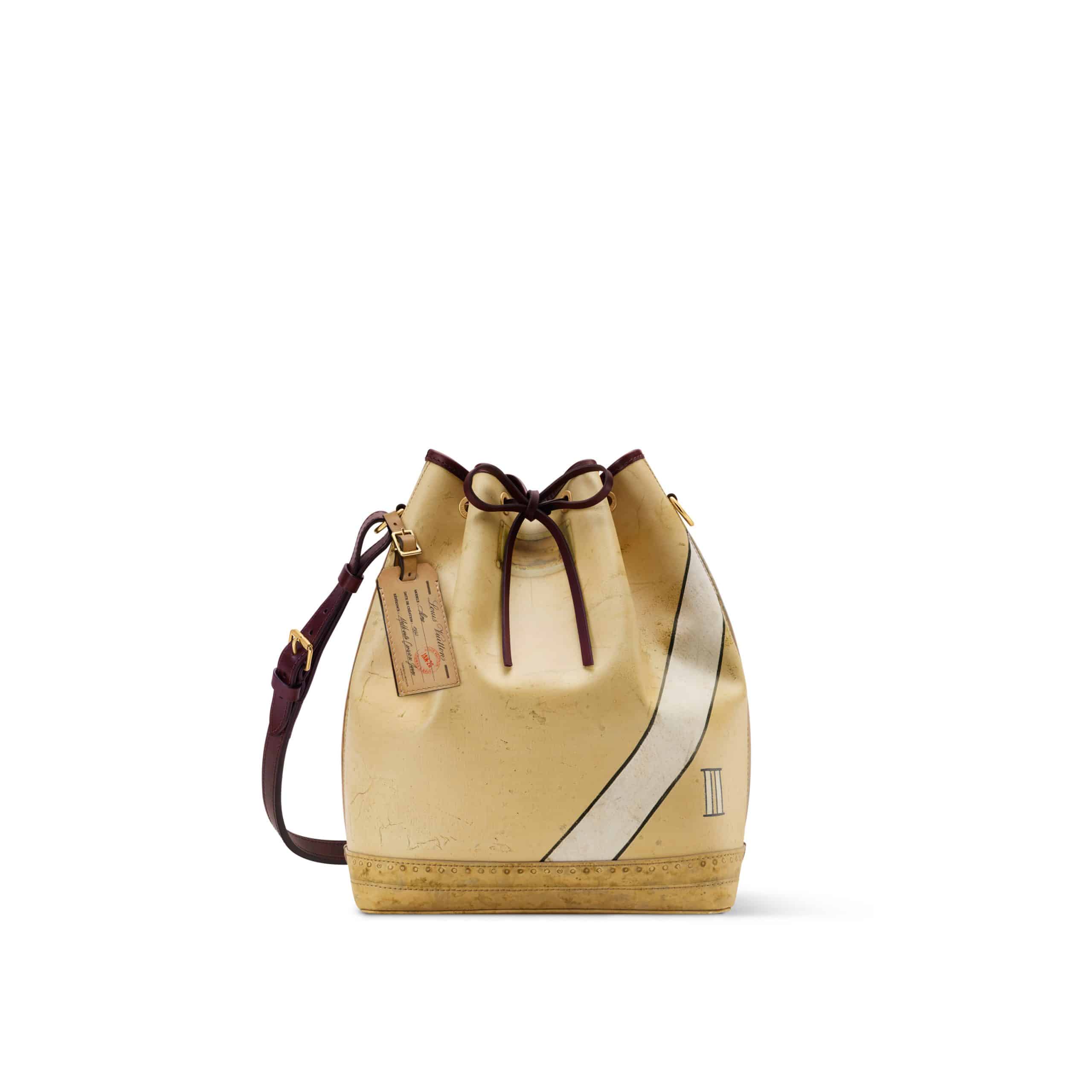
To mark 130 years of the Monogram, Louis Vuitton has chosen continuity over spectacle, unfolding a year-long celebration that moves between heritage and reinvention. The focus turns to the House’s most enduring silhouettes, alongside new ways of reading the Monogram itself. The Speedy and the Keepall, introduced in 1930 and inseparable from the romance movement. The Noé, designed in 1932 to carry five bottles of champagne and still synonymous with joie de vivre. The Alma, architectural and quintessentially Parisian. The Neverfull, a modern essential that defines everyday luxury. These are not archival revivals, but pieces that continue to shape how we move through the world.

Courtesy of Louis Vuitton
Alongside these icons arrive three anniversary capsule collections that explore the Monogram through different expressions of savoir-faire. Monogram Origine revisits early travel codes through a new line-and-cotton canvas softened by archival hues. VNN places material at the forefront, celebrating natural leather and the evolving beauty of patina. Time Trunk transforms history into illusion, using trompe-l’œil printing to reinterpret Louis Vuitton’s legendary trunks as bold, contemporary statements.
Together, these chapters reinforce a simple truth. The Louis Vuitton Monogram is not a relic of the past. It is a living system, built to carry memory while inviting reinvention. One hundred and thirty years on, it remains less a pattern than a philosophy. And Louis Vuitton continues to speak it fluently.