Written By: Kish Lal

It’s easy to diminish fashion as a superficial industry, one where aesthetics reign king – but fashion has always been about more than just clothes, as these designers and fashion moments show.

The polarizing work of so many uncompromising designers combined with the fearlessness of activists, troublemakers, and iconoclasts has shaped history and ostensibly empowered subsequent generations to want more; more agency, more power, more of a voice. From protesting with pussy hats to embracing pure unadulterated sexuality, the DNA of fashion is steeped in rebellion.

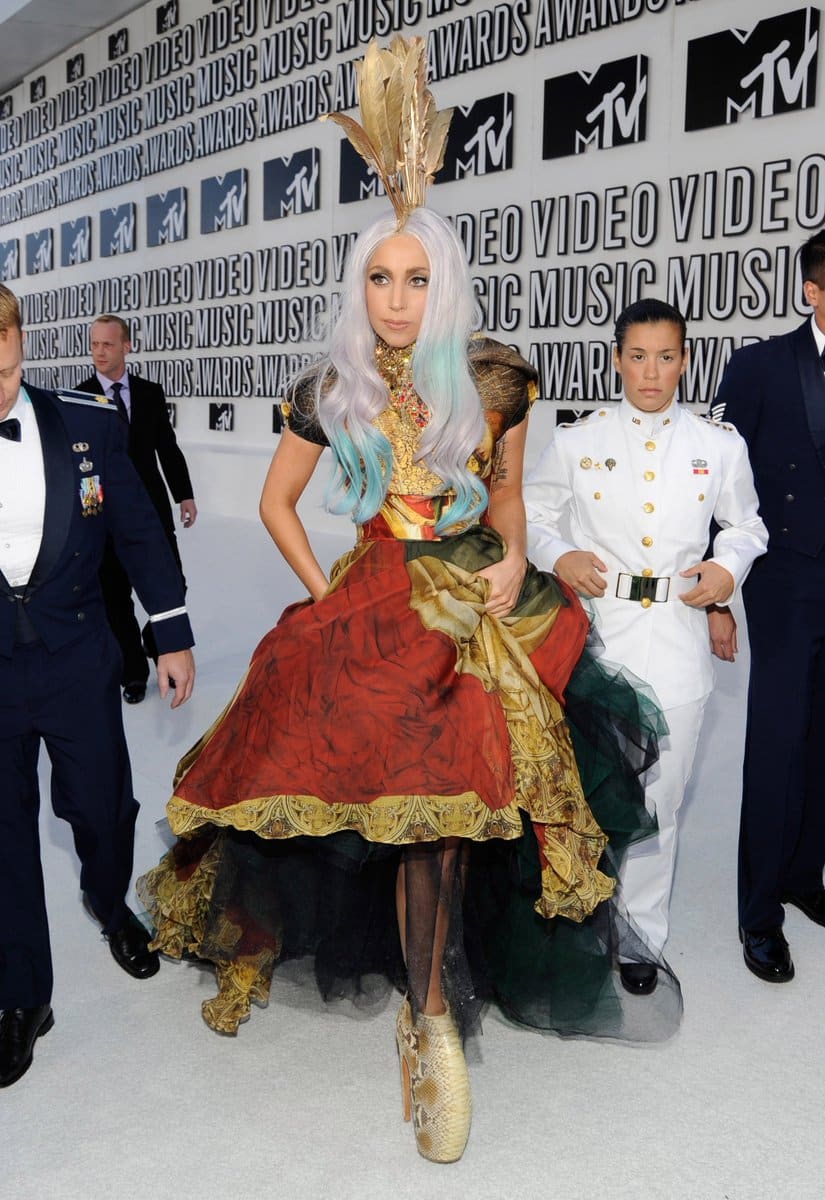
Lady Gaga at the 2010 MTV Music Video Awards
Few people have embodied the rebel spirit quite like the late British designer, Alexander McQueen. The son of a London taxi driver, McQueen once described himself as “the pink sheep of the family” and he celebrated misfits everywhere. Drawing inspiration from gore, punk, London’s gay club culture, Scottish traditions and even Joan of Arc, he gave us the iconic armadillo heels (as worn by Lady Gaga), queer joy in rainbow chiffon dresses (S/S 2003) and looked to the future with a Kate Moss hologram for his A/W 2006 show.

From the other side of the world came another fashion revolutionary, Rei Kawakubo who reinvented the boundaries of design with Comme des Garçons. Since establishing the fashion house in 1973, Kawakubo has garnered a global following thanks to her penchant for eschewing classic design rules in favor of unfinished seams and distressed fabrics, but most of all because of the theater. Most CDG fashion shows are presented as performance art, featuring sculptures that interrogate the future of silhouettes, padded skirts that defy gravity and pieces that barely resemble clothing. Her anti-establishment attitude might seem most potent in her work, but Kawakubo makes a point to live this way too. She doesn’t collect art (to allow other people to enjoy it), avoids sending work emails (she prefers fax), and doesn’t tell people what to think of CDG – that’s up to our interpretation. 

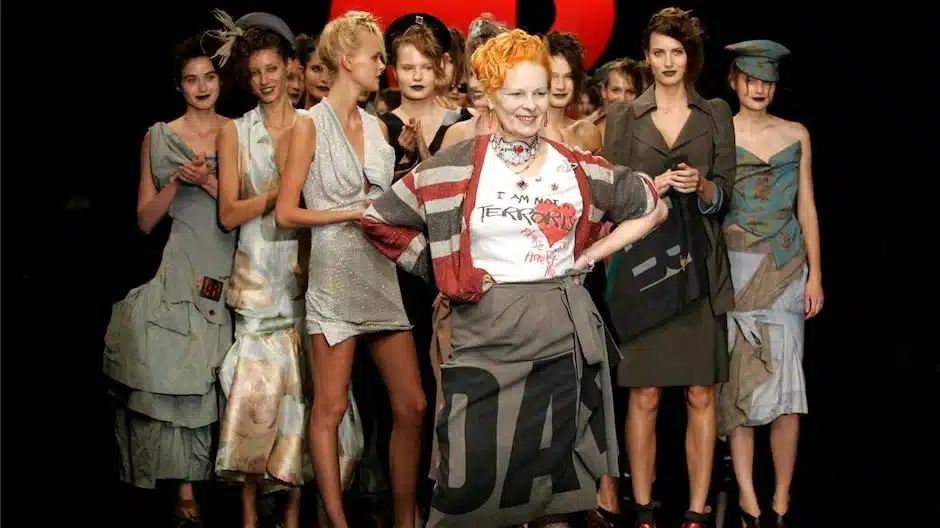
Vivienne Westwood

Punk originator and Scottish iconoclast Vivienne Westwood wrote the book when it comes to protesting through fashion. Never wavering from her message, Westwood has always remained anti-authority and anti-mainstream beyond her penchant for punk. Throughout her career, Westwood has rejected conformity, created clothes for The Sex Pistols, and criticized the industry’s environmental impact. “Since the early days of punk in the 1970s, I have been an activist against war and for human rights,” Westwood told The New York Times. “If people aren’t aware, how are we going to save the world from corruption and climate change?”

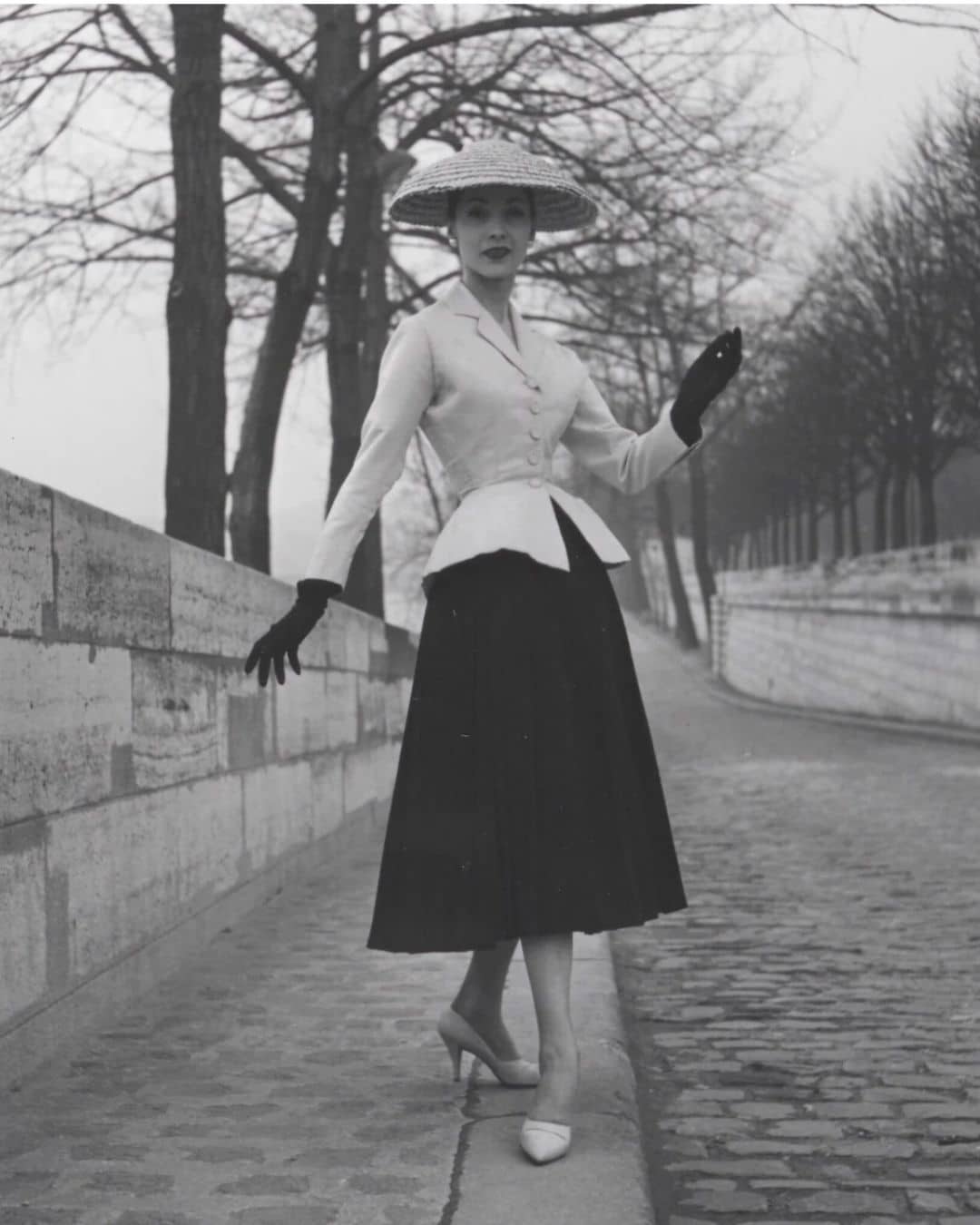
Some designers may embody rebellion in their spirit, but a repudiation of fashion norms is entrenched in its history. One of the most influential designers of the 20th century – Christian Dior – began his career with a veritable bang thanks to the debut of the “New Look” in 1947. And it was with his first collection that he showed off his unintentionally controversial modern take on the female silhouette. The ultra-feminine long skirts and exaggerated proportions, from super-cinched waists to softly sloped shoulders are a nostalgic ode to the pre-war era. While timing is everything, the “New Look” was presented just two years following the end of WWII, proving to be shocking and in complete opposition to the on-trend post-war skimpy skirts. As a result, women in the US protested, Coco Chanel balked at the designs, while Salvatore Ferragamo created an accompanying shoe line. 

Dior New Look 1947

Christian Dior Spring–Summer 1947

But Chanel herself was also a rebel with a cause. While most of us now scoff at the binary of men and womenswear, there was a time when it wasn’t acceptable to wear whatever we wanted. Chanel pioneered women wearing pants, ostensibly freeing women from the grips of Victorian corsetry. The result was a fresh look that continues to influence modern-day fashion trends. And that’s the thing about rebellion, it creates these iconic moments people want to celebrate and continue to pay homage to.

When you think about the recent resurgence of indie sleaze – a 2010s iteration of 90s grunge – you can’t help but consider Marc Jacobs. In 1993, Jacobs created his unforgettable grunge collection for Perry Ellis. Not only did the line receive scathing reviews from The New York Times, in which Cathy Horyna stated that “grunge is anathema to fashion,” some decided to actually burn the garments in protest of how much they hated it. Kurt Cobain and Courtney Love were sent pieces from the collection by Jacobs, which they admitted to lighting on fire. The collection never went into production and Jacobs was eventually fired. But almost 20 years on, its influence is undeniable and remains one of Jacobs’ proudest moments.


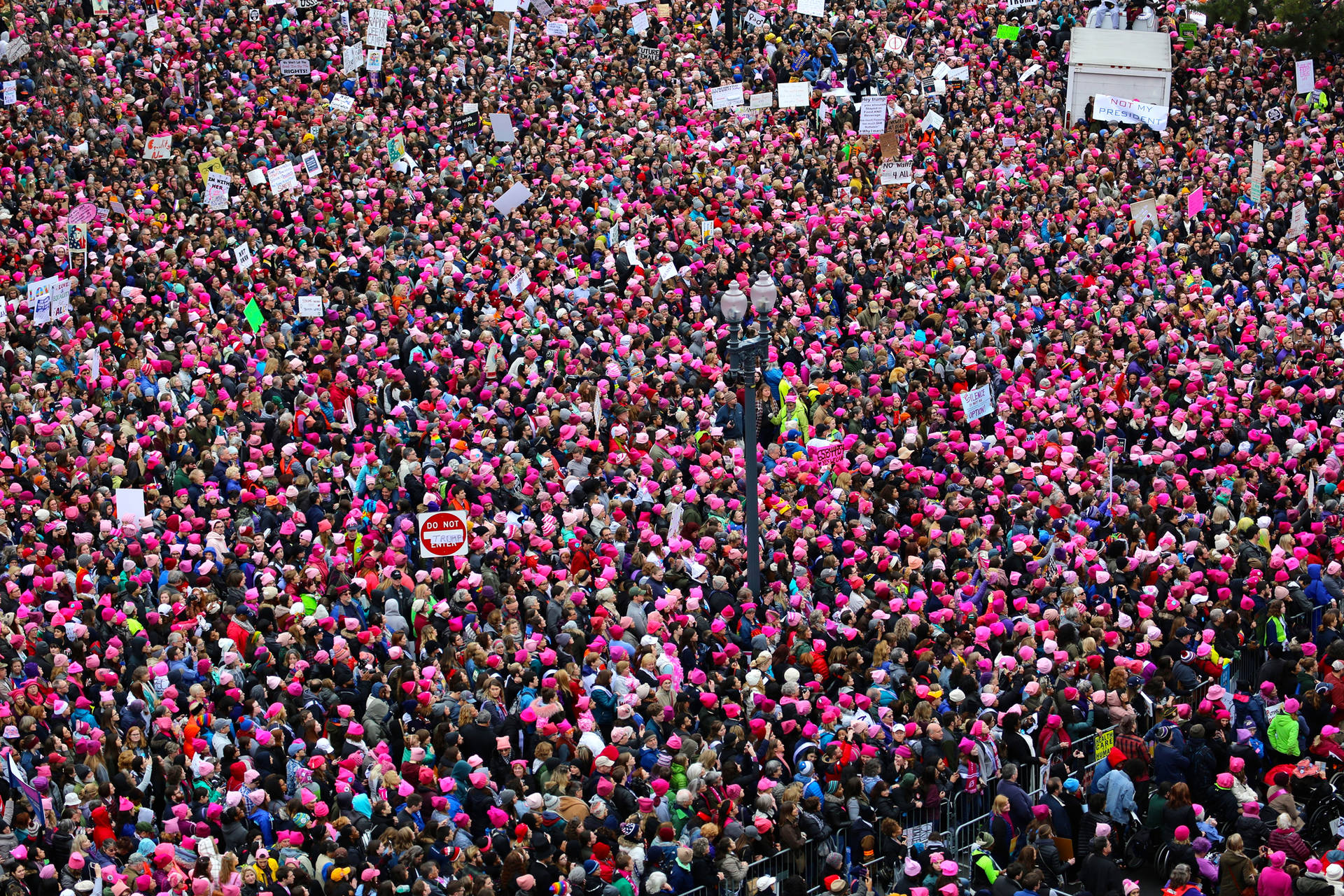
Throughout history, people have used fashion to dissect race, gender, sexuality, class, disabilities, and even warfare. Even though many of us won’t ever design an infamous collection, we can instead wear our hearts on our sleeves – or our heads. In 2016, Jayna Zweiman and Krista Suh co-created and co-founded Pussyhat Project. Created for the Women’s March, a sea of pink pussy hats was a visually arresting sight and a sign of a community joining forces to rally in support of women’s rights, which US president, Donald Trump posed a threat to. And which his legacy still does. Fashion’s capacity as functional art means that there’s power in draping our bodies in visceral messaging and thrashing against the status quo. 

Voice of America, Brian Allen, 2017

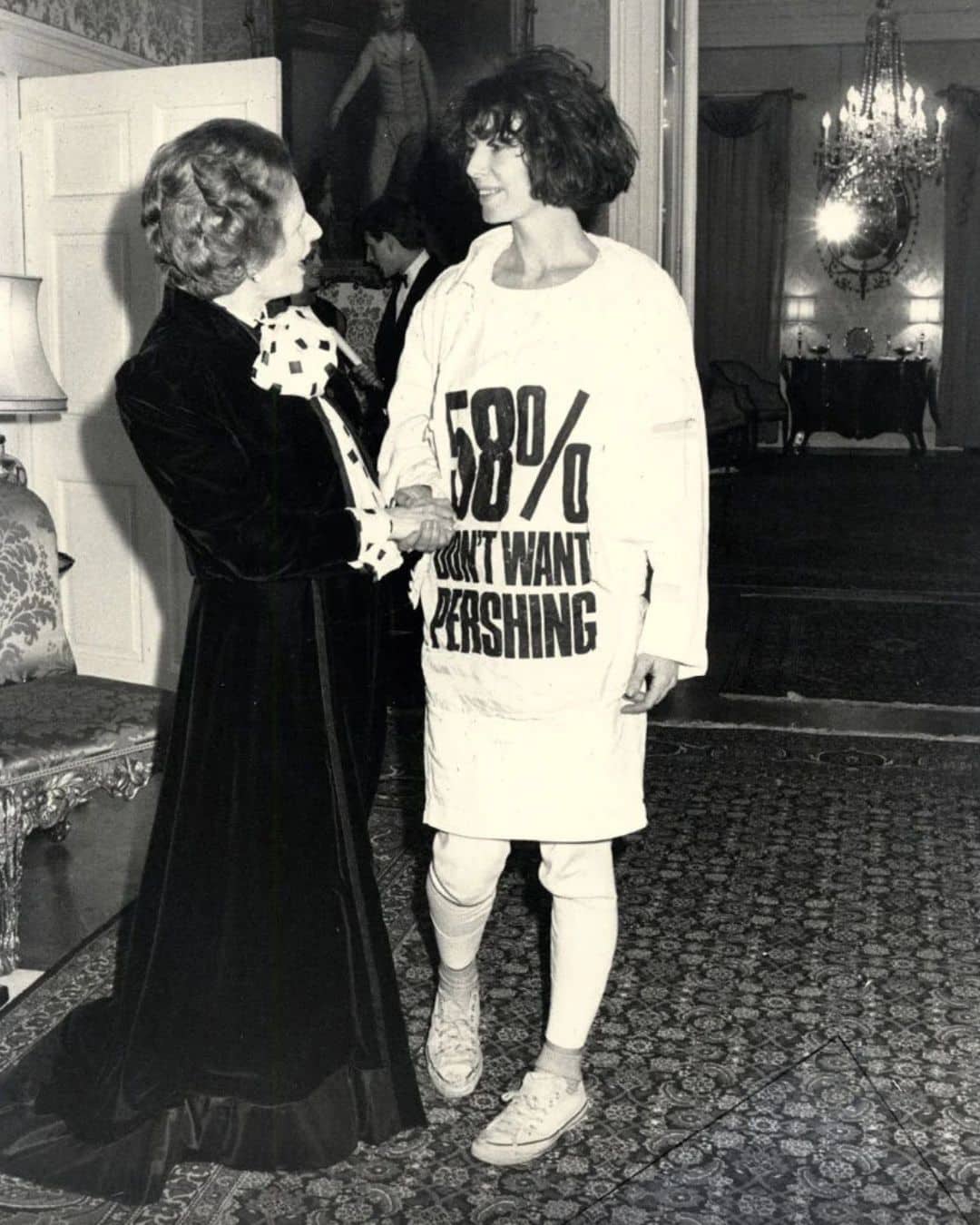
British designer Katharine Hamnett launched one of the earliest collections of protest t-shirts with statements like “Choose Life” and “Worldwide Nuclear Ban Now.” However, it was in 1984 when Hamnett made her biggest style statement when she begrudgingly attended London Fashion Week despite it being hosted by the-then UK prime minister, Margaret Thatcher, who had shown support for the US deploying their controversial Pershing II guided missile in Germany. Instead of boycotting the event, Hamnett arrived in a t-shirt dress emblazoned with the legend “58% Don’t Want Pershing”. According to Hamnett, Thatcher bent down to read it and “let out a squawk like a chicken,” she told The Guardian. “I’ve always believed in using media coverage to try to effect change.”

After all, when our bodies are political, surely what we choose to put on them is too.

Katharine Hamnett and Margaret Tatcher, 1984

END OF STORY