
The Psychology of Raving, Defiance, and Collective Euphoria
Written By: Lottie Storey
Writer and therapist Lottie Storey on the innate power of dancing, from millennia-old battle preparations to modern-day raves, and asks what it is about us coming together that so frightens the establishment.
Humans have danced together for millennia, whether in ceremonial rituals, battle preparations or seasonal celebrations. It’s more than just movement, it’s a way to bond, connect, transcend, and become something greater than ourselves. Dancing in itself can be healing, even alone in our bedrooms. “Dancing helps us reconnect with our bodies and emotions,” says BBC radio presenter, dance DJ, and psychotherapist, Nemone Metaxas. “When life becomes overwhelming, many of us instinctively ‘leave’ our bodies as a coping mechanism… Dance offers a way to release that tension, bringing us back to balance – mind, body, and soul.”
Rhythmic movement alongside others, however, is evolutionarily hardwired into us. Dancing in unison releases neurotransmitters like dopamine and serotonin, creating euphoria and reducing stress. This syncs up with the body’s natural rhythms, reinforcing a sense of connection not only with ourselves, but with those around us. Metaxas cites the work of Bessel van der Kolk, author of The Body Keeps the Score, who says that ‘getting in sync’ with others through rhythm and movement fosters a sense of safety and connection. “He describes this as a ‘core mammalian sense of safety’. Dancing together taps into this ancient coping mechanism, making us feel safe, connected and part of something larger than ourselves.”
THE RITUAL OF RAVING
Raving is more than just a night out. It’s a ritual. And rituals, throughout history, have played a crucial role in fostering belonging and identity.
In her work, associate professor of psychology at the University of Greenwich, London, Dr Martha Newson has researched the 4Ds: dance, drums, drugs and sleep deprivation. “We found that the more someone engaged with the 4Ds at a rave, the more they felt personally transformed and bonded to other ravers,” she says. “Interestingly, this was only true if they perceived the rave to be awe- inspiring. In other words, without a sense of ritual, the rave left people flat. Dance culture now is utterly dependent on the same sense of ritual our ancestors were captivated by.”
This awe-inspired transformation mirrors religious experiences, where music, movement and altered states of consciousness create a heightened sense of unity. A rave, in essence, functions like a modern-day ceremony. Perhaps Faithless were right. God really is a DJ.
RAVING AGAINST THE ESTABLISHMENT
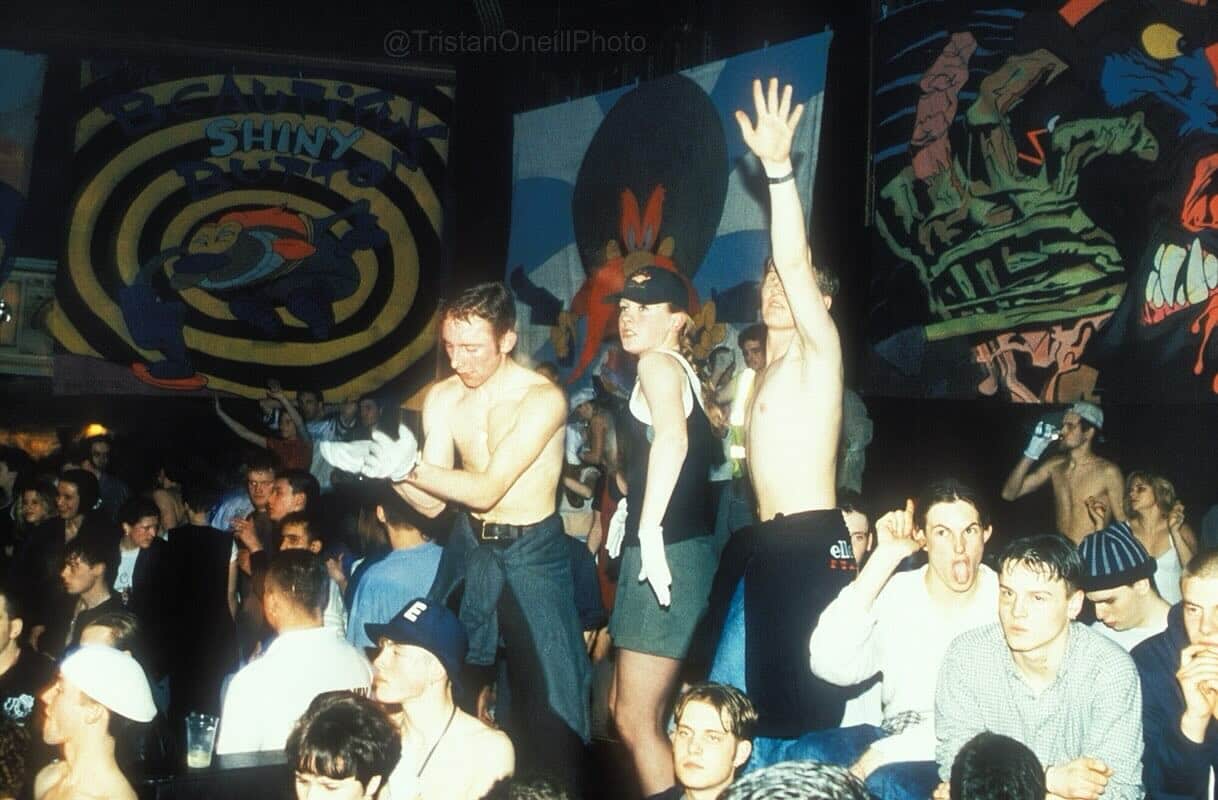
From the jazz clubs of the Prohibition era to illegal acid house raves of the 1980s and ’90s, dance has always had a rebellious streak. In the UK, the Tory government took this so seriously it tried to outlaw raving entirely. The 1994 Criminal Justice and Public Order Act infamously sought to ban gatherings featuring ‘repetitive beats’, a move that proved just how unsettling mass dance events were to those
in power.
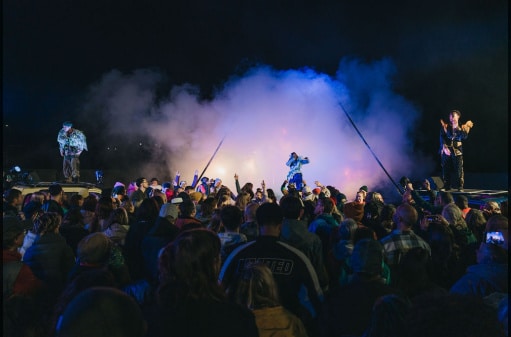
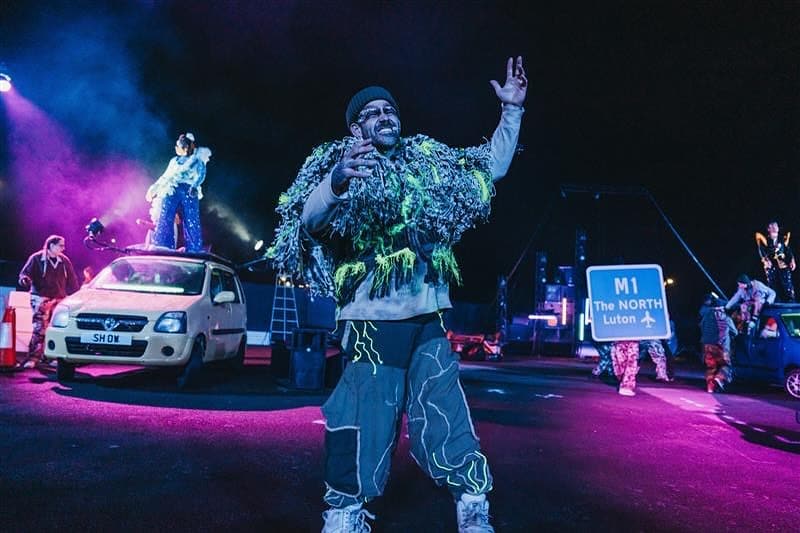
Kat Joyce is co-director of Rave New World, a theatrical show inspired by Luton’s rave heritage. “It still blows my mind that the government was so unnerved by the subcultures that were onvening in the ’90s that they passed a bill attempting to ban repetitive beats in public spaces,” she says. “That to me is all the proof you need of how acute the threat was.”
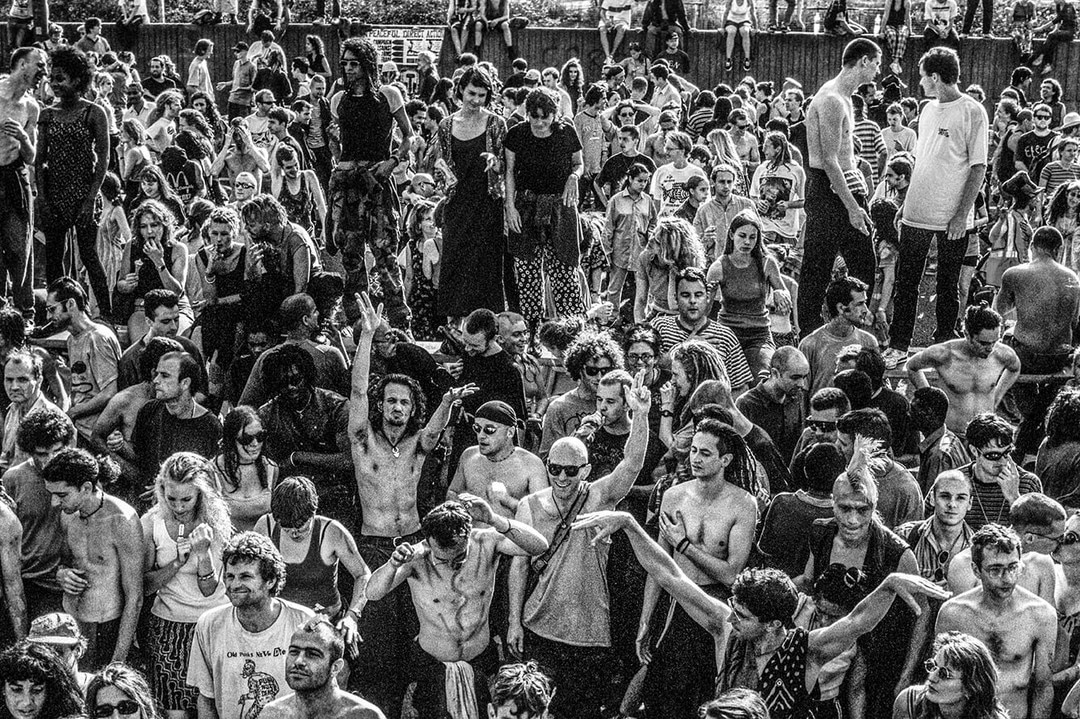
Raving, at its core, is an assertion of freedom, a space where traditional societal rules are temporarily suspended and self-expression is limitless. It brings together people from all walks of life, stripping away class, race and status in a way that few other cultural phenomena achieve.

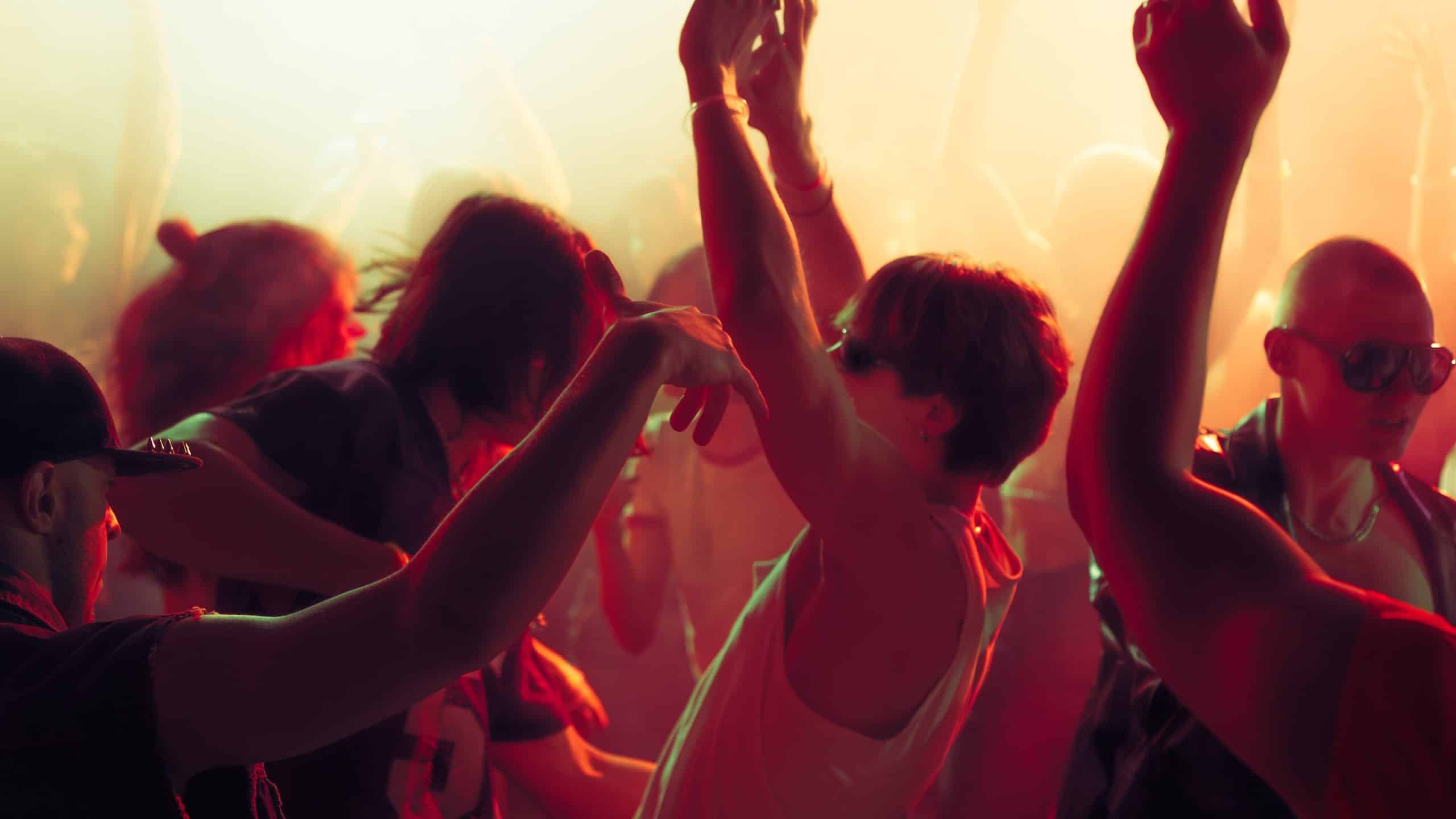
Image via Shutterstock
DO WE NEED RAVING NOW MORE THAN EVER?
In an age of increasing digital disconnection, where social media dominates our interactions and political divisions run deep, the importance of collective movement is more crucial than ever. Many young people today feel isolated and powerless, lacking tangible ways to engage with the world around them.
So, what can the revolutionary spirit of the ’90s DIY, free-party movement offer us as we face the challenges of 2025? “There’s something transcendental about being connected through the beats that are going through all your bodies,” Joyce reflects. “The connection and unity that people found on the dance floor was – and can still be – absolutely destabilizing to the neoliberal agenda.”
With global crises, political unrest and economic hardship weighing heavily on many, the dance floor offers not just escape, but a form of resistance. It reminds us that we are not just individuals navigating a chaotic world alone. Unity feels within reach when we are bodies in motion, together, moving to the same beat. And maybe, just maybe, that’s why The Man has consistently tried – and failed – to stop us dancing.